
 Français
 Español
 عربى
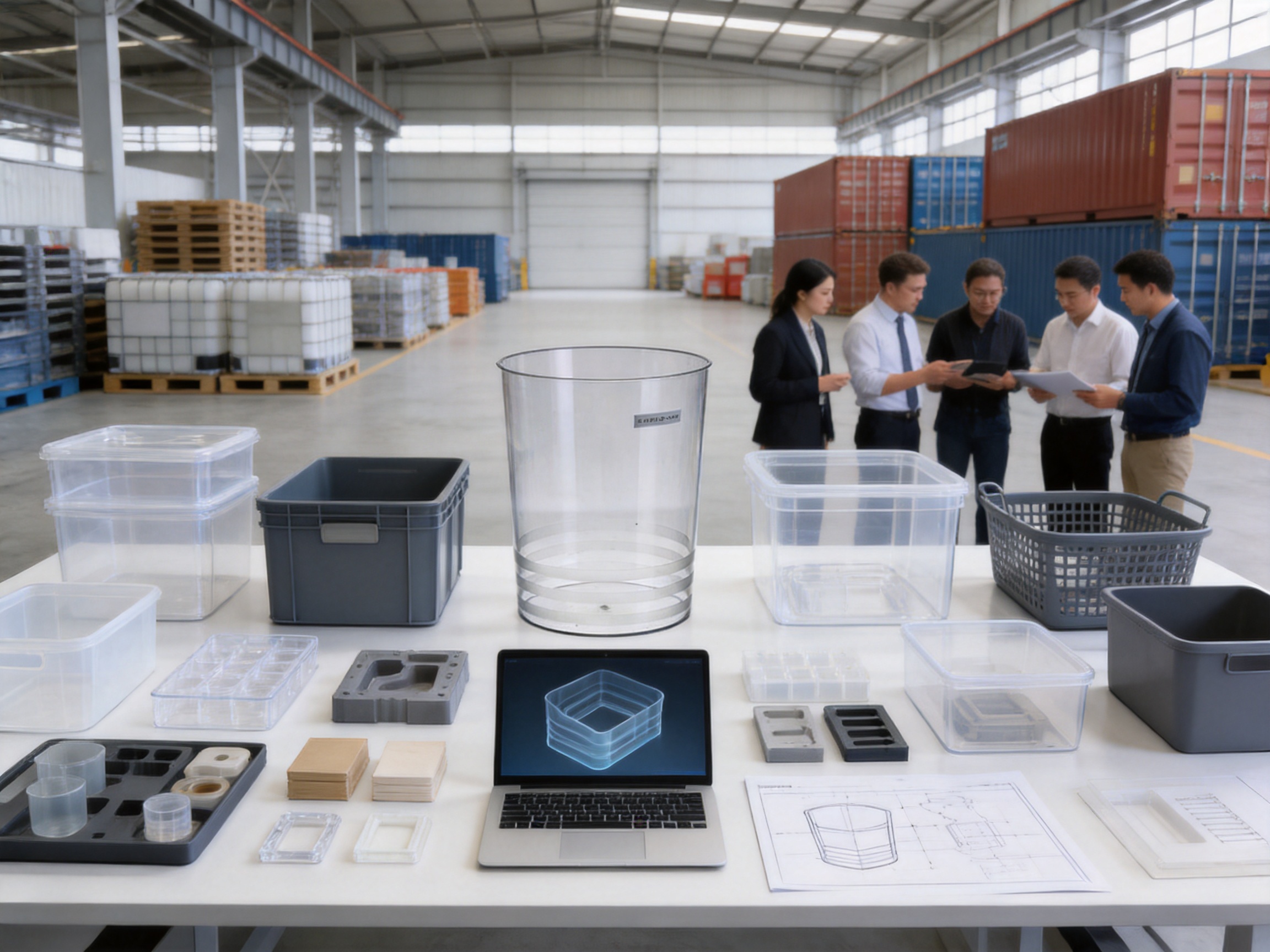
In the modern plastics industry, mold quality directly influences production efficiency, product appearance, dimensional accuracy, service life, and total manufacturing cost. For manufacturers of storage products, household containers, industrial packaging, and daily-use plastic goods, selecting the right PET mold is an important decision that affects every stage of production. A well-engineered mold can help reduce cycle interruptions, maintain consistent wall thickness, improve surface quality, and support reliable mass production. By contrast, an unsuitable or poorly manufactured mold may lead to flash, deformation, uneven filling, premature wear, and high maintenance expenses.
The CHENGHUI PET Mold 003 is developed for customers seeking a dependable tooling solution for PET storage products and related plastic applications. It is supported by the manufacturing capabilities of Zhejiang Chenghui Mould Co., Ltd., a professional mold manufacturer with more than 30 years of experience in injection mold design and production. The company specializes in molds for household products, industrial and logistics products, storage items, furniture components, containers, and other daily necessities.
This product is more than a metal tool used to form plastic. It represents an integrated manufacturing solution that combines product analysis, mold design, precision machining, component assembly, trial molding, inspection, and technical support. The objective is to provide a mold that is stable during production, compatible with customer requirements, and prepared for long-term commercial use.
With an in-house production workshop, 104 advanced processing machines, professional injection molding equipment for mold testing, and an annual production capacity exceeding 1,500 mold sets, Chenghui Mould is positioned to support both standard production requirements and customized OEM and ODM projects. Its export experience across the Middle East, Europe, America, Africa, Southeast Asia, and other regions also gives the company a broad understanding of international quality expectations and purchasing requirements.
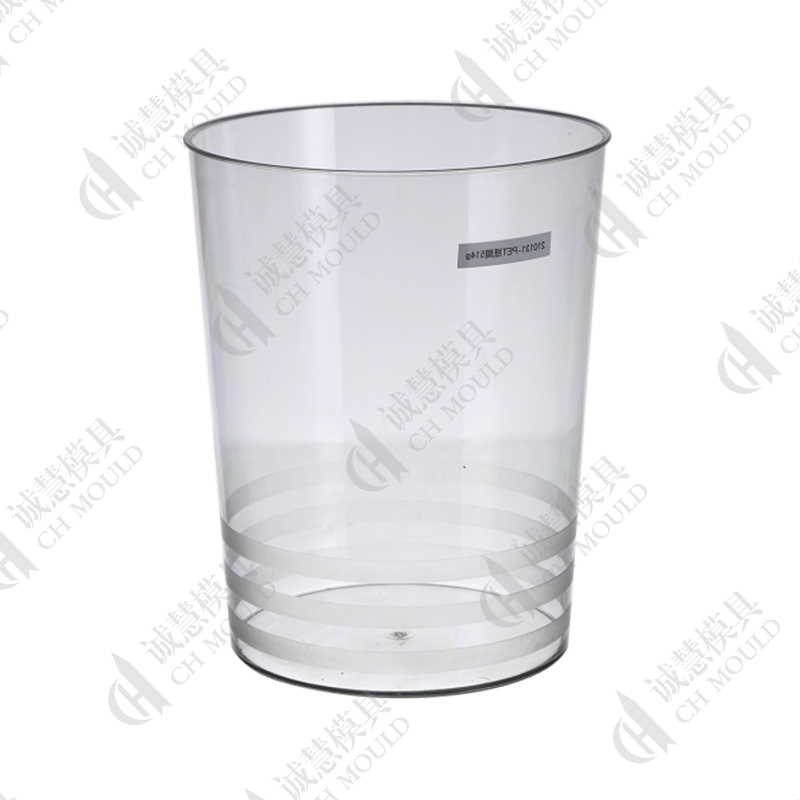
CHENGHUI PET Mold 003
1. Product Overview
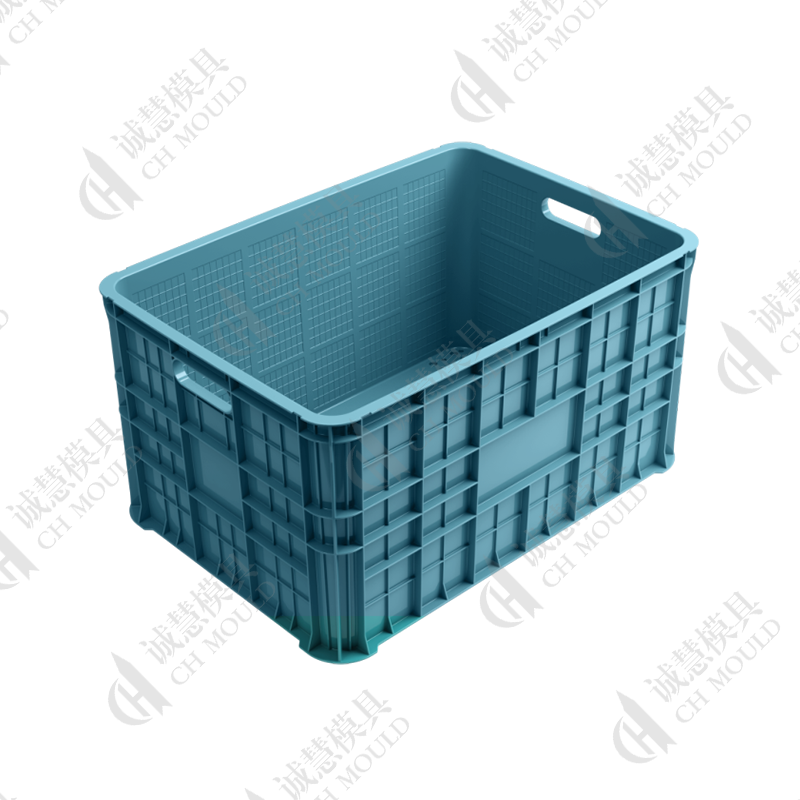
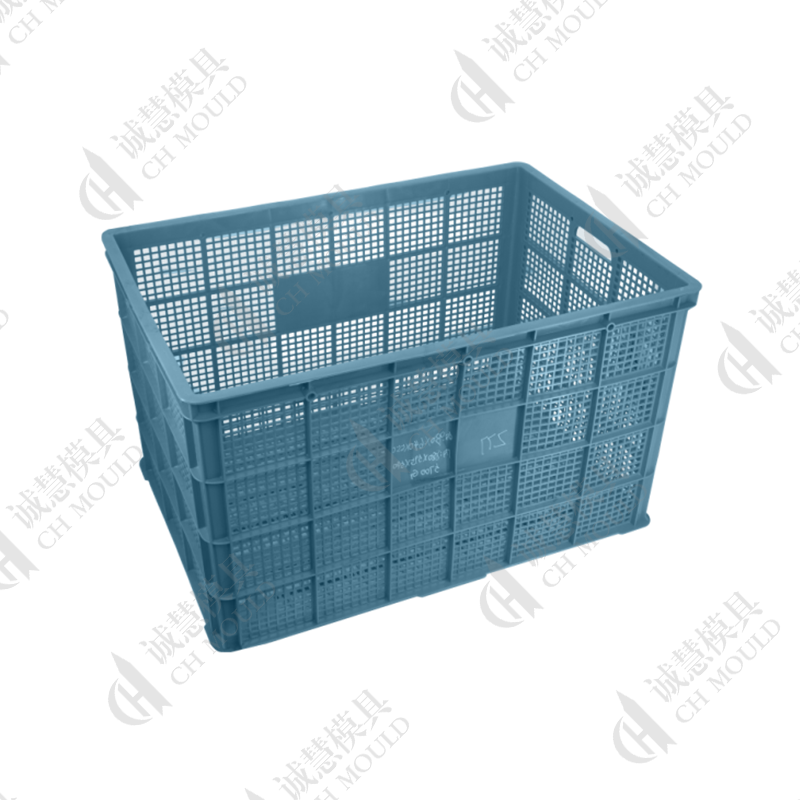
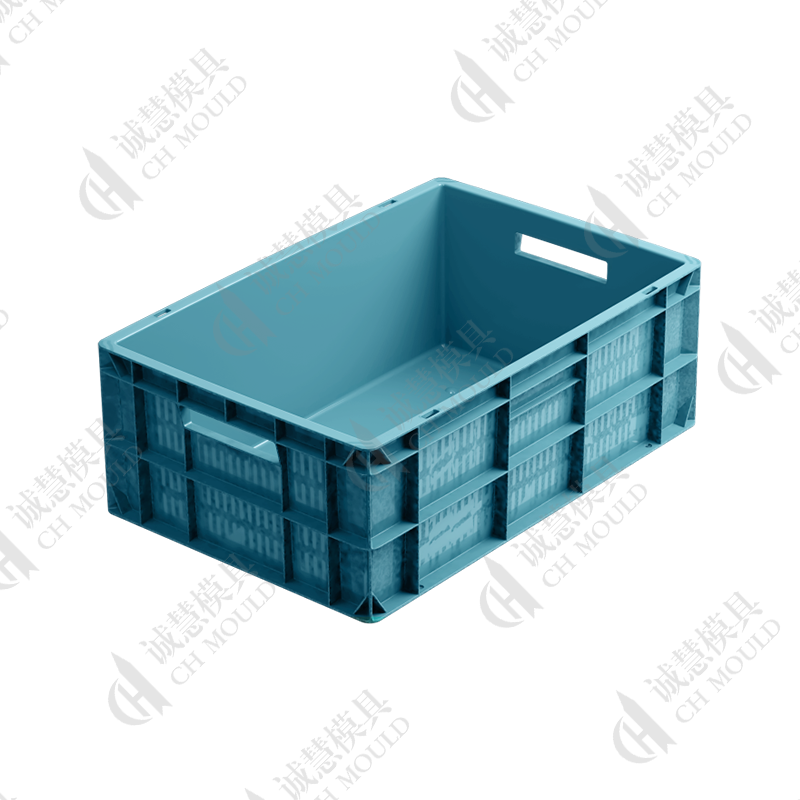
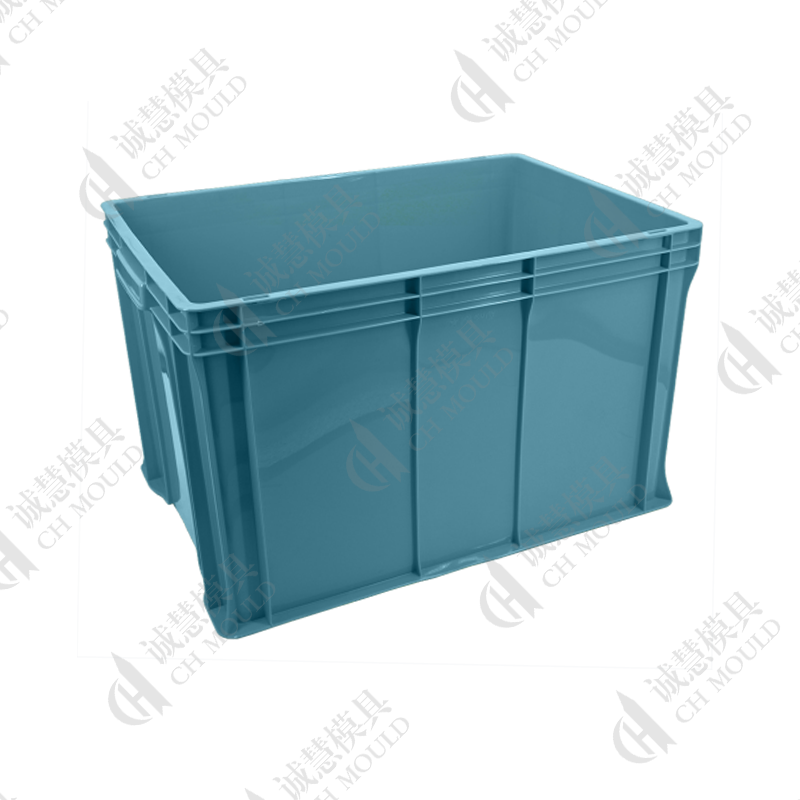
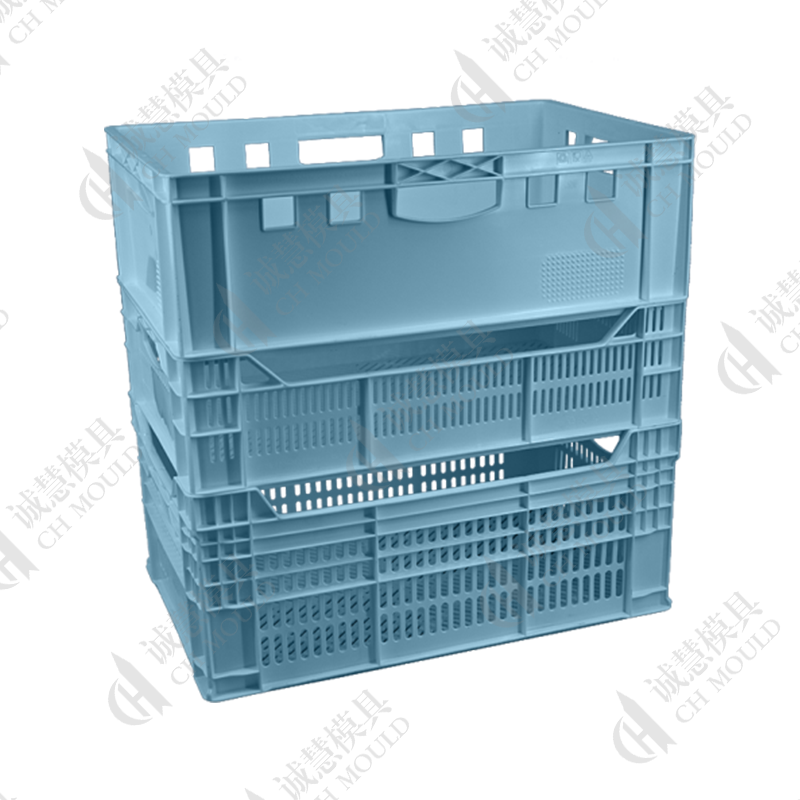
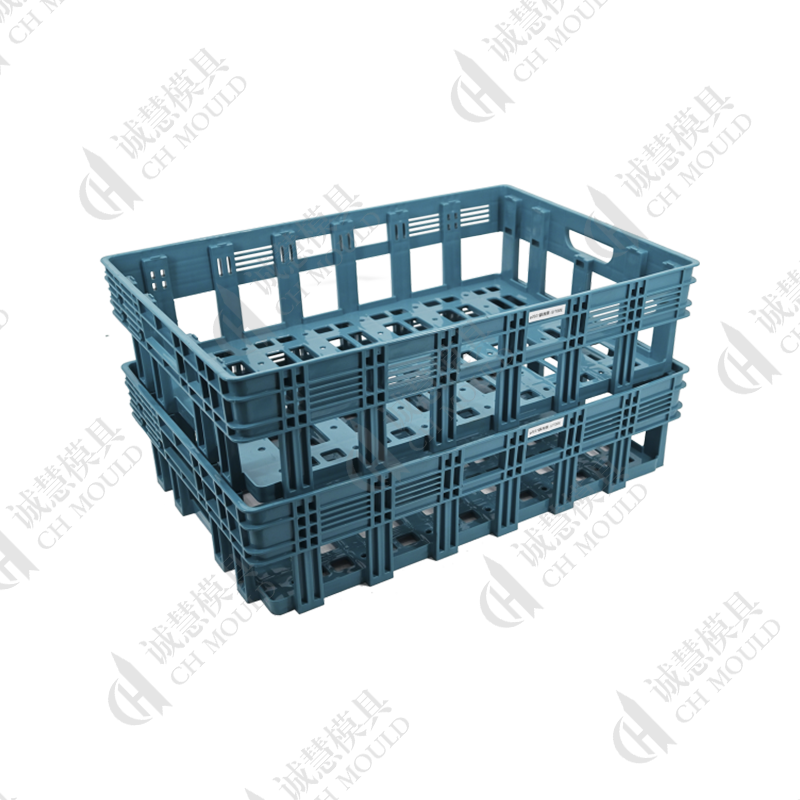
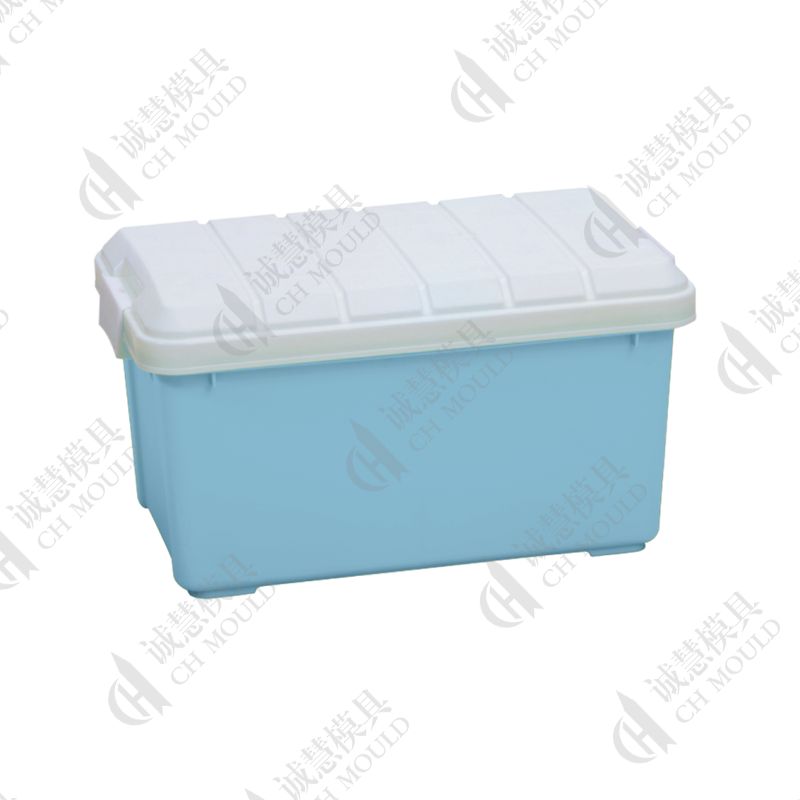
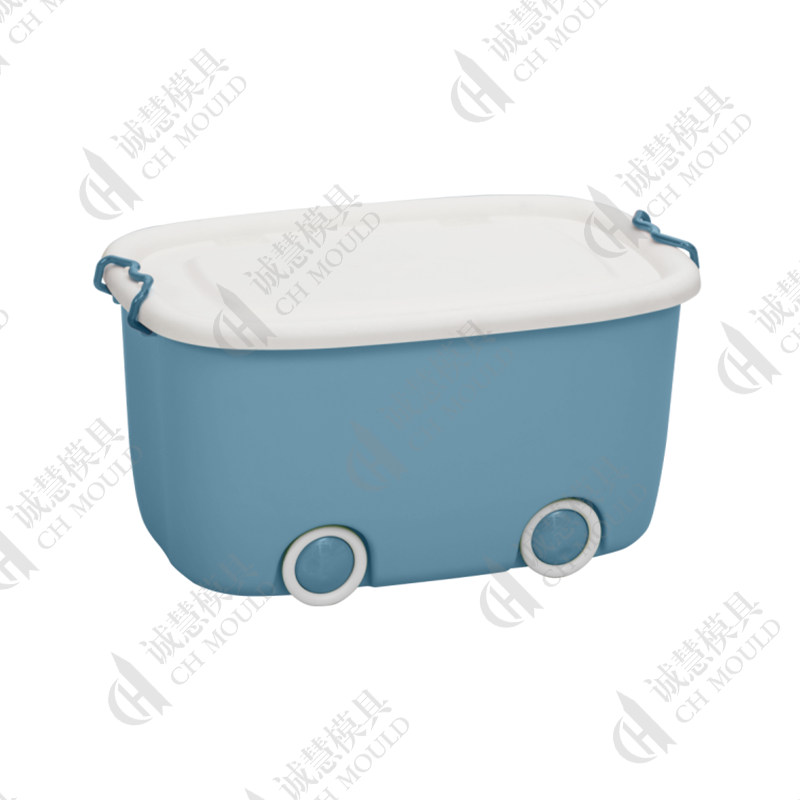
The CHENGHUI PET Mold 003 is a custom-manufactured PET mold designed for the production of high-quality plastic products. Depending on the final project, the mold can be developed for storage containers, household products, packaging-related components, industrial utility items, or other products requiring precise plastic forming. Its design and construction are adapted according to the customer’s product drawings, samples, resin requirements, machine parameters, expected output, and production environment.
PET is valued in many plastic applications because it can offer a useful combination of strength, clarity, chemical resistance, dimensional stability, and recyclability. However, producing reliable PET products requires careful control of mold geometry, cooling, material flow, ejection, surface finish, and processing conditions. The mold must be designed around the behavior of the selected material and the intended application of the finished product.
For this reason, the mold should not be treated as a generic item. Each project requires engineering decisions related to parting lines, gate location, runner design, cavity arrangement, cooling channels, draft angles, ejection structure, mold steel, tolerance requirements, and maintenance access. Chenghui Mould provides customized design and manufacturing support so these details can be evaluated before the mold enters production.
The product development process may include concept review, product drawing analysis, three-dimensional mold design, manufacturing simulation, steel preparation, CNC machining, precision finishing, component fitting, assembly, mold trials, sample inspection, adjustment, and final delivery. This structured workflow helps reduce production risk and allows problems to be identified at an early stage.
Typical Applications
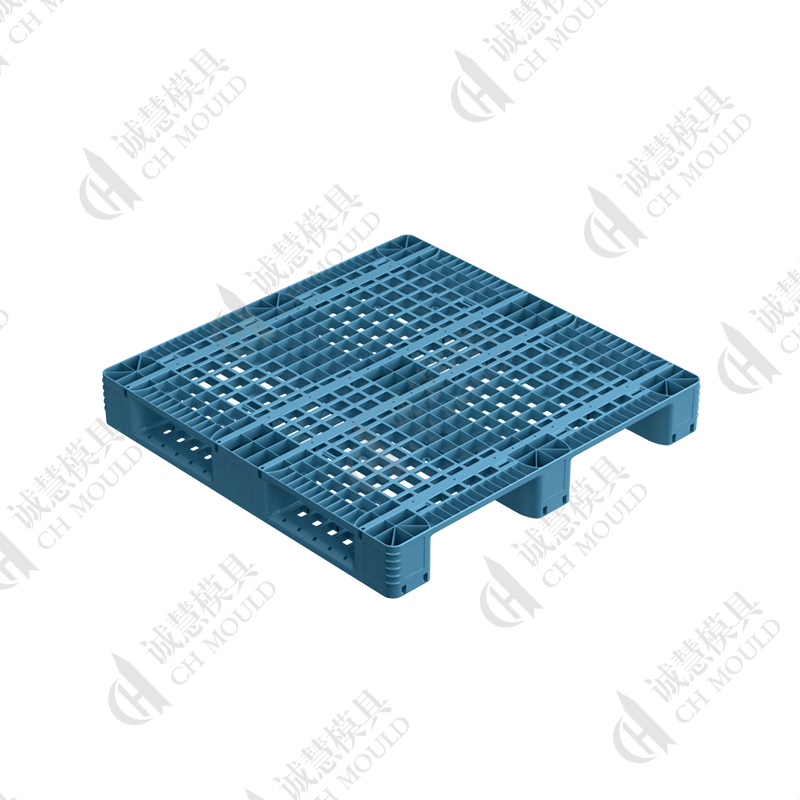
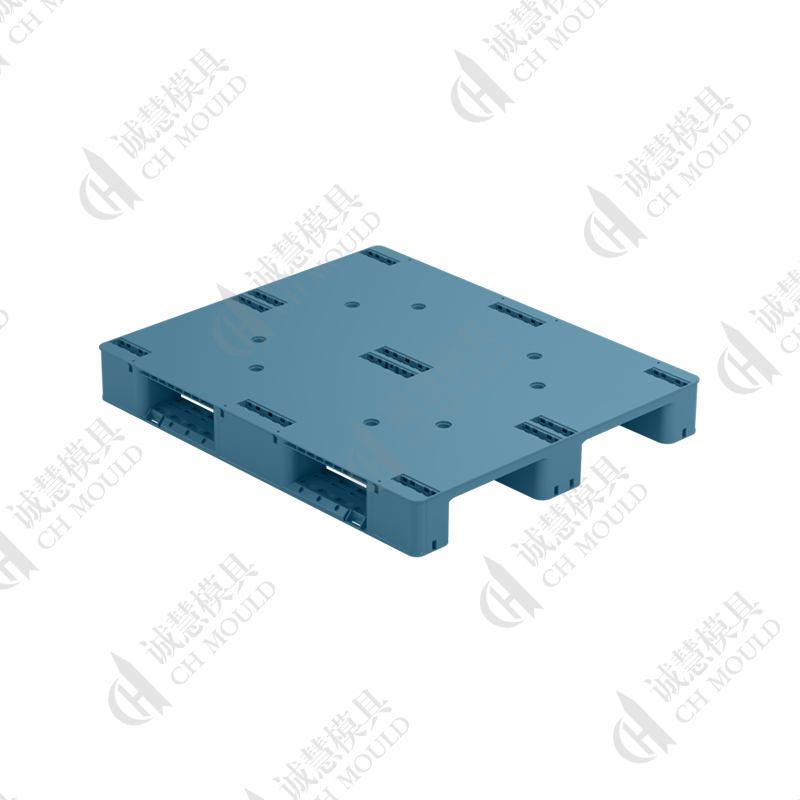
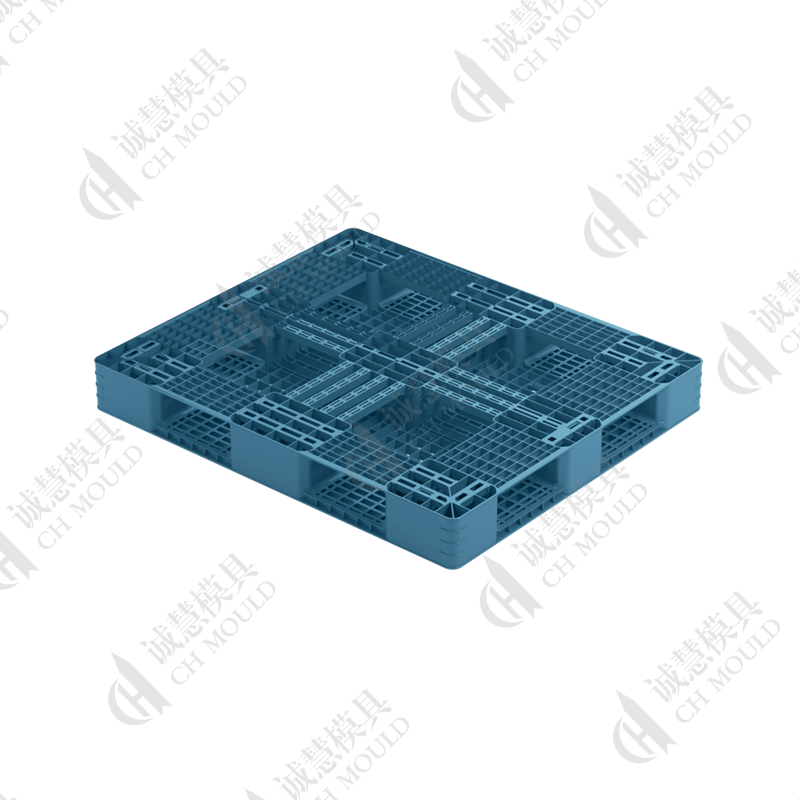
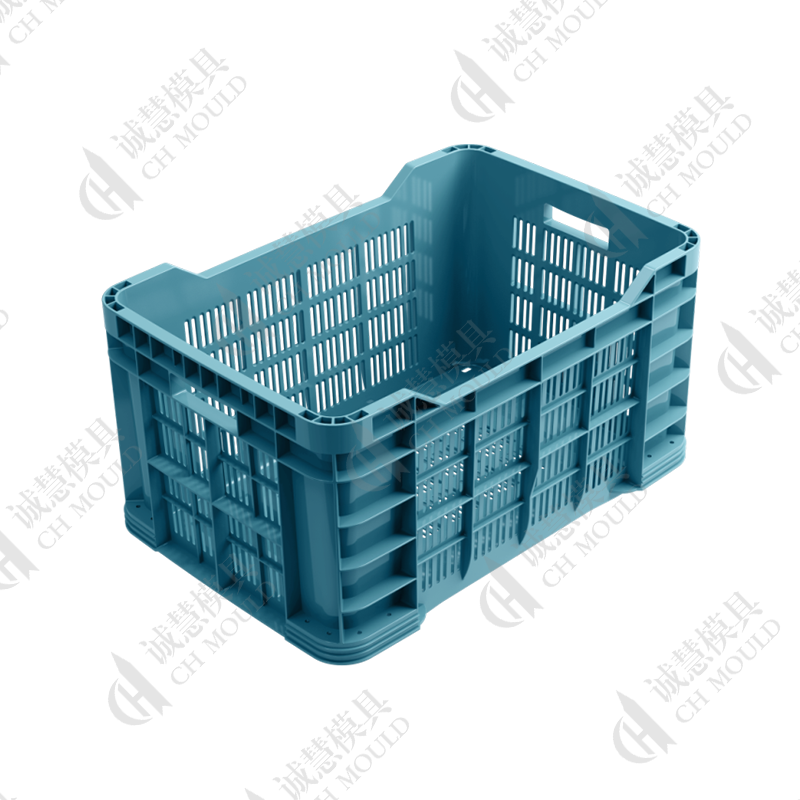
The PET Mold 003 may be suitable for a wide range of plastic products, subject to technical confirmation and final design requirements. Potential applications include PET storage containers, household storage products, utility boxes, small bins, packaging components, daily-use containers, and industrial plastic products. The mold can also be considered for customized products developed under private-label, OEM, or ODM programs.
For wholesalers and distributors, the ability to customize mold geometry is particularly valuable. A distributor may need a specific capacity, shape, color, logo area, stacking feature, handle structure, or packaging format. A customized mold allows the product to be developed around the market’s requirements instead of forcing the customer to accept a standard design that may not match the intended sales channel.
For manufacturers, the mold can be developed around the available injection molding machine and the desired production output. Cavity quantity, mold dimensions, opening stroke, ejection method, and cooling requirements can all be considered during the engineering stage. This approach supports better compatibility between the tooling and the customer’s production equipment.
2. Main Advantages of the PET Mold
Consistent Product Quality
One of the most important advantages of a professionally manufactured mold is the ability to maintain consistent product quality over repeated production cycles. A precise cavity and core structure helps ensure that every molded item follows the intended dimensions and surface profile. This is essential for products that must stack, fit together, close securely, or work with other components.
Consistent tooling also helps reduce variation between production batches. When a mold is carefully machined and properly tested, the customer can establish more stable processing conditions. This makes it easier to control product weight, appearance, dimensions, and assembly performance. In commercial production, stable quality can reduce rejection rates and improve customer satisfaction.
Accurate Dimensions and Reliable Fit
Storage products and household containers often require accurate dimensional relationships. A lid must fit its container, a stacking feature must align correctly, and a handle must remain strong and comfortable during use. Even a small dimensional error can create difficulties during assembly or result in a product that does not perform as expected.
The PET Mold 003 is produced through a precision-oriented manufacturing process. Design data is translated into machining operations using advanced processing equipment, followed by fitting, assembly, trial molding, and inspection. This combination of digital design and physical verification helps improve the accuracy of the finished tooling.
Improved Surface Appearance
Product appearance has a direct influence on sales, especially in consumer-facing markets. Smooth surfaces, clear edges, attractive textures, and consistent details help create a more professional product image. A mold must reproduce these characteristics accurately throughout its service life.
Chenghui Mould can coordinate surface treatment and finishing requirements according to the intended product appearance. Depending on the project, customers may request polished surfaces, matte finishes, textured areas, logo zones, functional ribs, or decorative details. Proper control of machining and finishing helps ensure that the cavity surface supports the desired result.
Support for Efficient Mass Production
A mold designed for mass production must do more than create an acceptable sample. It must operate repeatedly with predictable performance. Cooling efficiency, ejection reliability, wear resistance, alignment accuracy, and maintenance access all influence the mold’s practical value during long production runs.
The PET Mold 003 is developed with production efficiency in mind. Mold structure, cavity arrangement, gating, cooling, and ejection can be evaluated according to the customer’s output goals. The result is a tool intended to help manufacturers achieve stable production rather than simply complete an initial sample.
Reduced Long-Term Production Risk
Purchasing a mold from an experienced manufacturer can reduce the risks associated with design errors, incompatible components, insufficient cooling, poor steel selection, and inadequate testing. These problems can be expensive to correct after the mold has been shipped or installed at the customer’s facility.
Chenghui Mould’s complete workflow allows engineering questions to be addressed before final manufacturing. Customers can communicate product drawings, sample requirements, resin information, production targets, and machine details during the project evaluation stage. Early technical communication provides a better foundation for a successful mold.
Adaptability for OEM and ODM Projects
Many customers do not need an off-the-shelf mold. They require tooling developed for a unique product, brand program, sales channel, or regional market. OEM and ODM support allows the mold to be adapted to the customer’s product concept and commercial objectives.
Customization may involve product dimensions, capacity, wall structure, closure system, stacking features, reinforcement ribs, label areas, logo placement, texture, color separation, or packaging requirements. The final solution is determined through technical review, but the manufacturing approach is designed to accommodate this type of product development.
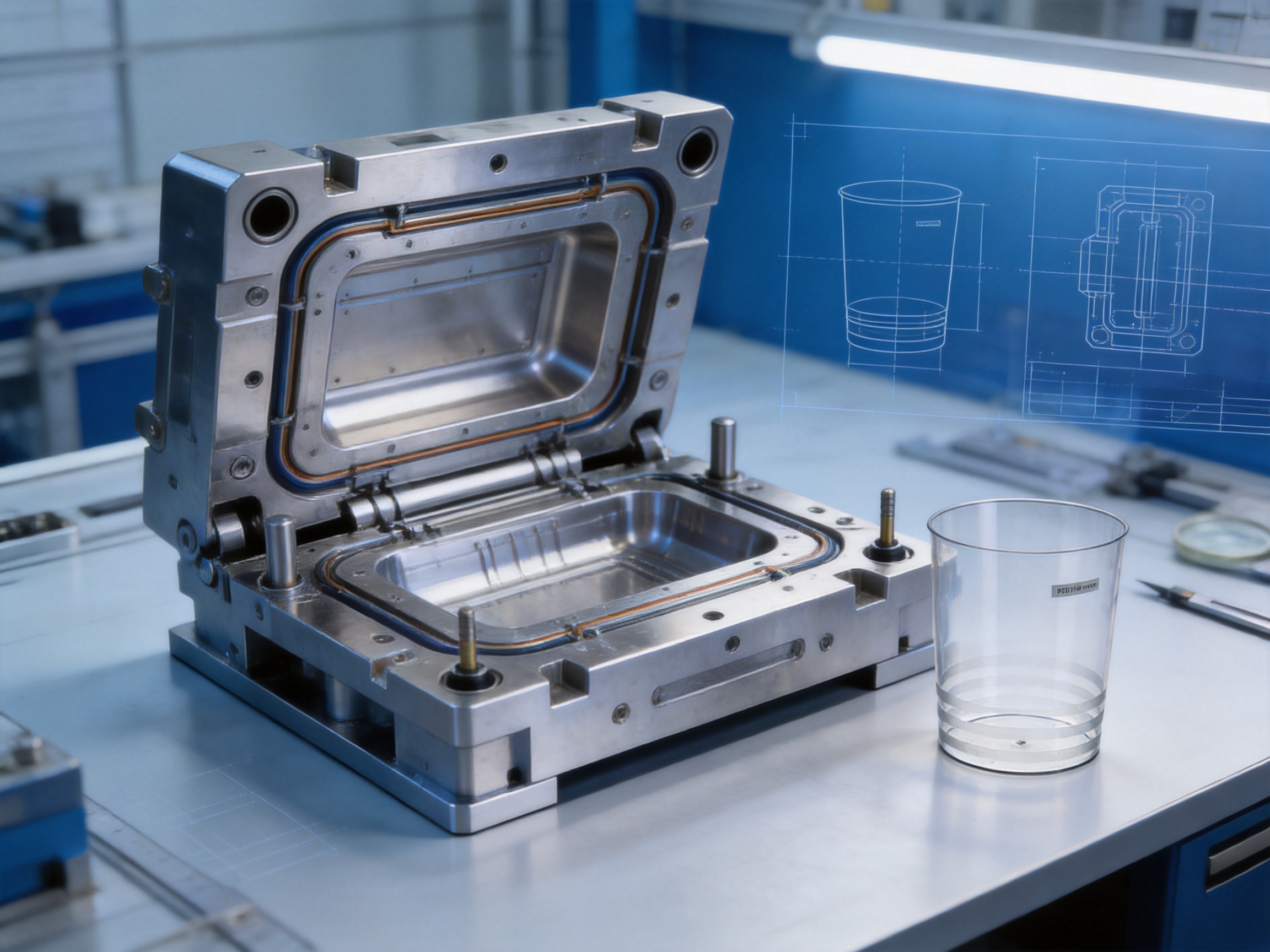
3. Manufacturing Strength of the Supplier
More Than Three Decades of Experience
Zhejiang Chenghui Mould Co., Ltd. was founded in 1994 and has accumulated more than 30 years of experience in injection mold design and manufacturing. This history provides practical knowledge of product development, mold construction, machining, assembly, testing, and after-sales service.
Long-term experience is particularly important for molds used in household and industrial products. These products may appear simple, but their molds often include complex details such as thin walls, deep cavities, reinforced corners, locking structures, handles, hinges, stacking features, and textured surfaces. Experienced engineers are better prepared to identify potential defects and recommend suitable design changes before manufacturing begins.
In-House Production Workshop
Chenghui Mould operates its own production workshop, allowing the company to maintain greater control over manufacturing progress and quality. In-house production can improve communication between engineering, machining, assembly, and inspection teams. It also supports more direct responses when a customer requires a design adjustment or production update.
Controlling the main manufacturing stages internally helps reduce dependence on unrelated outside suppliers. It can also make project coordination more efficient because technical information remains within a unified production system. For overseas customers, this type of organizational structure provides clearer communication and better visibility into the tooling process.
Advanced Processing Equipment
The company operates 104 advanced processing machines for mold manufacturing. This equipment supports multiple stages of production, including material preparation, rough machining, precision machining, drilling, surface treatment, component processing, and finishing operations.
Modern processing equipment is valuable because mold components require accuracy, repeatability, and controlled surface quality. CNC machining can produce complex cavity and core geometry, while specialized equipment supports holes, inserts, slides, lifters, cooling channels, and other structures. The combination of equipment and skilled operators helps convert digital design data into functional tooling.
Professional Mold Trial Capability
Mold testing is an essential stage of production. A mold may appear correct in a design file but still require adjustment after actual plastic is injected. Trial molding reveals how the product fills, cools, shrinks, ejects, and appears after molding.
Chenghui Mould has professional injection molding machines for mold testing. This allows the company to evaluate the mold before shipment and identify potential issues such as incomplete filling, excessive flash, uneven cooling, difficult ejection, weld marks, sink marks, deformation, or dimensional variation.
Trial molding also provides an opportunity to confirm whether the selected gate and runner arrangement is appropriate for the product. If necessary, engineering and production personnel can adjust the mold, polish specific areas, correct alignment, improve venting, or refine the ejection system before final approval.
Annual Capacity of More Than 1,500 Mold Sets
Chenghui Mould has an annual production capacity of more than 1,500 mold sets. This capacity demonstrates the company’s ability to manage multiple projects while supporting customers with different product categories and delivery schedules.
Capacity alone does not guarantee quality, but when combined with standardized processes and experienced personnel, it provides useful production flexibility. Customers can work with a supplier that has experience handling both individual custom projects and larger tooling programs.
4. Advanced Mold Design Process
Product Requirement Analysis
The process begins with an understanding of the customer’s product and production objectives. Engineers may review product drawings, three-dimensional files, physical samples, product weight, material type, expected annual output, available injection molding machine, cycle-time expectations, and quality standards.
This stage is important because mold design must reflect the way the finished product will be used. A storage container intended for stacking may require reinforced corners and stable contact points. A household product may require a comfortable grip and smooth surface. An industrial product may need enhanced impact resistance or compatibility with automated handling systems.
Design for Manufacturability
Design for manufacturability helps ensure that a product can be molded efficiently and consistently. Engineers evaluate wall thickness, draft angles, ribs, bosses, undercuts, transitions, and sharp corners. If a product design could create filling problems, deformation, stress concentration, or difficult ejection, the issue can be discussed with the customer before mold construction.
Product modifications at the design stage are usually more efficient than corrections after machining has begun. A practical mold supplier does not simply copy a drawing; it considers how the design will behave during injection, cooling, ejection, assembly, and repeated production.
Parting Line Planning
The parting line determines how the mold separates after molding. Its position affects product appearance, flash risk, ejection, tooling complexity, and the visibility of the mold line on the final part. A carefully planned parting line can simplify mold construction and improve the appearance of the molded product.
For storage products and household components, parting line placement must be considered alongside handles, rims, corners, stacking surfaces, and decorative details. The goal is to achieve reliable mold opening while minimizing undesirable marks or difficult transitions.
Gate and Runner Design
The gate and runner system controls how molten plastic enters the cavity. Its design influences filling balance, weld line position, pressure distribution, cycle time, gate marks, and product appearance. A suitable arrangement must be selected according to the product shape, material characteristics, cavity layout, and production objectives.
For multi-cavity molds, balanced filling is especially important. If one cavity fills earlier or receives different pressure from another cavity, product weight and dimensions may vary. Proper runner design helps improve consistency across all cavities.
Cooling System Planning
Cooling is one of the most important factors affecting cycle time and product stability. Uneven cooling can cause warpage, shrinkage differences, dimensional variation, and surface defects. A well-planned cooling system helps remove heat from the mold more evenly and supports repeatable production.
Cooling channels must be positioned according to the cavity geometry, wall thickness, core structure, and areas that retain heat. Deep or thick sections may require special attention because they can cool more slowly than thin areas. During mold design and trial production, cooling performance can be reviewed and adjusted where necessary.
Ejection System Engineering
The ejection system must remove the molded product without causing deformation, white marks, scratches, or stress. Ejector pins, sleeves, lifters, stripper plates, or other mechanisms may be selected according to the product’s structure and material behavior.
Products with deep cavities, thin walls, handles, ribs, or undercuts require careful ejection planning. The ejection force should be distributed appropriately, and the system should be accessible for maintenance. Reliable ejection improves both production efficiency and finished product quality.
5. Precision Manufacturing and Quality Control
Material Preparation
Mold steel selection influences service life, wear resistance, polishability, corrosion resistance, and maintenance requirements. The appropriate steel grade depends on production volume, plastic material, surface finish, product structure, and customer expectations.
Before machining, steel and major components must be prepared according to the approved design. Proper material control helps ensure that the mold structure is suitable for the intended production environment.
CNC and Precision Machining
CNC machining is used to produce the main cavity, core, inserts, mold plates, and other precision components. Accurate machining reduces the amount of manual correction required during fitting and supports consistent product dimensions.
Complex surfaces may require multiple machining stages, including roughing, semi-finishing, and finishing. Each stage removes material progressively while maintaining control over the final geometry. Machining parameters are selected according to the material, feature size, surface requirements, and desired accuracy.
Component Fitting and Assembly
After machining, the mold components are fitted and assembled. This stage requires attention to alignment, clearances, movement, sealing surfaces, ejector operation, insert positioning, and the interaction between moving parts.
A mold may contain many individual components, and each must work together as part of a complete system. Poor fitting can result in flash, uneven wear, difficult opening, abnormal noise, or premature failure. Skilled assembly personnel help ensure that the mold operates smoothly before trial production.
Surface Finishing
Surface finishing determines how accurately the mold reproduces the intended product texture and appearance. Depending on customer requirements, the surface may be polished, textured, etched, or finished to a controlled matte appearance.
Consistent finishing is important for products with visible surfaces. Variations in polishing or texture can create differences between cavities or between different areas of the same product. Chenghui Mould’s quality-oriented process is intended to maintain reliable surface results across the tooling.
Inspection and Trial Molding
Inspection is performed throughout the project rather than only at the end. Component dimensions, assembly accuracy, movement, cooling connections, ejection, and product samples can all be reviewed during different stages.
Trial molding provides practical confirmation of the mold’s performance. Product samples are evaluated for dimensions, weight, appearance, filling, flash, ejection, and other customer-defined criteria. If adjustments are needed, they can be completed before final delivery.
6. Competitive Advantages Compared with Ordinary Mold Suppliers
Integrated Engineering and Manufacturing
Some mold suppliers focus mainly on machining and may not provide strong product-development support. Chenghui Mould combines product analysis, mold design, manufacturing, trial molding, inspection, and after-sales service within one coordinated process.
This integrated approach can reduce communication gaps. Customers do not need to explain the same technical requirements repeatedly to separate design, machining, and testing companies. A unified team can track the project from concept to production preparation.
Experience in Daily-Use Products
Chenghui Mould has extensive experience with daily necessities, including storage products, tables, chairs, furniture, turnover boxes, laundry baskets, buckets, storage racks, trash cans, and related household and industrial products.
This product knowledge is useful because daily-use products often combine appearance requirements with practical functions. A mold for a storage box, for example, may need to support stacking, easy handling, cleaning, impact resistance, and attractive presentation. Experience with similar product categories can help engineers identify common design and production challenges.
Production-Oriented Mold Development
An ordinary supplier may prioritize the completion of a mold without paying enough attention to the customer’s long-term production conditions. Chenghui Mould focuses on molds that are accurate, reliable, and ready for mass production.
This means considering cycle stability, maintenance access, cooling performance, ejection, mold strength, wear areas, and the customer’s expected output. Such considerations can improve the practical value of the mold over its entire service life.
International Export Experience
Chenghui Mould serves customers in the Middle East, Europe, America, Africa, Southeast Asia, and other markets. International project experience requires attention to communication, documentation, shipping preparation, technical expectations, and customer service.
For overseas buyers, an experienced export supplier can make the purchasing process more organized. Clear technical confirmation, progress communication, sample approval, and after-sales support are important parts of a successful international tooling project.
Scalable Support for Different Customer Types
The company can support wholesalers, distributors, plastic product manufacturers, brand owners, and industrial buyers. A customer may require a single custom mold, a group of related molds, a replacement mold, or a long-term tooling program.
This flexibility is valuable for businesses that are entering a new product category. The supplier can support early design development and then continue with mold manufacturing and production preparation as the project grows.
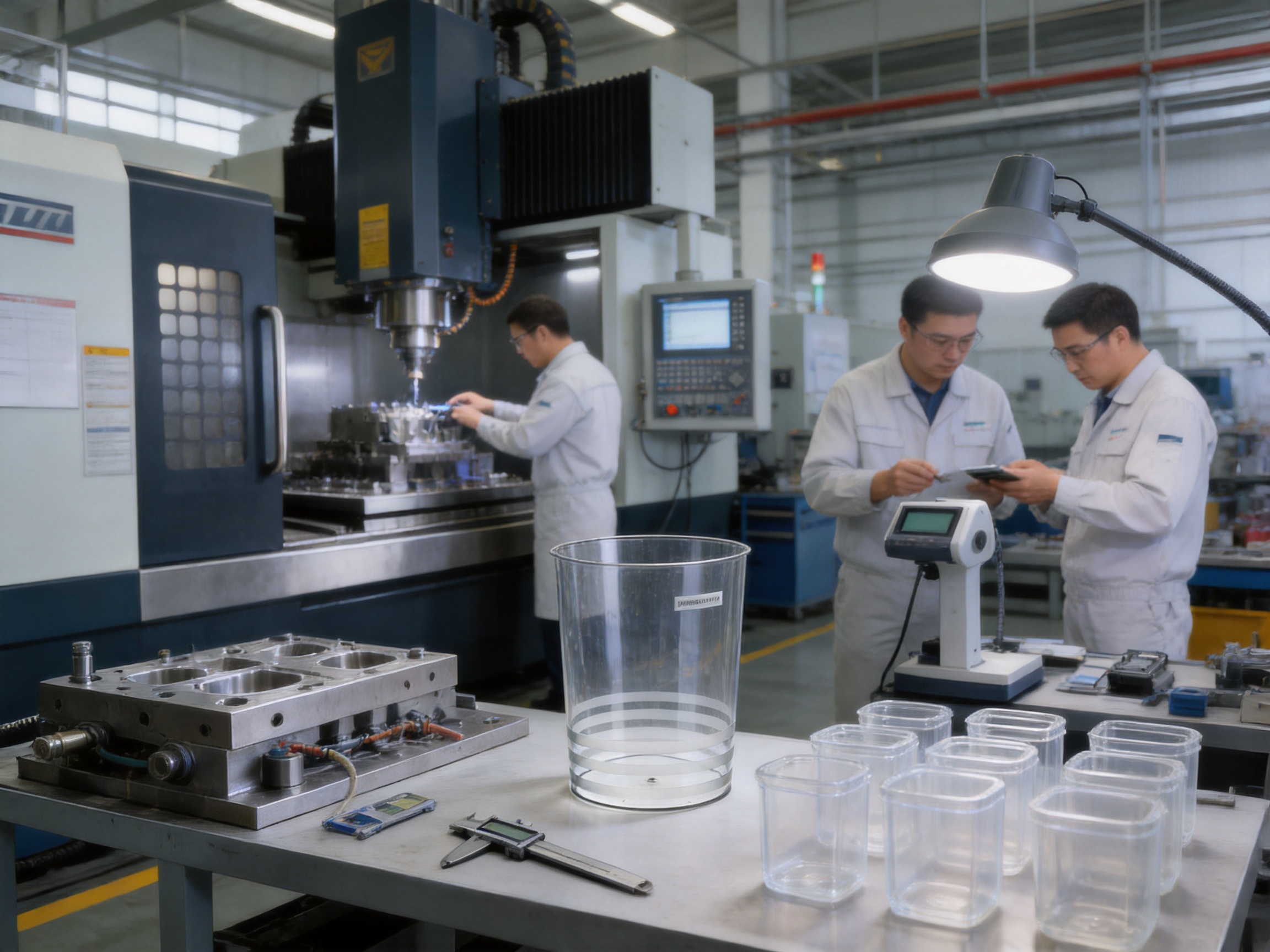
7. Advantages for Wholesalers and Distributors
Wholesalers and distributors often compete through product variety, delivery reliability, product quality, and market-specific designs. A custom PET mold gives them greater control over the product range and allows them to offer items that are not identical to every competitor’s catalog.
Customized storage products can be developed with different sizes, capacities, colors, surface textures, closure systems, and branding areas. This helps distributors create product families for different customer groups, such as retail stores, offices, warehouses, schools, hotels, restaurants, factories, and logistics companies.
A well-designed mold can also improve product consistency across large orders. Distributors depend on stable supply because inconsistent dimensions or visible defects can lead to complaints, returns, and lost business. Reliable tooling supports more predictable production and easier quality control.
For private-label programs, the mold may incorporate customer-specific details such as logo areas, identifying marks, unique handles, proprietary stacking structures, or customized proportions. These features can help create product differentiation and strengthen the customer’s market position.
8. Advantages for Plastic Product Manufacturers
Manufacturers benefit from tooling that matches their injection molding equipment and production strategy. During technical discussions, factors such as machine capacity, platen size, injection volume, mold opening distance, ejection method, and automation requirements can be reviewed.
Matching the mold to the machine helps reduce installation problems and supports more efficient production. It also helps the manufacturer select appropriate cavity numbers and cycle expectations. The right configuration can contribute to better utilization of equipment and lower production cost per unit.
Manufacturers can also benefit from easier maintenance. A mold designed with accessible wear components, practical cooling connections, replaceable inserts, and organized ejection parts may be easier to service during its production life. Reduced maintenance downtime helps protect delivery schedules.
Because Chenghui Mould performs mold trials before delivery, manufacturers can receive a tool that has already undergone a practical production evaluation. Although final processing conditions may differ between facilities, pre-shipment testing provides useful information and reduces the chance of discovering major issues only after installation.
9. Customization Process for the PET Mold 003
Step One: Submit Product Information
The customer provides product drawings, three-dimensional files, physical samples, photographs, or a preliminary concept. Information about product dimensions, weight, material, expected output, and application should also be included whenever available.
Step Two: Technical Evaluation
Chenghui Mould reviews the product structure and identifies potential challenges related to wall thickness, draft, undercuts, parting lines, gating, cooling, and ejection. The engineering team may suggest changes that improve moldability or production stability.
Step Three: Confirm the Mold Design
After technical discussion, the mold structure and key specifications are confirmed. This may include cavity quantity, mold dimensions, steel selection, surface treatment, runner system, ejection structure, cooling arrangement, and expected production conditions.
Step Four: Manufacture the Mold
Once the design is approved, the mold enters machining, component production, fitting, assembly, polishing, and finishing. Manufacturing progress can be coordinated through the company’s internal production system.
Step Five: Conduct Mold Trials
The mold is installed on a suitable injection molding machine for trial production. Samples are collected and evaluated for appearance, dimensions, filling behavior, ejection, and other project requirements.
Step Six: Make Adjustments and Approve Samples
If the trial reveals any issue, the mold can be adjusted and tested again. The process continues until the tool reaches the agreed technical and quality expectations. Customer sample approval can then be used as a reference for final delivery.
Step Seven: Delivery and After-Sales Support
After final inspection, the mold is prepared for shipment. Chenghui Mould provides after-sales support to help customers with installation, operation, maintenance, and technical questions. The exact support arrangement depends on the project and customer requirements.
10. Quality, Reliability, and Service Life
The service life of a mold depends on many factors, including steel, product material, production volume, cycle conditions, maintenance, cooling water quality, lubrication, and operating practices. A well-manufactured mold provides a strong foundation, but proper use and maintenance are also necessary for long-term performance.
Chenghui Mould emphasizes precision, integrity, and customer commitment. These principles are reflected in the effort to control mold accuracy, verify performance through trials, and provide support after delivery. Quality is not limited to the appearance of the finished tool; it also includes how reliably the mold performs in the customer’s factory.
For high-volume applications, preventive maintenance should be planned from the beginning. Regular cleaning, lubrication, inspection of wear components, cooling-channel maintenance, and checking of alignment can help prevent unexpected downtime. Chenghui Mould can provide project-specific guidance according to the mold structure and production conditions.
11. Why Choose a Specialized PET Mold Manufacturer?
A specialized mold manufacturer understands that tooling is a long-term production asset. The cost of a mold should be evaluated not only by its initial purchase price but also by its effect on production efficiency, rejection rate, maintenance, cycle time, product consistency, and future product development.
A lower-priced mold may become more expensive if it requires frequent repair, produces unstable samples, or cannot achieve the desired output. A professionally engineered mold may offer greater value by reducing production interruptions and supporting consistent commercial manufacturing.
Specialization also improves communication. Customers can discuss product structure, plastic behavior, packaging needs, production targets, and market expectations with a team that understands the relationship between the product and the tooling. This makes it easier to develop a solution that is technically practical and commercially appropriate.
Chenghui Mould’s long experience, advanced equipment, in-house workshop, professional trial machines, standardized processes, and global customer base make it a suitable partner for customers seeking customized plastic injection molds. The PET Mold 003 reflects this approach by combining product-specific engineering with production-focused manufacturing.
12. Recommended Applications and Project Considerations
Before ordering the PET Mold 003, customers should prepare as much technical information as possible. Important items include the product drawing, preferred material, product weight, annual demand, injection machine model, desired cavity quantity, surface finish, color, logo requirements, packaging method, and delivery expectations.
Customers should also identify the most important product characteristics. For a storage container, this may be dimensional accuracy, stacking strength, lid fit, clarity, or appearance. For an industrial product, it may be impact resistance, load-bearing performance, chemical resistance, or compatibility with automated handling.
Clarifying these priorities helps the mold manufacturer make appropriate decisions. Mold design is always a balance between product appearance, tooling cost, production speed, service life, and maintenance. Early communication allows the customer and supplier to establish the right balance for the intended market.
13. Product Comparison Table
| Evaluation Item | Basic Mold Solution | CHENGHUI PET Mold 003 Approach |
|---|---|---|
| Design support | Limited review of customer drawings | Product analysis, moldability review, and customized engineering support |
| Manufacturing control | May depend heavily on external processing suppliers | In-house workshop with coordinated machining, assembly, and inspection |
| Equipment capability | General-purpose processing equipment | 104 advanced processing machines and professional mold trial machines |
| Product verification | May rely mainly on dimensional inspection | Trial molding, sample evaluation, adjustment, and production verification |
| Application experience | General plastic tooling experience | More than 30 years of experience in household and industrial daily-use products |
| Customization | Standardized or limited modifications | OEM and ODM support for product structure, appearance, and production needs |
| Production capacity | Varies by supplier | Annual production capacity exceeding 1,500 mold sets |
| Market support | Primarily local or project-based service | Experience serving customers across multiple international regions |
| Long-term value | Initial price may be the main consideration | Focus on reliability, mass production, maintainability, and total tooling value |
14. Frequently Asked Questions
What products can be manufactured with the PET Mold 003?
The mold can be developed for PET storage products and other customized plastic products, depending on the final design. Potential applications include storage containers, household products, industrial utility items, packaging components, and other daily-use products. Product suitability should be confirmed through a technical review.
Can the mold be customized according to our drawings?
Yes. Chenghui Mould provides customized mold design and manufacturing services. Customers can submit product drawings, three-dimensional files, samples, or product concepts for evaluation. The mold structure can then be developed according to the product, material, machine, output, and quality requirements.
Does the company provide OEM and ODM services?
Yes. The company supports OEM and ODM mold projects. This may include product development assistance, structural review, mold design, prototype development, machining, assembly, mold trials, inspection, and after-sales service.
How does Chenghui Mould verify the mold before delivery?
The mold is assembled and tested using professional injection molding equipment. Trial samples are reviewed for appearance, filling, ejection, dimensions, and other project requirements. If adjustments are necessary, the mold can be modified and tested again before shipment.
Can the mold be designed for our existing injection molding machine?
Yes. Customers should provide the machine model or key machine specifications. Engineers can then consider mold dimensions, opening stroke, injection capacity, ejection method, cavity quantity, and other compatibility factors during the design stage.
What information should be provided for a quotation?
Useful information includes product drawings or samples, material type, product dimensions, product weight, annual demand, expected cavity number, surface finish, machine specifications, and delivery expectations. The more complete the information, the more accurate the technical evaluation and quotation can be.
Can the mold include a customized logo or brand area?
Logo areas, identification marks, textures, and other product details can be considered during product and mold design. The final solution depends on the product structure and the customer’s requirements.
What types of customers does Chenghui Mould serve?
The company serves plastic product manufacturers, wholesalers, distributors, brand owners, industrial buyers, and other customers requiring injection molds. Its products are exported to the Middle East, Europe, America, Africa, Southeast Asia, and other regions.
How many mold sets can the company produce each year?
Chenghui Mould has an annual production capacity of more than 1,500 mold sets. This capacity supports both individual custom projects and larger tooling programs.
What makes the company different from a low-cost mold supplier?
The main differences include long-term industry experience, an in-house production workshop, 104 advanced processing machines, professional mold trial equipment, experience with household and industrial products, structured quality control, and support from design through after-sales service. These capabilities are intended to improve reliability and long-term production value.
How can customers maintain the mold after delivery?
Customers should follow a regular maintenance program that includes cleaning, lubrication, inspection of moving components, checking of cooling channels, monitoring of wear parts, and correct storage when the mold is not in use. Specific maintenance recommendations should be based on the mold structure and production conditions.
15. Conclusion
The CHENGHUI PET Mold 003 is a practical tooling solution for customers seeking customized, reliable, and production-ready molds for PET storage products and related plastic applications. Its value comes from the combination of precision manufacturing, product-focused engineering, professional trial molding, and long-term supplier experience.
Compared with ordinary mold solutions, the product is supported by a complete manufacturing process that covers concept analysis, mold design, machining, assembly, surface finishing, testing, inspection, and after-sales support. The company’s own workshop, 104 advanced processing machines, professional injection molding equipment, and annual capacity of more than 1,500 mold sets provide a strong foundation for both individual projects and large-scale tooling programs.
With more than 30 years of experience, Zhejiang Chenghui Mould Co., Ltd. understands the practical requirements of household and industrial plastic products. Its experience with storage products, furniture components, turnover boxes, baskets, buckets, racks, containers, and other daily necessities helps it develop molds that address both appearance and function.
For manufacturers, the mold can support stable mass production, consistent dimensions, improved product appearance, and better control of long-term tooling costs. For wholesalers and distributors, it offers the opportunity to develop customized products for specific markets and private-label programs. For brand owners and industrial buyers, it provides a path from product concept to finished tooling through OEM and ODM support.
When selecting a PET mold supplier, customers should consider more than the initial quotation. Engineering capability, processing equipment, trial testing, communication, maintenance, service life, and production reliability all affect the total value of the tooling. Through its integrated capabilities and customer-focused manufacturing approach, Chenghui Mould aims to provide molds that are accurate, reliable, and ready for commercial production.
References
1. Zhejiang Chenghui Mould Co., Ltd. Company information and manufacturing capability profile.
2. Zhejiang Chenghui Mould Co., Ltd. Product information for the CHENGHUI PET Mold 003.
3. General principles of plastic injection mold design, including gating, cooling, ejection, parting lines, and mold maintenance.
4. General technical references on PET material behavior, injection molding processes, dimensional control, and product quality evaluation.
5. General manufacturing references on CNC machining, mold assembly, trial molding, surface finishing, and quality management.