
 Français
 Español
 عربى
Plastic storage racks have become essential products in homes, warehouses, retail stores, offices, workshops, and distribution centers. They organize goods, improve the use of vertical space, and provide a practical alternative to bulky cabinets or temporary cardboard packaging. Behind every reliable plastic storage rack is a carefully engineered injection mold capable of producing consistent dimensions, strong structural features, smooth surfaces, and dependable performance over many production cycles.
The quality of the mold directly influences the quality of the finished rack. A poorly designed mold may create uneven walls, weak corners, visible weld lines, difficult ejection, deformation, or inconsistent assembly. By contrast, a professionally developed mold supports stable mass production, lower rejection rates, improved production efficiency, and a more attractive final product.
Custom plastic storage rack molds are particularly valuable for wholesalers, distributors, retailers, and product brands that need a distinctive design rather than a standard catalog item. A custom mold can be adapted to a customer’s required dimensions, load-bearing expectations, color, stacking method, installation structure, surface finish, and manufacturing material. It can also be developed for different market positions, from economical household organizers to heavy-duty industrial storage systems.
Zhejiang Chenghui Mould Co., Ltd. provides custom plastic injection mold design and manufacturing for storage racks and many related products. With more than 30 years of experience, the company combines product development, precision machining, mold assembly, trial injection, inspection, and after-sales support within an integrated manufacturing process. Its experience includes daily necessities, furniture, storage boxes, turnover boxes, laundry baskets, buckets, trash cans, and other household and industrial products.
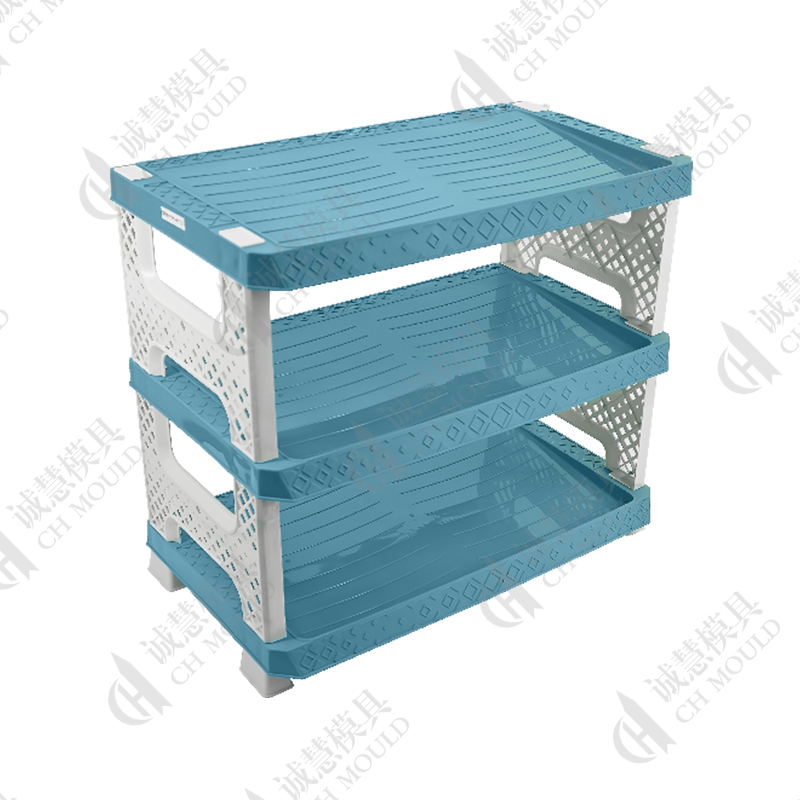
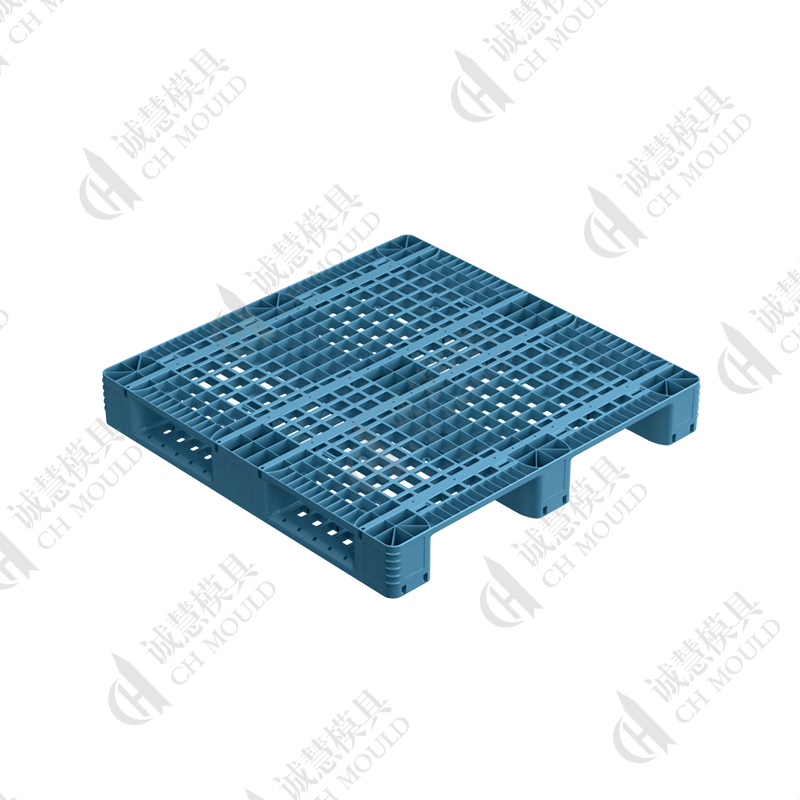
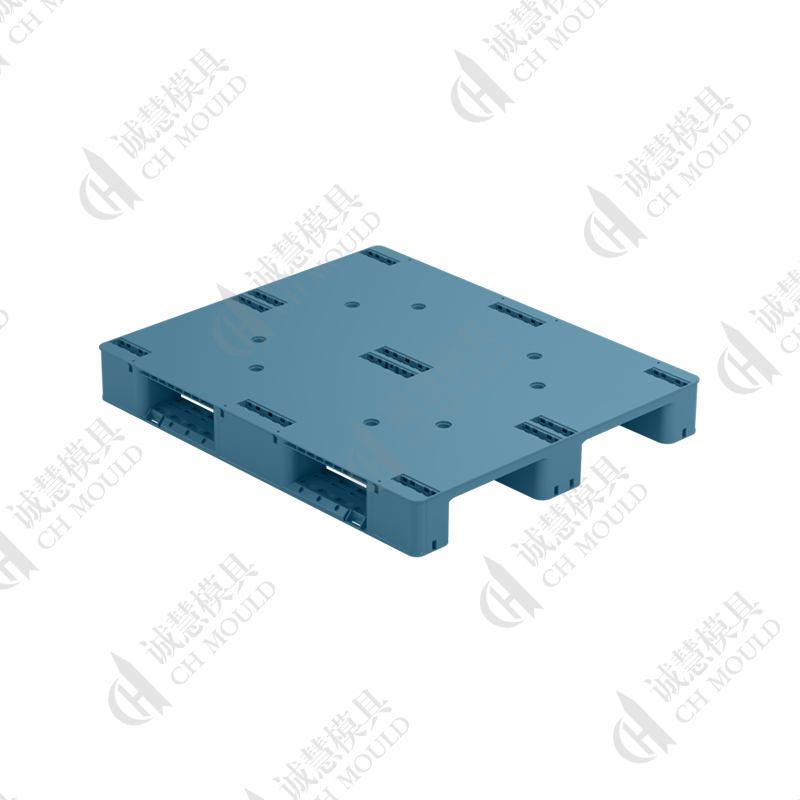
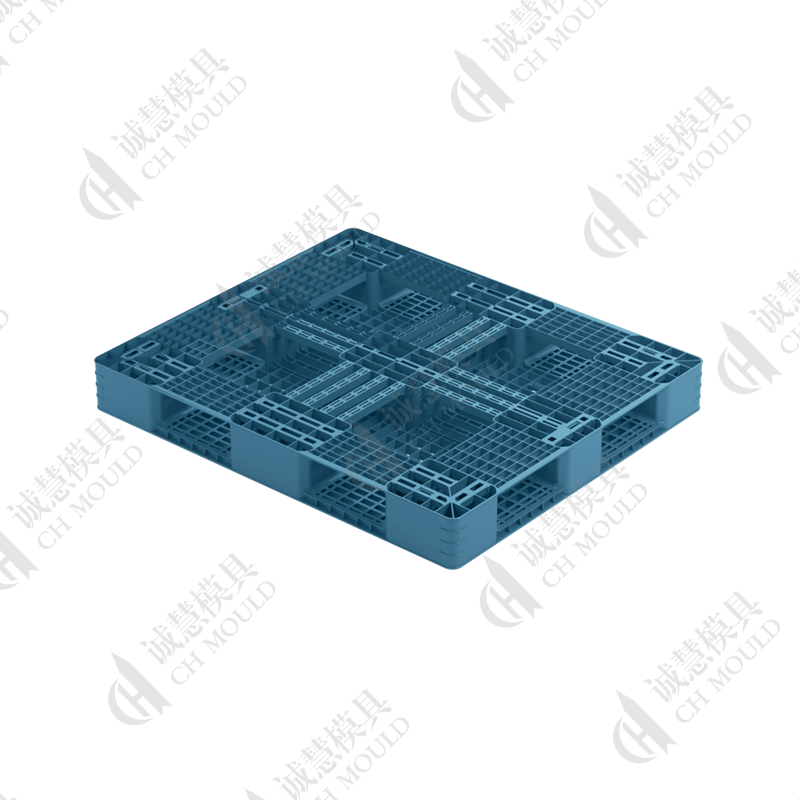
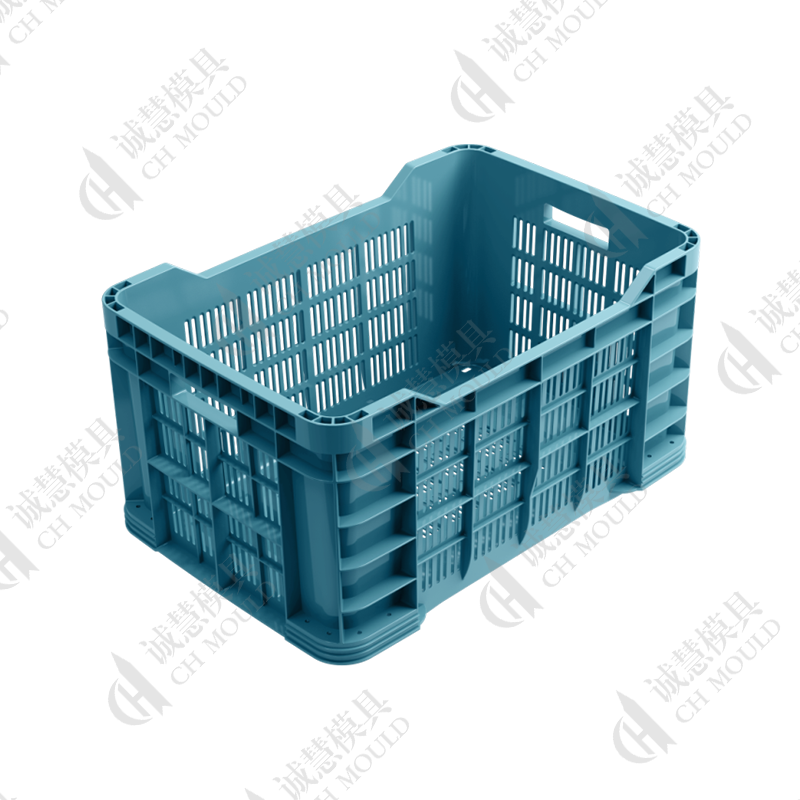
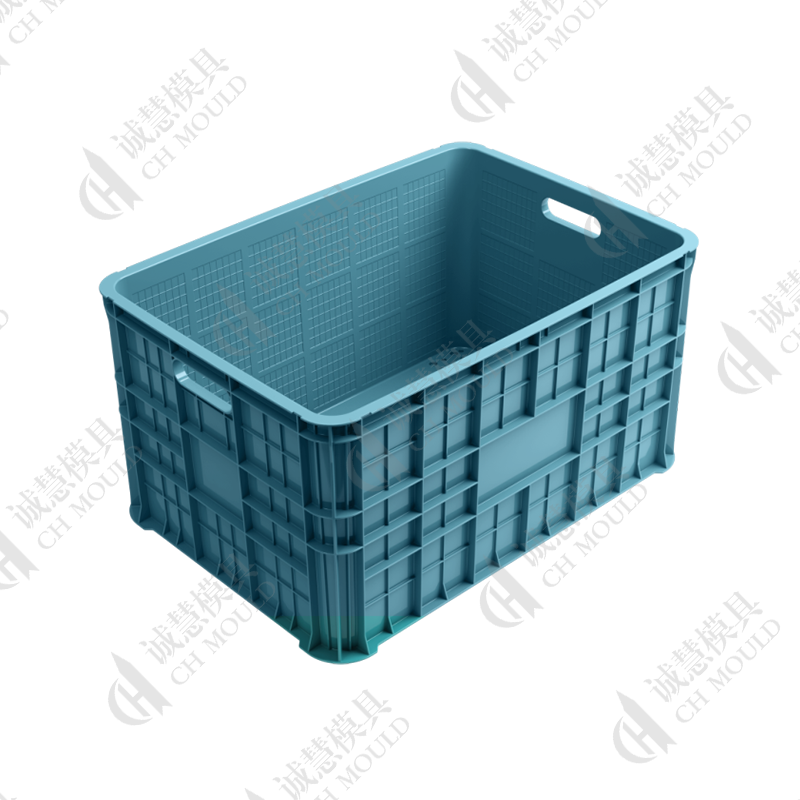
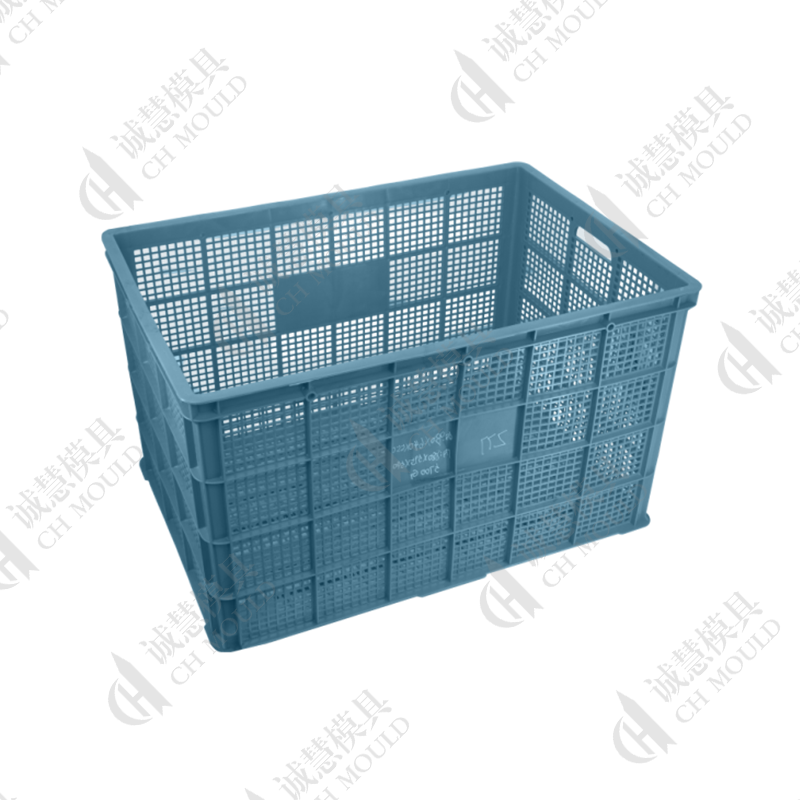
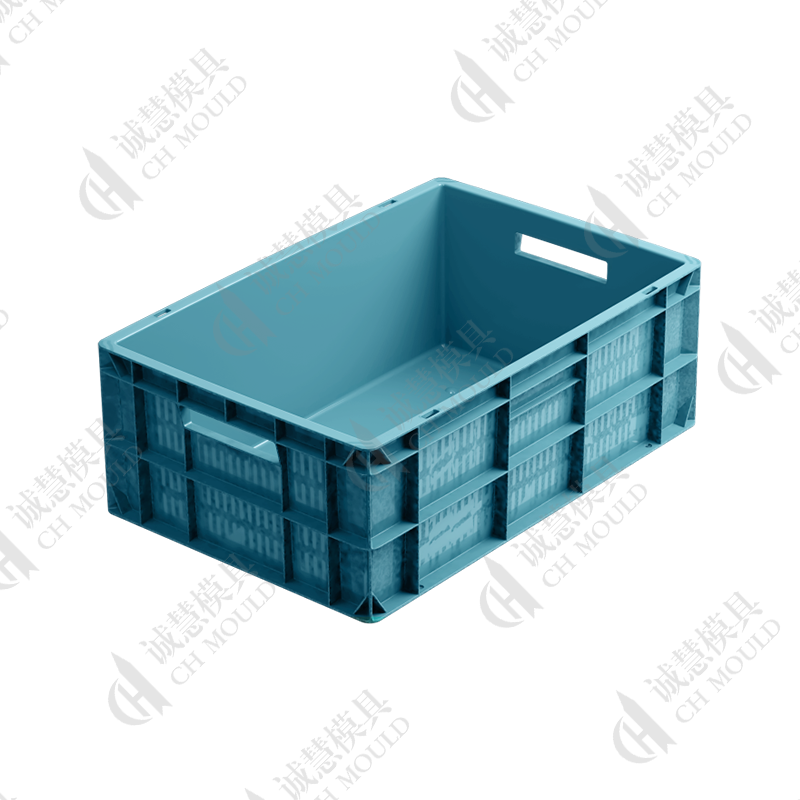
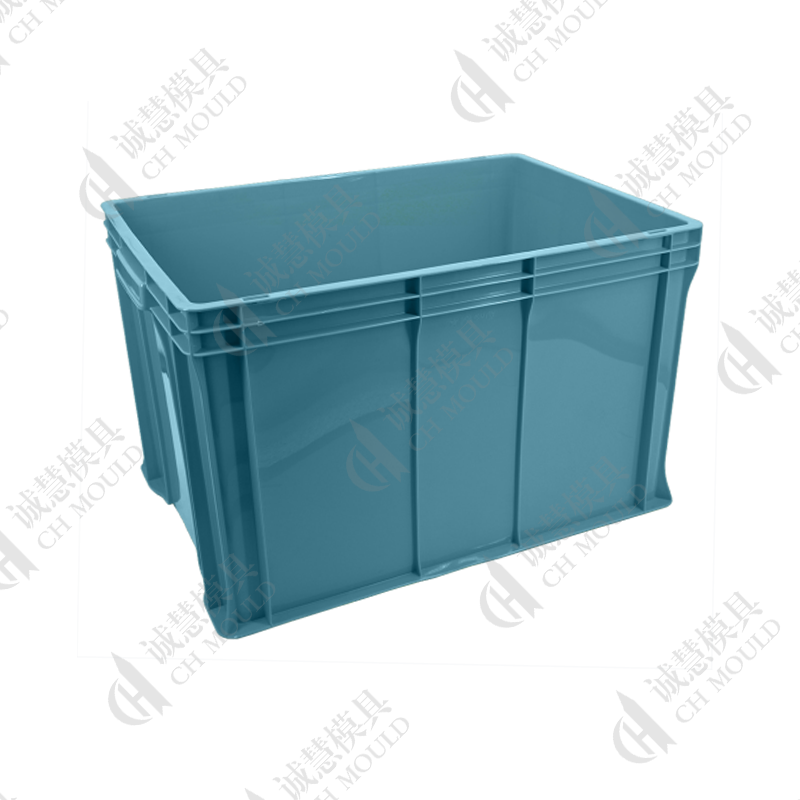
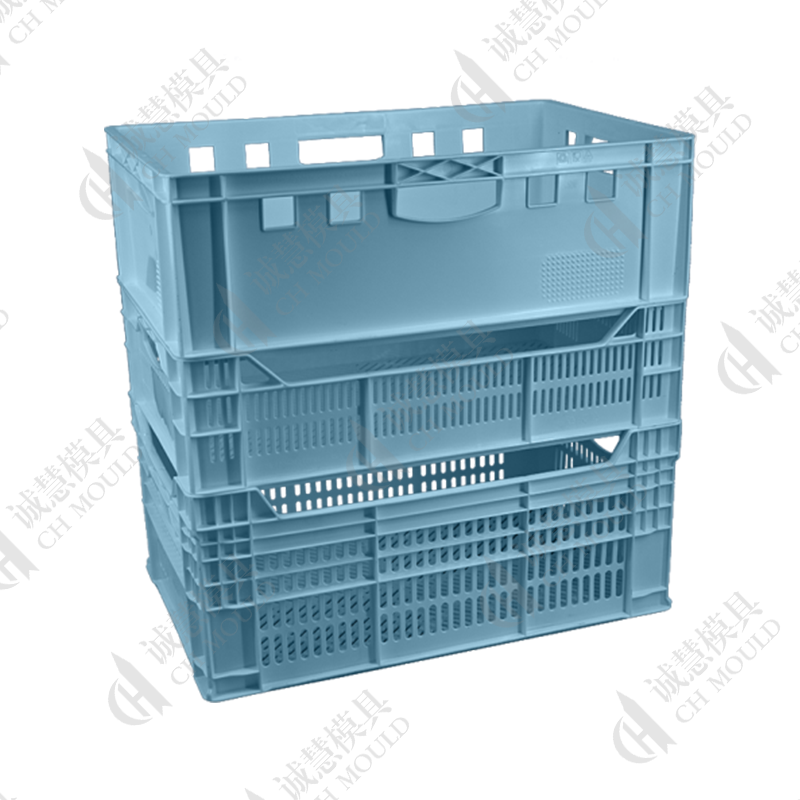
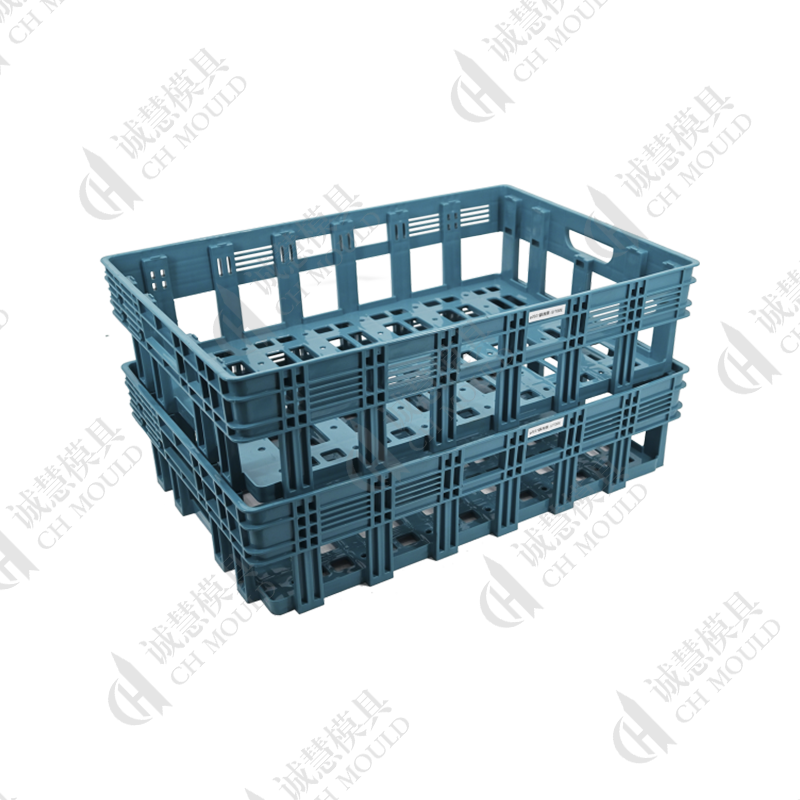
CHENGHUI Plastic Storage Rack
Why Plastic Storage Rack Mold Quality Matters
A storage rack may appear to be a relatively simple product, but its mold contains many technical requirements. The rack must often support weight while remaining lightweight enough for economical transport and easy handling. It may need to resist impact, repeated loading, moisture, cleaning chemicals, and temperature changes. If the rack is designed for stacking or modular assembly, even a small dimensional deviation can affect stability and alignment.
Injection molding produces thousands or millions of parts from the same tool. This means that any weakness in the mold design can be repeated throughout the entire production run. A minor mismatch at a parting line may become a visible flash mark on every rack. An undersized cooling channel may extend cycle time for every shot. An incorrect draft angle may cause ejection damage repeatedly. Professional mold engineering is therefore not only a matter of appearance; it is central to productivity, operating cost, and customer satisfaction.
For storage racks, dimensional consistency is especially important in areas such as legs, shelves, side walls, connecting joints, locking points, stacking features, and contact surfaces. These areas must work together accurately. A rack with inconsistent leg height may rock on a flat floor. A shelf with uneven support points may carry less weight than expected. A modular rack with inaccurate connectors may be difficult to assemble or may loosen during use.
Mold quality also affects the product’s visual appeal. Household storage products are often sold in competitive retail environments where consumers compare color, surface smoothness, corner quality, and overall finish. A high-quality injection mold can help create clean edges, controlled textures, uniform gloss, and an appearance that supports a premium market position.
Product Design Requirements for Plastic Storage Racks
Before mold construction begins, the storage rack design should be reviewed from both functional and manufacturing perspectives. A successful design is not simply attractive on a computer screen. It must be suitable for material flow, cooling, ejection, assembly, transportation, and repeated use.
Load-Bearing Structure
The most important functional feature is the ability to carry the intended load. The design team should consider the expected weight, how the load is distributed, and whether the rack will be used continuously or occasionally. Ribs, reinforcing walls, support columns, and corner structures can increase strength without requiring excessive material thickness.
Uniform wall thickness is generally desirable because sudden changes in thickness may lead to sink marks, shrinkage differences, or warpage. However, storage racks often require local reinforcement. The solution is usually to use correctly designed ribs and gussets rather than simply creating extremely thick sections. This approach can improve rigidity while keeping the part lightweight and reducing cooling time.
Stacking and Modular Features
Many storage racks are designed to stack vertically or connect horizontally. These functions require accurate interfaces. Stackable products may use locating posts, recessed bases, interlocking corners, or stable nesting features. Modular racks may use slots, clips, sockets, pins, or dovetail-style connections.
These features must be designed with suitable clearances. Excessive clearance can cause wobbling, while insufficient clearance may make assembly difficult and increase the risk of damage. Mold components that form these interfaces need precise machining and careful inspection. The mold trial process is also important because real molded parts must be tested together, not only measured individually.
Ergonomic Handling
Storage racks are frequently moved, filled, emptied, cleaned, or rearranged. Handles, gripping areas, and external corners should therefore be comfortable and safe. Rounded corners can improve handling and reduce the risk of injury. Smooth transitions also help reduce stress concentration in the plastic part.
If the rack includes removable trays or sliding components, the design should account for hand clearance and repeated movement. The mold must reproduce these features consistently so that the final product operates smoothly throughout its intended service life.
Surface and Appearance
Surface texture can hide minor handling marks, improve grip, or provide a distinctive appearance. Glossy surfaces may create a clean retail look, while matte textures may be more practical for industrial use. Texture depth, draft angle, and ejection direction must be considered together. Deep textures may require additional draft to prevent sticking or scuffing during ejection.
Color is also an important sales factor. Storage products are commonly offered in neutral colors, bright household colors, or color-coded versions for commercial and industrial organization. A well-maintained mold helps ensure that the surface appearance remains consistent from batch to batch, while the injection molding process must be controlled to maintain color uniformity.
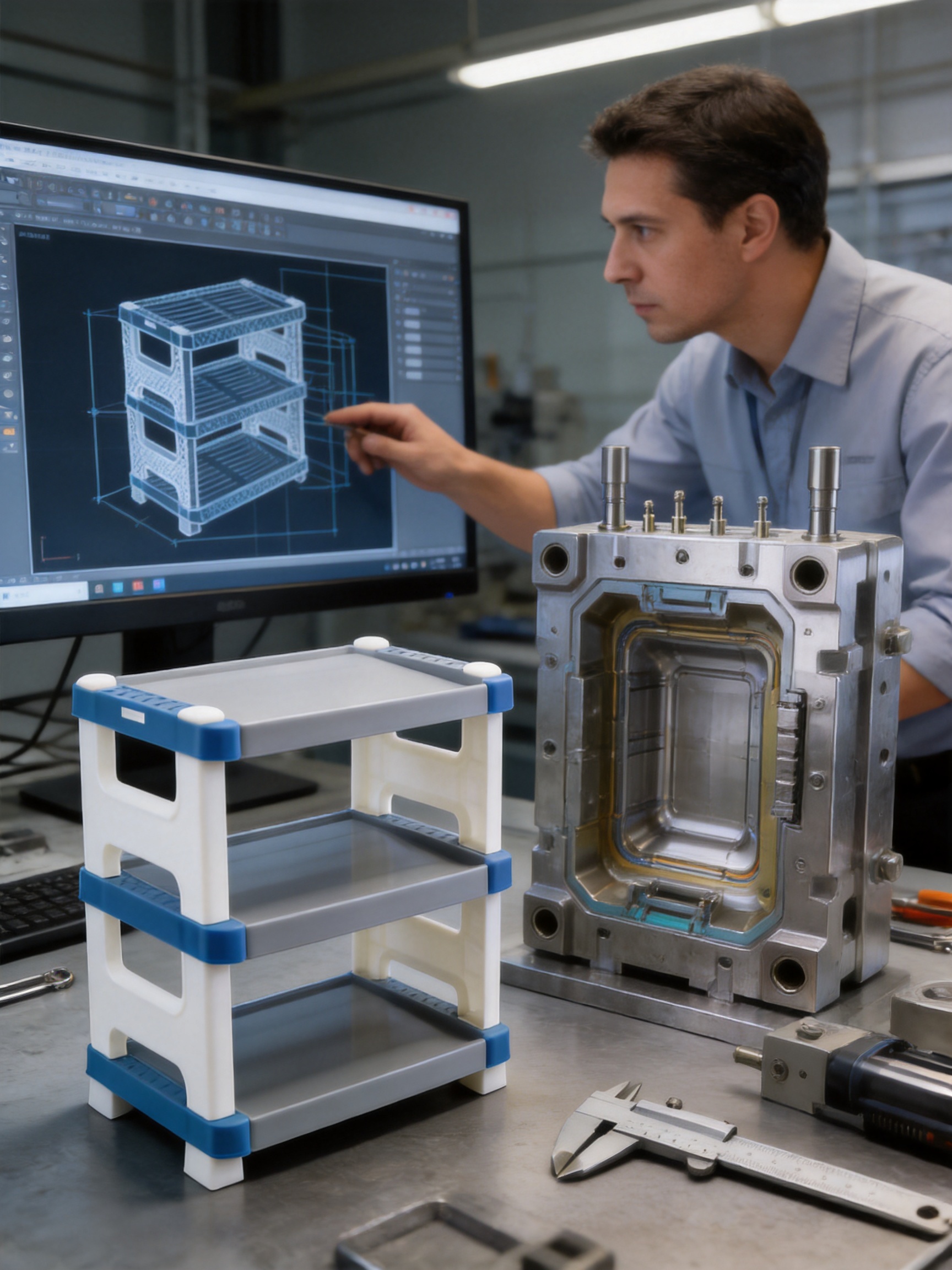
Engineering Advantages of a Custom Mold
A custom plastic storage rack mold offers several advantages over a generic or poorly adapted tool. The first advantage is design freedom. Customers can develop a rack around their own market requirements instead of modifying a standard product that may not fit their intended application.
The second advantage is better control of performance. Mold engineers can place reinforcement exactly where it is needed, optimize gate locations, improve cooling around thick sections, and design ejection features that protect visible surfaces. This level of control can produce a stronger and more attractive part while avoiding unnecessary material use.
The third advantage is improved production stability. A mold made for a specific product and production machine can be optimized for the selected material, expected cycle time, and required output. The result is a more predictable process with fewer interruptions and lower risk of inconsistent parts.
The fourth advantage is product differentiation. A distinctive rack profile, connector system, texture, or storage configuration can help a wholesaler or distributor establish a recognizable product line. Custom tooling may require a higher initial investment than purchasing an existing product, but it can support long-term market positioning and reduce dependence on directly competing standard designs.
Custom tooling also makes it easier to develop a family of related products. For example, one core design concept may be expanded into several widths, heights, colors, or configurations. A carefully planned mold strategy can support common accessories or compatible components, creating a broader product range for different sales channels.
Material Selection for Storage Rack Production
The appropriate plastic material depends on the rack’s use, load, environment, appearance, and target cost. Common material options for storage products include polypropylene, high-density polyethylene, acrylonitrile butadiene styrene, and other engineered or modified plastics. The final choice should be made after evaluating product requirements and processing conditions.
Polypropylene is often considered for products that need a balance of light weight, chemical resistance, and economical production. It can be suitable for many household storage applications and may provide useful fatigue performance in certain designs. High-density polyethylene can offer toughness and resistance to moisture and many chemicals, making it attractive for selected industrial or utility applications.
Acrylonitrile butadiene styrene may be chosen when surface appearance, stiffness, and impact performance are important. Modified engineering plastics may be considered for more demanding applications, although they can increase material and processing costs. Recycled or reprocessed content may also be evaluated when sustainability and cost objectives are important, provided that the material remains suitable for the required strength and appearance.
Material selection must be coordinated with mold design. Different plastics have different shrinkage rates, flow behavior, cooling requirements, and sensitivity to processing conditions. Shrinkage compensation should be considered when the mold cavity and core are developed. The gate, runner, venting, cooling, and ejection systems should all support the selected material.
Customers should also provide information about whether the product will be used indoors or outdoors, exposed to sunlight, cleaned frequently, placed near chemicals, or subjected to low temperatures. This information helps the manufacturing team recommend a suitable material and mold approach without making assumptions that could affect product reliability.
Professional Mold Design and Development
The mold development process begins with a clear understanding of the product. Customers may provide a concept, sketch, sample, two-dimensional drawing, three-dimensional model, or only a general description of the required rack. The mold manufacturer reviews the available information and identifies areas that may influence manufacturability, strength, appearance, or assembly.
Product Design Review
A design review examines wall thickness, draft angles, ribs, bosses, undercuts, parting lines, gate locations, ejection areas, and potential deformation. It also considers how the rack will be removed from the mold and whether the selected molding machine can accommodate the tool.
For a large storage rack, the parting line should be positioned carefully. A poorly selected parting line may leave a visible seam on an important surface or complicate the mold structure. The best position depends on the product geometry, ejection direction, appearance requirements, and the need to form functional features.
Flow and Filling Considerations
Plastic must flow through the mold cavity in a controlled manner. The gate location influences filling balance, weld line position, pressure requirements, and surface appearance. A storage rack with long walls or several branches may require a carefully balanced runner system or multiple gates.
Weld lines can appear where two flow fronts meet. They may be acceptable in hidden areas but undesirable near highly stressed corners or visible surfaces. Mold engineers can often reduce their impact through gate placement, venting, temperature control, and appropriate processing recommendations.
Cooling System Design
Cooling is one of the most important factors affecting injection molding cycle time and dimensional stability. Storage racks may contain thick corners, ribs, columns, or connectors that cool at different rates from thin walls. If heat is not removed evenly, the product may warp or shrink unevenly.
Well-planned cooling channels help maintain stable mold temperatures and support repeatable production. The cooling layout should follow the geometry as closely as practical while preserving the strength of the mold components. Efficient cooling can reduce cycle time, improve productivity, and lower energy consumption during mass production.
Ejection System
The ejection system must remove the molded rack without damaging its surfaces or deforming its functional features. Ejector pins, sleeves, stripper plates, lifters, or other mechanisms may be used depending on the product shape. Ejection marks should be located in areas where they will not affect appearance or assembly.
Large molded products require balanced ejection. If the part is pushed unevenly, it may twist, stick, or develop stress marks. The ejection design must also account for shrinkage, draft, texture, and the stiffness of the molded part at the time of ejection.
Venting and Air Removal
Air trapped in the cavity can cause burn marks, short shots, flow hesitation, or incomplete filling. Proper vents allow air and gases to escape while preventing excessive flash. Venting is particularly important in deep corners, rib intersections, and the end of long flow paths.
Effective venting supports a cleaner surface and more stable filling process. It can also reduce the need for excessive injection pressure, which may protect the mold and improve machine efficiency.
| Design Area | Primary Objective | Effect on the Finished Rack |
|---|---|---|
| Wall thickness | Maintain balanced filling and cooling | Reduced sink marks, warpage, and inconsistent shrinkage |
| Ribs and supports | Increase stiffness without excessive material | Improved load-bearing performance and lower part weight |
| Gate location | Control flow and weld line position | Better appearance and more reliable filling |
| Cooling channels | Remove heat evenly | Shorter cycle potential and improved dimensional stability |
| Ejection system | Release the product safely | Fewer marks, scratches, and deformation problems |
| Parting line | Separate the molded part efficiently | Cleaner edges and easier mold maintenance |
| Surface texture | Provide appearance or grip | More consistent visual quality and user experience |
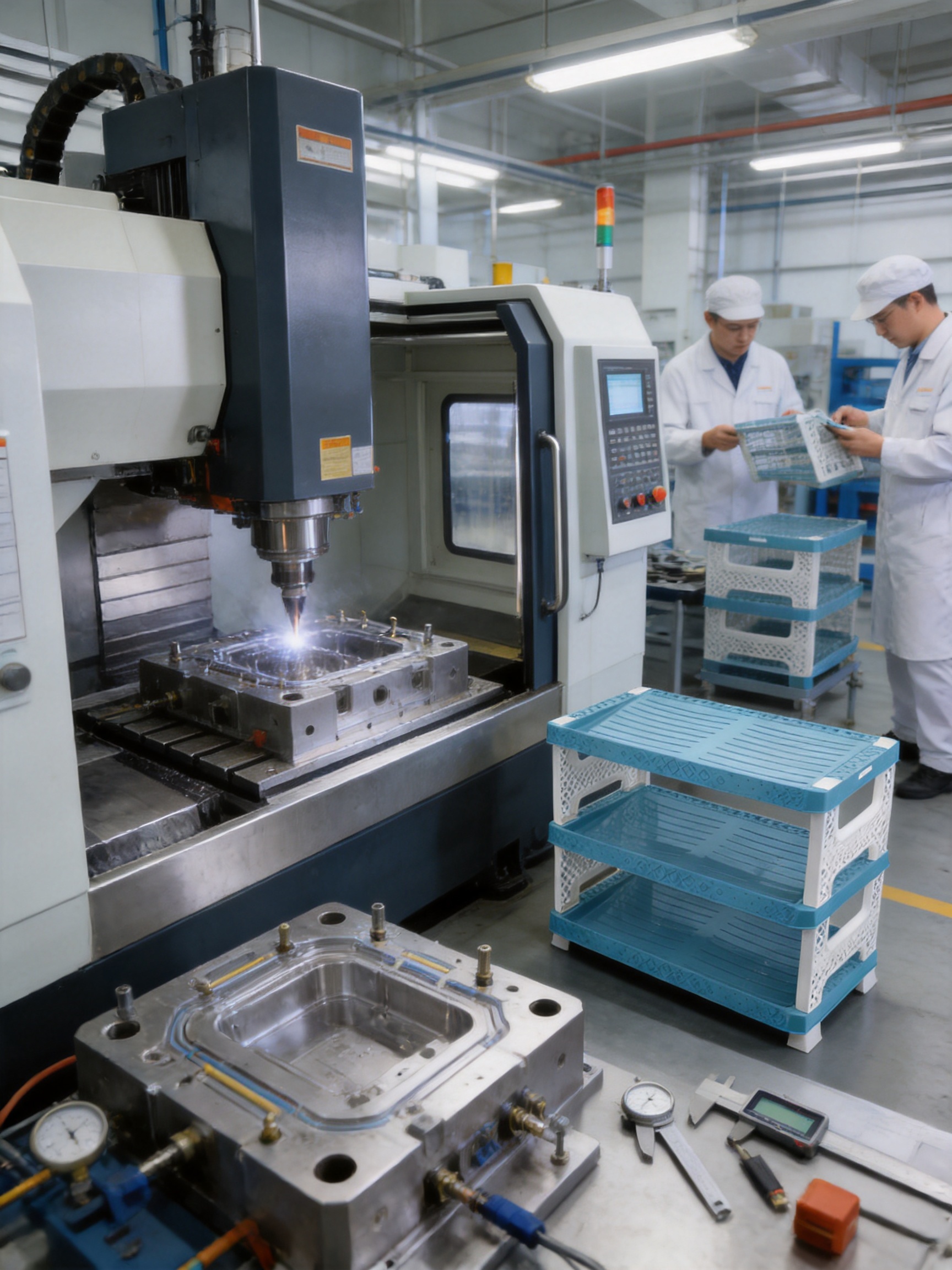
Advanced Manufacturing Capabilities
Chenghui Mould operates its own production workshop and has 104 advanced processing machines. This equipment base supports the machining and manufacturing activities required for precision injection molds. In-house production can improve communication between design, machining, assembly, and quality teams because technical information remains connected throughout the project.
Advanced equipment is valuable when it is combined with skilled personnel and standardized procedures. Machine capability alone cannot guarantee a good mold. Accurate programming, suitable cutting tools, correct workholding, careful inspection, and disciplined process control are all necessary to achieve reliable results.
During mold manufacturing, steel components are prepared and machined according to approved drawings and three-dimensional data. Rough machining removes most of the excess material, while finishing operations establish the required cavity and core surfaces. Precision machining is especially important for connectors, locking features, sliding interfaces, and other areas where small deviations may affect assembly or performance.
Electrical discharge machining may be used for complex details or areas that are difficult to produce through conventional cutting. Grinding and polishing operations can improve dimensional accuracy and surface quality. The appropriate process depends on the mold steel, geometry, tolerance, texture, and appearance requirement.
After machining, mold components are assembled and checked. The assembly process must confirm that inserts fit correctly, moving parts operate smoothly, ejector systems return properly, and the parting surfaces close without unacceptable gaps. Any issue found during assembly should be addressed before the first formal mold trial.
Quality Control from Drawing to Trial Production
Quality control begins before the first piece of steel is cut. A clear drawing review helps identify missing dimensions, unclear tolerances, conflicting requirements, or product features that may be difficult to mold. Early communication can prevent expensive modifications later in the project.
During machining, inspection can verify critical dimensions and component alignment. The objective is not only to confirm that individual components match drawings, but also to ensure that assembled components work together as a complete mold.
Mold trials are an essential stage of validation. The mold is installed on an appropriate injection molding machine and tested with the selected or proposed material. Trial parts are inspected for filling, appearance, dimensions, flash, ejection behavior, warpage, and assembly compatibility.
Trial results can reveal conditions that are difficult to predict entirely through design review. For example, a rack may fill successfully but show a visible weld line in an unwanted location. A connector may meet drawing dimensions but require a slight adjustment for practical assembly. A large flat surface may need process or cooling optimization to reduce deformation.
Corrections are recorded and implemented systematically. Additional trials may be conducted until the product meets the agreed requirements. This process helps ensure that the final mold is ready for stable mass production rather than merely producing one acceptable sample.
Dimensional Inspection
Dimensional inspection should focus on critical characteristics such as overall length and width, rack height, shelf position, leg alignment, connector dimensions, wall thickness, and stacking interfaces. The inspection method should be appropriate to the tolerance and product size.
For a product intended to connect with other parts, functional gauges or assembly tests can be as important as individual dimensional measurements. The rack should be assembled, stacked, or loaded according to its intended use so that practical performance is verified.
Appearance Inspection
Appearance inspection examines surface texture, gloss, color consistency, weld lines, flow marks, burn marks, ejector marks, parting lines, and flash. Acceptance criteria should be established before production begins, especially when the rack will be sold through retail channels where appearance strongly influences purchasing decisions.
Production Stability
A mold should be evaluated not only during a short trial but also for its ability to operate consistently. Stable production depends on repeatable mold temperature, injection pressure, filling time, cooling time, and ejection behavior. Clear processing recommendations can help customers establish an efficient production window.
Advantages over Lower-Quality or Generic Alternatives
Storage rack molds vary significantly in quality, even when they appear similar from the outside. A low-cost tool may have limited cooling, weak mold components, poor surface treatment, inadequate venting, or insufficient inspection. These limitations can become visible through longer cycle times, higher scrap rates, frequent maintenance, and inconsistent product quality.
A professionally engineered mold provides a stronger foundation for long-term production. It is designed around the specific product, material, machine, and output requirements. Important features are reviewed before manufacturing, and the mold is tested before being accepted for delivery.
Compared with a generic mold, a custom storage rack mold can provide better control over product dimensions and market-specific functions. It can include a unique stacking system, special handle design, customized shelf spacing, branded surface texture, or a configuration suited to a particular distribution channel.
Compared with a poorly optimized mold, a precision mold may deliver a lower total cost of ownership. The initial tooling price is only one part of the overall investment. Production downtime, rejected parts, rework, labor, energy consumption, material waste, and maintenance can have a significant effect on profitability. A mold that supports stable production may offer better long-term value even if its initial price is not the lowest.
Another advantage is technical support. Customers developing a new rack may need assistance with product structure, material selection, mold layout, trial adjustment, and production recommendations. A manufacturer with experience in related household and industrial products can help identify risks earlier and provide practical guidance throughout development.
Manufacturing Process for a Plastic Storage Rack Mold
Step One: Requirement Collection
The process starts with product information, including dimensions, application, expected load, material, annual quantity, surface requirements, color, assembly method, and target market. Clear requirements help determine the mold size, cavity arrangement, steel selection, cooling strategy, and expected service life.
Step Two: Design and Moldflow Review
The product design is examined for manufacturability. The mold layout is developed, and potential filling, cooling, ejection, and warpage issues are considered. Depending on the product complexity, simulation or engineering analysis may be used to evaluate material flow and identify areas that require improvement.
Step Three: Steel and Component Preparation
Mold steel and standard components are selected according to the expected production volume, material characteristics, surface requirements, and maintenance expectations. Higher-volume projects may require more durable materials or hardened wear components in areas subject to repeated movement.
Step Four: Precision Machining
Cavity plates, core plates, inserts, slides, lifters, ejector components, and other parts are machined using suitable processing equipment. Roughing, semi-finishing, finishing, grinding, drilling, and other operations are coordinated to achieve the required geometry.
Step Five: Assembly and Fitting
Machined components are assembled into a complete mold. Moving sections are fitted and checked for smooth operation. The mold is cleaned, lubricated where appropriate, and inspected for alignment, interference, and closing performance.
Step Six: Mold Trial
The mold is tested on an injection molding machine. Trial parts are produced and evaluated for filling, appearance, dimensions, ejection, and assembly. Any required changes are identified and completed through a controlled correction process.
Step Seven: Final Approval and Delivery
After the mold meets the agreed requirements, final inspection records and production recommendations can be prepared. The customer may receive trial samples, inspection information, operating guidance, and maintenance recommendations as part of the delivery and support process.
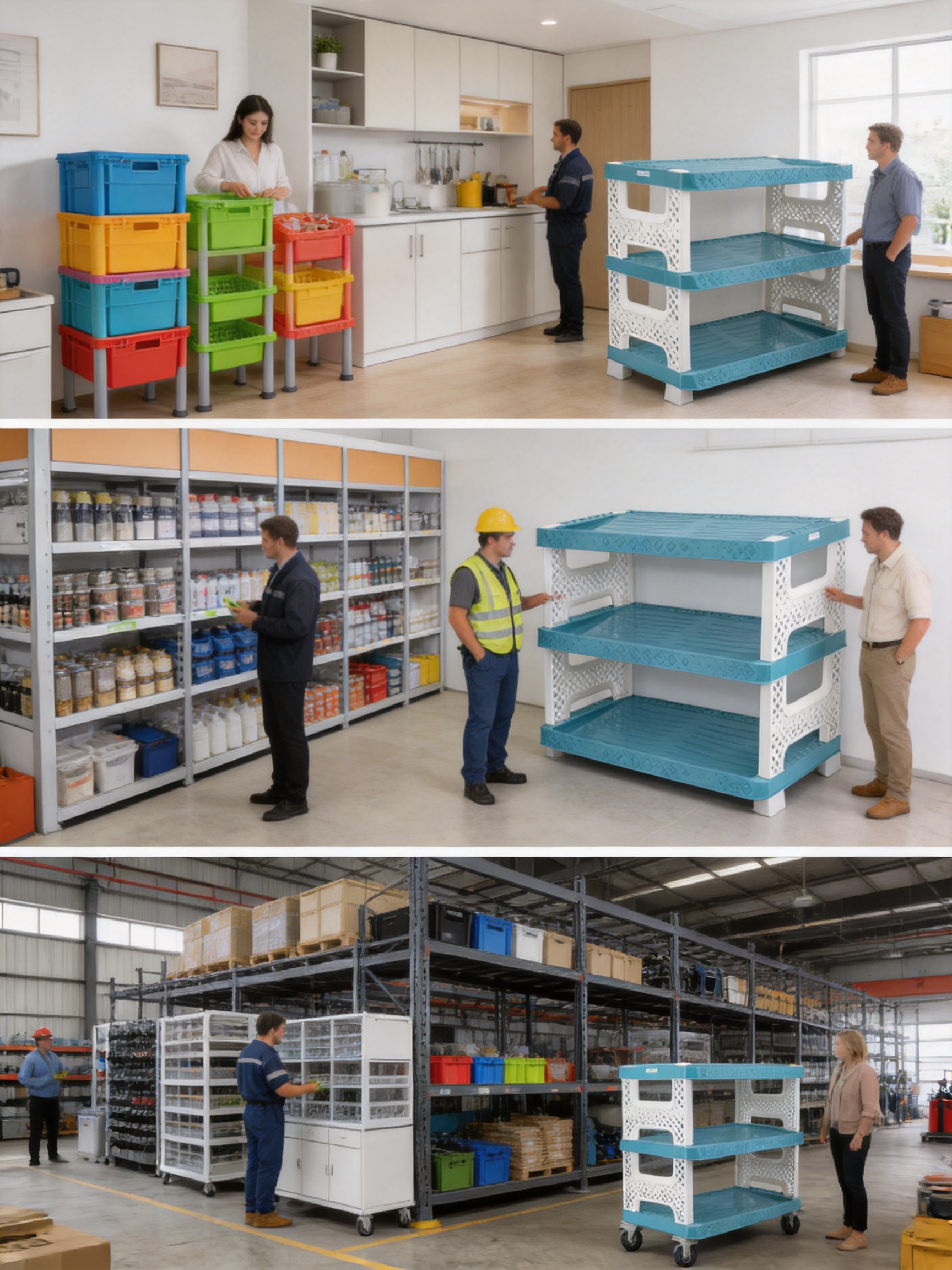
How the Mold Supports Efficient Mass Production
Mass production requires more than a mold that can produce one acceptable part. The tool must maintain performance over repeated cycles, allow practical maintenance, and operate within the capabilities of the intended injection molding machine.
Cycle time is influenced by filling, packing, cooling, mold opening, ejection, and handling. Cooling commonly represents a major part of the total cycle for large plastic products. Efficient cooling design can therefore improve output without compromising product quality.
Part removal also affects productivity. If the rack sticks to the cavity or requires manual intervention, production efficiency decreases. A well-designed ejection system helps the part release reliably and supports automated or semi-automated handling where appropriate.
Runner and gate design influence material waste. Depending on the product and production plan, a hot runner or cold runner system may be considered. The best solution depends on material, part geometry, color changes, maintenance preferences, and total production volume. A qualified mold manufacturer can compare these factors before finalizing the design.
Maintenance planning is another important consideration. Wear components, sliding elements, cooling channels, and ejector systems should be accessible for inspection and service. Clear maintenance procedures can extend mold life and reduce unexpected downtime.
Applications for Different Markets
Household storage racks may be used in kitchens, bedrooms, bathrooms, garages, utility rooms, and children’s spaces. These products often prioritize appearance, ease of cleaning, compact packaging, and simple assembly. Rounded edges, attractive colors, and smooth surfaces may be especially important.
Retail and commercial storage racks may be used in stores, offices, salons, stockrooms, and service facilities. These applications may require modularity, frequent repositioning, and compatibility with product displays or inventory systems.
Industrial storage racks may be used in workshops, warehouses, factories, and logistics operations. They may need greater load capacity, resistance to impact, compatibility with bins or containers, and stable performance under repeated handling. Surface texture and color coding may help identify product categories or work areas.
Distribution channels also affect product design. A rack sold online may need efficient packaging and low shipping volume. A rack sold through wholesalers may require nested stacking or carton optimization. A product sold to industrial buyers may need technical documentation, load information, and repeat availability over an extended period.
Customization Options for Buyers
Customers can customize many aspects of a plastic storage rack. Dimensions can be adjusted to fit specific spaces or packaging requirements. Shelf spacing can be optimized for different products. The number of tiers can be increased or reduced. Handles, wheels, clips, doors, labels, and accessory interfaces can be integrated into the design.
Color customization can support brand identity or product classification. Surface texture can be selected to create a specific visual effect or improve grip. Logo areas or identification panels can be incorporated into the part if required by the customer.
Material and performance requirements can also be customized. A household rack may focus on light weight and appearance, while a warehouse rack may require greater rigidity and impact resistance. The mold should be developed around the selected material and final application rather than treating all storage racks as identical products.
Packaging and shipping considerations may influence the mold design as well. Nesting features can reduce shipping volume, while knock-down structures can make the product more economical to transport. These choices should be reviewed at the product design stage because they may affect wall geometry, connectors, tolerances, and assembly requirements.
Company Strengths and International Service
Chenghui Mould, also known as CH Mould, was founded in 1994 and has accumulated more than 30 years of experience in injection mold design and manufacturing. Its product experience covers a broad range of daily necessities, furniture products, PET storage products, tables, chairs, storage boxes, turnover boxes, laundry baskets, buckets, storage racks, trash cans, and related household and industrial products.
The company operates its own production workshop and maintains a processing base with 104 advanced machines. Professional injection molding machines are available for mold testing, allowing the team to evaluate tooling performance with actual molded samples. This combination of machining and trial capability supports closer coordination between mold construction and product validation.
Its stated annual production capacity exceeds 1,500 mold sets. The company also exports to the Middle East, Europe, America, Africa, Southeast Asia, and other regions. International customers may benefit from experience in communicating technical requirements, coordinating samples, managing production schedules, and supporting after-sales needs across different markets.
The company’s service scope covers concept development, drawing review, sample development, machining, mold assembly, mold trials, quality inspection, and after-sales support. This integrated approach can be valuable for customers that do not have a complete internal tooling engineering team.
Precision, integrity, customer commitment, and continuous improvement are central principles in the company’s stated manufacturing mission. For buyers seeking a long-term tooling partner, these principles are relevant because mold projects often involve multiple rounds of technical communication and continued support after delivery.
Guidelines for Selecting a Mold Manufacturer
Buyers should evaluate more than a supplier’s quoted price. Important questions include whether the manufacturer has experience with similar products, whether it can review product design, what equipment is available, how mold trials are managed, and what inspection information will be provided.
Experience with related products is useful because storage racks share technical challenges with baskets, boxes, furniture parts, and other large household injection-molded products. A manufacturer familiar with these categories may recognize common risks involving warpage, sink marks, cooling, ejection, and assembly.
Production capability should be considered in relation to the project. A supplier may need to machine large mold components, produce complex inserts, support surface finishing, and conduct trials on a suitable injection machine. The available equipment should be able to meet the product’s size, tolerance, and expected output requirements.
Communication quality is equally important. The customer and manufacturer should agree on drawings, materials, samples, tolerances, surface standards, trial criteria, delivery scope, and modification responsibilities. Clear documentation reduces misunderstandings and helps both sides make decisions efficiently.
After-sales support should also be discussed. A mold is a long-term production asset that may require maintenance, replacement components, or technical advice. A supplier willing to support the tool after delivery can provide greater value than a supplier focused only on initial completion.
Frequently Asked Questions
What is a plastic storage rack mold?
A plastic storage rack mold is a precision tool used to form molten plastic into the shape of a storage rack through injection molding. It typically contains cavity and core sections, a runner and gate system, cooling channels, an ejection system, guide components, and other mechanisms required to produce the part accurately.
Can the rack be designed for household and industrial use?
Yes. The product structure, material, wall thickness, reinforcement, surface finish, and connection system can be developed for different applications. Household racks may emphasize appearance and compactness, while industrial racks may require greater rigidity, impact resistance, and load-bearing performance.
Can a customer provide an existing sample instead of a drawing?
An existing sample can be used as a reference for product development. However, three-dimensional data or detailed drawings are generally helpful for confirming dimensions, tolerances, assembly relationships, and required modifications. The manufacturer can review the available information and advise what additional data is needed.
How does mold design affect rack strength?
Mold design affects how accurately the product’s walls, ribs, columns, corners, and connection features are formed. Proper material flow, cooling, and ejection help preserve the intended geometry. The final strength also depends on material selection, product design, processing conditions, and actual load requirements.
What causes warpage in a molded storage rack?
Warpage can result from uneven wall thickness, unequal cooling, unbalanced filling, unsuitable processing conditions, insufficient support, or material shrinkage differences. Mold engineers can reduce risk through product design improvements, cooling optimization, gate adjustment, and trial-based process refinement.
How long can a storage rack mold last?
Mold life depends on steel selection, plastic material, production volume, cycle conditions, maintenance, product geometry, and the quality of mold construction. A properly designed and maintained mold can support long-term production, but a specific life expectancy should be determined according to the project requirements.
What information should be provided for a quotation?
Useful information includes product drawings or samples, three-dimensional files, dimensions, material, expected annual quantity, rack load requirements, surface finish, color, number of cavities, injection machine information, packaging requirements, and delivery expectations. The more complete the information, the more accurately the mold design and quotation can be evaluated.
Can the mold be modified after the first trial?
Yes. Mold trials are intended to validate the design and identify improvements. Adjustments may be made to dimensions, gates, vents, cooling, ejection, parting surfaces, or product details when required. The number and scope of modifications depend on the original product complexity and agreed acceptance criteria.
Why is in-house mold testing important?
In-house testing allows the manufacturer to evaluate the tool directly and connect trial results with machining and assembly information. It can shorten communication loops, support faster correction, and help confirm that the mold is ready for mass production before delivery.
Can one product concept support several rack sizes?
In many cases, a product family can be developed around a common design concept. The tooling strategy may involve separate molds, interchangeable inserts, or related mold structures depending on the dimensions and required differences. This should be planned at the beginning so that future expansion does not compromise the original product.
Conclusion
A high-quality plastic storage rack depends on more than a basic cavity shape. It requires coordinated product engineering, material selection, mold design, precision machining, cooling, venting, ejection, assembly, trial production, and quality control. When these stages are managed carefully, the resulting rack can offer reliable strength, attractive appearance, consistent dimensions, efficient production, and better long-term value.
Custom injection molds provide clear advantages for companies that need differentiated household or industrial storage products. They allow control over size, structure, stacking, modularity, surface treatment, color, packaging, and performance. Compared with generic or poorly engineered tooling, a precision mold can reduce production problems and support a more dependable supply program.
With more than three decades of experience, an in-house production workshop, 104 advanced processing machines, professional mold trial equipment, and an annual capacity of more than 1,500 mold sets, Zhejiang Chenghui Mould Co., Ltd. is equipped to support storage rack mold projects from concept to production. Its experience across household and industrial injection-molded products provides a practical foundation for customers seeking OEM and ODM tooling support.
For wholesalers, distributors, product developers, and global brands, the right mold partner can influence the success of an entire storage product line. A carefully developed plastic storage rack mold is not only a manufacturing tool; it is an investment in consistent quality, efficient production, market differentiation, and long-term product reliability.
References
1. Injection Molding Handbook, general principles of polymer processing, mold design, cooling, and ejection.
2. Plastics Engineering Fundamentals, material selection, shrinkage, flow behavior, and dimensional control.
3. Design for Manufacturability Guidelines, product structure, draft angles, wall thickness, ribs, and parting lines.
4. Moldmaking and Tooling Practice, precision machining, mold fitting, inspection, trial production, and maintenance.
5. Quality Management Principles for Injection Molding, process stability, dimensional inspection, appearance standards, and corrective action.
6. Industrial Product Development Methods, customer requirements, prototype validation, design review, and production readiness.