
 Français
 Español
 عربى
Plastic pallet manufacturers must balance structural requirements, production efficiency, and product consistency when developing a new pallet design. A mold that is difficult to fill, cool, or release can create repeated adjustments during production, even when the initial design appears suitable. For manufacturers serving different logistics and industrial applications, addressing these challenges early helps control production variables and makes it easier to maintain consistent results across batches.
Design Around the Complete Pallet Structure
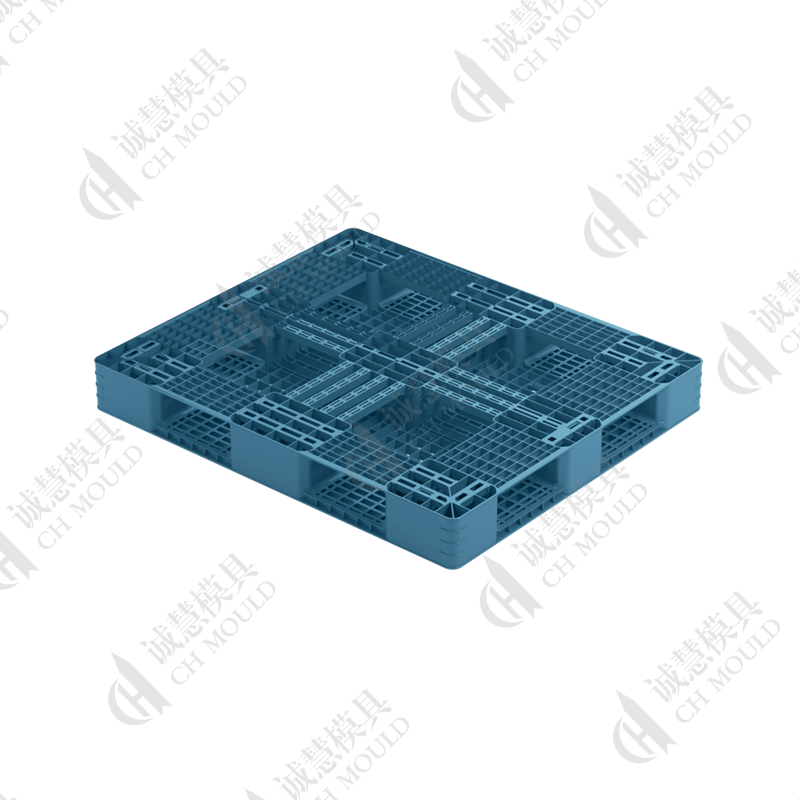
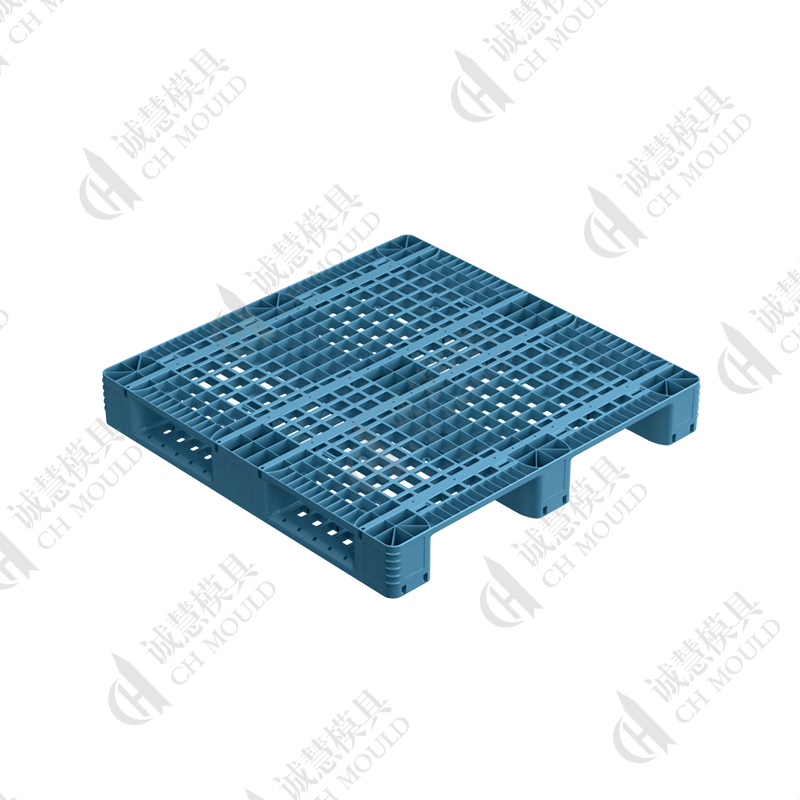
A plastic pallet is a connected structure rather than a collection of independent components. The deck, support feet, ribs, and openings all influence how loads are distributed and how the molded part behaves during cooling and handling.
During mold development, engineers should review the relationship between wall thickness, rib placement, corner geometry, and reinforcing sections. Abrupt thickness changes may contribute to uneven cooling and shrinkage, while poorly positioned ribs can complicate material flow.
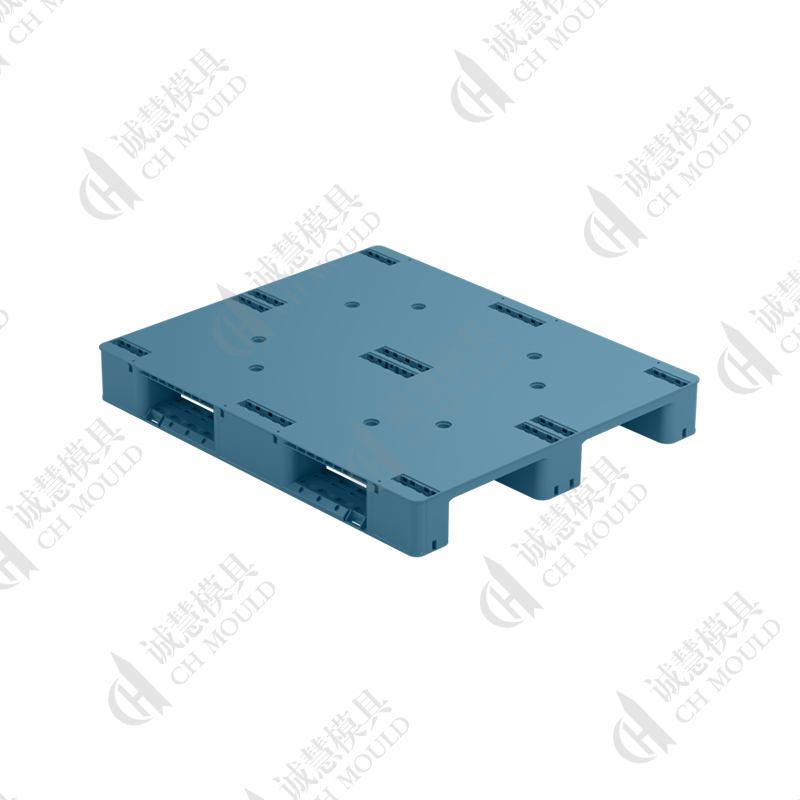
A Plastic Pallet Mold should therefore be developed alongside the intended pallet design. Reviewing structural details before machining begins can reduce the need for extensive modifications during later trials.
Keep Material Distribution Under Control
Uneven material distribution can affect both the appearance and dimensional stability of a molded pallet. Areas that are difficult to fill may develop incomplete sections, while excessive material accumulation can increase cooling demands and contribute to local deformation.
Mold design should account for the selected resin, gate location, flow distance, and cavity geometry. Where suitable, engineering simulation can help identify potential filling problems before the mold enters production.
However, simulation results should be treated as a design reference rather than a substitute for physical testing. Actual molding trials are necessary to confirm whether the material fills the cavity and produces the expected structure under practical processing conditions.
Reduce Dimensional Variation Through Cooling Design
Large pallet molds require careful cooling arrangements because different sections may release heat at different rates. If cooling is uneven, the pallet may shrink inconsistently or develop warpage after ejection.
Manufacturers should evaluate cooling-channel distribution in relation to the pallet's geometry and wall thickness. They should also consider whether the channels can be inspected and cleaned during routine maintenance.
During trial production, dimensional measurements and visual inspections can reveal areas that require further adjustment. Recording these findings helps engineers distinguish between mold-design issues and changes caused by processing conditions.
Make Ejection More Predictable
Pallets often contain deep ribs, recessed areas, and multiple support features. These structures can increase resistance during release if the draft angles, surface finish, or ejector arrangement are unsuitable.
A practical design review should examine the release direction of each major feature and the distribution of ejection forces. Ejector locations should support the molded part without creating unnecessary marks or localized deformation.
For automated production lines, demolding behavior also deserves attention because inconsistent release can interrupt downstream handling. Verifying ejection performance during sampling helps manufacturers prepare the mold for the intended production process.
Validate Changes With Controlled Trial Runs
When a mold requires adjustment, changing several variables simultaneously can make the cause of an improvement or defect difficult to identify. A more controlled approach is to document the original settings, modify specific parameters, and compare the resulting samples.
Useful checks include:
- Critical pallet dimensions and overall flatness
- Surface appearance and incomplete filling
- Consistency of ribs, openings, and support feet
- Cooling behavior and demolding performance
- Repeatability across successive trial cycles
This record provides a clearer basis for deciding whether the mold is ready for production or needs further refinement.
Consider Future Production Requirements
Mold development should also account for likely changes in order volume, pallet specifications, and maintenance needs. Buyers may eventually request adjustments to dimensions, structural features, or material options, so the feasibility of future modifications should be discussed early.
Manufacturers can support this process by retaining design drawings, documenting approved changes, and defining inspection criteria for the finished pallet. Clear records make it easier to manage repeat orders without unintentionally changing established product requirements.
Build Consistency Into the Mold Development Process
Consistent plastic pallet production begins with coordinated decisions about geometry, material flow, cooling, ejection, and trial validation. By addressing these factors before full-scale manufacturing, producers can reduce avoidable adjustments and establish a more repeatable process. A capable Plastic Pallet Mold manufacturer evaluates not only whether a mold can produce a pallet, but also how reliably it can support the required production conditions over time.