
 Français
 Español
 عربى
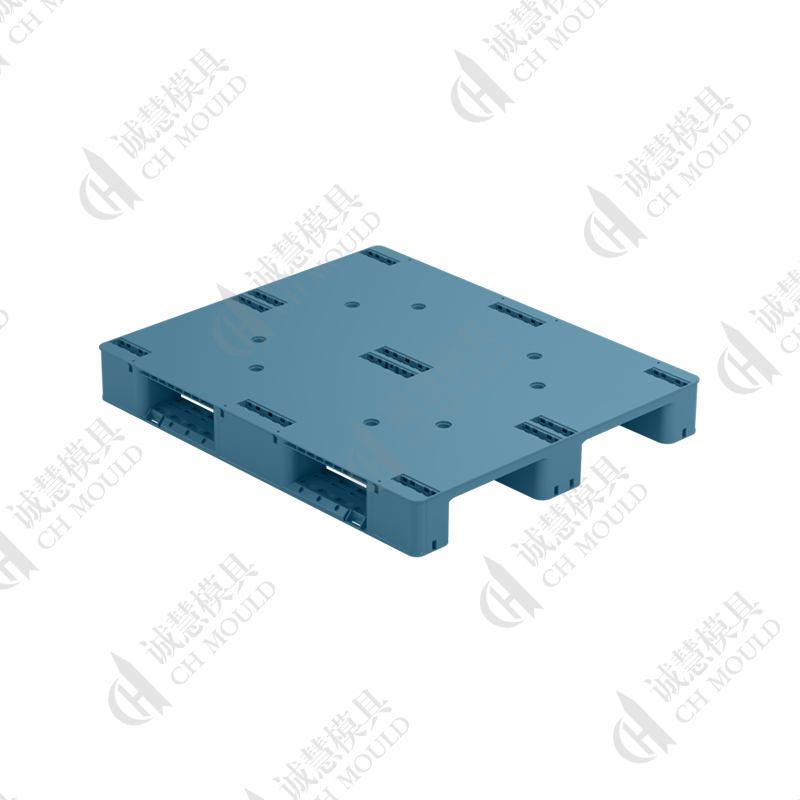
Custom plastic pallets are developed for different handling systems, storage arrangements, and operating environments. Although two pallets may look similar, differences in dimensions, underside geometry, load requirements, and material selection can affect mold design considerably. For overseas buyers, unclear requirements at the beginning of a project may lead to repeated drawing revisions, additional sampling, and delays in production preparation. A structured specification process helps manufacturers translate the intended pallet design into a practical mold-development plan.
Define the Pallet's Working Requirements
Before designing a mold, manufacturers need to understand how the finished pallet will be used. A pallet intended for static warehouse storage may have different structural requirements from one used for repeated transport or mechanical handling.
Buyers should clarify the expected load conditions, pallet dimensions, handling equipment, entry direction, and stacking arrangements. These details help engineers determine which structural features require particular attention.
Providing the intended application is also more useful than submitting dimensions alone. It gives the mold manufacturer a clearer basis for reviewing the design and identifying potential engineering concerns before machining starts.
Confirm Drawings Before Tooling Begins
A complete drawing provides a shared reference for both the buyer and the manufacturing team. It should identify overall dimensions, critical tolerances, structural details, and any areas where appearance or function is especially important.
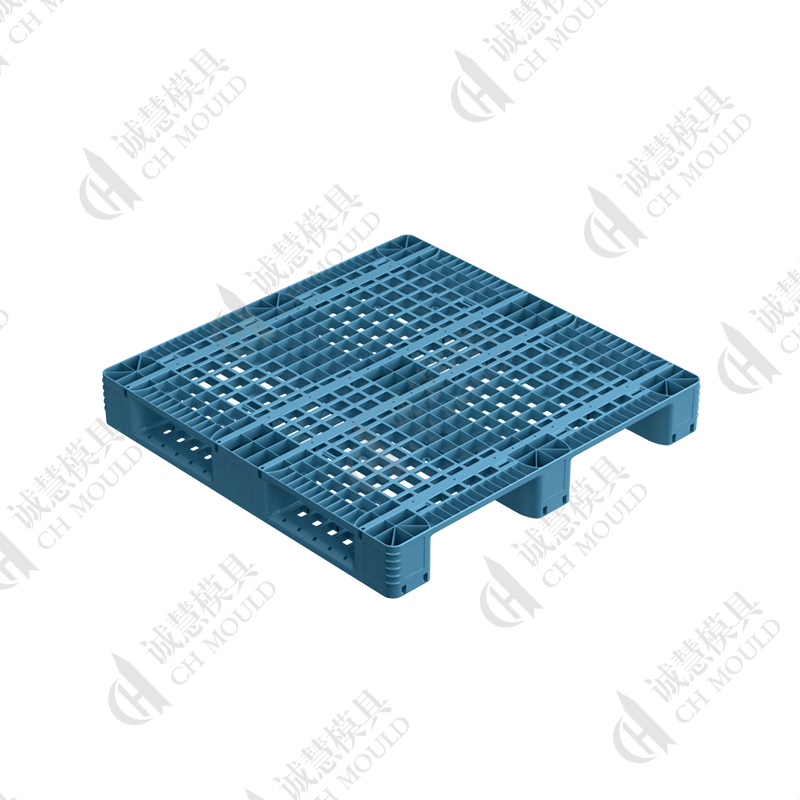
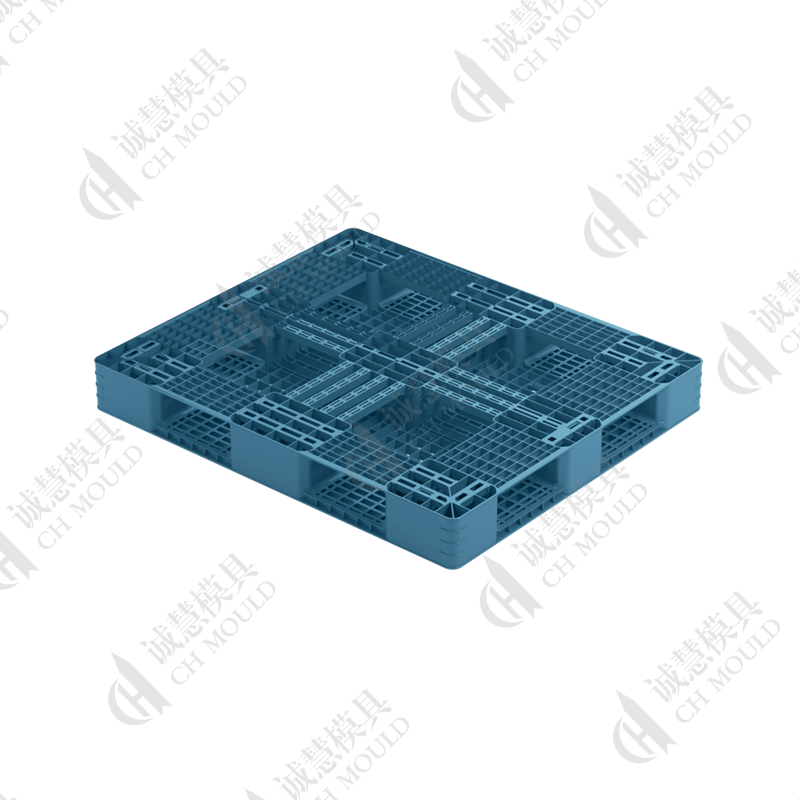
For a custom Plastic Pallet Mold, the review should cover more than the external outline. Engineers also need to examine rib arrangements, support feet, openings, wall thickness transitions, and the geometry of the pallet's underside.
If a requirement is unclear, resolving it during drawing review is generally more practical than discovering the issue after mold components have been manufactured. Both parties should confirm the approved design version before moving to the next stage.
Discuss Material Selection Early
The selected plastic material can influence filling behavior, shrinkage, cooling, and the dimensional characteristics of the finished pallet. Material changes may therefore affect the suitability of an existing mold design or require processing adjustments.
Buyers should communicate the intended resin and any relevant performance requirements as early as possible. If material selection is still under evaluation, the manufacturer should understand which properties are essential and which aspects remain flexible.
This discussion helps engineers assess material compatibility with the proposed geometry and plan appropriate trial conditions rather than treating resin selection as a final purchasing detail.
Establish Clear Sampling Criteria
Sampling provides an opportunity to check whether the mold can produce a pallet that meets the agreed requirements. Without defined acceptance criteria, discussions may become subjective, especially when different teams evaluate the same sample.
Before trials begin, buyers and manufacturers should agree on the main inspection points, such as:
- Overall dimensions and critical tolerances
- Pallet flatness and visible deformation
- Formation of ribs, openings, and support features
- Surface defects and incomplete filling
- Demolding behavior and consistency between samples
Documented results make it easier to identify necessary adjustments and determine whether the sample is ready for approval.
Control Design Changes During Development
Custom projects sometimes require revisions after the initial design review. Changes to pallet dimensions, rib thickness, openings, or load-related structures can influence mold components and processing conditions.
A practical change-control process records what has changed, why the revision is needed, and whether it affects the tooling schedule or inspection criteria. Updated drawings should replace outdated versions in the working documents.
This approach helps prevent the manufacturing team from using inconsistent specifications and gives overseas buyers better visibility into project progress.
Plan for Maintenance and Repeat Production
A mold is a long-term production asset, so its service requirements should be considered alongside its initial cost. Buyers can discuss access to cooling channels, cleaning requirements, inspection points, and the availability of technical documentation.
Approved drawings, trial records, and maintenance information also support future production planning. If the buyer needs another mold or a design revision later, these records provide a useful starting point for technical discussions.
Turn Clear Requirements Into Better Mold Projects
Successful custom tooling depends on clear communication between product design, engineering, and manufacturing. When application requirements, drawings, materials, sampling criteria, and design changes are managed systematically, both parties can make decisions with greater confidence. An experienced Plastic Pallet Mold manufacturer can use this information to assess technical feasibility, coordinate tooling development, and help overseas buyers move from an initial pallet concept toward a production-ready solution.