
 Français
 Español
 عربى
Turnover boxes are essential handling, storage, and distribution products used across manufacturing, agriculture, logistics, retail, food processing, automotive supply, and warehouse operations. Their repeated use, stackable structure, impact resistance, and easy cleaning make them more economical and sustainable than many single-use packaging alternatives. However, the performance of a turnover box depends not only on the selected plastic material or the final product design. It also depends heavily on the quality, accuracy, durability, and production efficiency of the injection mold used to manufacture it.
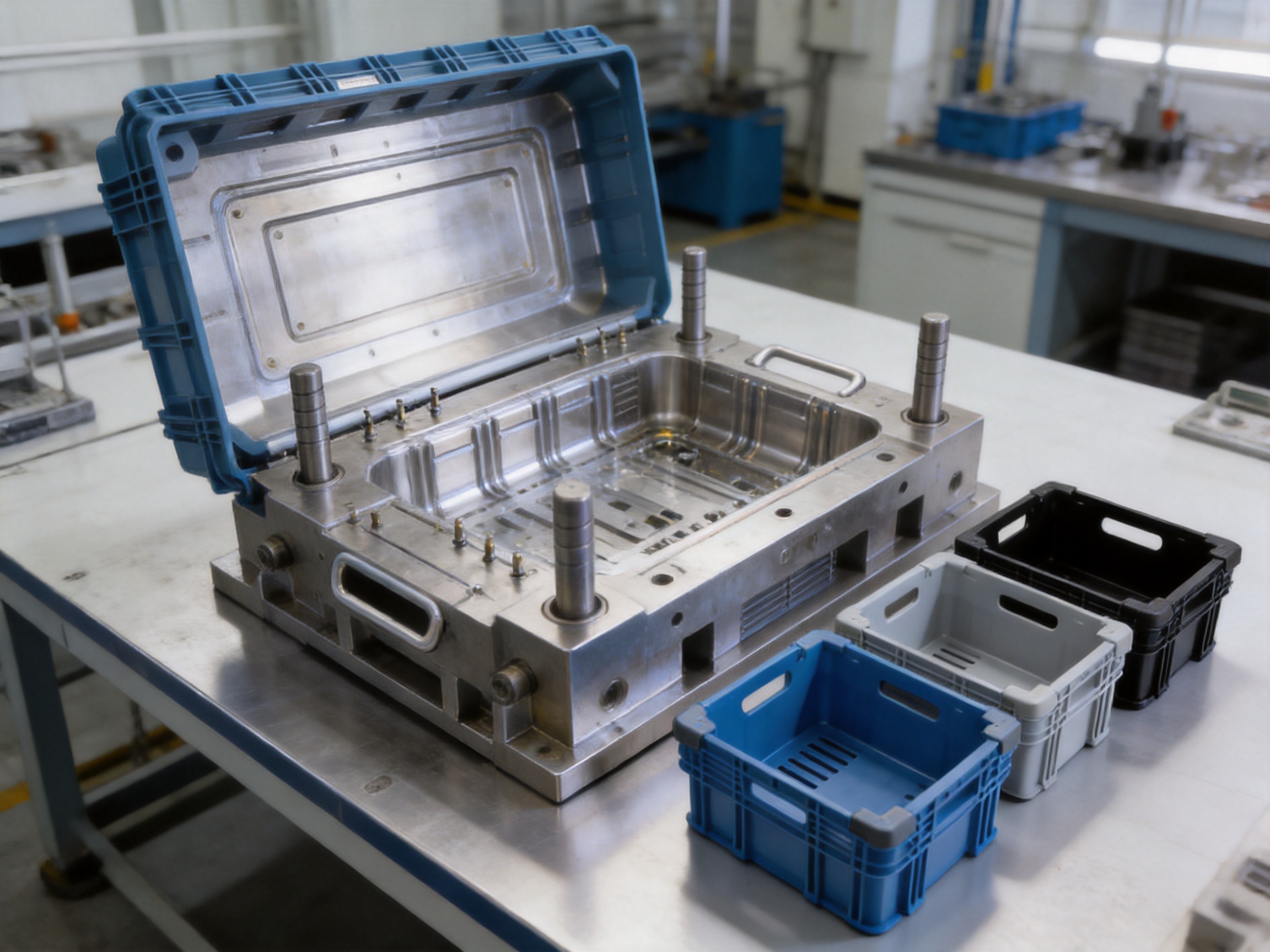
The CHENGHUI Turnover Box Mold 007 is designed for manufacturers seeking a dependable tooling solution for producing high-quality plastic turnover boxes in large quantities. Developed by Zhejiang Chenghui Mould Co., Ltd., the mold reflects more than three decades of experience in plastic injection mold design and manufacturing. It is intended to support stable production, consistent dimensions, reliable box strength, smooth demolding, and efficient cycle operation.
For wholesalers, distributors, packaging manufacturers, logistics suppliers, and industrial product companies, the value of a turnover box mold extends far beyond the initial purchase price. A well-engineered mold can reduce production interruptions, improve product consistency, simplify quality control, minimize material waste, and help a manufacturer respond to changing customer requirements. The right mold also makes it easier to develop different box sizes, wall structures, colors, reinforcement patterns, and branding details for different markets.
This article examines the structure, advantages, manufacturing process, quality controls, customization capabilities, and application value of the CHENGHUI Turnover Box Mold 007. It also explains why cooperation with an experienced mold factory can provide important advantages over low-cost tooling that may appear economical at the beginning but creates higher operating costs over time.
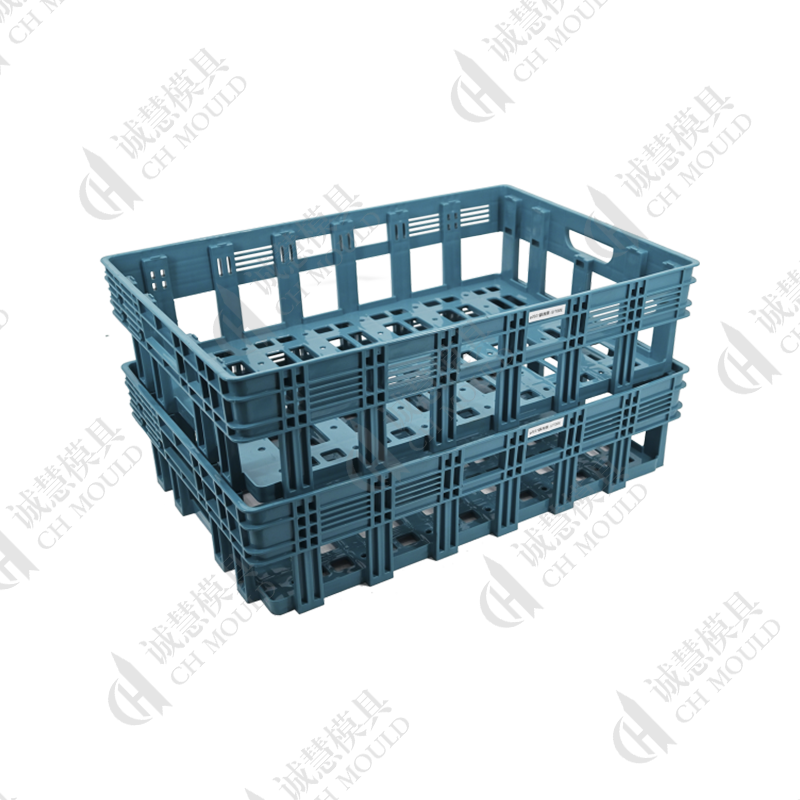
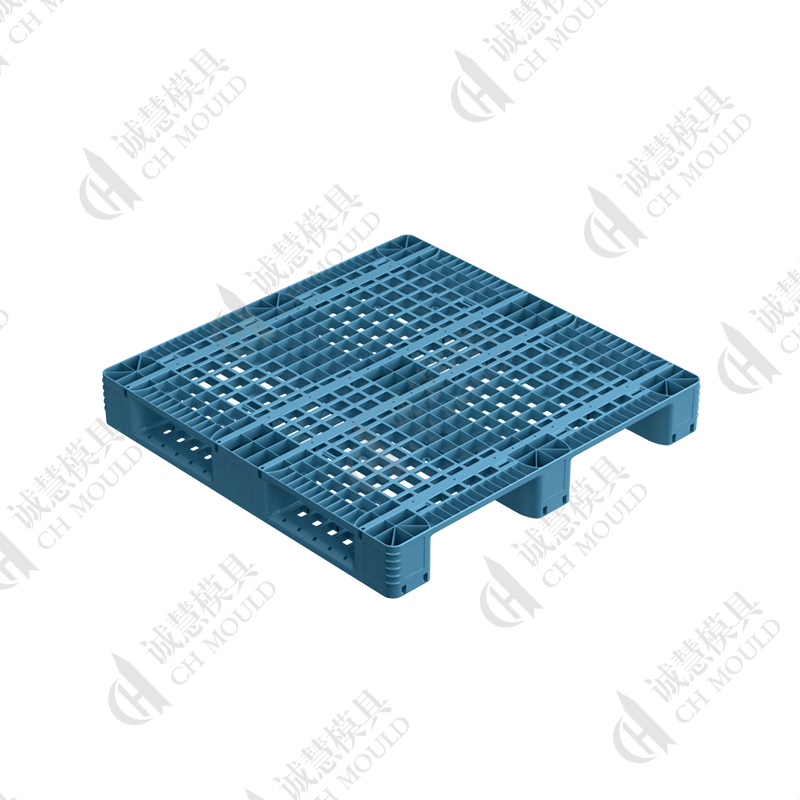
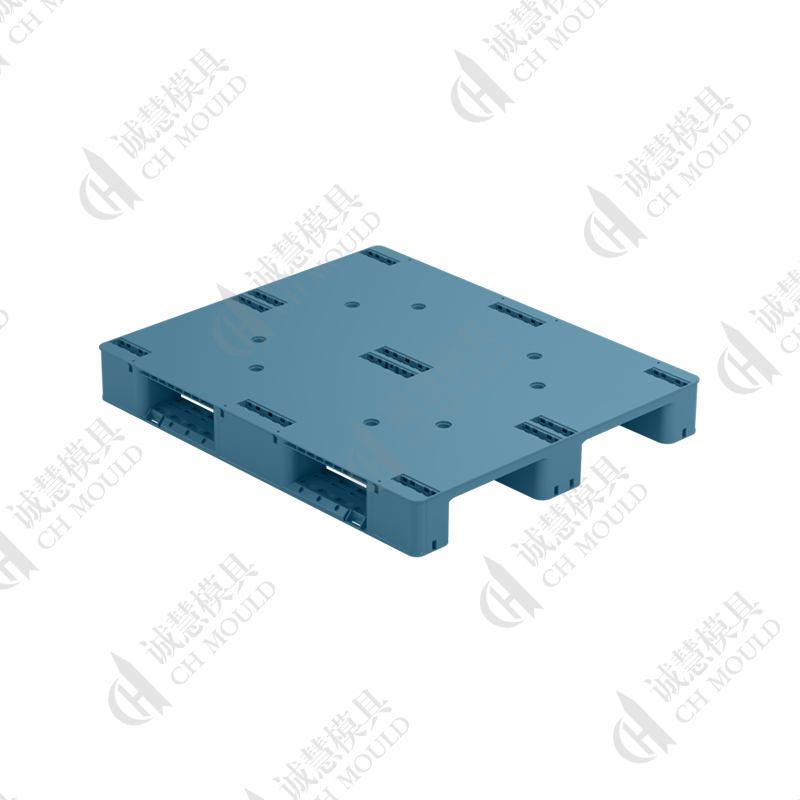
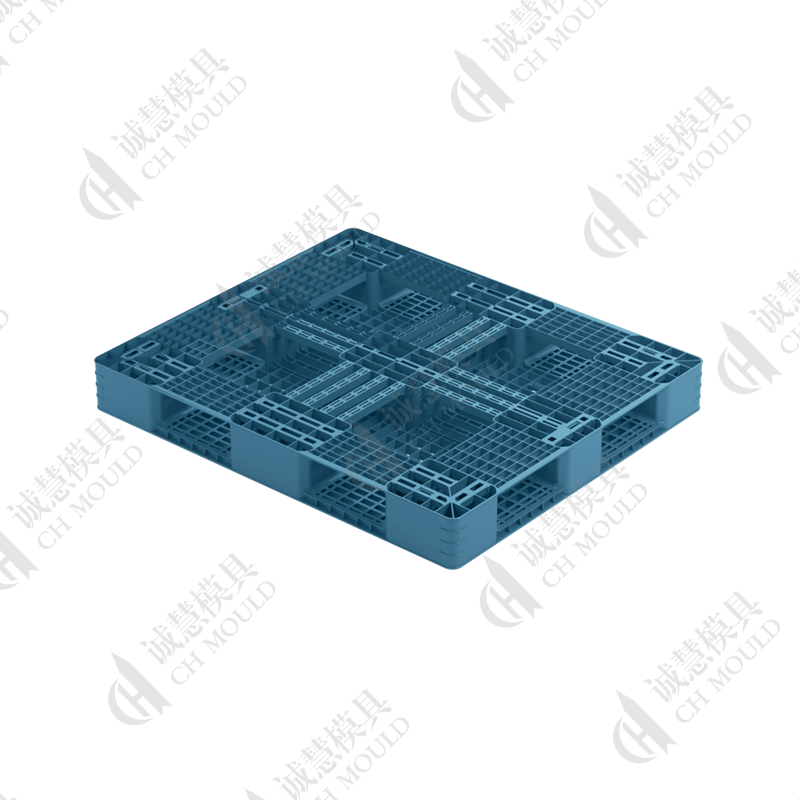
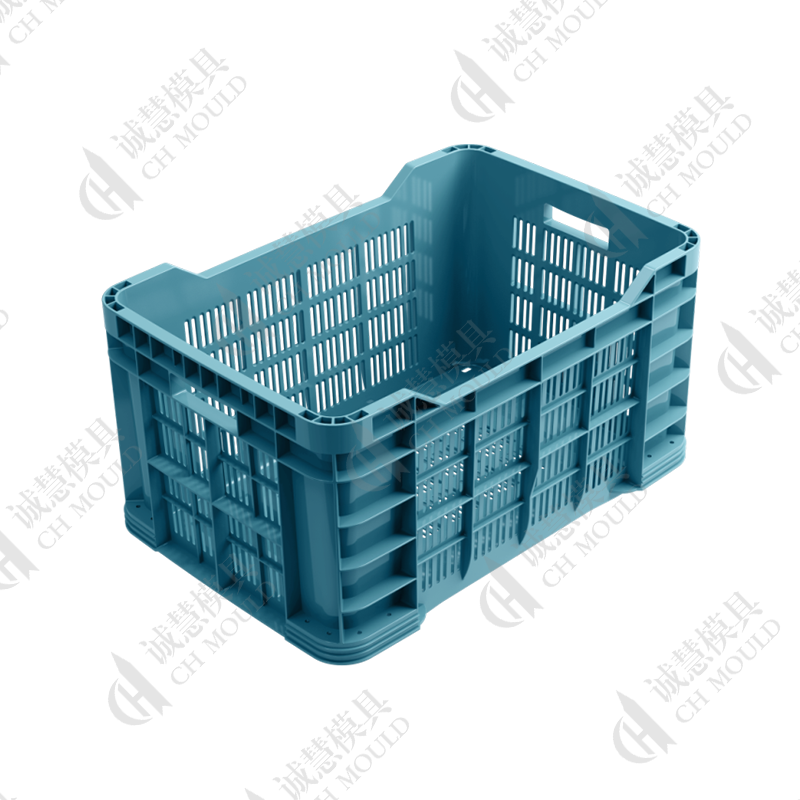
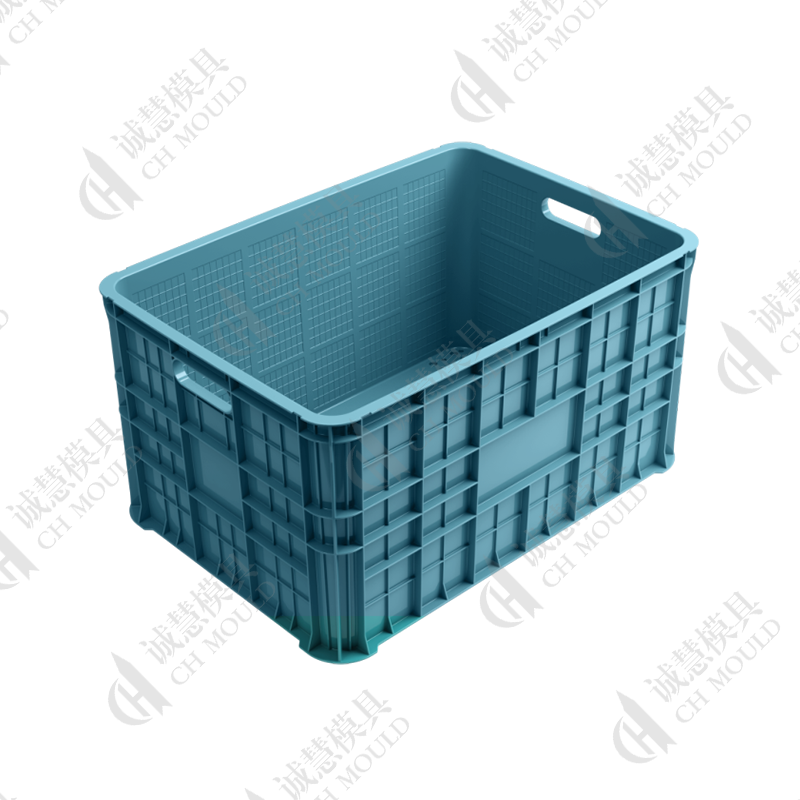
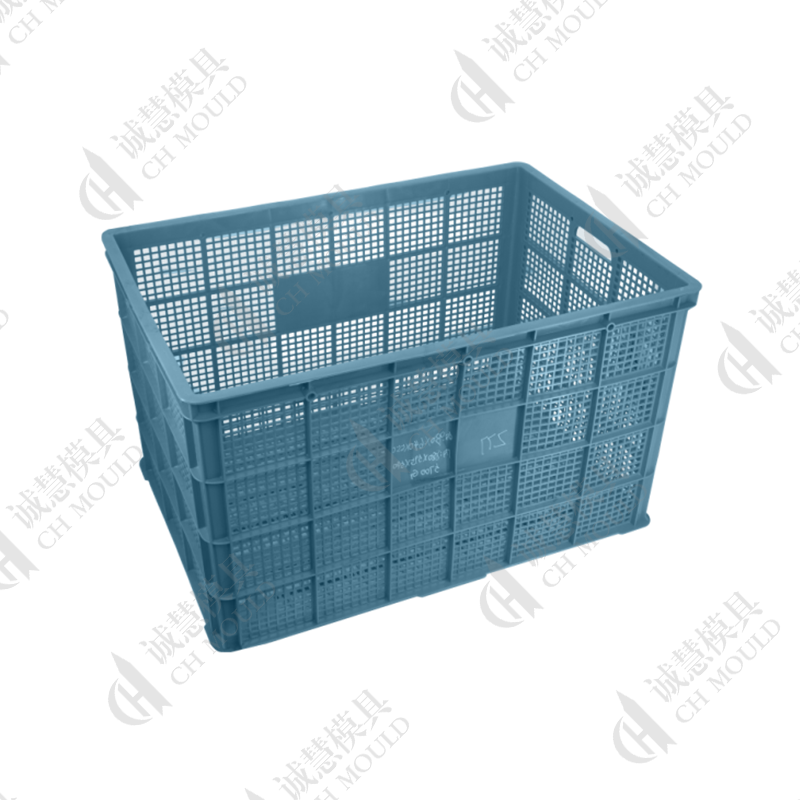
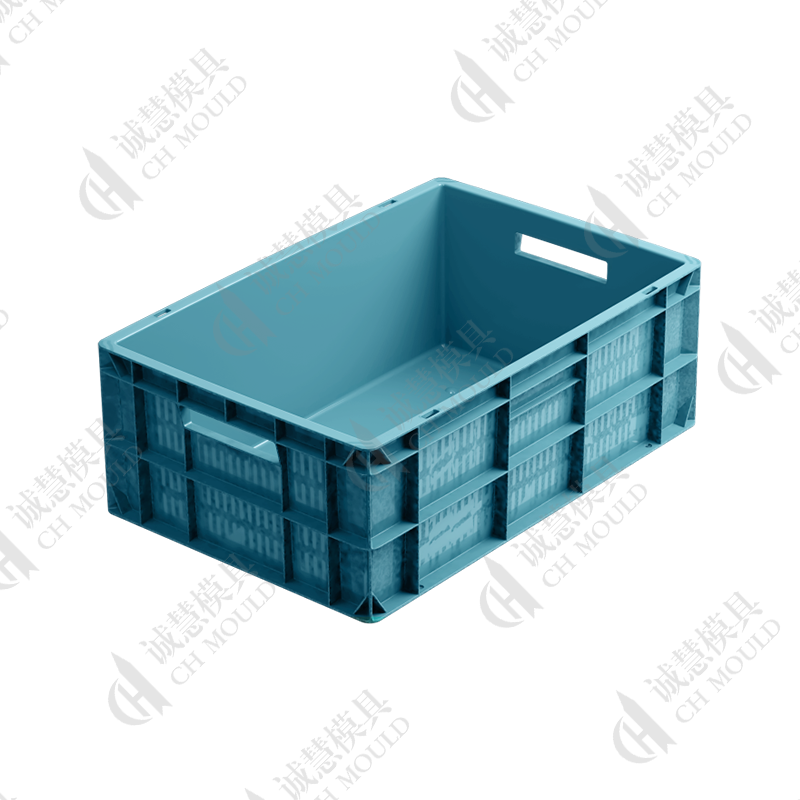
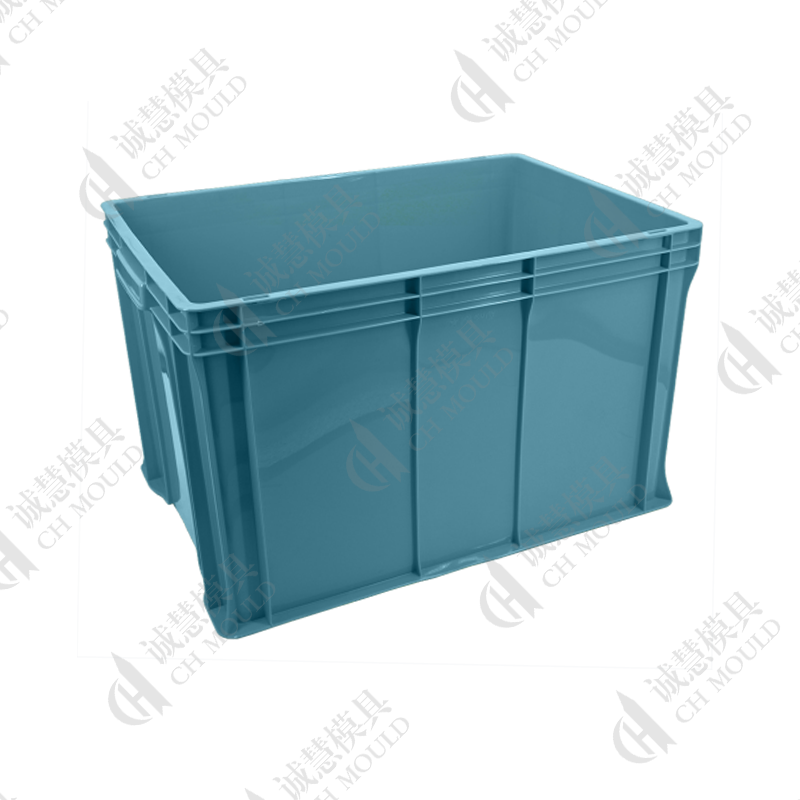
CHENGHUI Turnover Box Mold 007
1. The Role of a Turnover Box Mold in Modern Supply Chains
A turnover box is a reusable plastic container designed to circulate repeatedly between suppliers, production facilities, distribution centers, retailers, and end users. Compared with disposable cartons or thin packaging, a reusable box can provide a longer service life, better protection against moisture, easier cleaning, and more reliable stacking. These features are particularly important in closed-loop logistics systems where containers are returned, inspected, cleaned, and reused.
The mold is the foundation of this reusable product. During injection molding, molten plastic is injected into a carefully machined cavity under controlled pressure and temperature. After cooling, the solidified part must be released from the mold without distortion, sticking, excessive flash, or surface damage. Any inaccuracy in the cavity, core, cooling layout, ejection system, or mold assembly can affect the final box.
Turnover boxes commonly contain multiple functional features, including side walls, corner posts, bottom ribs, stacking supports, hand grips, ventilation openings, interlocking areas, label panels, and sometimes hinged or removable lids. These details must work together as a single structure. If the stacking features are not aligned, boxes may lean or collapse. If the handles are too thin, they may crack during lifting. If the bottom is not sufficiently reinforced, the box may deform under load. If the walls cool unevenly, the product may warp and fail to stack properly.
For these reasons, a turnover box mold should be regarded as a precision production system rather than a simple metal cavity. It must balance product appearance, mechanical performance, molding efficiency, maintenance requirements, and the intended production volume.
2. Product Overview: CHENGHUI Turnover Box Mold 007
The CHENGHUI Turnover Box Mold 007 is a custom injection mold solution for manufacturing reusable plastic turnover boxes. Its design can be developed according to the buyer’s product drawings, three-dimensional files, physical samples, material requirements, machine conditions, and annual output targets.
The mold is suitable for manufacturers producing boxes for industrial handling, warehouse storage, agricultural collection, food distribution, supermarket logistics, component transportation, and general commercial storage. Depending on the application, the final box may be produced using materials such as polypropylene or other suitable thermoplastics selected for impact resistance, rigidity, chemical resistance, temperature performance, and cost efficiency.
Because turnover boxes vary widely in size and function, the mold should not be treated as a fixed, universal tool. A box intended for light warehouse storage may require a different wall thickness and reinforcement layout from a box used for heavy automotive parts. A ventilated agricultural crate may need a different opening ratio from a closed food distribution box. A nesting box may require specialized taper and internal clearance, while a stack-only container may require stronger vertical support areas.
CHENGHUI Turnover Box Mold 007 can therefore be developed as a customized tooling project. The mold engineering process can consider the following factors:
• External length, width, and height of the box.
• Internal usable volume and load requirements.
• Stackable, nestable, or stack-and-nest structure.
• Handle position, grip size, and user comfort.
• Ventilation holes, drainage openings, and cleaning requirements.
• Bottom rib layout and reinforcement requirements.
• Product material, color, additives, and recycled content.
• Surface texture, logo, label panel, and identification markings.
• Injection molding machine size and available clamping force.
• Expected annual production volume and mold life.
• Automatic, semi-automatic, or manual part removal.
This project-based approach allows the tool to be matched with actual production conditions rather than forcing a standard mold into an unsuitable application.
3. Major Product Advantages
3.1 Stable Dimensional Accuracy
Dimensional accuracy is essential for turnover boxes because many customers use standardized racks, pallets, conveyor systems, shelving units, and transport vehicles. Even a small dimensional deviation can make a box difficult to stack, unstable during transportation, or incompatible with existing handling equipment.
A precision mold helps maintain the external dimensions, internal clearances, corner geometry, handle positions, and stacking interfaces of every production batch. Accurate machining and careful mold assembly reduce the risk of uneven parting lines, mismatched cavity surfaces, and inconsistent wall geometry.
Stable dimensions also make quality inspection more efficient. When the tool produces consistent parts, manufacturers can establish reliable inspection limits and reduce the frequency of production adjustments. This is especially valuable in high-volume manufacturing, where small dimensional problems can multiply across thousands of boxes.
3.2 Strong Structural Performance
Turnover boxes are frequently lifted, filled, stacked, transported, emptied, washed, and reused. Their structural performance must therefore be considered under repeated loading rather than only during a single use. The mold design can support a product structure with appropriate wall thickness, corner reinforcement, bottom ribs, stacking columns, and handle transitions.
Properly designed reinforcement distributes stress throughout the box and reduces concentrated loads. Rounded transitions can help reduce stress concentration at corners and handle areas. Carefully arranged ribs can improve rigidity while limiting unnecessary material consumption. These design principles help the finished product achieve an effective balance between strength, weight, and cost.
The mold must reproduce these design features accurately. A rib that is too shallow may not provide sufficient support, while a rib that is too thick may create sink marks, uneven cooling, or increased cycle time. CHENGHUI’s engineering experience in household and industrial injection molds helps support the practical balance required for reusable container production.
3.3 Efficient Cooling and Cycle Performance
Cooling is one of the most important factors affecting injection molding productivity. Plastic must solidify sufficiently before the part is ejected. If cooling is too slow, the cycle time increases and production capacity falls. If cooling is uneven, the box may warp, shrink unpredictably, or lose dimensional stability.
An effective turnover box mold should use a cooling layout designed around the actual product geometry. Cooling channels should be positioned to remove heat from thick areas, corners, ribs, and high-load sections as evenly as practical. The design must also consider water flow, accessibility for maintenance, sealing reliability, and the possibility of future cleaning.
Improved cooling consistency can provide several benefits:
• Shorter and more predictable molding cycles.
• Reduced warpage and dimensional variation.
• More consistent surface appearance.
• Lower risk of sticking during ejection.
• Improved production capacity over long operating periods.
• More stable energy consumption per part.
For large plastic products such as turnover boxes, cooling design can have a direct effect on the commercial competitiveness of the finished product. A mold that produces a consistent part in a reasonable cycle may provide a lower total cost per box than a cheaper mold with poor thermal balance.
3.4 Reliable Demolding
Turnover boxes often include deep walls, reinforcing ribs, handles, and internal structures that can make part removal challenging. If the product remains attached to the core or is ejected unevenly, it may become deformed or damaged. Repeated ejection problems can also slow production and increase operator intervention.
The mold can be engineered with an appropriate draft angle, ejection system, guide structure, and surface finish. The ejection arrangement should distribute force across suitable areas of the product instead of placing excessive pressure on a single thin wall or decorative surface. For box designs with special interlocking or nesting features, the mold engineer must also ensure that the product can be released without damaging these functional areas.
Reliable demolding improves both product quality and operator safety. It can reduce manual handling, prevent accidental tool contact, and support automated or semi-automated production lines.
3.5 Good Surface Quality and Appearance
Although a turnover box is primarily a functional product, appearance remains important. Distributors and brand owners often require clean surfaces, uniform texture, clear logo details, and minimal visible molding defects. In food, retail, and consumer-facing logistics applications, the box may be seen by customers or used in a controlled presentation environment.
The final surface quality depends on steel preparation, polishing or texturing, venting, processing conditions, and plastic material selection. A well-made mold can help reduce defects such as excessive flash, weld line visibility, burn marks, drag marks, and inconsistent texture.
Surface treatment can be selected according to the application. A practical texture may hide minor handling marks and improve grip, while a smoother surface may support easier cleaning. Logo areas and label panels may require a different finish from the rest of the box. These details should be determined during the design review before machining begins.
4. Advantages Over Low-Cost or Inexperienced Tooling
Price is an important consideration in mold purchasing, but it should be evaluated together with service life, production stability, maintenance, and total ownership cost. A low quotation may not represent a lower cost if the mold requires frequent repairs, produces high rejection rates, or cannot achieve the required cycle time.
Compared with poorly engineered tooling, a professionally developed turnover box mold can offer the following advantages.
4.1 Better Long-Term Reliability
A production mold must withstand repeated injection, clamping, heating, cooling, ejection, and maintenance operations. Material selection, heat treatment, component quality, and assembly precision all affect service life. When these elements are selected only to minimize the initial price, premature wear or failure may occur in high-stress areas.
An experienced mold factory can recommend suitable mold materials based on expected production volume, plastic type, product size, and maintenance conditions. The result is a more rational relationship between mold investment and expected service life.
4.2 Lower Risk of Product Rejection
Dimensional inconsistency, flash, warpage, short shots, sink marks, and poor weld lines can create significant losses for a box manufacturer. Defective parts consume material, machine time, labor, and packaging resources. They may also delay customer delivery and damage the supplier’s reputation.
Design review, flow analysis where appropriate, precision machining, controlled assembly, and mold testing help identify problems before mass production. This preventive approach is generally more cost-effective than correcting defects after the mold has been delivered to the customer’s factory.
4.3 Easier Maintenance and Spare-Part Management
A turnover box mold may operate for many years. During this period, wear components such as ejector pins, guide elements, seals, springs, and certain inserts may need replacement. A practical mold design should make inspection and replacement as straightforward as possible.
Clear component identification, standardized parts where suitable, accessible cooling connections, and organized technical documentation can reduce maintenance time. These details are especially important for manufacturers operating multiple molds and multiple shifts.
4.4 More Effective Communication
Custom tooling requires accurate communication between the product owner and the mold manufacturer. An experienced supplier can identify potential problems in drawings, clarify unclear requirements, and recommend adjustments that improve manufacturability. This communication can prevent expensive modifications after machining or trial production.
Chenghui Mould provides support across concept review, product design evaluation, mold design, machining, assembly, trials, inspection, and after-sales service. This integrated workflow helps maintain continuity from the initial idea to the final mold acceptance.
5. Engineering Design Considerations
5.1 Product Geometry and Wall Thickness
The box geometry must be suitable for injection molding. Uniform wall thickness is generally preferred because large changes in thickness can lead to uneven cooling and shrinkage. However, practical turnover boxes often require local reinforcements, ribs, handles, or stacking supports. These features must be designed carefully so that they improve strength without creating excessive thick sections.
Draft angles are also important. Sufficient draft allows the molded box to separate from the core and cavity with less resistance. The required amount depends on the material, surface texture, depth, and product geometry. Textured surfaces generally require more draft than smooth surfaces.
5.2 Parting Line Planning
The parting line is the area where the mold separates to release the product. Its position affects flash, appearance, dimensional accuracy, mold complexity, and ejection. For a turnover box, the parting line should be located in a way that supports reliable separation while minimizing visible defects on important surfaces.
Corner posts, handles, interlocking features, and side openings may require particular attention. A poorly chosen parting line can create difficult shutoffs, excessive wear, or visible mismatch. During design review, the manufacturer should examine how the parting line interacts with the product’s functional and visual requirements.
5.3 Gate and Runner Design
The gate introduces molten plastic into the cavity. Its location and size influence filling balance, weld lines, pressure requirements, appearance, and residual stress. Large turnover boxes may require a gating arrangement that fills the cavity evenly and supports stable packing.
The best solution depends on the product size, material, wall layout, injection machine, expected cycle, and appearance requirements. Gate vestige should be positioned where it does not interfere with stacking, handling, labeling, or cleaning. If the box design includes visible external surfaces, gate placement should be discussed early in the project.
5.4 Venting
Air trapped inside the cavity must escape as molten plastic fills the mold. Insufficient venting can cause burn marks, incomplete filling, weak weld lines, and unstable surface quality. Proper venting is particularly important around deep ribs, corners, end-of-fill locations, and enclosed structural features.
Vents must be designed to release air without creating excessive flash. They also need to remain maintainable because contamination or wear can reduce their effectiveness over time.
5.5 Ejection and Guide Systems
The ejection system must release the finished box smoothly and evenly. Ejector pins, plates, sleeves, or other mechanisms should be positioned according to the product’s structural strength and appearance requirements. Ejection force should be distributed to reduce distortion.
Guide pillars, guide bushes, support structures, and alignment components help maintain precision during repeated mold opening and closing. Proper guidance protects the cavity and core surfaces and reduces the risk of damage caused by misalignment.
6. Manufacturing Process at the Mold Factory
Chenghui Mould has been engaged in injection mold design and manufacturing since 1994. With more than 30 years of experience, the company combines technical design capability, in-house workshop operations, precision processing, mold trial resources, and quality management. Its manufacturing system is intended to support both standard and customized tooling projects.
6.1 Requirement Confirmation
The process begins with a review of the customer’s product requirements. Engineers examine product drawings, three-dimensional data, samples, material information, expected production volume, machine specifications, packaging requirements, and target markets.
At this stage, the team may identify potential issues such as insufficient draft, unsuitable wall thickness, difficult undercuts, weak stacking features, excessive material concentration, or an unsuitable gate location. Resolving these issues before detailed mold design helps reduce later changes.
6.2 Product and Mold Design
After requirement confirmation, engineers prepare the mold design. The design includes the cavity and core structure, parting line, cooling channels, gating system, ejection system, guide components, inserts, mold base, and maintenance access.
For a customized turnover box, the design may also include special arrangements for ventilation openings, reinforcement ribs, nesting surfaces, labeling areas, logo inserts, or replaceable wear components. The design should reflect not only the shape of the product but also the customer’s production method and maintenance capability.
6.3 Material and Component Selection
Mold steel and component selection should be based on the expected service conditions. Factors may include production volume, plastic material, abrasive additives, corrosion risk, surface requirements, and repair expectations. A higher-output project may justify a more durable material or replaceable insert structure, while a lower-output project may require a more cost-controlled configuration.
The goal is not simply to select the most expensive material. It is to select a technically appropriate combination that provides sufficient strength, wear resistance, dimensional stability, and maintainability.
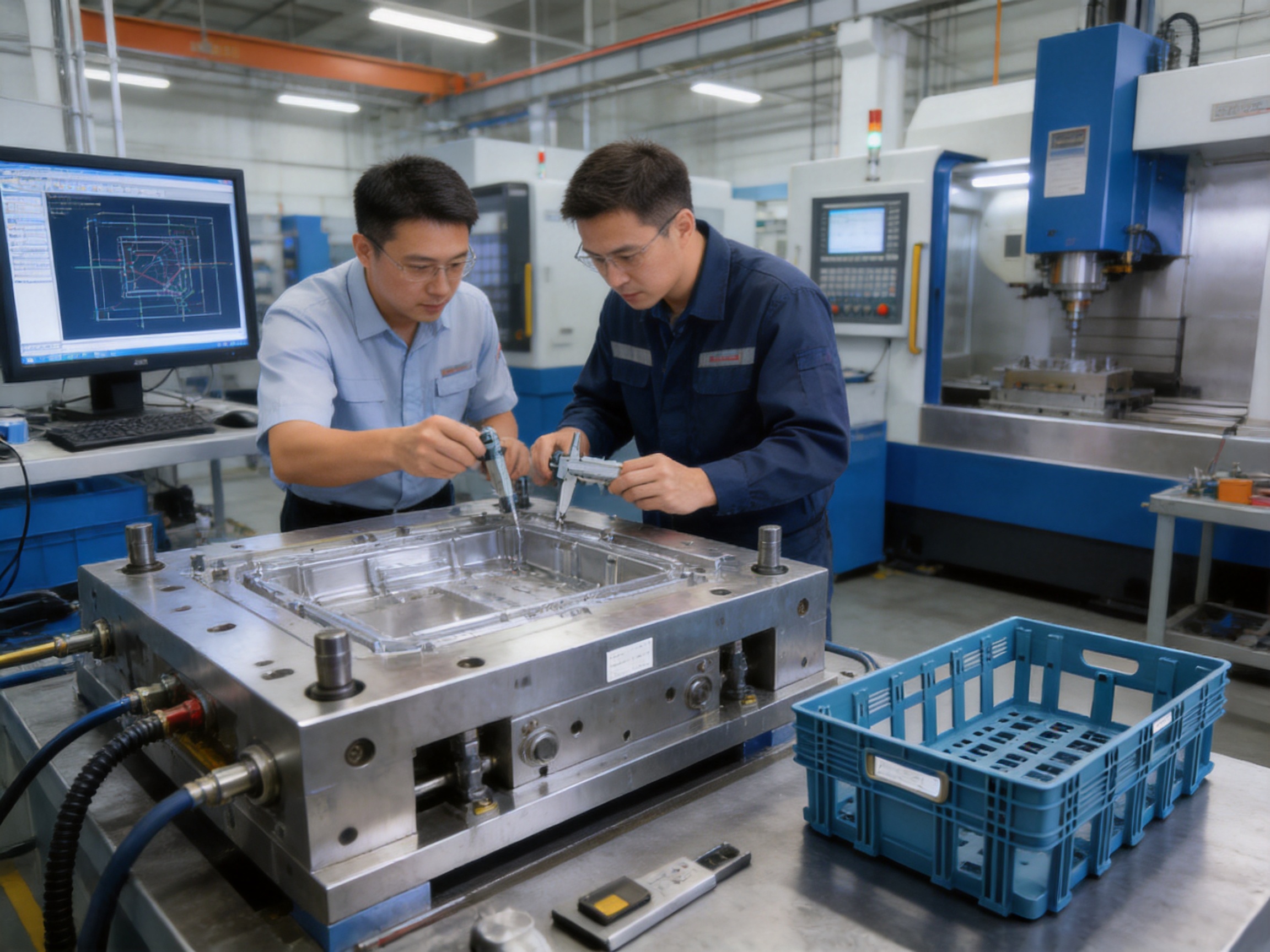
6.4 Precision Machining
Chenghui Mould operates its own production workshop with 104 advanced processing machines. This equipment supports machining operations required for mold components, including milling, drilling, cutting, grinding, electrode production, and other precision processes as appropriate to the project.
In-house processing can improve production coordination and communication between engineering and manufacturing departments. It also allows the factory to monitor machining progress, respond to design adjustments, and maintain greater control over critical components.
Precision machining is especially important for the box cavity, core, parting surfaces, shutoffs, alignment areas, cooling connections, and ejection components. Errors in these areas can affect product dimensions, mold life, and production stability.
6.5 Mold Assembly
After individual components are processed and inspected, the mold is assembled. The assembly team checks alignment, movement, ejection stroke, cooling connections, inserts, fasteners, and contact surfaces. The mold must open and close smoothly, with sufficient support for repeated operation.
Assembly quality is directly related to mold performance. Even accurately machined components can produce problems if they are incorrectly fitted, improperly adjusted, or insufficiently inspected during assembly.
6.6 Trial Molding
Mold trials allow the manufacturer to evaluate the tool under actual or representative injection molding conditions. The trial process may examine filling, packing, cooling, ejection, cycle time, product dimensions, surface quality, flash, warpage, and functional performance.
For a turnover box, trial inspection should include the ability to stack, nest, handle, load, and fit the product with related boxes or logistics equipment where relevant. If the box is intended for automated handling, its interaction with conveyors, pallets, racks, or robotic grippers should also be considered.
Trial results may lead to adjustments in processing parameters, venting, ejection, cooling, polishing, or other mold details. This iterative approach helps ensure that the mold is ready for stable mass production rather than merely producing a visually acceptable first sample.
6.7 Final Inspection and Delivery
Before delivery, the mold should undergo final inspection covering dimensions, operation, cooling, ejection, appearance, accessories, documentation, and sample products. Important spare parts and maintenance instructions should be identified clearly.
Final documentation may include mold drawings, operating recommendations, inspection information, component lists, and maintenance guidance. Clear documentation helps the customer’s production team install, operate, and maintain the tool correctly.
7. Factory Capacity and Quality Management
Chenghui Mould has an annual production capacity of more than 1,500 mold sets. This capacity reflects an established manufacturing organization capable of managing multiple mold projects for household, industrial, storage, and logistics products.
The company manufactures molds for a broad range of products, including storage boxes, turnover boxes, laundry baskets, buckets, trash cans, storage racks, tables, chairs, furniture components, and other daily-use plastic products. This product diversity provides useful experience in handling different wall structures, product sizes, reinforcement systems, surface requirements, and molding challenges.
Quality management should cover the complete project rather than only the final appearance of the mold. Important control points include:
• Review of customer requirements.
• Verification of product and mold design.
• Inspection of incoming materials and components.
• Dimensional control during machining.
• Assembly and movement checks.
• Cooling and ejection verification.
• Trial molding and sample evaluation.
• Final mold inspection.
• Technical documentation and after-sales support.
Such a process-oriented system helps reduce dependence on individual judgment and makes the manufacturing result more repeatable.
8. Customization Options for Different Turnover Box Applications
8.1 Industrial Parts Handling
Industrial turnover boxes often transport metal, plastic, electronic, or mechanical components between production stations. These boxes may require strong corners, high load resistance, smooth interior surfaces, and compatibility with standardized pallets or racks.
For this application, the mold design may prioritize reinforced bottom ribs, durable handles, stable stacking columns, and resistance to repeated impact. Internal dividers or specialized inserts may also be developed if the box is intended to hold particular parts.
8.2 Warehouse and Distribution Use
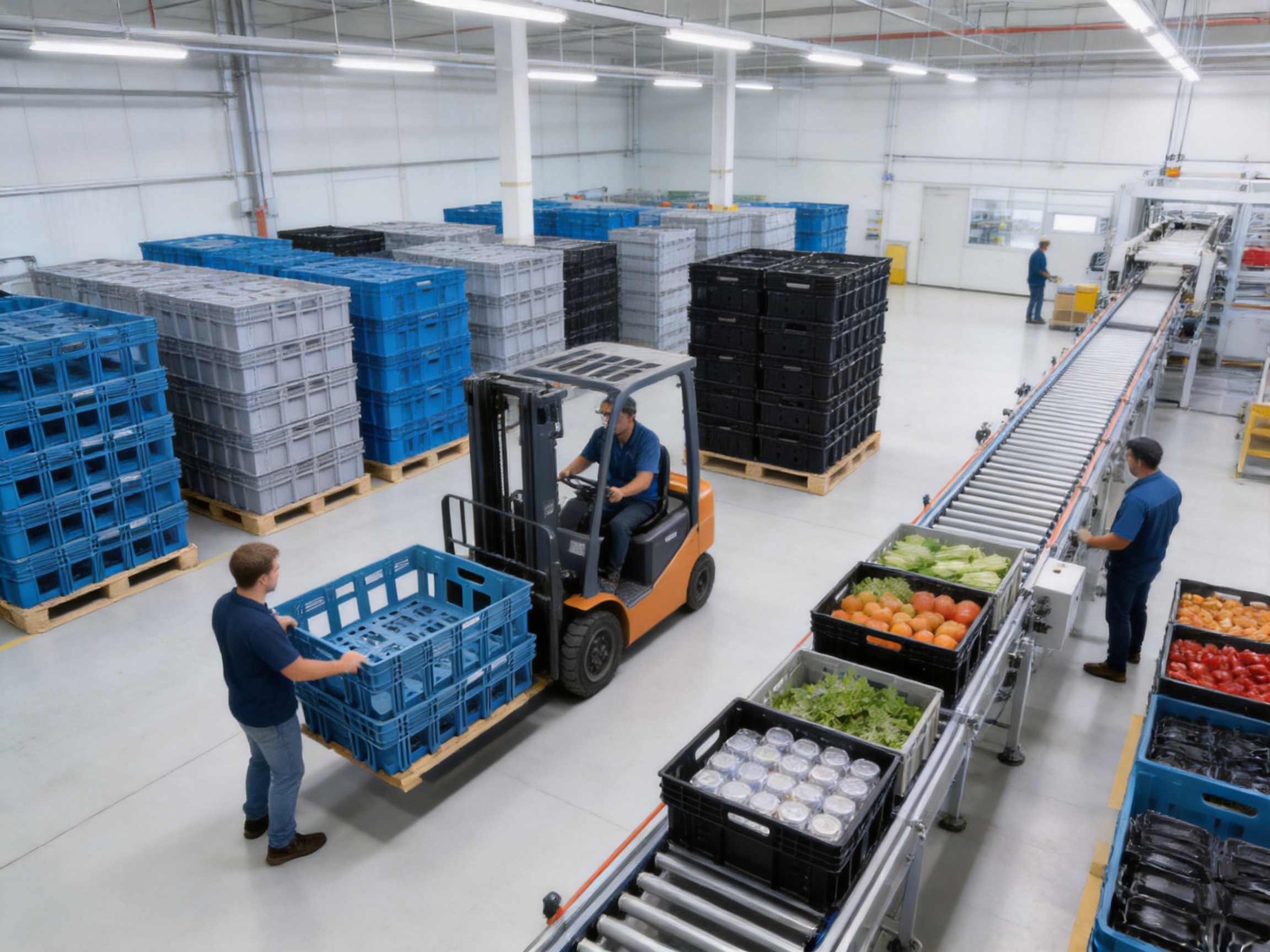
Warehouse boxes may be moved manually, by forklift, on conveyors, or through automated storage systems. Consistent external dimensions are essential because the boxes must interact reliably with handling equipment.
Design considerations may include barcode or label panels, ergonomic hand openings, stacking stability, nesting efficiency, and a weight suitable for frequent handling. A well-designed mold can support uniformity across large production quantities.
8.3 Agricultural and Food Logistics
Agricultural crates and food logistics boxes may require ventilation openings, drainage, easy cleaning, and resistance to moisture. The opening arrangement must maintain product protection while allowing air circulation and visibility.
Material selection and surface design should be reviewed according to the intended application and applicable customer requirements. The mold must reproduce openings accurately without creating weak sections or difficult-to-clean recesses.
8.4 Retail and Commercial Storage
Retail and commercial storage products may place greater emphasis on appearance, color consistency, smooth surfaces, brand identification, and user convenience. Logo areas, label panels, and surface textures can be incorporated into the mold according to the customer’s requirements.
For visible applications, the location of the parting line, ejector marks, gate vestige, and texture transitions deserves additional attention. These details can influence the perceived quality of the finished product.
9. Comparing Mold Performance Factors
| Evaluation Factor | Importance for Turnover Boxes | Value of Professional Mold Engineering |
|---|---|---|
| Dimensional accuracy | Ensures stable stacking, nesting, handling, and equipment compatibility | Supports consistent cavity machining, assembly, and inspection |
| Cooling balance | Reduces warpage and helps control cycle time | Allows cooling channels to be planned around ribs, corners, and thick areas |
| Ejection reliability | Prevents deformation, sticking, and production interruptions | Enables appropriate draft, ejector layout, and release force distribution |
| Steel and component selection | Affects service life, wear resistance, and repair frequency | Matches mold construction with output, material, and operating conditions |
| Surface quality | Influences appearance, cleaning, grip, and customer acceptance | Coordinates polishing, texturing, venting, and processing requirements |
| Maintenance access | Reduces downtime during inspection and component replacement | Supports practical component layouts and technical documentation |
| Trial and validation | Confirms that the mold can produce usable parts under real conditions | Identifies and corrects issues before mass production |
| Customization capability | Allows the box to match specific markets and logistics systems | Integrates product features, branding, material, and machine requirements |
10. Total Cost of Ownership
The purchase cost of a mold is only one part of the total economic calculation. A manufacturer should also consider mold life, cycle time, scrap rate, maintenance, energy use, labor requirements, delivery reliability, and the cost of future modifications.
A mold that costs slightly more initially may provide a lower total cost if it produces more good parts per hour, requires fewer repairs, and maintains stable quality for a longer period. In contrast, a tool with poor cooling or inaccurate assembly may require longer cycles, more operator attention, and frequent corrective work.
For turnover box manufacturers, production volume is often high enough that small improvements become financially significant. Saving a few seconds per cycle can increase annual output. Reducing a small percentage of rejected boxes can save substantial material and processing costs. Preventing a major mold failure can avoid delivery delays and emergency repair expenses.
Therefore, mold selection should be based on the complete production objective. The buyer should evaluate the expected annual quantity, target cycle time, required product life, quality standards, maintenance resources, and future product development plans.
11. Installation, Operation, and Maintenance Recommendations
Even a high-quality mold requires correct installation and operation. Before mounting the mold, the production team should verify machine compatibility, mold weight, clamping dimensions, ejector stroke, water connections, hot or cold runner requirements, and available injection capacity.
Cooling lines should be connected carefully and checked for leakage. Water quality should be managed to reduce scaling or corrosion. Operators should follow recommended startup and shutdown procedures instead of applying sudden thermal or mechanical changes.
During production, the team should monitor cycle time, mold temperature, cooling flow, product dimensions, ejection behavior, and surface quality. Changes in these conditions may indicate wear, blocked cooling channels, damaged vents, material variation, or processing instability.
Regular maintenance may include:
• Cleaning parting surfaces and vents.
• Inspecting ejector pins and return mechanisms.
• Lubricating suitable moving components.
• Checking guide components and alignment.
• Examining cooling connections and water flow.
• Removing residue from cavity and core surfaces.
• Inspecting wear areas and shutoffs.
• Recording repairs and replacement parts.
• Protecting the mold against corrosion during storage.
Maintenance records help identify recurring problems and support more accurate planning for spare parts and scheduled service.
12. Why Choose an Experienced Custom Mold Partner
A custom mold project involves many technical decisions that influence the final product. An experienced partner can contribute not only machining capacity but also practical knowledge of plastic behavior, product design, mold construction, injection processing, and long-term maintenance.
Chenghui Mould’s more than 30 years of industry experience provides a foundation for serving customers in different regions and application sectors. The company exports molds to the Middle East, Europe, America, Africa, Southeast Asia, and other markets. International project experience can help improve communication regarding drawings, inspection requirements, packaging, shipment preparation, and after-sales coordination.
The company’s service covers the project lifecycle from concept, drawing, and sample development to machining, assembly, trial molding, quality inspection, and after-sales support. This integrated service model can reduce the number of separate suppliers involved in a project and make responsibility easier to define.
For overseas buyers, communication quality is particularly important. Clear confirmation of product data, mold specifications, sample approval, delivery expectations, and technical documents helps reduce misunderstandings. A supplier that can provide structured project support is often more valuable than a supplier offering only a low initial quotation.
13. Typical Project Workflow for Buyers
A buyer preparing to order a turnover box mold should provide as much information as possible at the beginning of the project. Useful materials include the product drawing, three-dimensional model, physical sample, expected plastic material, annual output, machine information, box load requirement, stacking arrangement, surface requirements, and intended market.
The project may then follow these stages:
1. Product requirement review.
2. Feasibility and manufacturability discussion.
3. Mold concept and quotation preparation.
4. Product and mold design confirmation.
5. Detailed engineering and material procurement.
6. Precision machining and component inspection.
7. Mold assembly and mechanical testing.
8. Trial molding and sample evaluation.
9. Necessary modifications and final approval.
10. Final inspection, documentation, packaging, and shipment.
Following a defined workflow allows the buyer to make decisions at the correct stage. Changes to product geometry should ideally be completed before mold machining. Changes after steel cutting may increase cost and extend delivery time.
14. Environmental and Resource Considerations
Reusable turnover boxes can support more efficient logistics by reducing dependence on disposable packaging. Their environmental value depends on durable product design, repeated use, responsible material selection, and appropriate end-of-life handling.
The mold contributes to these objectives by enabling consistent production of boxes that can withstand repeated handling. A stronger and more stable box may remain in service longer, reducing the need for frequent replacement. Efficient molding can also reduce material waste through improved process control and fewer rejected parts.
Manufacturers may consider recyclable thermoplastics, recycled content where suitable, lightweight structural design, and easy separation of labels or accessories. These decisions should be evaluated together with mechanical performance, food or industrial requirements, processing stability, and customer expectations.
Energy efficiency can also be influenced by cycle time and cooling performance. A mold that supports stable, efficient cycles may help reduce energy consumption per box. However, the correct result depends on the complete injection molding system, including the machine, material, process settings, cooling equipment, and production schedule.
15. Quality and Commercial Benefits for Distributors
Distributors and wholesalers often need products that are easy to explain, dependable in use, and consistent across shipments. A high-quality turnover box mold supports these commercial requirements by helping manufacturers deliver uniform products with predictable dimensions and appearance.
Consistent production makes it easier for distributors to build repeat orders. Customers can purchase additional boxes later and expect them to fit with existing units. This is particularly important for warehouse systems, industrial supply chains, and standardized logistics programs.
A reliable mold also supports product differentiation. Manufacturers can offer multiple colors, sizes, wall structures, or branding versions based on market demand. The same engineering partner may be able to develop related products, such as storage bins, baskets, pallets, or other household and industrial containers.
From a purchasing perspective, the most useful supplier is not necessarily the one with the lowest mold price. It is the supplier that can provide an appropriate combination of technical quality, delivery control, customization, documentation, communication, and after-sales support.
16. Frequently Asked Questions
Q1: What type of product is the CHENGHUI Turnover Box Mold 007 designed to produce?
It is designed for producing reusable plastic turnover boxes used in logistics, warehousing, industrial handling, agriculture, retail, food distribution, and general storage. The final box structure can be customized according to the customer’s drawings, dimensions, material, and application requirements.
Q2: Can the mold be customized for different box sizes?
Yes. Turnover box molds are normally developed according to a specific product design. Size, wall structure, handle position, ventilation, stacking features, nesting geometry, bottom reinforcement, label panels, and logo details can be considered during the engineering stage.
Q3: Which materials can be used for turnover boxes?
Suitable thermoplastics may include polypropylene and other materials selected according to the required strength, impact resistance, chemical resistance, temperature performance, appearance, and cost. The final material should be confirmed according to the product application and injection molding conditions.
Q4: Why is cooling design important for a turnover box mold?
Cooling affects cycle time, warpage, shrinkage, dimensional stability, and product appearance. A balanced cooling system helps the plastic solidify more evenly and supports stable production, especially in boxes with ribs, corners, handles, and different wall thicknesses.
Q5: How does the mold support high-volume manufacturing?
High-volume performance depends on accurate machining, suitable mold materials, reliable guiding and ejection systems, effective cooling, practical maintenance access, and successful trial molding. These features help reduce downtime, control product variation, and maintain repeatable cycles.
Q6: Can the mold include logos or brand markings?
Yes. Logo inserts, identification marks, label panels, and other product details can be incorporated into the design when they are confirmed before machining. Their location should be selected according to appearance, mold construction, cleaning, stacking, and customer requirements.
Q7: What information should a buyer provide when requesting a quotation?
The buyer should provide product drawings or three-dimensional data, product dimensions, material, expected annual quantity, machine information, box load requirements, stacking or nesting requirements, surface finish, color, logo details, and delivery expectations. A physical sample can also be useful when available.
Q8: How is mold quality checked before delivery?
Quality checking may include component dimensional inspection, assembly verification, mold opening and closing tests, cooling and ejection checks, trial molding, sample evaluation, surface inspection, and confirmation of technical documents and accessories.
Q9: What is the advantage of working with a factory that has its own workshop?
An in-house workshop can improve communication between design, machining, assembly, and trial departments. It may also provide better control over processing schedules, design adjustments, component coordination, and quality checkpoints.
Q10: Does the manufacturer provide after-sales support?
Chenghui Mould provides after-sales support as part of its custom mold service. Support may include technical communication, operating guidance, maintenance discussion, problem analysis, and assistance with future modifications or replacement components.
Q11: Can the same supplier develop other plastic products?
Yes. The company manufactures molds for storage boxes, laundry baskets, buckets, trash cans, storage racks, tables, chairs, furniture products, PET storage products, and other household and industrial plastic products.
Q12: Why should mold life be considered together with initial price?
Mold life affects production continuity, repair expenses, replacement frequency, and total cost per product. A technically suitable mold may provide better long-term value by reducing defects, maintenance interruptions, and operating inefficiencies.
17. Conclusion
The CHENGHUI Turnover Box Mold 007 is a practical tooling solution for manufacturers that require reliable, repeatable, and scalable production of reusable plastic turnover boxes. Its value lies in the combination of product-focused engineering, dimensional accuracy, structural support, cooling efficiency, dependable demolding, maintainability, and customization potential.
Turnover boxes operate in demanding environments. They may be stacked, lifted, transported, washed, emptied, and reused many times. The mold used to produce them must therefore be designed with the complete product lifecycle in mind. A technically appropriate mold can help manufacturers achieve stable quality while controlling cycle time, material consumption, labor requirements, and maintenance costs.
With a history beginning in 1994, more than 30 years of mold manufacturing experience, an in-house workshop equipped with 104 advanced processing machines, professional mold trial capabilities, and annual production capacity exceeding 1,500 mold sets, Zhejiang Chenghui Mould Co., Ltd. is positioned to support custom plastic injection mold projects for customers in many markets.
For wholesalers, distributors, logistics companies, and industrial product manufacturers, selecting the right mold partner is a strategic production decision. By combining careful design review, precision machining, controlled assembly, trial validation, and ongoing technical support, a custom turnover box mold can become a dependable foundation for long-term product quality and business growth.
References
1. General principles of thermoplastic injection molding design and process control.
2. Industrial practices for reusable plastic containers, material handling boxes, and logistics packaging.
3. Engineering guidance on mold cooling, shrinkage control, warpage prevention, and cycle-time optimization.
4. Design considerations for injection-molded ribs, handles, stacking features, draft angles, and ejection systems.
5. Quality management practices for precision mold manufacturing and trial molding.
6. Zhejiang Chenghui Mould Co., Ltd. Company information and product manufacturing materials supplied for this article.