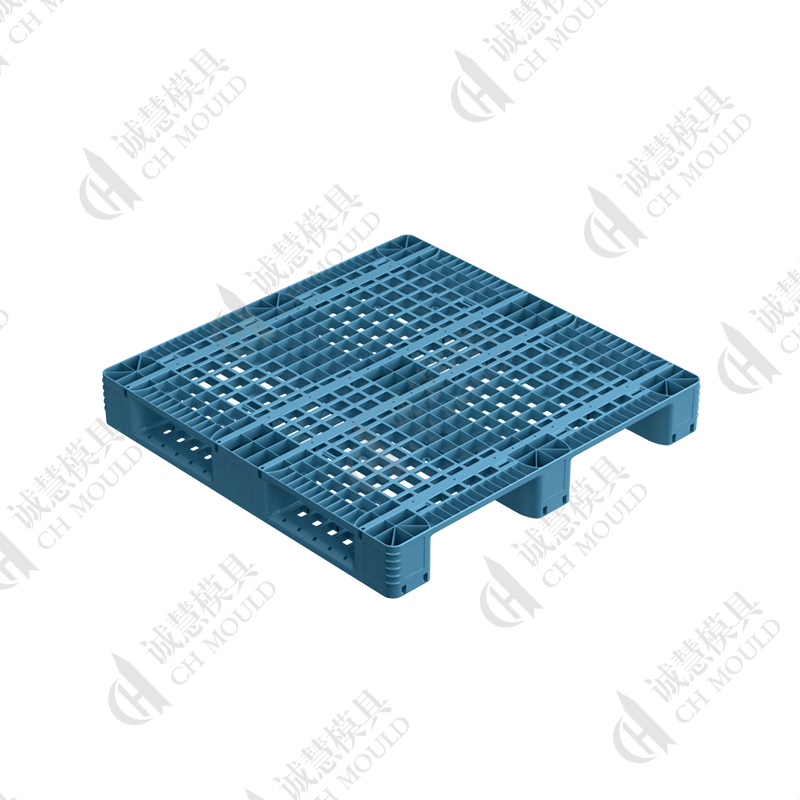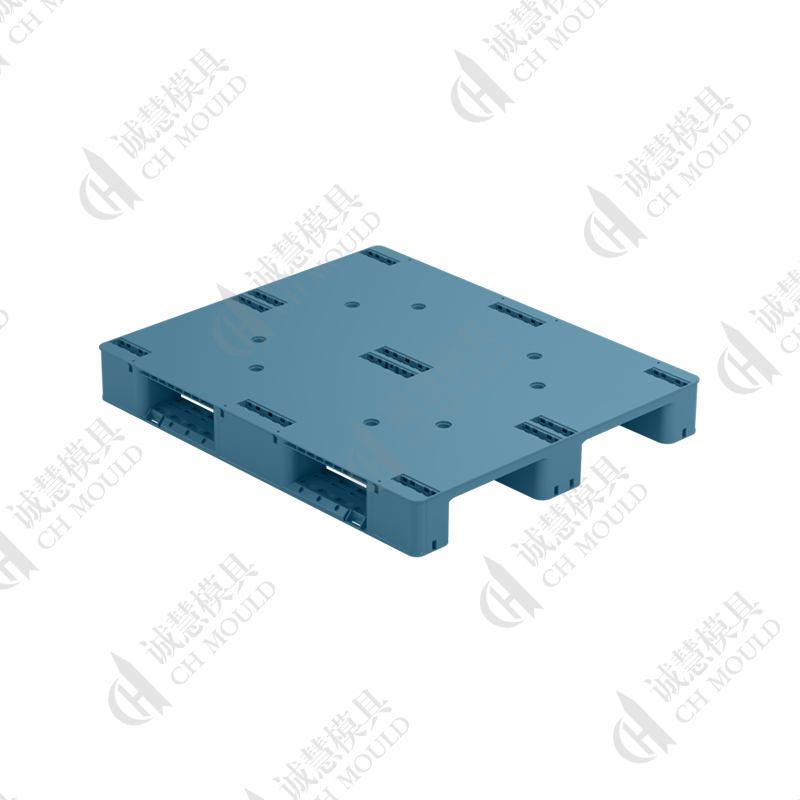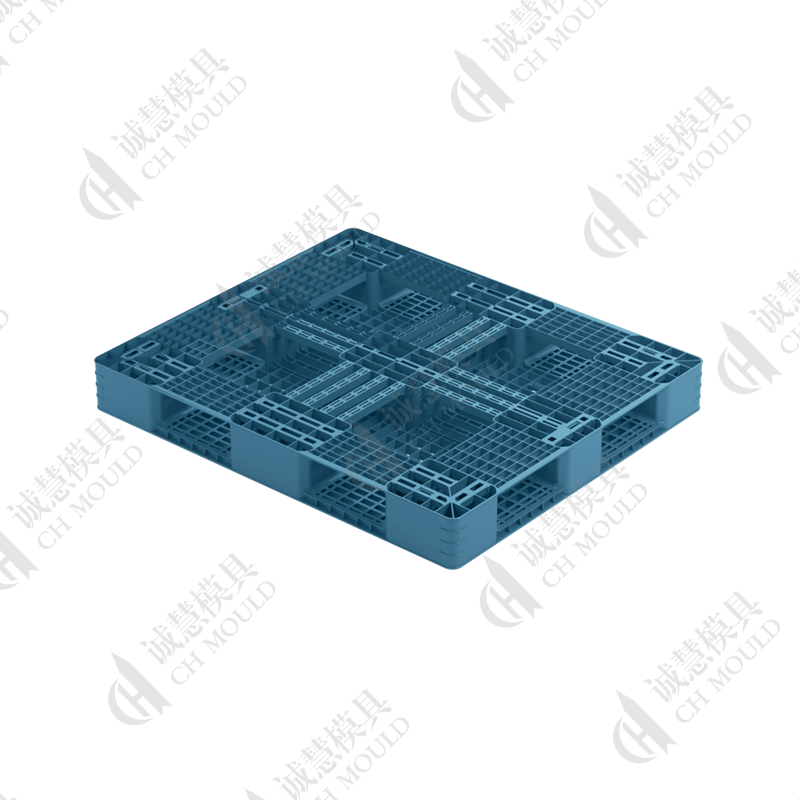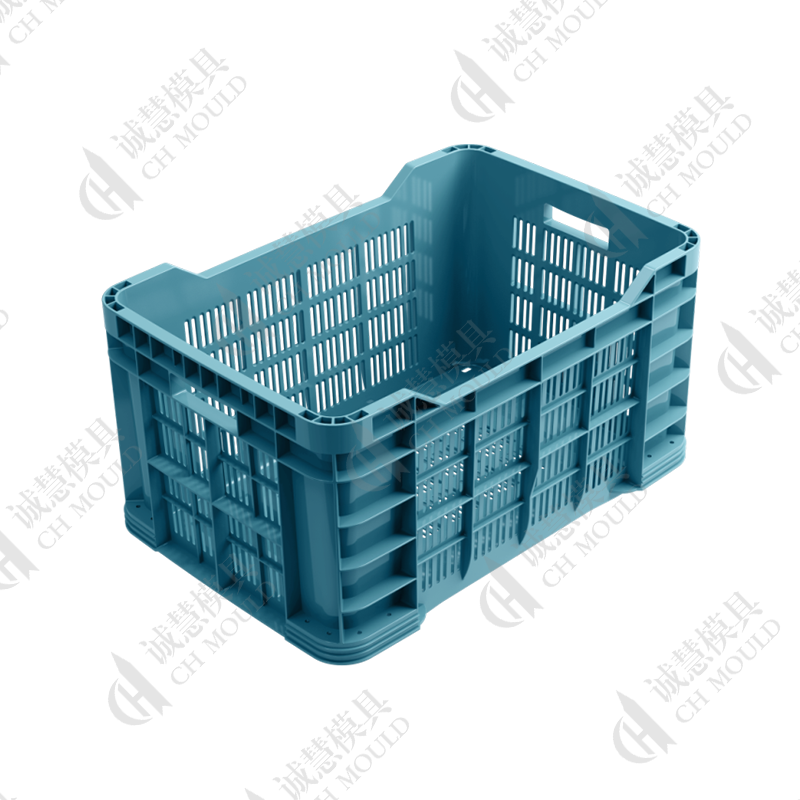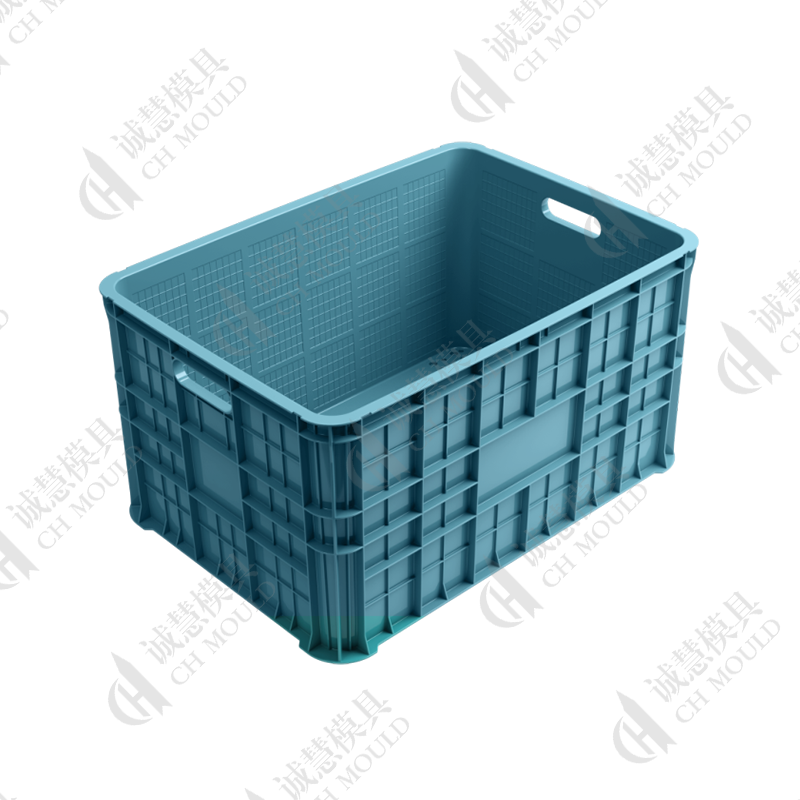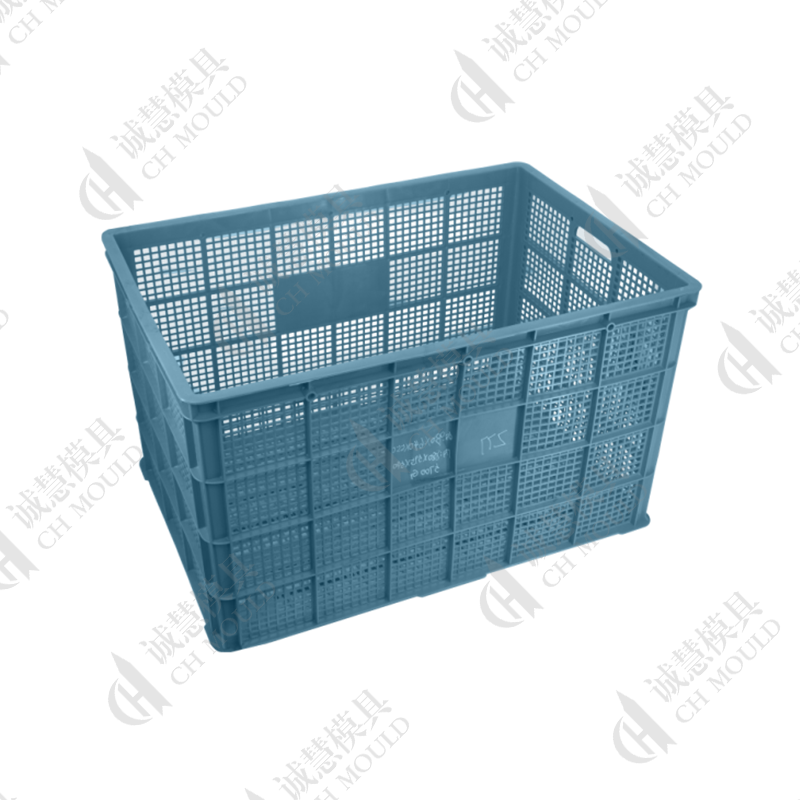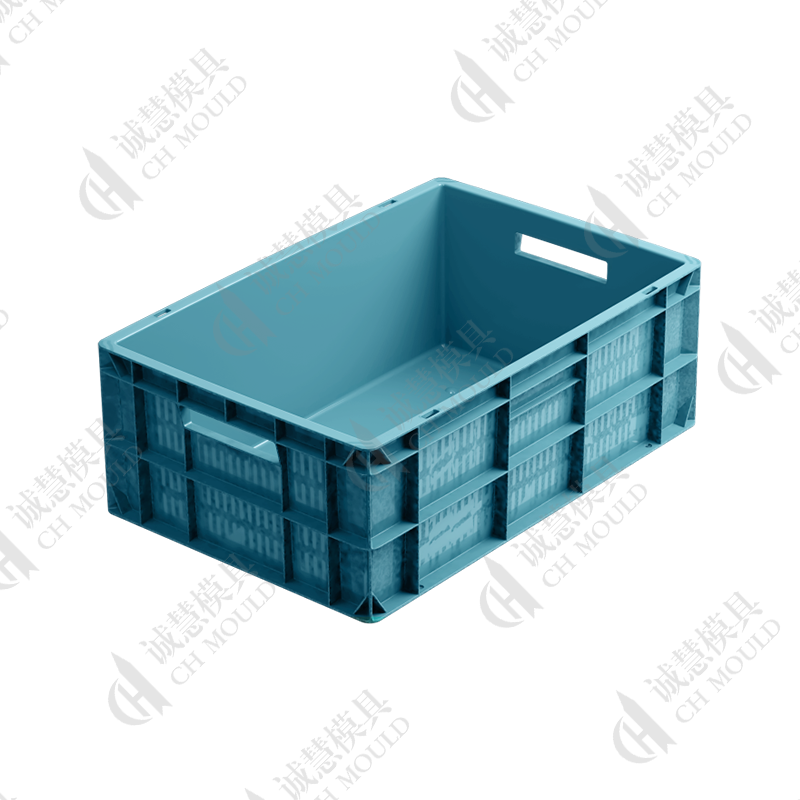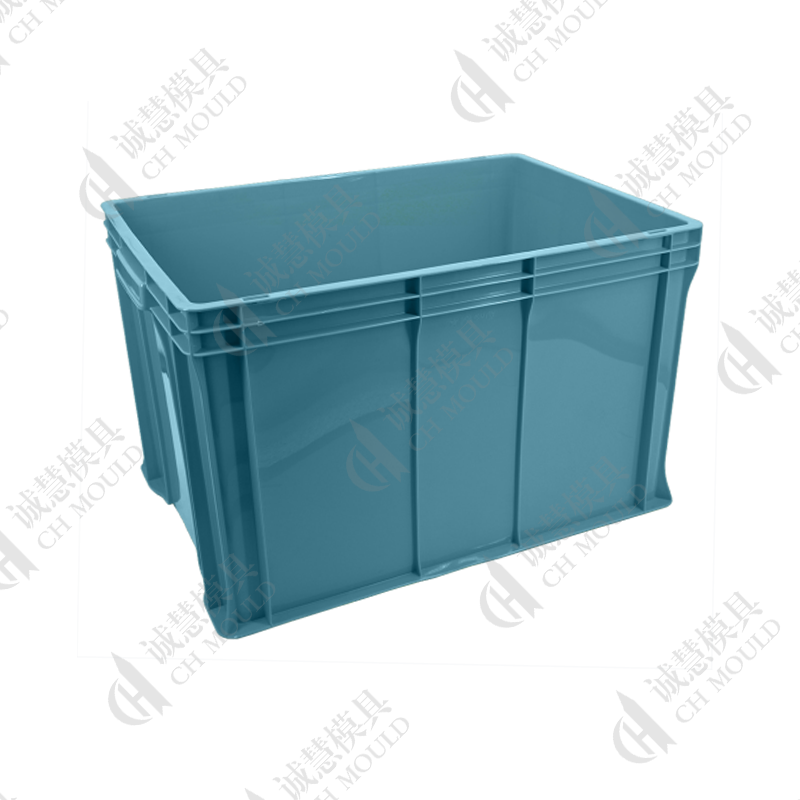

 Français
 Español
 عربى
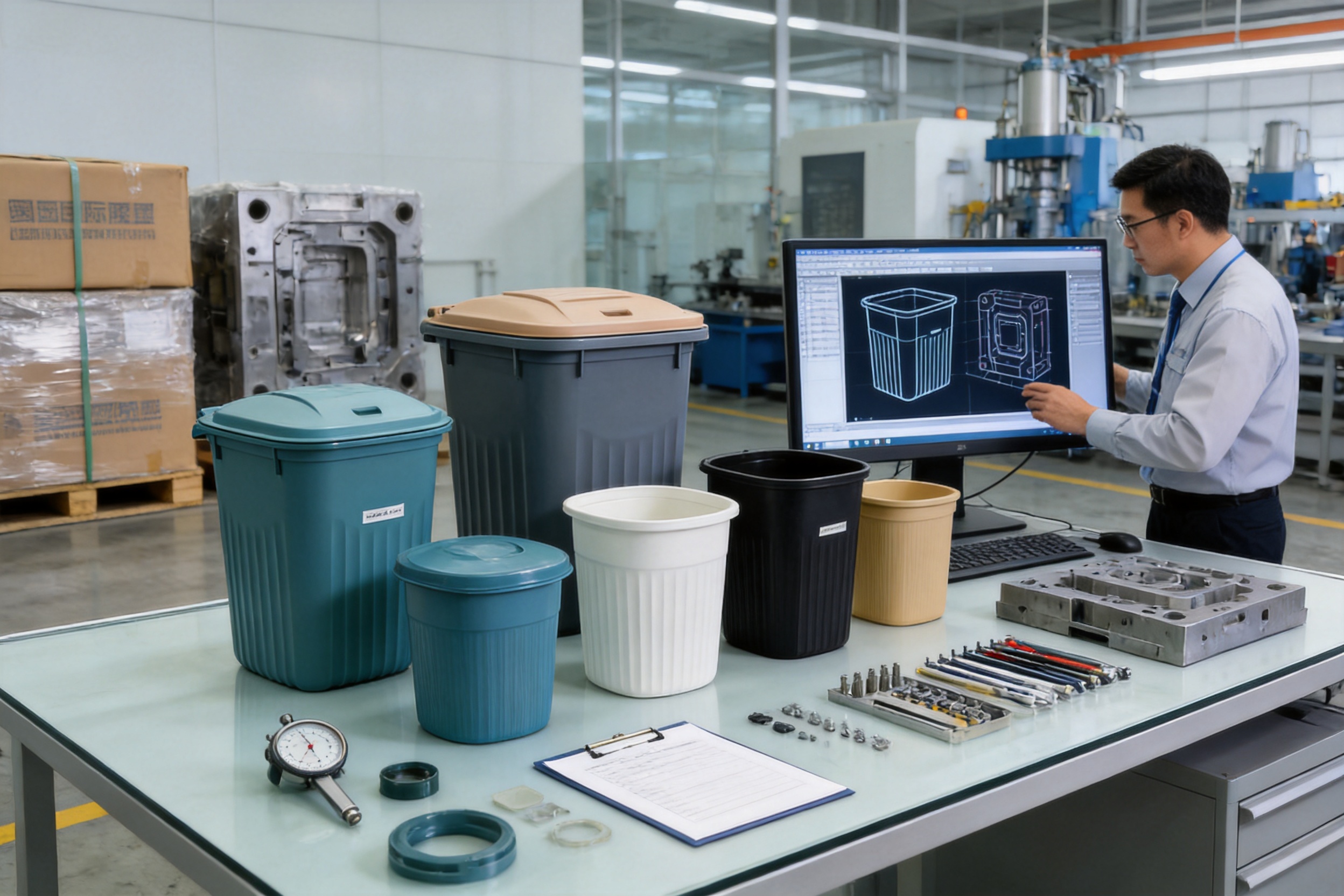
Household waste bins are practical products used in homes, offices, commercial buildings, public facilities, kitchens, workshops, and many other environments. Although a waste bin may appear to be a simple plastic article, successful production depends on careful product engineering, accurate mold construction, dependable material flow, efficient cooling, stable ejection, and repeatable quality control. A well-designed injection mold is the foundation of a waste bin that is strong, attractive, easy to clean, and suitable for long-term daily use.
Household Waste Bin Mold 001 is developed for manufacturers, wholesalers, distributors, and product brands seeking dependable tooling for plastic waste bin production. The mold is intended to support efficient injection molding, consistent part quality, and practical customization for different markets. Its value is not limited to producing one plastic container. It represents a complete tooling solution built around manufacturability, dimensional stability, production efficiency, and long service performance.
The tooling is manufactured by Zhejiang Chenghui Mould Co., Ltd., a professional Chinese plastic injection mold manufacturer with more than 30 years of experience. Established in 1994, the company focuses on molds for daily necessities, household products, storage articles, furniture, industrial containers, and related plastic goods. Its capabilities include product analysis, mold design, precision machining, mold assembly, trial molding, inspection, delivery preparation, and after-sales support.
For buyers comparing mold suppliers, Household Waste Bin Mold 001 offers several important advantages. It is supported by a complete manufacturing process, an experienced technical team, a dedicated production workshop, advanced processing equipment, mold trial capabilities, and a quality management approach designed for repeatable mass production. These strengths help customers reduce development risk and move from product concept to commercial production with greater confidence.
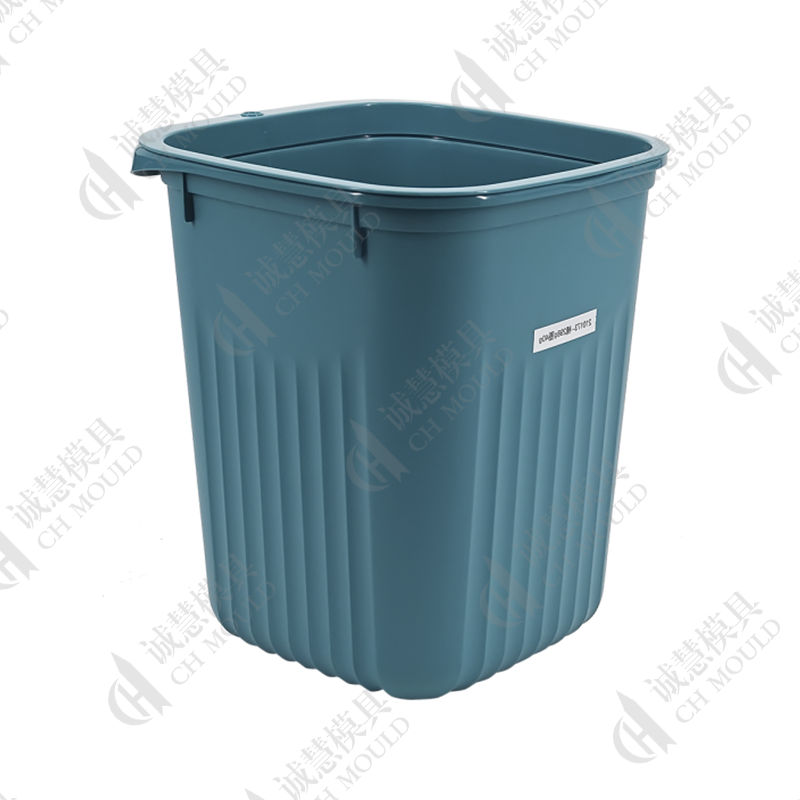
CHENGHUI Household Waste Bin Mold 001
Why Waste Bin Mold Quality Matters
The appearance and performance of a household waste bin are directly influenced by mold quality. If the cavity surface is uneven, the finished bin may show visible marks, gloss variation, scratches, or defects. If the wall thickness is inconsistent, the product may become weak in some areas and unnecessarily heavy in others. If the cooling system is poorly balanced, the bin may warp, shrink unevenly, or fail to maintain its intended shape after ejection.
Waste bins also often include functional details that require accurate tooling. These may include reinforced rims, snap-fit lid areas, handle mounting points, foot features, stacking structures, rounded corners, drainage or cleaning details, and textured exterior surfaces. Each feature must be designed to release from the mold without damaging the part. The mold must also allow the injection machine to fill the cavity effectively while controlling weld lines, air entrapment, sink marks, and other common molding problems.
Low-quality tooling can create recurring production problems. A manufacturer may experience frequent flash, difficult ejection, dimensional variation, incomplete filling, poor surface appearance, and extended cycle times. These issues increase scrap rates and labor costs. They can also delay delivery and damage the reputation of the finished product brand.
By contrast, a well-engineered mold creates a more predictable production environment. Stable tooling helps operators maintain consistent molding parameters from one production run to the next. It also reduces the need for repeated manual adjustment. For a distributor or brand owner ordering large quantities, this consistency is essential because customers expect every batch to have the same appearance, fit, and function.
Product Focus: Household Waste Bin Mold 001
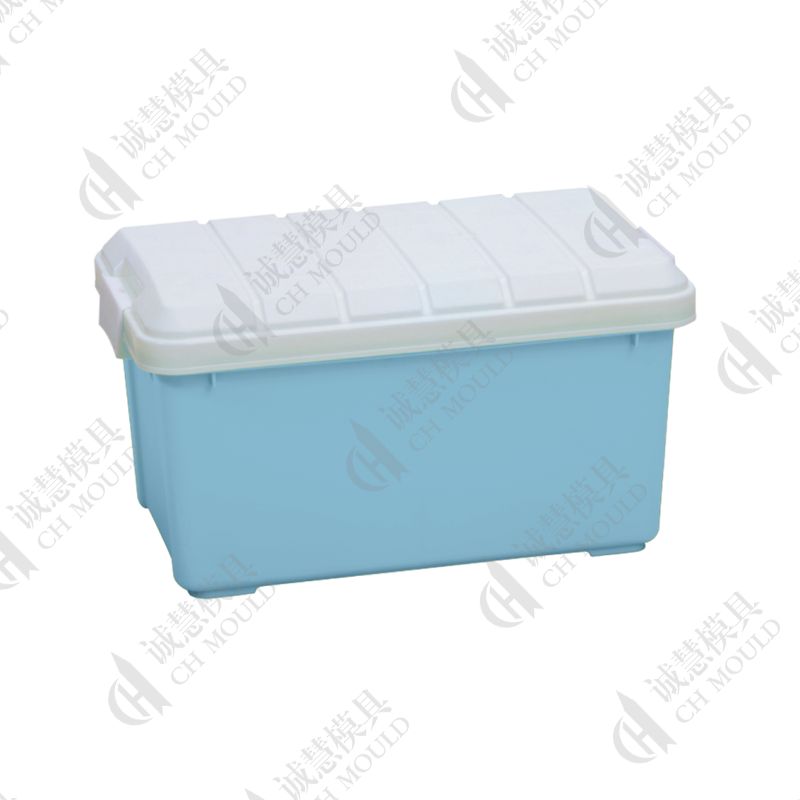
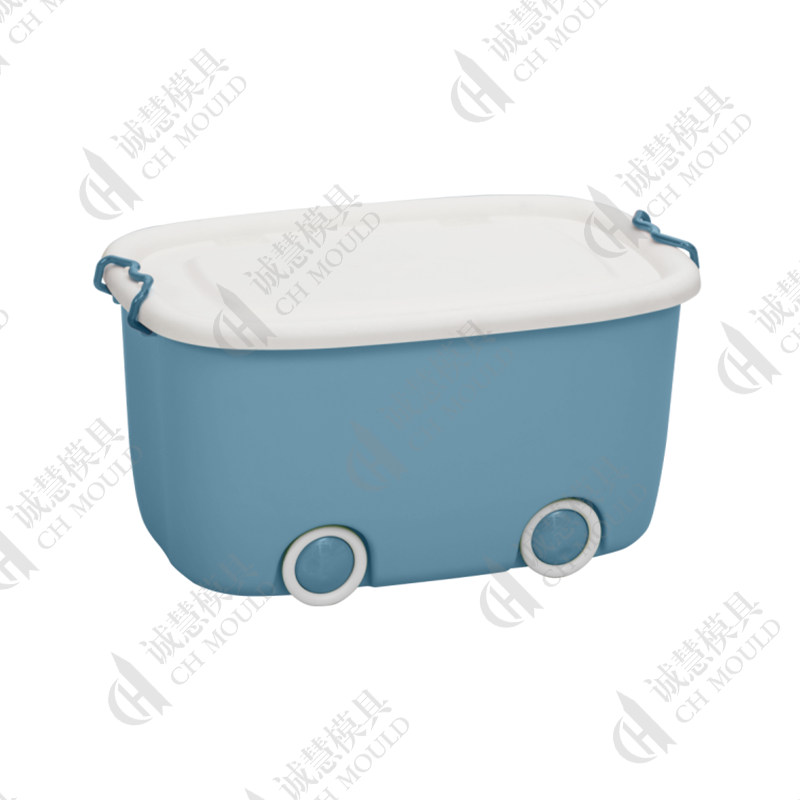
Household Waste Bin Mold 001 is designed as a practical injection mold solution for the production of plastic waste bins. The mold can support the development of products intended for household, office, hospitality, retail, institutional, and light commercial applications, subject to the final product design and technical requirements agreed with the customer.
The tooling concept emphasizes a balanced combination of durability, production efficiency, product appearance, and ease of use. Waste bins must withstand repeated handling, contact with household waste, movement across floors, cleaning, and occasional impact. The mold therefore needs to support a product structure that can provide sufficient rigidity without making the bin excessively heavy or expensive to produce.
The final mold configuration can be developed according to the customer’s product drawings, three-dimensional files, target material, injection machine, annual production volume, surface requirements, and market positioning. A standard household bin may require a straightforward cavity and core arrangement, while a premium design may require a decorative texture, multiple components, a separate lid mold, or special functional details.
The mold can also be adapted for different product strategies. A manufacturer may require a compact bin for kitchens and bedrooms, a larger container for offices or commercial locations, a colored bin for waste separation, or a specialized design with a lid and pedal mechanism. Customization begins with the product concept and continues through mold design, machining, testing, and final approval.
Support for Attractive Exterior Design
Modern consumers often evaluate household products according to both function and appearance. A waste bin may be placed in a visible area, so smooth contours, clean parting lines, consistent texture, and attractive colors can influence purchasing decisions. Injection molding allows designers to create rounded corners, curved side walls, recessed details, embossed markings, and other visual features.
The mold surface is critical to achieving these results. Skilled moldmakers can prepare polished, textured, matte, or carefully controlled surfaces according to the product specification. Surface preparation must be consistent across the cavity so that the finished bin has a uniform appearance. This is particularly important for large visible panels, where small variations may be easy to notice.
Support for Structural Strength
A household waste bin should be sufficiently rigid to maintain its shape when empty and when filled. The mold design supports this objective through accurate reproduction of the product wall structure, reinforcing features, corner geometry, and rim details. Properly designed transitions can improve strength while reducing unnecessary material concentration.
Strong design does not mean simply increasing wall thickness everywhere. Excessive thickness can lengthen cooling time, increase material consumption, and create sink marks or internal stress. A more effective approach is to balance wall thickness, ribs, radii, corner design, and local reinforcement. The mold manufacturer can review these areas during design analysis and suggest practical improvements before steel machining begins.
Support for Efficient Production
Commercial mold buyers usually need more than a tool that produces one acceptable sample. They need a mold that can operate repeatedly under production conditions. Household Waste Bin Mold 001 is developed with this requirement in mind. Accurate machining, suitable mold steel, stable guiding components, effective cooling, and controlled ejection all contribute to production reliability.
When the mold is properly matched to the product and injection machine, cycle stability can improve. Reliable filling and cooling help reduce the number of rejected parts. Easy and consistent ejection can reduce operator intervention and minimize the risk of deformation. These improvements may create significant savings over thousands or millions of molding cycles.
Advantages Compared with Basic or Low-Cost Tooling
Price is an important consideration when purchasing a mold, but the lowest initial quotation does not always represent the lowest total cost. A mold that requires frequent repair, produces high scrap rates, or causes production delays may become more expensive over its service life. Household Waste Bin Mold 001 is positioned as a precision tooling solution that considers long-term manufacturing value rather than only initial purchase price.
More Consistent Part Quality
Precision mold components help maintain the intended relationship between cavity, core, inserts, slides, and guiding elements. This accuracy supports stable product dimensions and more consistent wall formation. Compared with poorly fitted tooling, a precision mold can reduce the risk of flash, mismatch marks, and irregular parting lines.
Consistency is particularly important when bins include lids, liners, stacking functions, or accessories. If the main bin varies from one production batch to another, related components may not fit correctly. A reliable mold helps protect the fit and appearance of the complete product system.
Better Surface Results
Visible plastic products require more attention to surface quality than hidden industrial components. The mold cavity must be free of machining defects that could transfer to the product. Polishing, texturing, corner finishing, and inspection are therefore important parts of the manufacturing process.
Compared with basic tooling made without sufficient surface preparation, a professionally finished mold can create a cleaner and more attractive product. This gives brands greater freedom to position the waste bin as a practical economy product, a modern home accessory, or a premium household article.
Reduced Risk of Warpage and Deformation
Large plastic surfaces are sensitive to shrinkage and cooling imbalance. An unsuitable cooling layout can cause one region of the product to cool faster than another. The resulting stress may lead to bending, twisting, or dimensional instability.
During mold development, the cooling system and product geometry can be reviewed together. Cooling channels, wall thickness, ribs, corners, and ejection points should be considered as a complete system. This approach is more effective than treating the cooling layout as an afterthought after the mold has already been machined.
Improved Maintainability
Molds used for repeated production require maintenance. Wear components, seals, ejector parts, and other elements may eventually need inspection or replacement. A mold designed with practical access and clearly organized components can make maintenance easier and faster.
Good documentation also supports maintenance. Mold drawings, component information, trial records, and inspection results help the customer understand the tooling and manage future production. Chenghui Mould’s process includes communication and technical support intended to help customers use and maintain their molds more effectively.
Better Support for Customization
Low-cost suppliers may offer limited design communication or may begin machining before the product has been fully reviewed. This can create problems when the product design contains difficult draft angles, thin areas, sharp transitions, deep features, or unsuitable parting lines.
A professional mold project includes design review before manufacturing. The customer can discuss product functions, appearance, material, production quantity, and target cost. The manufacturer can then propose adjustments that improve moldability while preserving the product concept. This collaborative process is especially valuable for overseas customers who need a complete OEM or ODM development service.
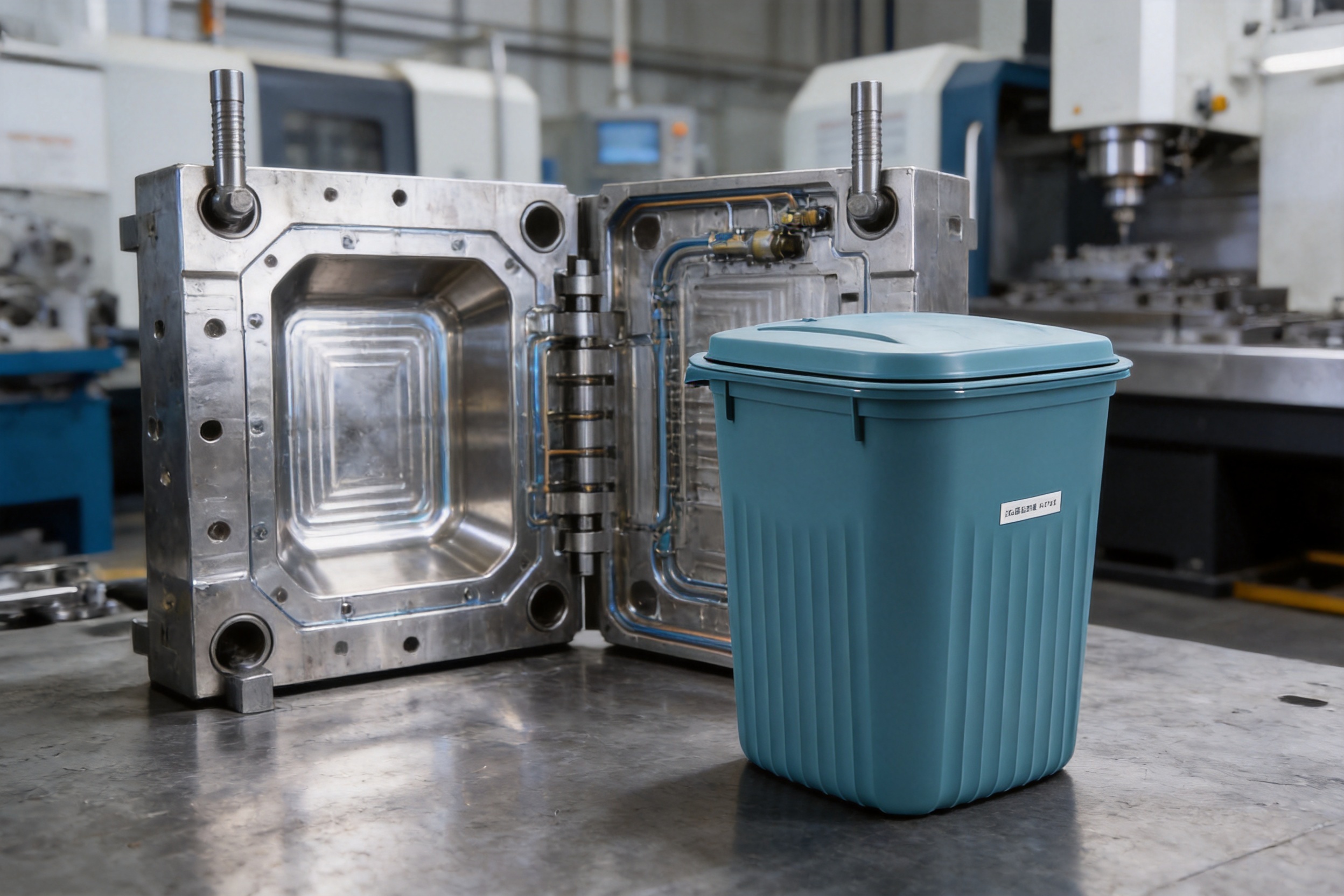
Advanced Manufacturing Process
The quality of Household Waste Bin Mold 001 depends on the complete process used to create it. Mold manufacturing is not a single machining operation. It is a sequence of connected activities in which each stage affects the next. Chenghui Mould combines product analysis, engineering planning, precision machining, fitting, trial molding, and inspection to develop tooling suitable for mass production.
1. Product Requirement Review
Every project begins with a review of the customer’s requirements. Important information may include product drawings, three-dimensional data, expected dimensions, plastic material, color, surface finish, annual quantity, injection machine model, cycle expectations, and packaging or logistics conditions.
The technical team can also review whether the product is intended for indoor or outdoor use, whether it must withstand impact, whether it needs a lid or accessory, and whether it will be sold in a price-sensitive or premium market. These details influence the mold structure and the recommended manufacturing strategy.
2. Product Design for Manufacturability
Before mold design, the product itself should be assessed for injection molding suitability. Draft angles are reviewed to help the part release from the cavity and core. Wall thickness is considered to reduce uneven shrinkage and filling problems. Sharp corners may be adjusted with suitable radii to improve strength and moldability.
Ribs and bosses are reviewed to ensure that they provide reinforcement without creating excessive material concentration. The parting line is selected to balance appearance, tooling complexity, and ejection. Potential air traps, weld lines, sink marks, and difficult undercuts are considered during the engineering stage.
This early review can prevent expensive modifications later. A small design improvement made before machining may eliminate a major tooling change after the first trial. For buyers, this is one of the most valuable benefits of working with an experienced mold manufacturer.
3. Three-Dimensional Mold Design
After product requirements are confirmed, engineers develop the mold structure using professional design software. The design typically includes the cavity, core, mold base, guiding system, injection system, cooling system, ejection system, inserts, fasteners, and other required components.
The mold design must provide sufficient steel around critical features and allow suitable access for machining, polishing, assembly, inspection, and future maintenance. The design should also account for the capabilities of the customer’s injection machine, including platen size, tie-bar spacing, clamping force, shot capacity, and ejection arrangement.
For larger waste bins, mold rigidity is particularly important. The mold must resist deformation during clamping and injection. Proper support, guiding, and fastening help maintain alignment over repeated production cycles.
4. Flow and Cooling Considerations
Plastic flow analysis can help engineers evaluate how molten material may enter and fill the cavity. Gate position, runner arrangement, filling balance, weld line location, air evacuation, and pressure requirements can be studied before final machining. The exact analysis method depends on the product design and project scope.
Cooling design is equally important. The goal is to remove heat efficiently and evenly while avoiding interference with inserts, ejectors, slides, and other mold components. For a waste bin with broad panels, balanced cooling can help reduce deformation and improve cycle repeatability.
5. Material and Component Selection
Tool steel and component selection should correspond to expected production volume, product material, surface requirements, and maintenance expectations. High-volume production may require more wear-resistant materials or hardened working surfaces. A textured or polished finish may also influence material and treatment decisions.
Standard mold components can improve replacement convenience and simplify maintenance, while specially machined inserts may be used for complex or high-wear areas. The appropriate balance depends on the customer’s budget, expected output, and long-term production plan.
6. CNC Machining and Precision Processing
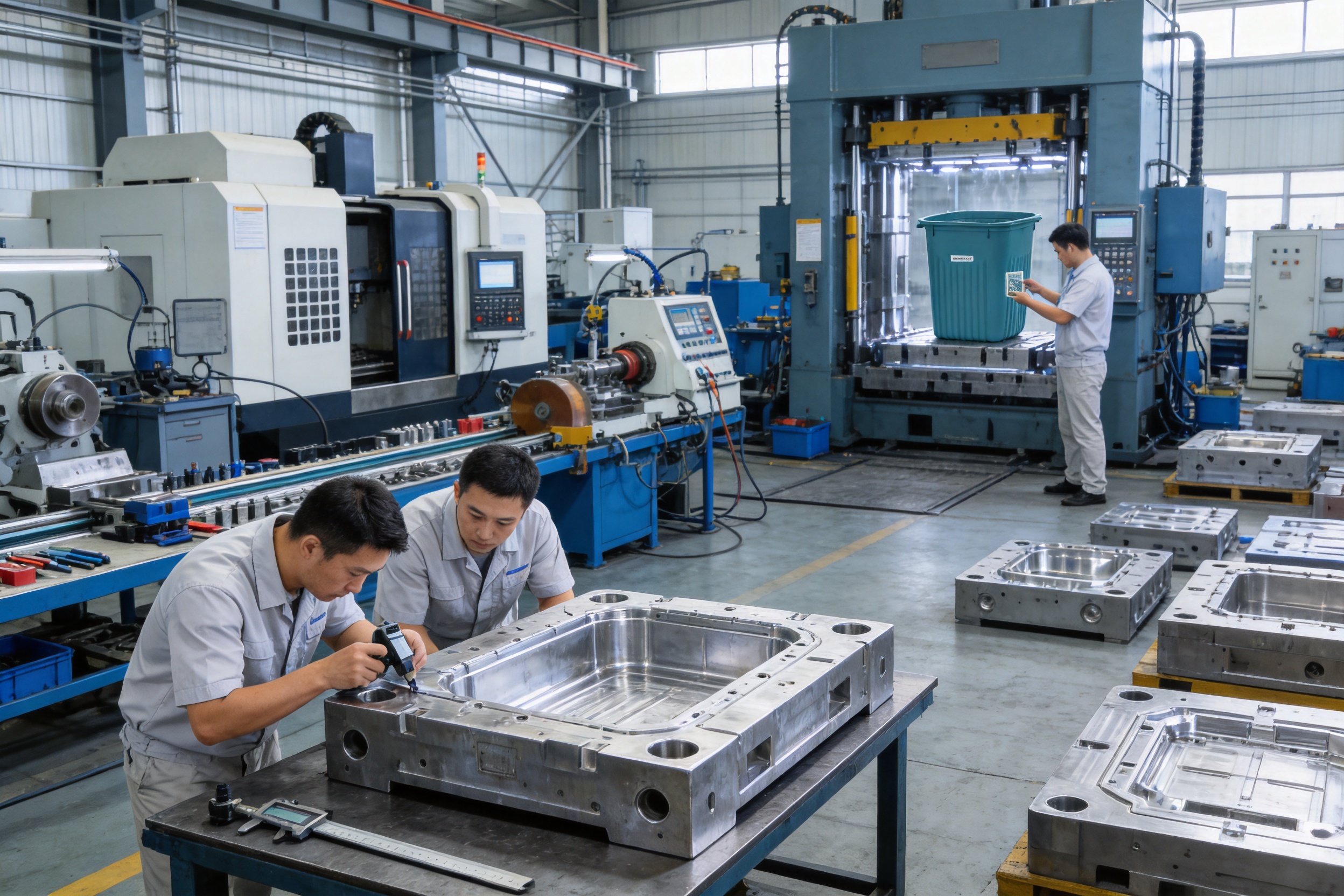
Once the design is approved, mold components are produced through a combination of CNC machining, electrical discharge machining, drilling, grinding, milling, and other precision processes. Chenghui Mould operates a production workshop equipped with 104 advanced processing machines. This equipment base supports the machining of mold bases, cavity and core components, inserts, slides, and detailed functional features.
CNC machining creates the primary geometry with controlled accuracy. Electrical discharge machining can be used for narrow, deep, or complex areas that are difficult to produce by conventional cutting. Grinding supports accurate dimensions and flatness on selected components. Each process is chosen according to the geometry and tolerance requirements of the part.
Machining quality is influenced not only by equipment but also by programming, workholding, tool selection, operator experience, and inspection. Experienced technicians understand how to manage material removal, avoid deformation, control surface quality, and preserve the required geometry.
7. Polishing and Surface Treatment
After machining, working surfaces may require polishing, texturing, or other finishing operations. The chosen finish should match the customer’s product requirements. A smooth glossy bin, a matte container, and a textured outdoor product will require different surface preparation methods.
Careful finishing is essential on visible regions and functional sealing areas. Excessive polishing may alter dimensions or soften intended details, while insufficient finishing may leave visible marks on the plastic product. Skilled mold technicians therefore combine surface appearance requirements with dimensional control.
8. Mold Assembly
During assembly, the mold components are fitted, aligned, and checked as a complete system. The cavity and core must close correctly. The guiding system must operate smoothly. Ejector pins and plates must move without binding. Cooling channels must be checked for cleanliness and leakage. Slides, lifters, inserts, and other moving components must operate reliably.
Assembly is a stage where the experience of the moldmaker becomes especially important. Even precisely machined components require careful fitting and adjustment. Correct assembly helps ensure that the mold performs as intended during trial molding and production.
9. Mold Trial and Sample Evaluation
Before shipment, the mold is tested through injection molding. Chenghui Mould has professional injection molding machines for mold testing. Trial molding allows the team to evaluate filling, ejection, parting line quality, surface appearance, dimensions, cooling behavior, and overall mold operation.
Trial samples are reviewed against the customer’s requirements. If necessary, adjustments are made to molding parameters or mold components. The objective is to identify and resolve issues before the mold reaches the customer’s production site. This reduces commissioning risk and helps shorten the customer’s path to mass production.
10. Final Inspection and Delivery Preparation
After trial approval, the mold is inspected and prepared for delivery. Inspection may include dimensional checks, visual examination, component verification, cooling and ejection checks, and confirmation of accessories or spare parts. Appropriate rust prevention, packing, labeling, and shipping preparation help protect the mold during transportation.
Technical records and communication are also important at this stage. The customer should understand the mold structure, recommended operating conditions, maintenance requirements, and any special considerations for installation or trial production.
Company Manufacturing Strengths
Zhejiang Chenghui Mould Co., Ltd. has specialized in injection mold design and manufacturing since 1994. More than three decades of experience provide a broad understanding of household and industrial plastic products. The company’s product experience includes PET storage products, tables, chairs, furniture, storage boxes, turnover boxes, laundry baskets, buckets, storage racks, trash cans, and other daily-use products.
This product range is relevant to waste bin tooling because it covers many of the same engineering challenges: large visible surfaces, repeated handling, structural reinforcement, practical ergonomics, material efficiency, and high-volume production. Experience across related product categories helps the company identify common risks and recommend proven solutions.
Integrated Production Workshop
Chenghui Mould operates its own production workshop rather than relying entirely on external coordination. This supports closer control over scheduling, machining, fitting, testing, and communication. Integrated production can make it easier to trace project status and respond to technical changes.
With 104 advanced processing machines and professional injection molding equipment for mold testing, the company has resources to support projects from initial design through trial production. Equipment alone does not guarantee quality, but it provides an important foundation when combined with skilled technicians and standardized processes.
Annual Production Capacity
The company has an annual production capacity of more than 1,500 mold sets. This capacity demonstrates experience in organizing multiple mold projects while maintaining a structured manufacturing workflow. It also gives customers confidence that the manufacturer is equipped to handle commercial tooling requirements rather than only small prototype jobs.
Production capacity must be balanced with project control. A reliable mold factory needs to manage material preparation, machining schedules, outsourced processes where applicable, assembly resources, inspection, and trial arrangements. Chenghui Mould’s manufacturing system is intended to coordinate these activities efficiently.
International Customer Support
Chenghui Mould exports molds to the Middle East, Europe, America, Africa, Southeast Asia, and other regions. International experience requires attention to technical communication, time zones, packaging, documentation, shipping coordination, and customer approval procedures.
For overseas buyers, clear communication is especially important because the customer may not be able to visit the factory frequently. Drawings, progress updates, sample evaluations, inspection information, and technical explanations help both sides maintain a shared understanding of the project.
OEM and ODM Mold Development
Household Waste Bin Mold 001 can be developed through an OEM or ODM cooperation model. In an OEM project, the customer may provide a finished product design and require the mold manufacturer to build tooling according to the approved specifications. In an ODM project, the customer may need support with product structure, appearance, mold design, sample development, and manufacturing recommendations.
The development process can be adjusted to suit the customer’s level of technical preparation. Some customers have complete three-dimensional files and detailed specifications. Others have only a sketch, reference sample, market requirement, or general product concept. An experienced mold factory can help transform the initial idea into a manufacturable plastic product.
From Concept to Sample
The project may begin with a product brief covering intended use, target market, capacity, material, dimensions, colors, surface requirements, and approximate price range. Engineers then review the concept and identify potential changes needed for injection molding.
After design confirmation, the product data and mold structure are developed. Samples from the first mold trial can be evaluated for appearance, dimensions, function, and assembly. Feedback is then incorporated into final adjustments. This iterative process is normal for custom tooling and helps ensure that the commercial product meets its intended requirements.
Private Label and Brand Applications
Waste bins are commonly sold under private labels or as part of broader household product ranges. A custom mold allows the buyer to create a distinctive shape, logo area, surface pattern, color system, or functional feature. Product differentiation can help distributors and brands compete more effectively than by offering a generic container.
For buyers serving different markets, the mold can be developed around regional preferences. Some markets may prefer compact dimensions and subdued colors, while others may favor larger capacities, bright colors, textured surfaces, or integrated lids. Product customization should be considered early because it affects cavity geometry and tooling cost.
Material and Product Performance Considerations
The selection of plastic material depends on the intended use, appearance, required strength, impact resistance, cost target, and environmental conditions. Common household waste bin materials may include polypropylene, high-density polyethylene, acrylonitrile butadiene styrene, or other suitable thermoplastics, depending on the product design and specification.
Material selection influences shrinkage, flow behavior, cooling requirements, surface appearance, and mold design. For example, a material with higher shrinkage may require different dimensional compensation than a material with lower shrinkage. A material intended for impact resistance may require different wall and corner design than a material selected primarily for low cost.
The mold manufacturer can review the chosen material during the engineering stage. This review helps ensure that gate design, cooling, draft, ejection, and dimensional compensation are appropriate for the resin. Customers should provide the intended material grade whenever possible because generic material names may not fully describe processing characteristics.
Color and Surface Finish
Waste bins are often produced in multiple colors for product differentiation or waste sorting systems. Colorants and additives can affect flow, surface appearance, and cleaning requirements. The mold surface should be prepared to provide consistent visual results across all approved colors.
Surface finishes may range from polished and glossy to matte or textured. A textured finish can help hide minor handling marks and provide a more practical appearance, while a high-gloss finish may support a modern decorative product. The desired finish should be confirmed before mold finishing begins.
Cleaning and Hygiene
A household waste bin should be easy to empty and clean. Smooth internal surfaces, rounded corners, and suitable rim geometry can reduce areas where dirt or moisture may accumulate. These product features must be reflected accurately in the mold.
Where the product includes a lid or liner, the mold must support reliable fit and alignment. Proper dimensional control helps prevent excessive gaps, interference, or difficult assembly. The exact hygiene performance depends on the final design, material, use conditions, and cleaning practices.
Quality Control and Risk Reduction
Quality control begins before steel is cut. A successful mold project includes control points throughout design, material preparation, machining, assembly, trial molding, and final inspection. This staged approach helps identify problems when they are still manageable.
Design Verification
Design verification can include checking product dimensions, draft angles, wall thickness, parting line, ejection direction, mold opening, cooling arrangement, and machine compatibility. It may also include reviewing whether the mold can be assembled, maintained, and transported safely.
Machining Inspection
Machined components should be checked against the approved drawings and three-dimensional data. Important areas may include cavity and core dimensions, insert locations, flatness, alignment, hole positions, and surface quality. Inspection tools and methods should be selected according to the required accuracy.
Trial Part Inspection
Trial parts provide practical evidence of mold performance. The evaluation may cover overall dimensions, wall consistency, appearance, flash, sink marks, weld lines, warpage, ejection marks, and functional fit. If the product includes a lid or accessory, the assembly should also be checked.
Production Readiness
A mold should not be considered ready only because it produces one acceptable sample. It should also operate smoothly, maintain stable cooling, eject the product reliably, and allow reasonable access for maintenance. Trial records and customer approval provide a basis for moving into production.
Benefits for Wholesalers and Distributors
Wholesalers and distributors often need products that can be supplied consistently over an extended period. A reliable mold helps reduce the risk of quality differences between purchase orders. It also gives the buyer greater control over product appearance, packaging, and market positioning.
Custom tooling can support differentiated product lines. A distributor may offer several capacities, colors, or design versions based on a related mold platform. This can help serve different retail channels without depending entirely on generic products available from many competitors.
Stable tooling may also help improve cost forecasting. When cycle performance, material usage, scrap rate, and maintenance requirements are more predictable, the buyer can estimate production costs with greater confidence. The final commercial result still depends on resin prices, machine efficiency, labor, logistics, and order quantity, but mold quality is an important part of the calculation.
For importers, factory communication is another key benefit. A supplier able to provide design review, trial samples, technical records, and after-sales support can reduce the burden on the buyer’s own engineering team. This is particularly useful when the buyer wants to launch a product without building an internal mold development department.
Benefits for Injection Molding Factories
Injection molding factories need molds that are compatible with their equipment and production methods. Before ordering, the customer should share machine information, including clamping force, platen dimensions, tie-bar spacing, maximum mold size, injection capacity, and ejection specifications.
Household Waste Bin Mold 001 can be engineered around the customer’s production conditions. Matching the mold to the machine helps avoid installation difficulties and supports more effective parameter optimization. It also allows the manufacturer to consider the customer’s preferred runner system, cooling connections, automation arrangement, and part removal method.
A production-ready mold should be practical for operators. Clear water connections, accessible adjustment areas, reliable ejector movement, and suitable lifting features can make daily operation easier. These practical details may not be visible in a product photograph, but they influence factory productivity over the entire life of the tooling.
Project Workflow for Customers
A clear project workflow helps customers understand what information is needed and when decisions must be made. The following sequence provides a practical framework for developing Household Waste Bin Mold 001 or a related custom mold.
Step One: Submit Product Information
The customer provides drawings, three-dimensional files, reference samples, sketches, or product requirements. Information about material, dimensions, surface finish, annual quantity, target market, and injection machine is helpful.
Step Two: Technical Review and Quotation
The mold manufacturer reviews the product and recommends a tooling structure. The quotation may consider mold size, steel grade, cavity configuration, mold components, surface requirements, expected production volume, trial arrangements, and delivery conditions.
Step Three: Design Approval
Detailed mold design is prepared for review. The customer confirms product geometry, parting line, gate position where applicable, ejection concept, cooling connections, and other important features before machining begins.
Step Four: Mold Manufacturing
Materials are prepared, components are machined, surfaces are finished, and the mold is assembled. Progress communication helps the customer follow the development process and respond to questions.
Step Five: Trial Molding
The mold is installed on a suitable injection machine for testing. Samples are produced and evaluated. Any required improvements are completed before final approval.
Step Six: Inspection and Shipment
After approval, the mold is inspected, protected, packed, and prepared for delivery. The customer receives the necessary technical information for installation, operation, and maintenance.
Maintenance and Long-Term Tooling Value
Even a high-quality mold requires appropriate maintenance. After production, the mold should be cleaned and protected according to the material and operating environment. Cooling channels should be monitored for blockage or corrosion. Moving components should receive suitable lubrication, and ejector movement should be checked regularly.
Operators should avoid excessive clamping force, unsuitable molding parameters, and careless handling. These conditions can accelerate wear or cause damage to parting surfaces, slides, ejectors, or guiding components. A maintenance schedule based on production cycles can help identify issues before they affect product quality.
When maintenance is performed correctly, the service life of the mold can be extended and production stability can be preserved. This is another reason to select a manufacturer that considers maintainability during the original design rather than focusing only on first-shot results.
Why Choose an Experienced Chinese Mold Factory
China has a large and mature plastic injection mold manufacturing industry, with extensive experience serving household, industrial, automotive, medical, packaging, and consumer product markets. An experienced Chinese mold factory can offer competitive manufacturing costs while providing engineering, machining, assembly, testing, and export support in one location.
The most important selection criteria should include technical experience, equipment, quality control, communication, trial capability, production capacity, and after-sales support. A low quotation without sufficient engineering or quality assurance may create greater cost later. Buyers should compare the complete service package rather than only the mold price.
Chenghui Mould combines more than 30 years of experience with its own production workshop, 104 advanced processing machines, professional injection molding equipment, and an annual capacity of more than 1,500 mold sets. Its experience in household and industrial products makes it a suitable partner for customers seeking custom waste bin tooling and related injection molds.
The company’s export experience across the Middle East, Europe, America, Africa, Southeast Asia, and other markets also supports international cooperation. Customers can discuss product concepts, technical requirements, sampling, inspection, and delivery arrangements with a manufacturer familiar with overseas project expectations.
Frequently Asked Questions
What type of product is Household Waste Bin Mold 001 intended to produce?
It is intended for the injection molding production of plastic household waste bins and related container designs. The final size, structure, material, surface finish, and accessories depend on the customer’s approved product requirements.
Can the mold be customized for different waste bin sizes?
Yes. Custom tooling can be developed according to the customer’s product drawings, dimensions, capacity, material, machine conditions, surface requirements, and production targets. A new product design may require a modified or completely new mold structure.
Can the mold support OEM and ODM projects?
Yes. Customers may provide finished product data for OEM manufacturing, or they may request assistance with product engineering, mold design, sample development, and manufacturing recommendations for an ODM project.
What plastic materials can be considered?
Suitable thermoplastics may include polypropylene, high-density polyethylene, acrylonitrile butadiene styrene, or other materials selected according to the product’s strength, appearance, impact resistance, cost, and environmental requirements. The exact material should be confirmed during technical review.
How does the manufacturer help reduce warpage?
Warpage risk can be reduced through appropriate wall thickness, balanced product geometry, suitable gate placement, effective cooling, accurate mold construction, and optimized molding parameters. The design should be reviewed before machining because product structure and mold cooling influence one another.
Can the mold produce bins with textured surfaces?
Yes. Textured, matte, polished, or other surface finishes may be developed according to the product design. The desired finish should be confirmed before cavity and core surface treatment begins.
Does the company test the mold before shipment?
Chenghui Mould has professional injection molding machines for mold testing. Trial molding is used to evaluate filling, ejection, surface appearance, dimensions, mold operation, and other project requirements before shipment.
What information should a buyer provide for a quotation?
Useful information includes product drawings or three-dimensional files, target dimensions, material, expected production quantity, surface finish, color requirements, machine information, cavity expectations, and any lid, handle, pedal, liner, or accessory requirements.
How many mold sets can the company produce annually?
The company has an annual production capacity of more than 1,500 mold sets. Actual project timing depends on mold complexity, current production schedules, design approval, material requirements, and trial results.
Does the company serve overseas customers?
Yes. Chenghui Mould exports molds to the Middle East, Europe, America, Africa, Southeast Asia, and other regions. Overseas projects can include technical communication, sample approval, inspection, packing, and delivery coordination.
Why is mold maintenance important?
Maintenance protects the parting surfaces, cooling system, ejectors, slides, guiding components, and other working areas. Regular cleaning, lubrication, inspection, and correct operating practices help preserve mold performance and extend service life.
Can the mold be designed for a customer’s existing injection machine?
Yes. Machine information should be provided during the quotation and design stages. The mold can then be reviewed for compatibility with clamping force, platen size, tie-bar spacing, injection capacity, mold dimensions, and ejection requirements.
Conclusion
Household Waste Bin Mold 001 is a tooling solution for manufacturers seeking dependable, attractive, and efficient plastic waste bin production. Its value comes from the combination of product-focused engineering, precision machining, practical mold construction, trial molding, inspection, and customer support.
Compared with basic tooling, a professionally developed mold can provide more consistent dimensions, better surface quality, improved cooling balance, easier maintenance, and lower long-term production risk. These advantages are important for brands, wholesalers, distributors, and molding factories that require stable supply and repeatable product quality.
Zhejiang Chenghui Mould Co., Ltd. brings more than 30 years of injection mold experience to this product category. Its own workshop, 104 advanced processing machines, professional mold testing equipment, broad household product experience, international export background, and annual capacity of more than 1,500 mold sets provide a strong foundation for custom tooling projects.
From initial concept and product review to design, machining, assembly, trial molding, inspection, shipment, and after-sales support, the company can help customers develop a complete plastic injection mold solution. For buyers seeking a reliable China mold factory for household waste bins and related plastic products, this integrated approach can support better quality, smoother project execution, and more confident mass production.
References
1. Chenghui Mould company information and product manufacturing profile supplied for this article.
2. General principles of plastic injection mold design, including draft, parting line, gating, cooling, ejection, and mold maintenance.
3. Standard practices for design for manufacturability in thermoplastic injection molding.
4. General engineering guidance for polymer shrinkage, warpage control, cooling balance, and dimensional inspection.
5. Common quality management practices for precision mold machining, assembly, trial molding, and production approval.