
 Français
 Español
 عربى
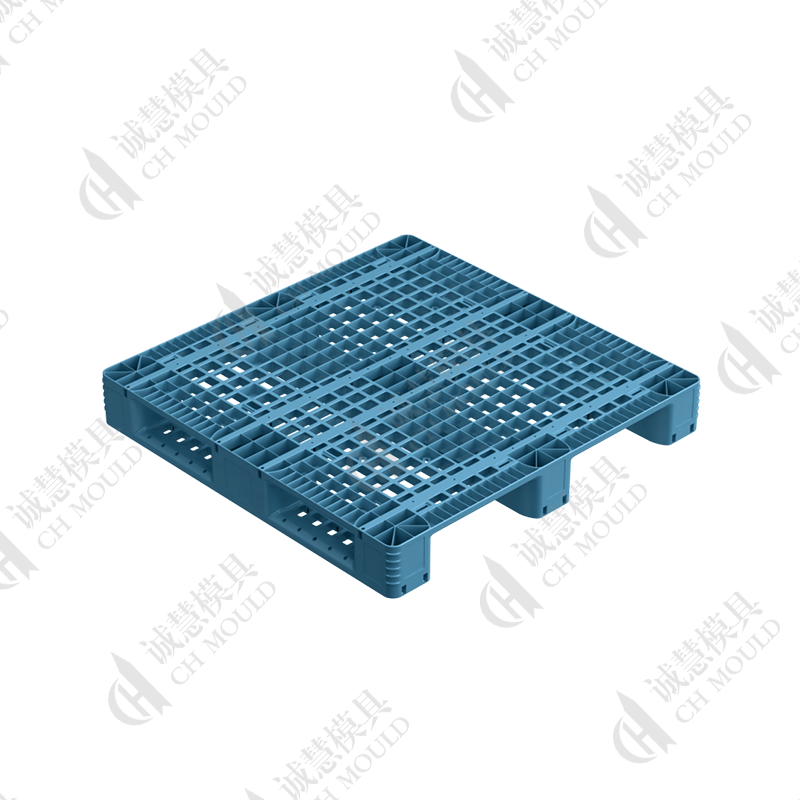
عربىPlastic pallets must maintain a suitable shape and consistent dimensions to support storage, handling, and transportation operations. When a pallet bends, twists, or develops uneven surfaces during production, it may not fit properly on racks or conveyors, and its stability can become a concern. These problems are not always caused by the plastic material alone. Mold structure, wall thickness, cooling conditions, and processing parameters can all influence the final product. For manufacturers, addressing these factors during tooling development is more practical than relying on adjustments after mass production begins.
Understand Why Pallets Warp
Warping occurs when different areas of a molded part shrink or cool unevenly. Plastic pallets are particularly challenging because they combine a relatively large surface area with ribs, support blocks, openings, and other structural features.
If one section cools faster than another, internal stresses may develop and cause the pallet to bend after ejection. Uneven material distribution can make this problem more difficult to control.
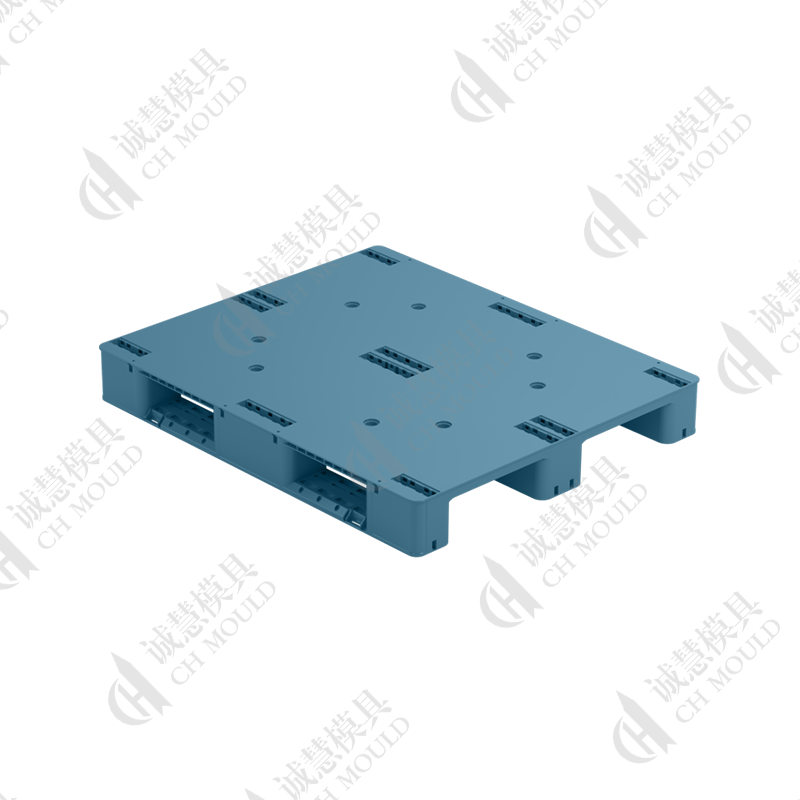
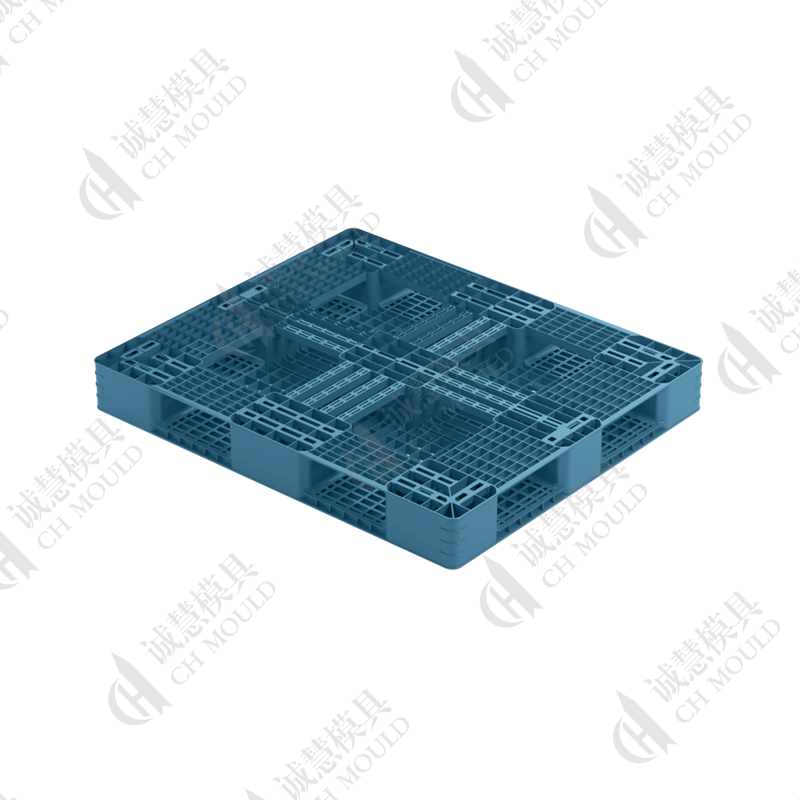
When developing a Plastic Pallet Mold, manufacturers should evaluate the complete pallet geometry rather than focusing only on its overall dimensions. The relationship between the deck, ribs, feet, and reinforcement areas needs to be considered as a connected structure.
Balance Wall Thickness and Structural Support
Pallet design must balance material use, stiffness, and molding requirements. Thick sections may cool more slowly than surrounding areas, while abrupt changes in thickness can create uneven shrinkage and localized stress.
Ribs can improve structural support without making every section excessively thick, but their dimensions and placement need careful consideration. Poorly designed rib intersections may create concentrated material areas that are difficult to cool uniformly.
Manufacturers should review the wall thickness distribution, rib layout, and connection points during mold design. The objective is to create a structure that meets the intended load requirements while remaining suitable for consistent injection molding.
Improve Cooling Across Large Mold Surfaces
Cooling is an important factor in controlling cycle consistency and part deformation. In a large pallet mold, different regions may have different cooling requirements because of variations in thickness, geometry, and material distribution.
If the cooling arrangement is poorly balanced, some sections may remain hot while others have already become sufficiently rigid for ejection. This difference can increase the risk of deformation.
During tooling development, manufacturers should assess cooling channel placement and the accessibility of areas that are difficult to cool. Cooling performance should then be evaluated during mold trials rather than assumed from the design drawings alone.
Design the Feeding System for Even Material Distribution
The runner and gate arrangement influences how molten plastic enters and fills the mold cavity. An unsuitable layout may contribute to uneven filling, excessive pressure differences, or inconsistent packing across a large pallet structure.
Gate position should be considered alongside the part geometry, flow distance, rib arrangement, and expected production conditions. The goal is to achieve a stable filling pattern without creating unnecessary material concentration or visible defects.
For a Plastic Pallet Mold manufacturer, reviewing the feeding system during the design stage can help identify potential problems before the tooling reaches production trials.
Check Ejection and Part Release
A pallet may still deform during ejection even when filling and cooling appear acceptable. Large molded parts can be difficult to release because of their surface area, structural ribs, and contact with the cavity.
The ejection system should distribute force appropriately and avoid placing excessive pressure on a small number of points. Draft angles, surface finish, and the position of ejector components can all influence how easily the pallet separates from the mold.
During trial production, manufacturers should observe whether the pallet releases smoothly and whether deformation appears immediately after ejection or develops during subsequent cooling. These observations help narrow down the likely cause.
Use Mold Trials to Verify Design Decisions
A completed mold needs practical validation before its performance can be confirmed. Trial molding allows manufacturers to evaluate filling behavior, cooling balance, ejection, dimensions, and the appearance of the finished pallet.
Useful checks include:
- Measuring critical dimensions at defined locations
- Inspecting the deck for bending or twisting
- Checking rib formation and support-block consistency
- Observing the part during ejection and cooling
- Recording process settings associated with acceptable results
If a problem appears, the team should determine whether it relates to mold geometry, cooling, material behavior, or processing conditions before deciding on corrective action.
Build Consistency Into the Tooling Process
Reducing pallet warping requires coordinated decisions throughout mold development, from structural design and cooling layout to trial validation and production monitoring. For buyers assessing a Plastic Pallet Mold manufacturer, it is useful to discuss pallet dimensions, material selection, load requirements, and expected production conditions before tooling begins.
As a manufacturer, we consider these details essential to developing tooling that supports repeatable production. Clear requirements and systematic trial evaluation help connect the mold design with the finished pallet's intended use, giving buyers a more practical basis for assessing product quality and manufacturing suitability.