
 Français
 Español
 عربى
Household dust bins may look like simple plastic products, but producing them consistently requires careful attention to mold design, material flow, and dimensional accuracy. As overseas markets demand more styles, sizes, and functional features, plastic product manufacturers need tooling solutions that support flexible production without creating unnecessary costs. A well-designed Household Dust Bin Mold helps manufacturers turn different product concepts into practical, repeatable production processes while maintaining appearance and assembly quality.
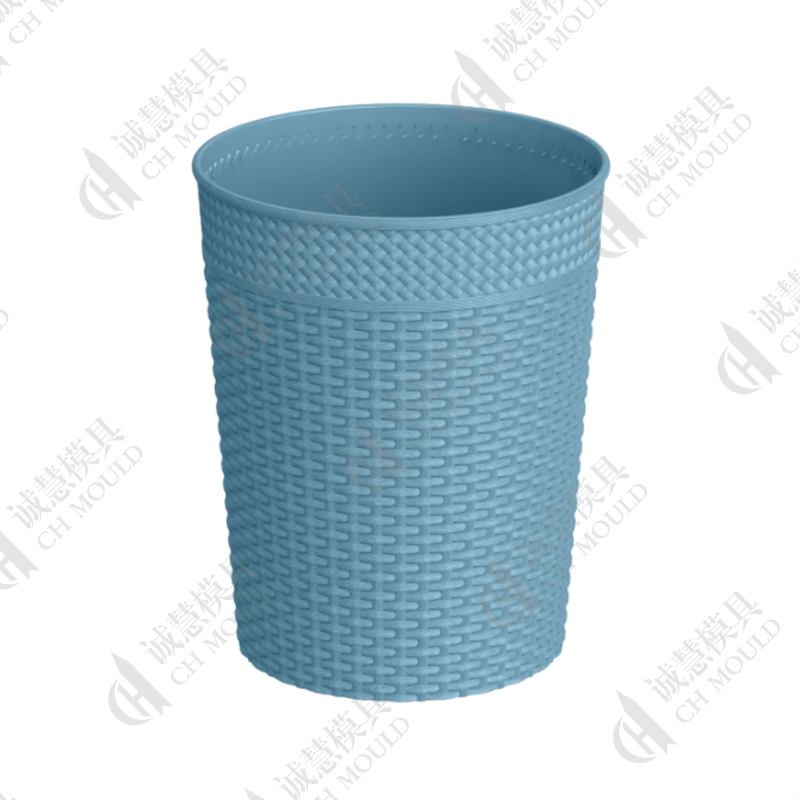
Why Are Different Dust Bin Sizes Creating New Mold Requirements?
Household waste bins are used in kitchens, bathrooms, offices, and utility rooms. Each environment has different space and capacity requirements. Some buyers prefer slim bins for narrow spaces, while others need larger containers for family waste collection.
For mold manufacturers, these variations involve more than changing product dimensions. Different capacities may require adjustments to cavity geometry, wall thickness, reinforcing structures, and cooling layouts.
Before developing a new mold, manufacturers should understand the intended product range and determine whether separate tooling is necessary. Early planning can help customers avoid design changes that increase tooling costs later.
How Does Product Appearance Affect Mold Design?
Consumers often judge household products by their appearance before considering their technical details. Surface texture, corner transitions, lid alignment, and visible molding marks can influence the perceived quality of a plastic dust bin.
To achieve a consistent finish, mold designers need to consider several factors:
- Gate location and plastic filling direction.
- Mold surface polishing or texture requirements.
- Draft angles for smooth product release.
- Venting arrangements to reduce trapped air.
- Shrinkage allowance for dimensional accuracy.
These details are particularly important for products sold through retail channels, where appearance consistency across production batches matters.
Can Better Mold Design Reduce Production Waste?
Material waste and repeated production adjustments can affect the overall manufacturing cost of household plastic products. Poor filling conditions may cause short shots, flash, or uneven product surfaces, while unsuitable ejection arrangements can damage molded parts.
A properly engineered dustbin injection mold should match the selected plastic material and injection molding machine. Mold flow analysis can also help evaluate filling behavior and identify potential design concerns before tooling production.
For manufacturers handling large orders, reducing avoidable defects can improve material utilization and make production planning more predictable.
What Should Buyers Discuss Before Ordering Custom Tooling?
Overseas buyers should provide clear product information rather than requesting quotations based only on product photographs. Technical drawings and application details help mold suppliers evaluate tooling requirements more accurately.
Important information includes:
- Product dimensions and target capacity.
- Plastic material, such as PP or HDPE.
- Surface finish and color requirements.
- Lid structure and assembly details.
- Expected production volume and machine specifications.
The more clearly these requirements are defined, the easier it becomes to develop a suitable custom household dust bin mold.
Why Are Mold Testing and Manufacturer Experience Important?
Mold trials provide an opportunity to evaluate actual molding conditions before mass production. Manufacturers can inspect product dimensions, surface appearance, filling performance, and ejection behavior, then make adjustments where necessary.
As a mold manufacturer, we focus on coordinating product structure, tooling design, and processing requirements throughout development. This approach helps customers identify potential production issues earlier and improve the consistency of finished plastic bins.
A reliable Household Dust Bin Mold is not simply a tool for shaping plastic. It is an important part of controlling product quality, manufacturing efficiency, and future design flexibility. For overseas household goods manufacturers and distributors, choosing a supplier with practical mold development experience can support more efficient product launches and more consistent production.