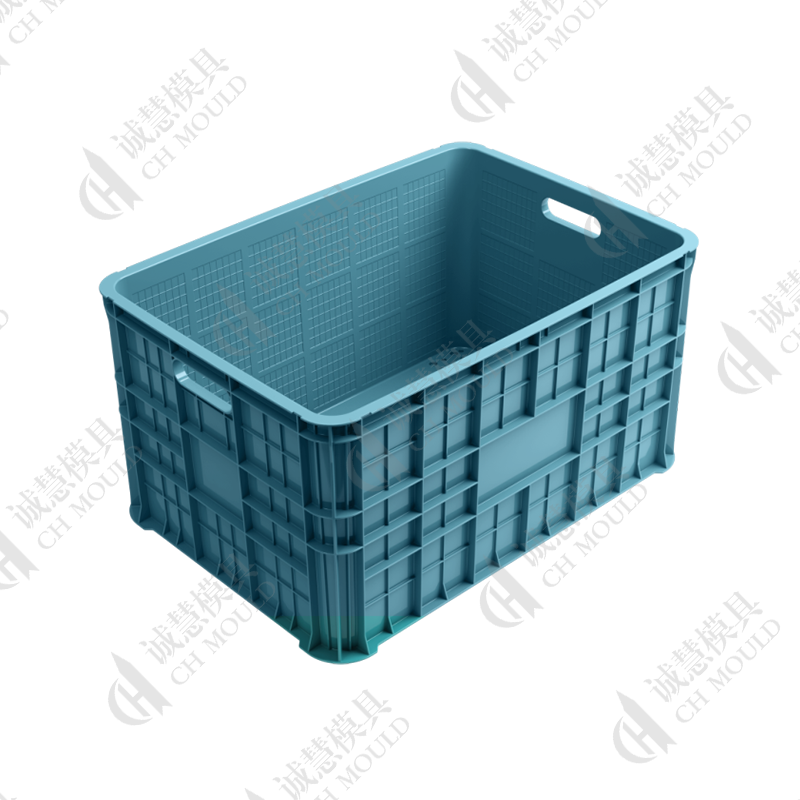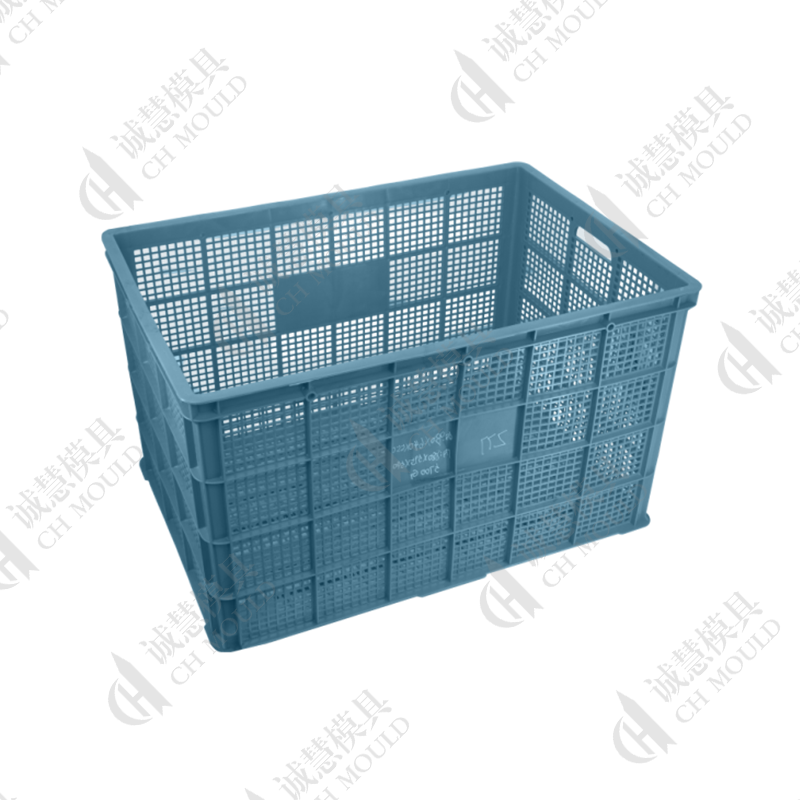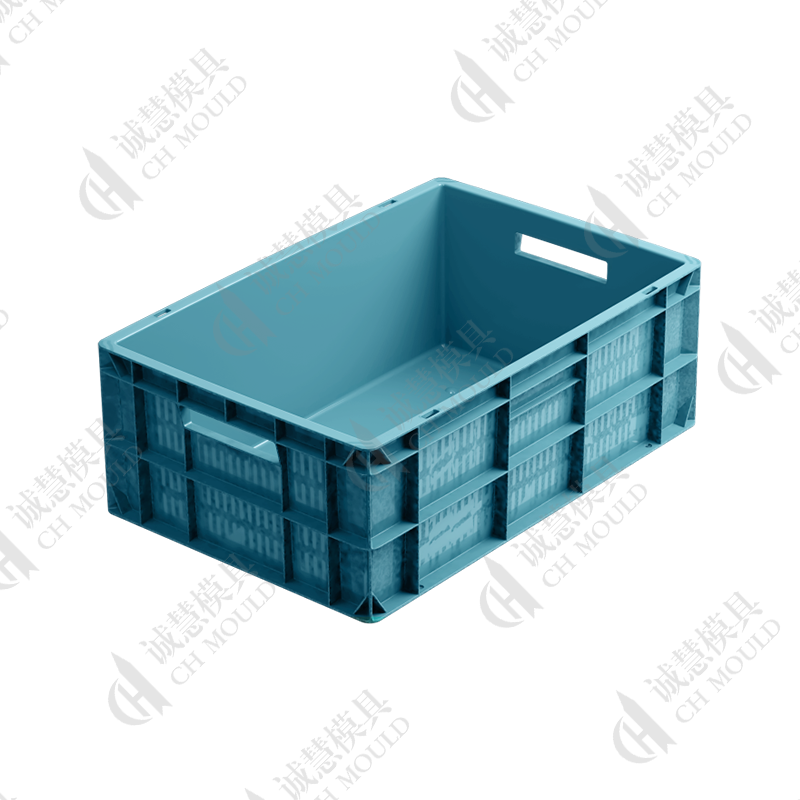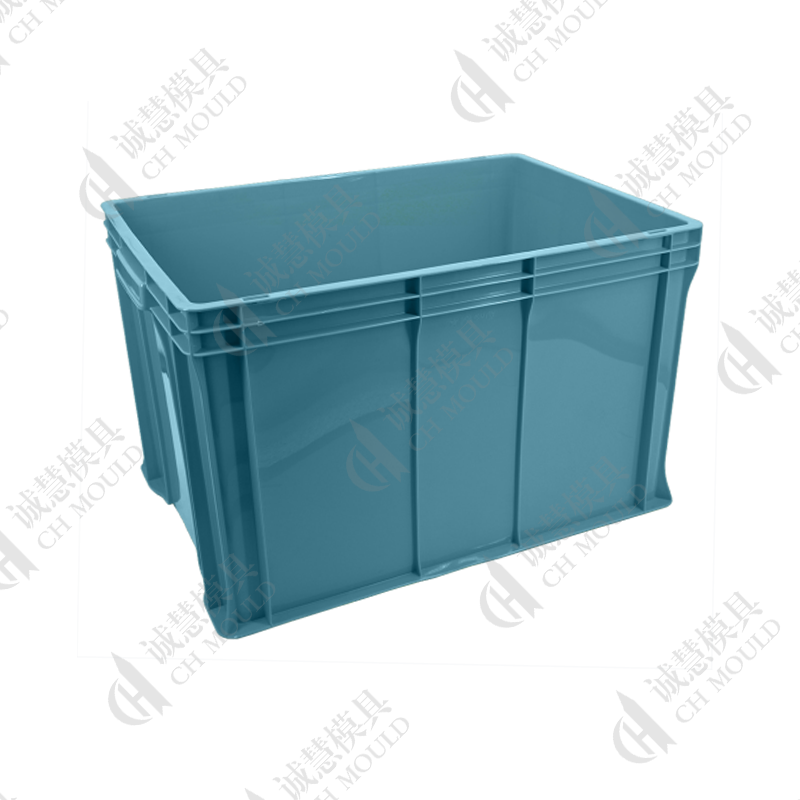

 Français
 Español
 عربى
Plastic basins are practical, versatile products used in homes, commercial facilities, workshops, agriculture, hospitality, healthcare, and industrial operations. Although a basin may appear simple, producing a durable, attractive, and consistently dimensioned basin requires carefully engineered tooling. The mold must support efficient filling, balanced cooling, reliable ejection, stable cycle performance, and a surface finish that meets the expectations of distributors and end users.
The CHENGHUI Plastic Basin Mold 003 is designed for manufacturers seeking dependable tooling for mass production of injection-molded plastic basins. It is part of a broader range of custom plastic injection molds developed for houseware and industrial applications. The tooling solution is suitable for customers that require repeatable quality, efficient production, professional mold testing, and long-term cooperation with an experienced mold manufacturer.
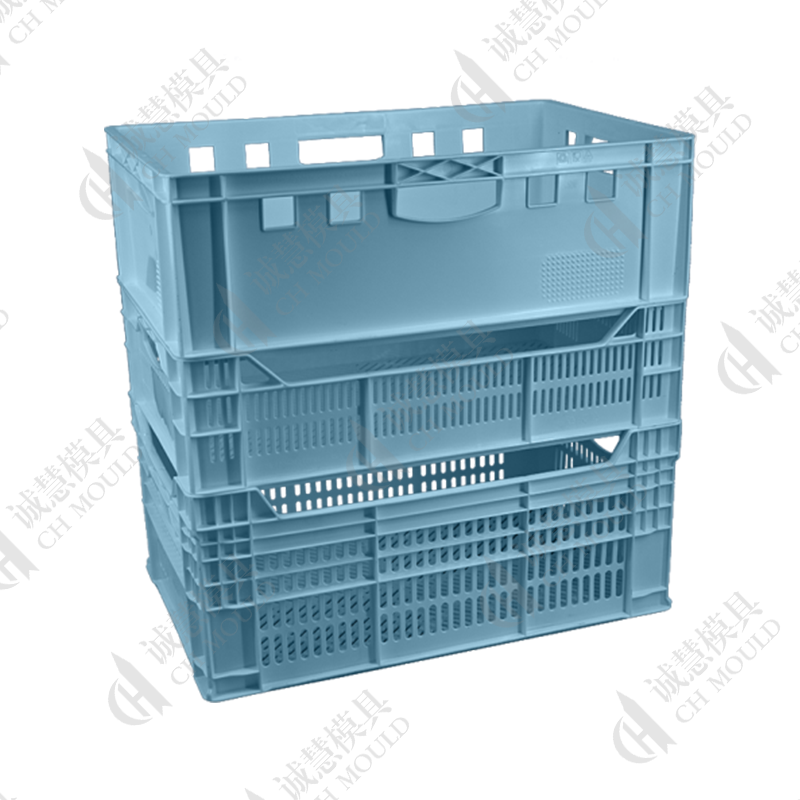
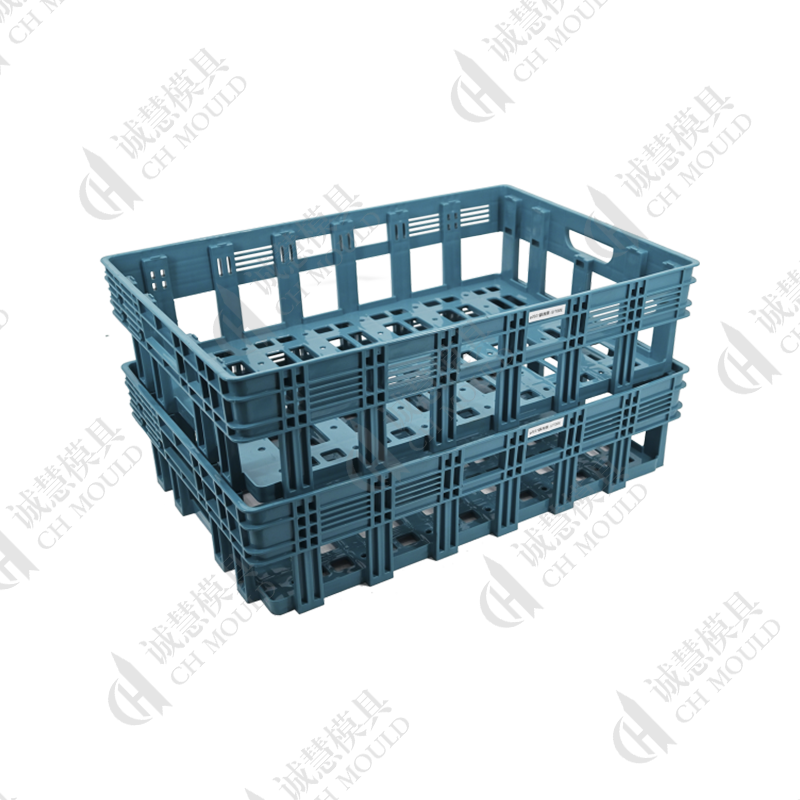
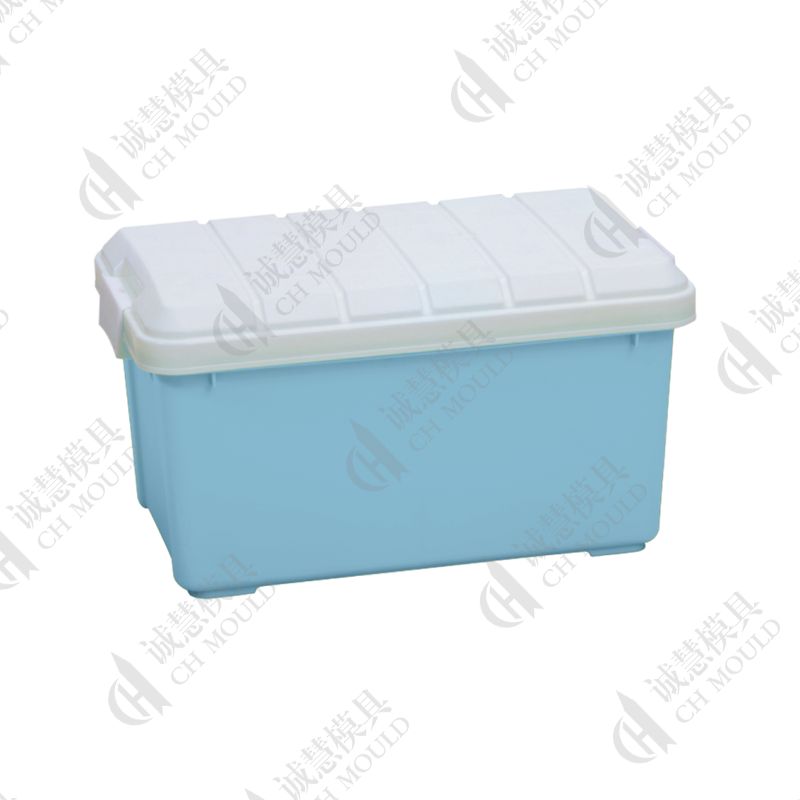
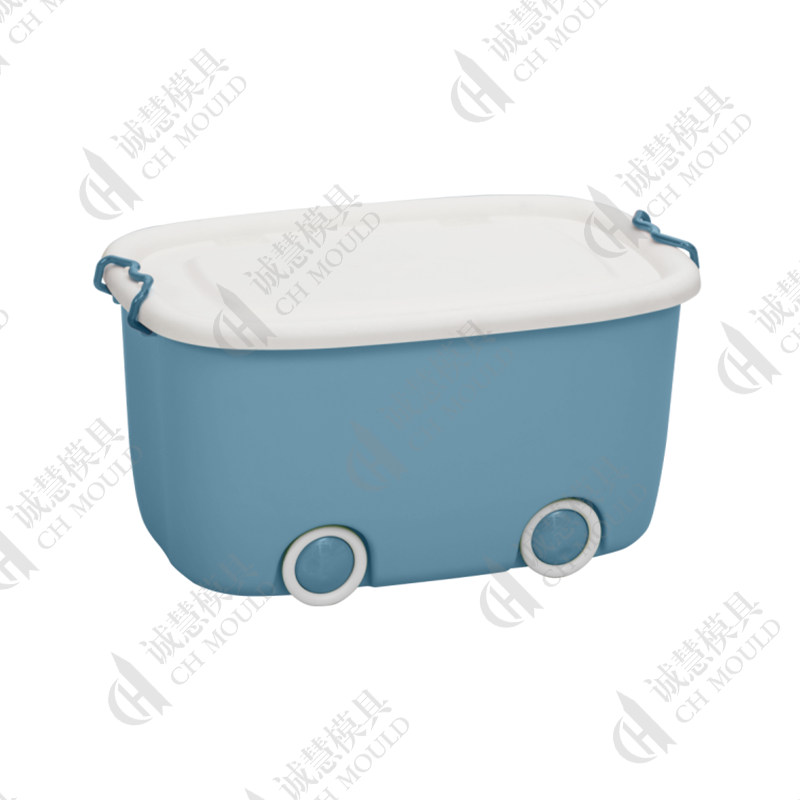
Manufactured by Zhejiang Chenghui Mould Co., Ltd., the mold benefits from more than 30 years of experience in injection mold design and production. Chenghui Mould has developed tooling for storage products, furniture, tables, chairs, turnover boxes, laundry baskets, buckets, storage racks, trash cans, PET products, and other daily-use and industrial products. This broad product experience helps the engineering team understand the practical requirements of household plastic products, including impact resistance, wall thickness control, stacking, handling, appearance, and cost-effective mass production.
For wholesalers, distributors, injection molding companies, and product brands, the value of a plastic basin mold is not limited to its ability to form a shape. A successful mold must reduce production interruptions, minimize scrap, protect product consistency, and support a competitive cost per part. The following article explains the product’s design value, manufacturing strengths, quality controls, customization options, and advantages over less specialized tooling solutions.
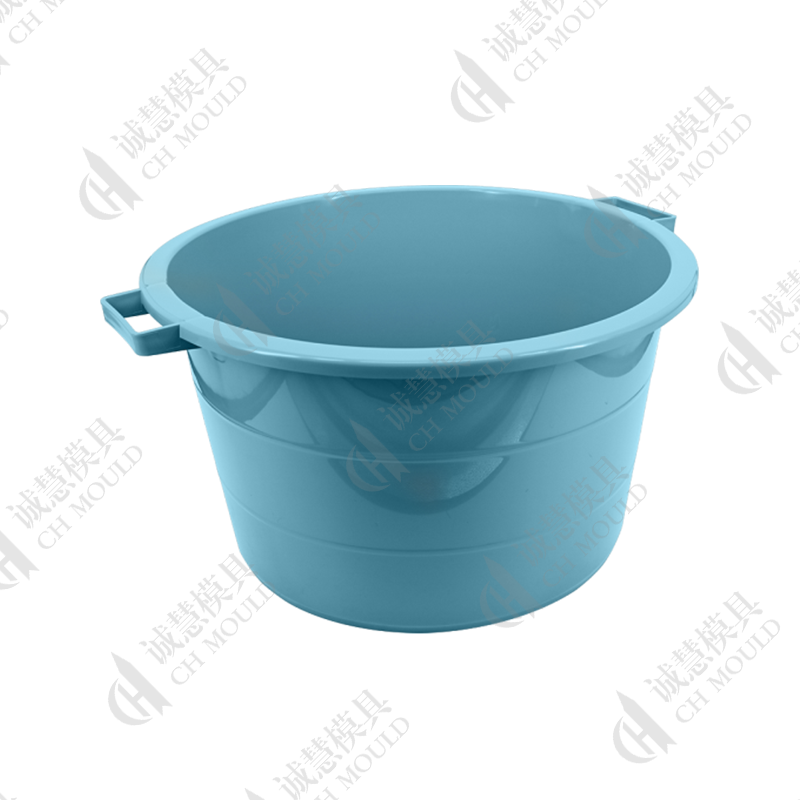
CHENGHUI Plastic Basin Mold 003
1. Product Overview
The Plastic Basin Mold 003 is a custom injection mold developed for the production of plastic basins and related household containers. Depending on the customer’s requirements, the mold can be engineered around a specific basin size, profile, capacity, handle arrangement, rim design, base structure, surface texture, and branding requirement.
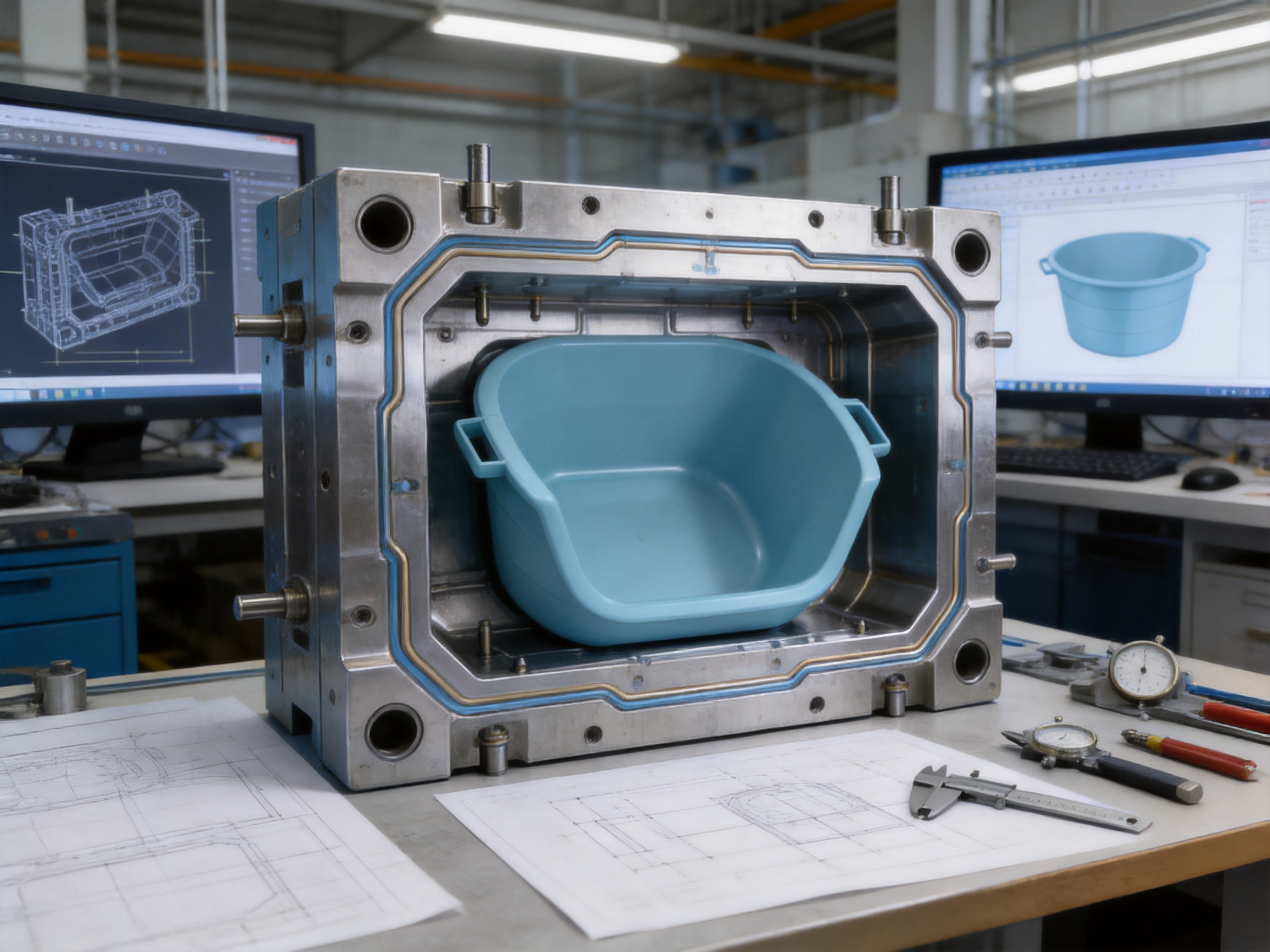
A basin mold generally consists of a core, cavity, mold base, cooling channels, runner system, gate structure, guide components, ejector system, and supporting mechanical elements. Each component must work together accurately. Even a small mismatch between the core and cavity can create flash, uneven wall thickness, visible parting lines, or dimensional instability. For this reason, mold accuracy is essential to the commercial success of the finished product.
The mold is intended for injection molding operations in which molten plastic is injected into a closed tool under controlled pressure. After filling and packing, the plastic cools against the mold surfaces and takes the required basin form. The mold then opens, and the finished product is ejected for inspection, trimming, packing, or further processing.
Plastic basins are often produced in materials such as polypropylene or other suitable thermoplastics. The final material selection depends on the desired stiffness, impact performance, chemical resistance, temperature requirements, color, product positioning, and local regulations. A properly designed mold can help the processor obtain stable results across a range of approved molding materials, provided that the injection machine and processing parameters are also correctly selected.
Core Product Characteristics
The mold is developed around the practical demands of high-volume household product manufacturing. Its principal characteristics include a product-specific forming structure, controlled filling performance, efficient cooling potential, reliable ejection, precise alignment, and suitability for customized production.
| Feature | Production Value | Customer Benefit |
|---|---|---|
| Custom basin geometry | Supports different capacities, profiles, rims, bases, and handles | Enables product differentiation and market-specific designs |
| Precision core and cavity matching | Controls dimensions and reduces mismatch-related defects | Improves appearance, assembly, and repeatability |
| Engineered runner and gate layout | Promotes balanced plastic flow | Helps reduce short shots, weld-line problems, and uneven filling |
| Cooling system planning | Removes heat from the mold efficiently | Supports shorter, more stable molding cycles |
| Reliable ejection design | Releases the basin without unnecessary deformation | Protects product quality and reduces operator intervention |
| Professional mold trials | Allows the tooling to be evaluated before shipment | Reduces commissioning risks at the customer’s factory |
| Custom engineering support | Adapts the tool to customer drawings and production conditions | Provides an OEM and ODM solution instead of a generic tool |
2. Why Plastic Basin Mold Quality Matters
A basin is a relatively large molded article with broad surfaces, a deep cavity, and a visible rim. These characteristics create several technical challenges. The plastic must travel through the cavity without excessive pressure loss or premature cooling. The walls must cool evenly to limit warpage. The rim must remain straight and attractive. The bottom must provide sufficient strength while retaining a practical material thickness.
When a low-quality mold is used, common problems may include uneven wall thickness, sink marks, distortion, flash, difficult ejection, poor surface appearance, unstable dimensions, and long cycle times. These problems can result in higher scrap rates and additional labor. For a distributor selling thousands of basins, a small defect percentage can become a significant commercial loss.
Tooling quality also influences the overall service life of the production operation. A mold that is poorly aligned or inadequately cooled may experience accelerated wear, repeated maintenance requirements, and unplanned downtime. By contrast, a mold designed and manufactured through controlled processes can provide a more dependable platform for continuous production.
For large houseware products, visual consistency is particularly important. Consumers often compare basins side by side in retail environments. Variations in color, gloss, rim shape, base flatness, or handle position can make products appear inexpensive or unreliable. A precision mold helps manufacturers maintain a uniform appearance from the first production batch to later replenishment orders.
Common Performance Requirements
Plastic basin tooling is typically evaluated according to several important requirements. First, the mold must reproduce the approved product geometry accurately. Second, it must fill and pack the cavity in a controlled manner. Third, it must cool the part sufficiently for safe removal. Fourth, the ejection process must avoid distortion and surface damage. Finally, the mold must be practical to maintain throughout its working life.
These requirements are connected. For example, a basin with a deep sidewall may require careful ejection planning. A textured surface may require controlled draft angles. A reinforced rim may influence the gate position and cooling layout. An integrated handle may require additional attention to material flow and local cooling. Chenghui Mould’s experience in household product tooling allows these factors to be considered together rather than treated as isolated design issues.
3. Design and Engineering Advantages
The main advantage of a custom plastic basin mold is that the tool is designed around the customer’s actual product rather than forcing the product to conform to an existing generic mold. This approach gives the buyer more control over capacity, appearance, function, packaging, and market positioning.
Product Geometry Optimization
The basin profile can be developed to balance usability and manufacturability. Rounded corners may improve cleaning and reduce stress concentration. A carefully shaped rim can increase rigidity and provide a comfortable gripping surface. A reinforced base can help the basin remain stable on flat surfaces. Side handles can be integrated into the design when carrying convenience is important.
Geometry must also account for draft. Draft angles allow the molded part to release from the core and cavity without excessive friction. If draft is insufficient, the product may stick, become scratched, or require excessive ejection force. If draft is excessive, the appearance or internal capacity may be affected. Skilled mold design seeks a practical balance between release performance and the customer’s visual requirements.
Wall Thickness Control
Large plastic products benefit from reasonably uniform wall thickness. Significant variations can produce uneven cooling and internal stresses. They may also cause sink marks, warpage, or inconsistent stiffness. Through product design review and mold flow considerations, the engineering team can help identify areas where thickness should be adjusted or reinforced.
Uniform wall thickness does not mean that every area must have exactly the same dimension. Rims, handles, ribs, feet, and other functional features may require localized reinforcement. The objective is to create a product that performs properly while remaining suitable for stable injection molding.
Flow and Gate Planning
The runner and gate system influences how molten plastic enters and spreads through the basin cavity. Gate location must be considered in relation to product appearance, filling balance, weld-line positions, packing requirements, and material usage. A suitable layout can help minimize flow hesitation and reduce the pressure required to fill the cavity.
For products with broad surfaces, the flow path may have a direct effect on visible quality. Weld lines, air traps, and flow marks can become noticeable if the injection strategy is not carefully planned. Mold engineers therefore review the product shape, expected material, injection machine, and production objectives when developing the filling system.
Cooling Efficiency
Cooling is one of the most important factors in injection molding productivity. A basin mold with insufficient or poorly positioned cooling channels may require a longer cycle, and the part may still be too hot when ejected. Uneven cooling can also create warpage, particularly in broad flat areas or around thick sections.
Chenghui Mould’s production approach includes attention to cooling-channel arrangement during mold development and machining. The final cooling design depends on the basin’s size, wall structure, material, expected cycle, and mold configuration. A well-planned system promotes more uniform heat removal, helping the processor achieve stable dimensions and improved output efficiency.
Ejection Reliability
The ejection system must release the molded basin without leaving unacceptable marks or causing distortion. Ejector positions are selected according to the product’s structural strength and the areas that can safely receive ejection force. In some designs, additional attention is needed around deep walls, reinforced bases, ribs, or handles.
Reliable ejection reduces the need for manual intervention and helps maintain a repeatable production rhythm. It also protects the mold from damage caused by forced removal or incomplete release. The objective is a smooth opening and ejection sequence that can be repeated over many production cycles.
4. Manufacturing Strengths of the Supplier
Zhejiang Chenghui Mould Co., Ltd. was founded in 1994 and has accumulated more than three decades of experience in injection mold design and manufacturing. This history is significant for buyers who require more than a one-time tooling transaction. Long-term experience provides exposure to different product structures, plastics, injection machines, production environments, and quality expectations.
The company operates its own production workshop and has 104 advanced processing machines. This internal manufacturing capability supports better coordination between design, machining, assembly, testing, and inspection. It also enables the company to manage key production steps directly rather than depending entirely on multiple outside suppliers.
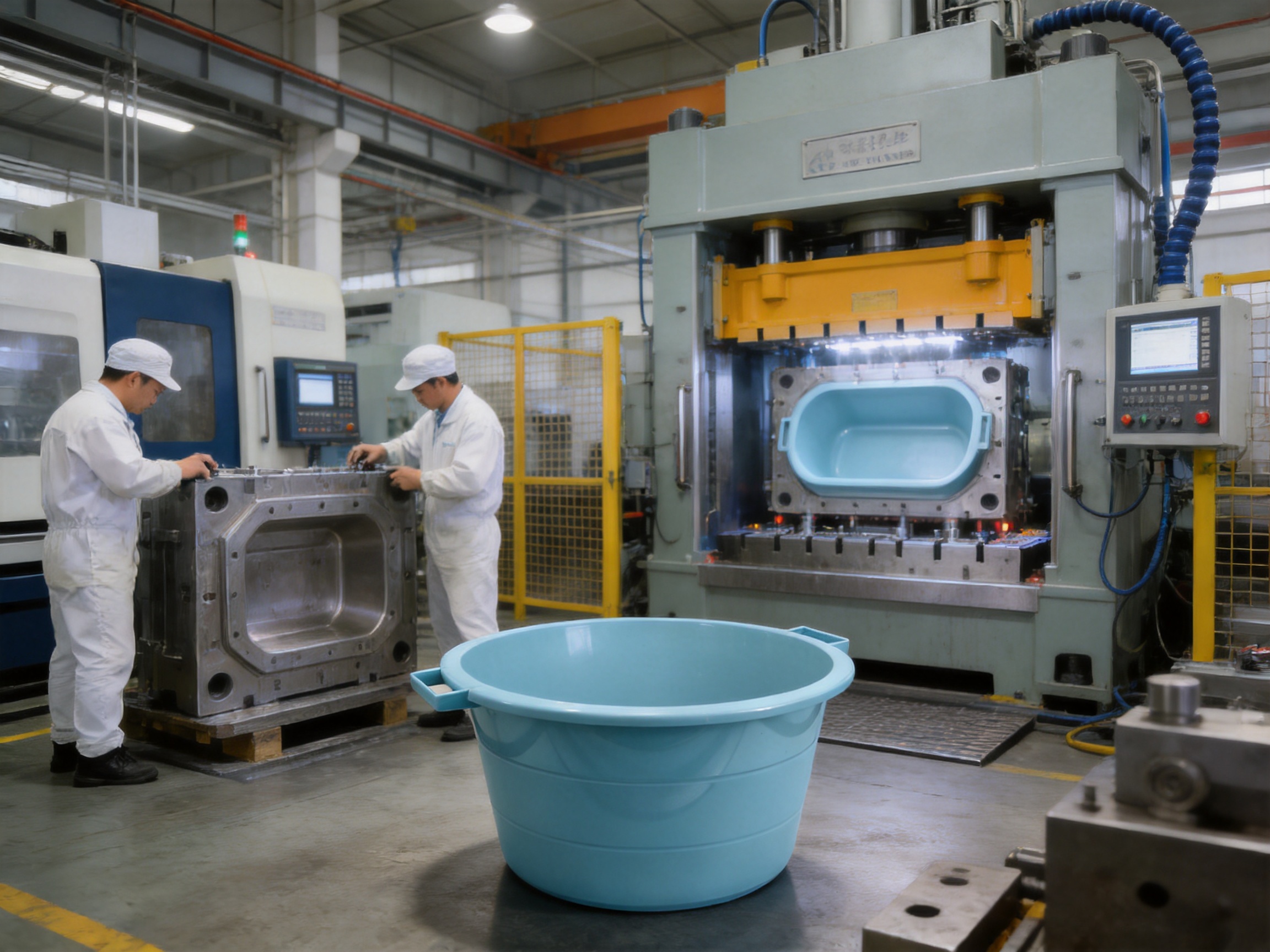
In addition to mold manufacturing resources, the company has professional injection molding machines for mold testing. Trial molding is an important stage because it provides practical evidence of how the tool performs. Engineers can review filling, appearance, ejection, cooling, dimensions, and cycle behavior before the mold is delivered to the customer.
Integrated Production Workflow
A typical custom mold project begins with product information supplied by the customer. This may include a product drawing, three-dimensional model, sample, reference image, target material, expected production quantity, and preferred injection machine. The engineering team reviews the information and identifies questions related to draft, wall thickness, parting lines, gates, ejection, cooling, and mold installation.
After design confirmation, the mold structure is developed and manufacturing plans are prepared. Precision machining creates the core, cavity, mold base components, inserts, ejector elements, and other parts. The components are then fitted and assembled. At each stage, dimensional control is essential because errors can accumulate if individual parts are not manufactured and checked accurately.
Once assembly is completed, the mold is installed on an appropriate injection molding machine for trial production. The trial allows the team to evaluate the molded basin under practical conditions. If adjustments are necessary, the tool can be modified, polished, vented, or otherwise refined before final approval.
| Project Stage | Main Activities | Quality Objective |
|---|---|---|
| Requirement review | Study drawings, samples, material, machine, and production targets | Establish a clear technical foundation |
| Product and mold design | Develop parting, draft, gates, cooling, ejection, and mold structure | Improve manufacturability and production stability |
| Material and component planning | Select suitable mold materials and standard components | Balance performance, durability, and project cost |
| Precision machining | Process core, cavity, inserts, plates, and functional components | Achieve dimensional accuracy and surface quality |
| Assembly and fitting | Align components, install systems, and verify movement | Ensure reliable mold opening, closing, and ejection |
| Trial molding | Run the mold on an injection machine and inspect samples | Confirm filling, appearance, dimensions, and release |
| Final inspection | Review mold operation, samples, and customer requirements | Prepare the tool for shipment and production use |
| After-sales support | Provide technical communication and production assistance | Support successful commissioning and long-term use |
5. Precision Equipment and Process Control
The quality of a mold depends on the relationship between equipment, people, process standards, and inspection. Advanced machinery can produce accurate components, but the equipment must be operated within a controlled workflow. Toolmakers must understand machining allowances, material behavior, tool wear, surface finish, and assembly tolerances.
Chenghui Mould uses a combination of precision processing equipment and professional technical personnel to manufacture injection molds for different product categories. The availability of 104 advanced processing machines provides a broad production foundation for milling, cutting, drilling, grinding, electrical discharge machining, polishing, and other required operations, depending on the project structure.
Process control is especially important for a basin mold because the cavity surfaces are large and the product geometry may include long sidewalls, curved corners, deep sections, and visible exterior surfaces. Accurate machining helps ensure that the finished basin follows the approved model. Controlled polishing and texturing help achieve the intended appearance and support consistent release.
Standardized procedures also improve communication among design, machining, assembly, and quality teams. When each project is documented and reviewed through defined steps, the risk of overlooked details is reduced. This contributes to more predictable lead times and easier project follow-up for international customers.
Inspection and Mold Trial Validation
Inspection can include dimensional checks of mold components, verification of alignment, movement testing, examination of cooling and ejection systems, and assessment of trial samples. The specific inspection plan depends on the customer’s requirements and the complexity of the mold.
Trial samples provide valuable information that cannot always be obtained from drawings alone. They show how the material fills the cavity, whether air can escape effectively, whether the basin releases cleanly, and whether any area requires further refinement. Sample evaluation may also reveal opportunities to adjust injection parameters or improve the mold before shipment.
A responsible mold supplier treats the trial not merely as a demonstration but as an engineering validation stage. The purpose is to ensure that the tool is ready for practical use and that any known issues are addressed before the customer begins mass production.
6. Advantages Over Generic or Lower-Quality Mold Solutions
Customers comparing mold suppliers should evaluate more than the initial quotation. A lower purchase price may not represent a lower total cost if the tool creates long-term production problems. The advantages of a specialized, professionally tested basin mold become clear when considering the entire operating cycle.
More Consistent Product Quality
A precisely manufactured mold helps control dimensions, symmetry, wall shape, rim appearance, and base structure. Consistency is valuable for both retail presentation and functional performance. It also simplifies quality inspection because the production team can work with a stable reference standard.
Lower Risk of Production Interruptions
Accurate alignment, reliable ejection, and properly fitted components reduce the chance of avoidable stoppages. Mold maintenance is still necessary, but a sound initial design can make maintenance more predictable and less disruptive.
Better Support for Large-Volume Production
Household basins are often produced in significant quantities. A mold must therefore be suitable for repeated cycling rather than occasional sample production. Careful attention to cooling, wear areas, guide systems, and moving components helps create a more practical production tool.
Improved Product Appearance
The basin’s exterior surface is visible to the consumer. A good mold can support clean contours, consistent texture, controlled parting lines, and an attractive finish. These details help manufacturers position the product more effectively in competitive markets.
Greater Customization Freedom
Generic tools limit a buyer’s ability to develop a distinct product. Custom tooling allows changes to capacity, rim geometry, handles, reinforcement ribs, drainage features, stacking details, logo areas, and surface finishes. This helps wholesalers and brands offer products tailored to local demand.
Reduced Commissioning Risk
Professional mold trials before shipment give the customer greater confidence that the tool has been evaluated. While the customer’s own machine, material, and processing conditions may still require adjustment, pre-shipment testing can reduce the likelihood of discovering major tooling issues after installation.
7. OEM and ODM Customization Services
The mold is suitable for OEM and ODM cooperation. Under an OEM project, the customer may provide an established basin design and require the supplier to manufacture the corresponding tooling. Under an ODM project, the customer may request support with product development, design refinement, and tooling based on a market concept.
Customization may involve the external shape, internal capacity, sidewall angle, base structure, rim profile, handles, ribs, stacking function, surface texture, color separation, and identification marks. The exact options depend on the product’s design and the available injection molding process.
A successful customization project begins with clear technical communication. Customers should provide the intended product dimensions, material, annual or monthly volume, injection machine information, preferred cycle target, surface requirements, packaging limitations, and applicable standards. These details help the mold maker design a tool that is appropriate for the intended production environment.
Design Review Support
Before steel is machined, the product design can be reviewed for draft, wall thickness, undercuts, ejection, parting lines, and potential appearance issues. Early design review is usually more efficient than correcting problems after the mold has been completed.
For example, a proposed handle may look attractive but create a difficult undercut. A deep decorative groove may trap the part or prevent easy polishing. A very thick base may create cooling and sink-mark concerns. Identifying such issues during design review allows the customer to make informed decisions while changes remain manageable.
Sample Development and Approval
Sample development provides a practical basis for approval. Customers can evaluate the basin’s dimensions, weight, feel, appearance, stiffness, stacking behavior, and compatibility with intended packaging. If the sample does not meet expectations, feedback can be incorporated into the mold adjustment process.
This collaborative approach is particularly useful for international buyers who need to coordinate product development across different teams. Clear sample records, inspection information, and technical communication help reduce misunderstandings during the project.
8. Application Areas for Molded Plastic Basins
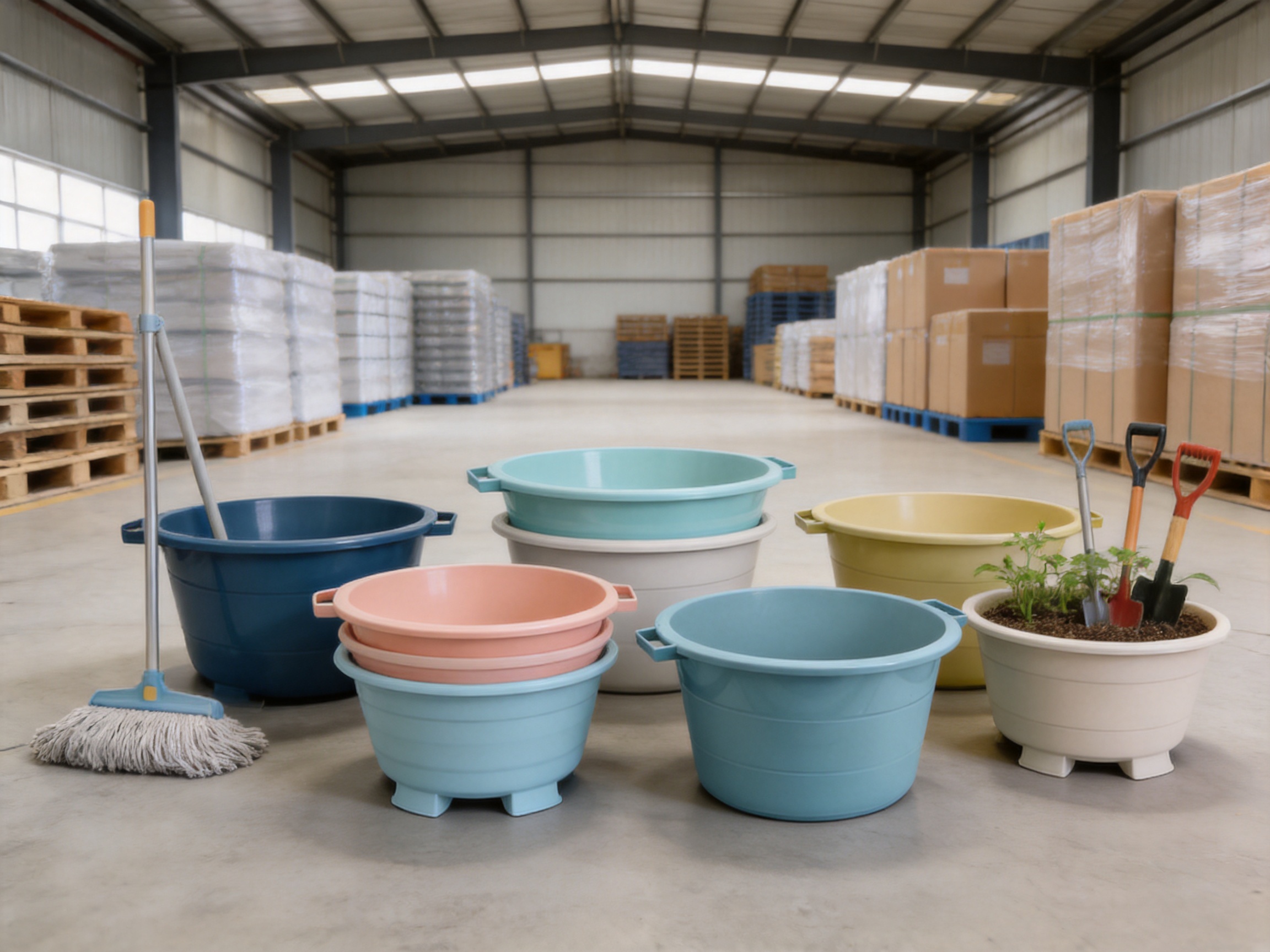
Plastic basins are used in many markets because they are lightweight, washable, stackable, and relatively economical to manufacture. Household applications include washing, soaking, cleaning, food-related tasks where permitted by the material and regulations, laundry handling, bathroom use, and general storage.
Commercial users may include hotels, restaurants, cleaning services, dormitories, care facilities, retail stores, and maintenance companies. Industrial users may require basins for parts handling, material transfer, workshop cleaning, agricultural tasks, or temporary storage. Different sectors may prioritize different features, such as impact resistance, large capacity, smooth cleaning surfaces, reinforced handles, or stackability.
The same basic tooling principles can support related products such as tubs, wash bowls, utility containers, nursery basins, cleaning trays, and other open-top household articles. Chenghui Mould’s experience with buckets, storage containers, laundry baskets, turnover boxes, trash cans, and storage products provides a broad technical background for these applications.
Retail and Distribution Considerations
For wholesalers and distributors, product consistency and packaging efficiency are essential. Basins should ideally stack securely to reduce warehouse volume and transportation cost. The design may include nesting clearance that allows multiple products to fit together without excessive friction or damage.
Retail buyers may also require a range of sizes or colors. A mold supplier with custom engineering capability can help support a product family based on related design principles. This can allow a distributor to offer small, medium, and large basin options while maintaining a recognizable visual identity.
9. Production Efficiency and Cost Considerations
The cost of a molded plastic basin is influenced by material usage, cycle time, labor, energy, packaging, scrap, maintenance, and tooling amortization. Mold design affects several of these factors directly.
Material efficiency begins with suitable product geometry and controlled wall thickness. Excessive material increases part weight and cost, while insufficient material can reduce strength and create defects. A balanced design helps achieve the required performance without unnecessary resin consumption.
Cycle time is influenced by filling, packing, cooling, mold opening, and ejection. Cooling often represents a major portion of the cycle for large products. An efficient cooling layout can help reduce unnecessary waiting time while maintaining part stability. However, cycle reduction should not compromise dimensional quality or safe ejection.
Scrap reduction is another major consideration. Every rejected basin represents wasted material, machine time, labor, and energy. Stable tooling, suitable process parameters, and consistent inspection can help reduce defects. Over a large production run, even a modest improvement in yield can provide meaningful savings.
Maintenance costs should also be considered when comparing tooling options. A mold designed with accessible wear components, dependable guide systems, and practical service points may be easier to maintain. Preventive maintenance can help extend working life and reduce the risk of unexpected downtime.
10. Quality Management and Customer Confidence
Chenghui Mould emphasizes precision, integrity, customer commitment, and continuous improvement. These principles are relevant to mold manufacturing because customers often purchase tooling for production programs that continue for years. The supplier’s responsibility therefore extends beyond machining steel; it includes communication, verification, delivery preparation, and technical support.
Quality management begins with understanding customer requirements accurately. It continues through design review, machining control, assembly, trial molding, inspection, and final documentation. Each stage contributes to the reliability of the completed tool.
Customer confidence is also strengthened by transparent communication. Buyers benefit when the supplier provides clear information about project progress, technical decisions, sample results, required approvals, and any recommended changes. Good communication helps both parties respond quickly when a design or production issue appears.
For international customers, after-sales support is particularly valuable. Installation, machine matching, process adjustment, and maintenance may require coordination between the mold factory and the customer’s production team. Chenghui Mould provides after-sales support to help customers move from tooling delivery toward stable production.
11. International Supply Capability
Chenghui Mould exports its molds to the Middle East, Europe, America, Africa, Southeast Asia, and other regions. International project experience requires awareness of different communication methods, shipping arrangements, technical documents, quality expectations, and production practices.
A mold intended for export must be prepared for safe transportation and practical installation. Components should be protected, moving parts secured, and necessary technical information organized. Customers may also require specific mold base standards, machine compatibility, spare parts, or documentation according to their factory requirements.
For overseas buyers, selecting a manufacturer with established export experience can simplify coordination. It can also provide greater confidence that the supplier understands the importance of production readiness, packaging, delivery communication, and post-delivery support.
12. Recommended Customer Information for a Basin Mold Project
Customers can improve project efficiency by preparing complete information before requesting a quotation or design review. The following details are especially useful:
1. Product drawings or three-dimensional files.
2. Target basin length, width, height, capacity, and weight.
3. Preferred plastic material and any recycled-content requirements.
4. Expected annual production volume or order quantity.
5. Injection molding machine model, tie-bar spacing, platen dimensions, and maximum mold height.
6. Required cycle time or production output target.
7. Surface finish, texture, color, logo, and appearance expectations.
8. Requirements for handles, stacking, drainage, ribs, feet, or reinforcement.
9. Packaging dimensions and transportation considerations.
10. Applicable market, safety, food-contact, or environmental requirements.
Providing this information at the beginning allows the engineering team to evaluate the project more accurately. It also reduces the likelihood of late changes that may affect tooling cost, delivery schedule, or product performance.
13. Practical Maintenance After Delivery
Even a well-manufactured mold requires proper maintenance. Preventive care helps preserve dimensional accuracy, reduce corrosion, and maintain smooth operation. The maintenance schedule should be adapted to the material, production volume, mold structure, and factory environment.
After production, the mold should be cleaned of residual plastic, grease, dust, and moisture. Cooling circuits should be monitored for blockage, leakage, or mineral buildup. Ejector components should be lubricated according to the supplier’s recommendations. Guide pillars, bushings, slides, and other moving elements should be inspected for wear or unusual resistance.
Operators should also monitor the molded basin for changes in appearance or dimensions. Flash, sticking, uneven gloss, increasing ejection marks, or new warpage may indicate a tooling or process issue. Early detection can prevent a minor condition from becoming a major repair.
When the mold is stored, appropriate rust protection should be applied to exposed steel surfaces, and the mold should be kept in a dry environment. The cavity and core should be protected from impact. If the tool contains special inserts or removable components, these should be identified and stored properly.
14. How to Evaluate a Plastic Basin Mold Supplier
A buyer should evaluate a supplier according to technical capability, manufacturing resources, communication, testing procedures, quality management, and after-sales service. Price is important, but it should be considered together with the expected service life and production performance of the mold.
Relevant questions include whether the supplier has experience with large household products, whether it can perform mold trials internally, how it manages design changes, what inspection information it provides, and how it supports customers after delivery. The supplier’s experience with related products can also be useful because it indicates familiarity with the practical challenges of injection molding.
Chenghui Mould’s more than 30 years of industry experience, own production workshop, 104 advanced processing machines, professional testing injection machines, annual production capacity of more than 1,500 mold sets, and export experience provide a strong foundation for international mold projects.
The company’s product range extends beyond basins to storage boxes, turnover boxes, laundry baskets, buckets, furniture, tables, chairs, trash cans, storage racks, PET storage products, and other daily necessities. This broad scope demonstrates the ability to support both houseware and industrial tooling requirements.
15. Frequently Asked Questions
Q1: What product is the Plastic Basin Mold 003 designed to manufacture?
The mold is designed for producing custom injection-molded plastic basins. The final basin can be developed according to the customer’s required dimensions, capacity, profile, rim, base, handles, surface finish, and other functional features.
Q2: Can the mold be customized for an existing basin design?
Yes. Customers can provide product drawings, three-dimensional files, physical samples, or reference information. The engineering team can review the design and develop tooling around the approved product requirements.
Q3: Is the mold suitable for OEM and ODM projects?
Yes. The supplier provides OEM and ODM mold development services. OEM customers may provide an established product design, while ODM customers may request support with product refinement and tooling development.
Q4: What materials can be used for molded basins?
The appropriate material depends on the basin’s required strength, flexibility, chemical resistance, temperature performance, appearance, cost, and regulatory requirements. Polypropylene and other suitable thermoplastics may be considered after reviewing the product and production conditions.
Q5: Why is mold cooling important for a plastic basin?
Basins often have broad surfaces and relatively deep walls. Efficient and balanced cooling helps remove heat, stabilize dimensions, reduce warpage, and support a practical molding cycle. Cooling design must be matched to the product geometry and selected material.
Q6: How does the supplier validate the mold before delivery?
The mold can be installed on a professional injection molding machine for trial production. Engineers evaluate filling, appearance, ejection, dimensions, cooling behavior, and other relevant factors. If necessary, adjustments are made before final approval and shipment.
Q7: What manufacturing resources does the company have?
The company has its own production workshop, 104 advanced processing machines, professional injection molding machines for mold testing, and a team experienced in mold design, machining, assembly, inspection, and technical support.
Q8: How much mold-making experience does the company have?
Zhejiang Chenghui Mould Co., Ltd. was founded in 1994 and has more than 30 years of experience in injection mold design and manufacturing.
Q9: Does the company manufacture other types of molds?
Yes. Its experience includes molds for PET storage products, tables, chairs, furniture, storage boxes, turnover boxes, laundry baskets, buckets, storage racks, trash cans, and other household and industrial products.
Q10: Can the mold be adapted to a customer’s injection molding machine?
Machine compatibility should be reviewed during the engineering stage. Customers should provide machine specifications such as tie-bar spacing, platen size, mold height range, injection capacity, and clamping force so that the mold can be designed appropriately.
Q11: What information should be supplied for an initial quotation?
Useful information includes product drawings or samples, dimensions, material, expected volume, machine details, surface requirements, special features, and target delivery schedule. More complete information allows the supplier to provide a more accurate proposal.
Q12: Does the company provide after-sales support?
Yes. The company provides after-sales support for customers requiring assistance with mold installation, trial production, process coordination, maintenance, or other technical matters related to the tooling.
Q13: Where does the company export its molds?
The company exports to the Middle East, Europe, America, Africa, Southeast Asia, and other international markets.
Q14: How can a customer reduce the risk of mold problems?
The customer should provide complete product information, confirm the design carefully, discuss material and machine conditions, review trial samples, and establish clear acceptance criteria before production begins. Choosing an experienced manufacturer with internal testing capability also helps reduce project risk.
16. Conclusion
The Plastic Basin Mold 003 is a practical tooling solution for manufacturers that require reliable, scalable, and customized production of plastic basins. Its value comes from more than the shape of the cavity. The mold must support balanced filling, efficient cooling, dependable ejection, accurate dimensions, attractive surfaces, and long-term production stability.
Zhejiang Chenghui Mould Co., Ltd. combines more than 30 years of experience with an internal production workshop, 104 advanced processing machines, professional mold testing equipment, standardized manufacturing procedures, and international project experience. These strengths allow the company to support the complete tooling process from concept and design through machining, assembly, trial molding, inspection, delivery, and after-sales service.
Compared with generic or poorly engineered tooling, a professionally developed basin mold can provide better consistency, lower production risk, improved appearance, greater customization, and stronger long-term value. For wholesalers, distributors, injection molding companies, and product brands, this makes custom tooling an important investment in product quality and market competitiveness.
By selecting a mold partner capable of combining precision manufacturing, practical engineering, quality management, and customer support, buyers can create plastic basin products that are efficient to manufacture, dependable in use, and suitable for markets around the world.
References
1. General principles of plastic injection mold design and manufacturing.
2. Standard practices for injection molding process development and mold trial validation.
3. Industrial guidance on thermoplastic material selection for household products.
4. Quality management principles for precision tooling production.
5. Manufacturer-provided company information concerning mold production capabilities, equipment, product categories, export markets, and technical services.