
 Français
 Español
 عربى
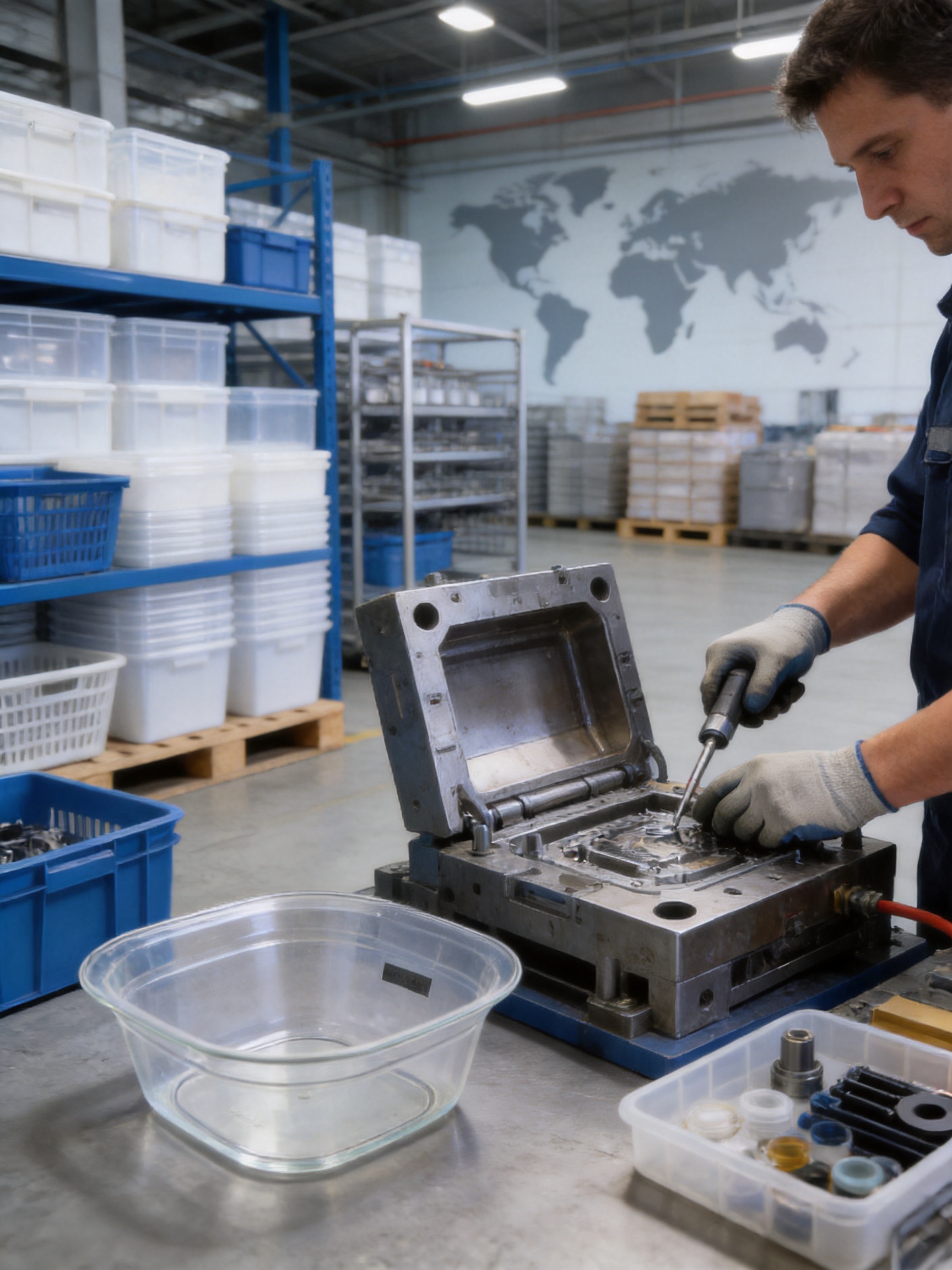
In the modern plastics industry, product quality begins long before a molded part reaches the production line. It begins with the design, engineering, material selection, and manufacturing accuracy of the mold. For manufacturers of PET storage products and related household or industrial goods, a dependable mold is essential for achieving repeatable dimensions, clean surfaces, stable production cycles, and efficient mass production. PET Mold 013 is designed as a precision tooling solution for customers seeking reliable performance, consistent output, and professional mold manufacturing support.
Developed for the demanding requirements of plastic injection molding, this mold belongs to a product category that supports the production of storage products and other daily-use plastic components. Its value is not limited to the physical steel structure of the tool. A successful mold solution also includes product analysis, mold-flow consideration, machining, assembly, testing, inspection, technical communication, and after-sales service. Together, these elements help buyers reduce production risks and obtain tooling that is ready for long-term use.
Zhejiang Chenghui Mould Co., Ltd. has more than 30 years of experience in designing and manufacturing injection molds for daily necessities, storage products, furniture, industrial containers, and other plastic applications. With its own production workshop, advanced processing equipment, professional injection molding machines for mold testing, and an annual capacity of more than 1,500 mold sets, the company provides a complete manufacturing chain from concept development to final mold delivery.
This article examines the product value of PET Mold 013, its possible applications, the manufacturing practices behind its reliability, and the reasons it can be considered by wholesalers, distributors, plastic product manufacturers, and international buyers looking for a qualified China mold factory.
Understanding the Role of PET Mold 013
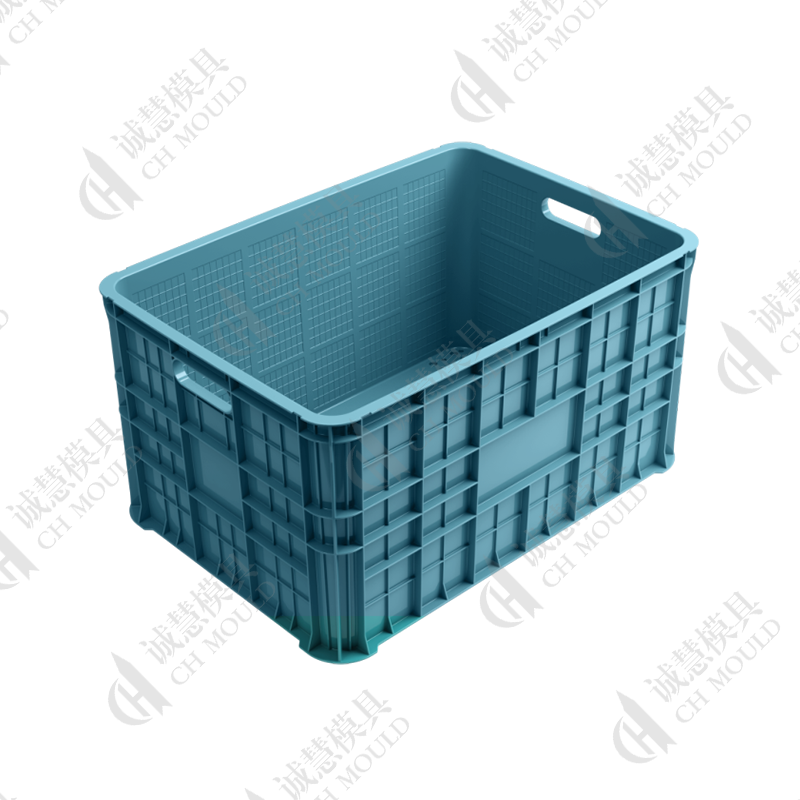
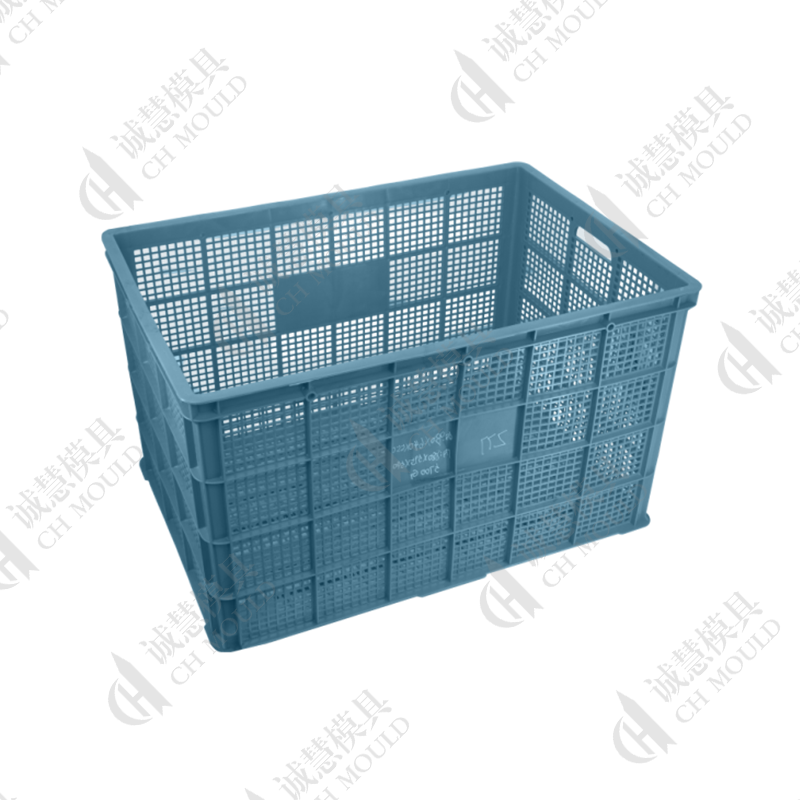
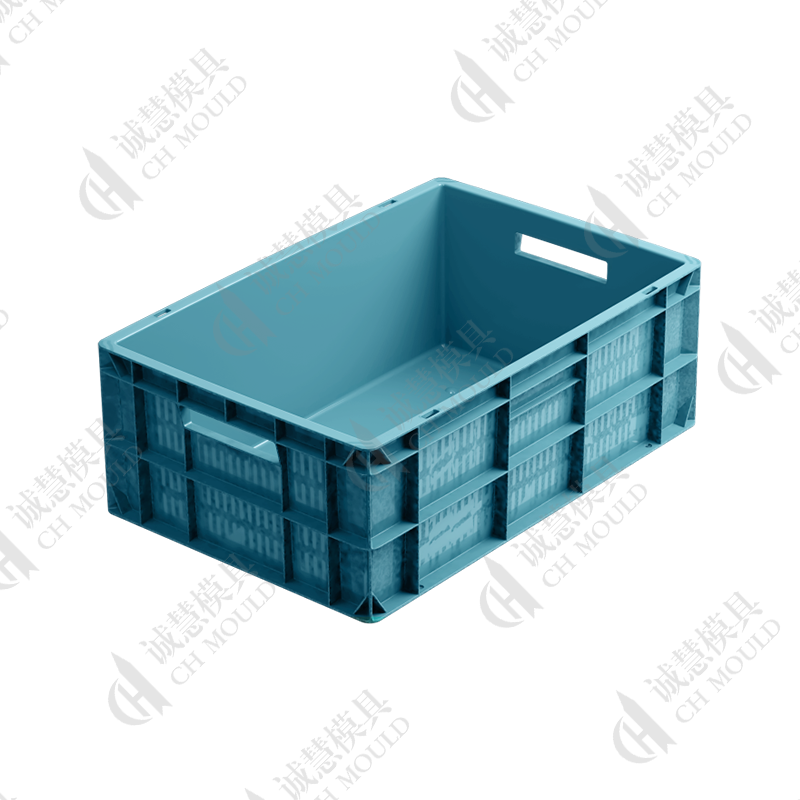
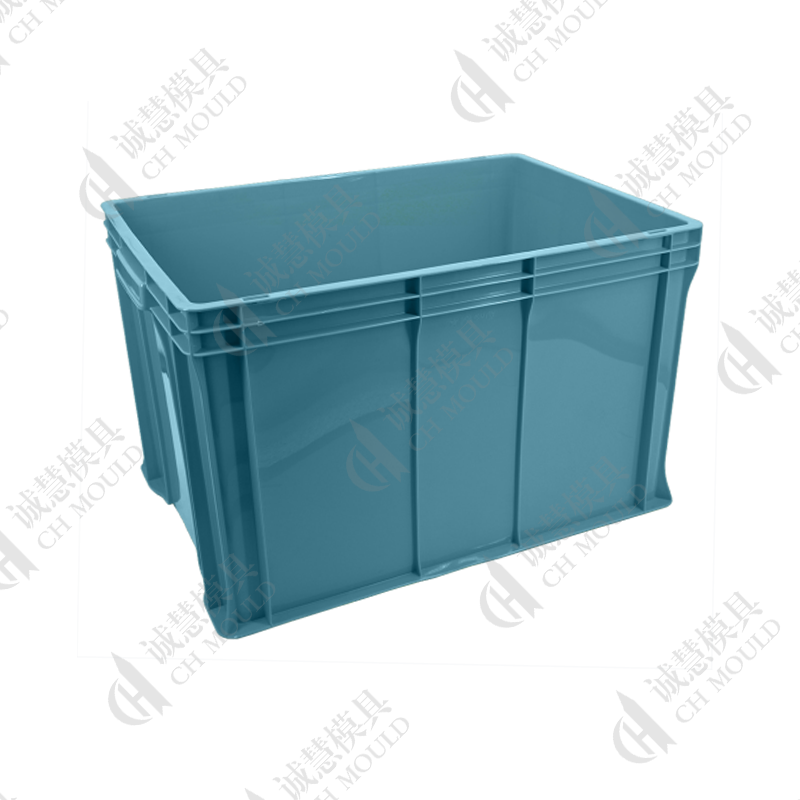
PET Mold 013 is a specialized injection mold intended for the production of PET-related storage products and similar plastic articles. The supplied product information identifies it as a PET Mold, while the company’s broader manufacturing portfolio includes PET storage products, storage boxes, turnover boxes, laundry baskets, buckets, racks, trash cans, tables, chairs, and other household and industrial goods.
A mold for a storage product must do more than form the general outline of the part. It must support the required wall thickness, corner transitions, ribs, handles, stacking areas, locking details, and surface finish. These features influence product strength, usability, appearance, and manufacturing efficiency. If the mold is poorly designed or inaccurately machined, the final product may show warpage, flash, sink marks, uneven walls, short shots, dimensional variation, or difficult demolding.
PET Mold 013 is therefore best understood as part of an integrated tooling solution. The tool must be evaluated according to the intended product design, plastic material, injection machine, production volume, cooling requirements, cycle time, and quality expectations. Professional mold manufacturing connects these technical considerations before steel processing begins.
For international customers, the importance of a structured mold supplier is especially clear. A customer may need assistance with product drawings, mold construction, parting-line selection, gate positioning, cooling layout, ejection strategy, trial molding, sample approval, and final adjustments. A supplier that can manage these stages internally offers greater control and reduces the communication gaps that often occur when design, machining, testing, and inspection are divided among unrelated companies.
Product Applications and Market Value
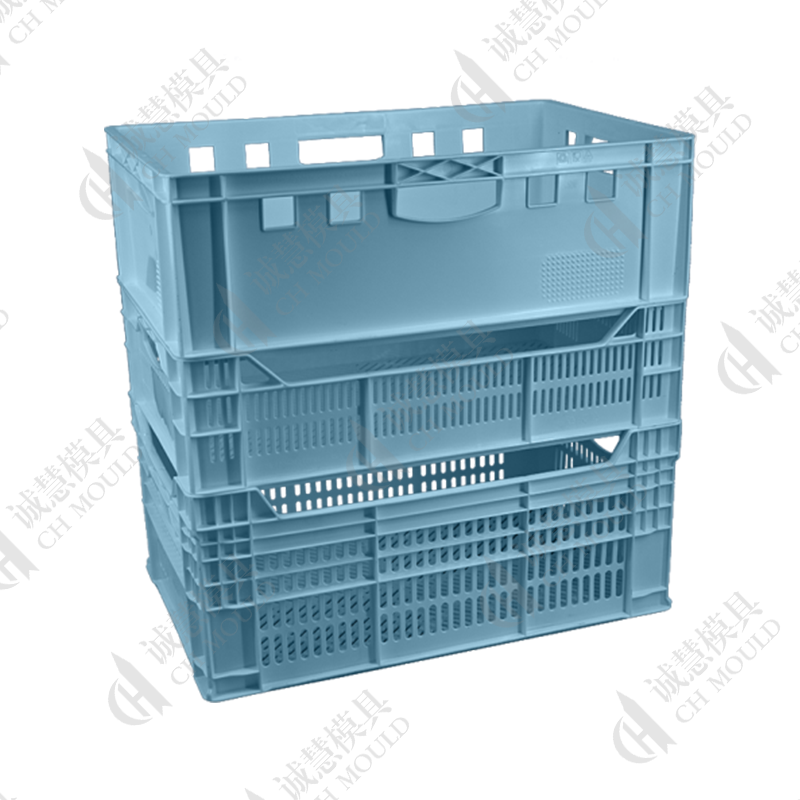
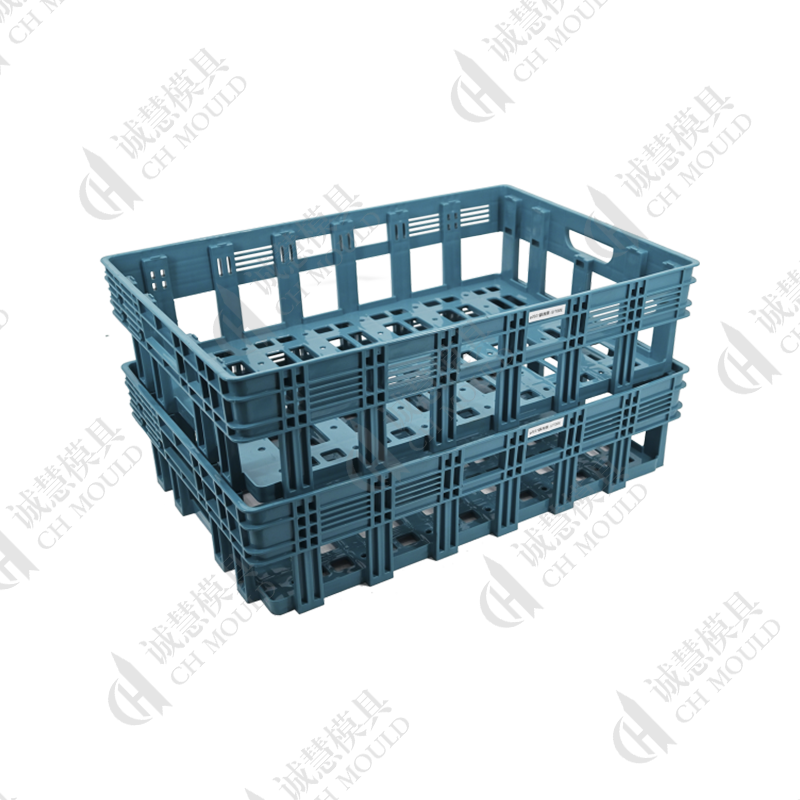
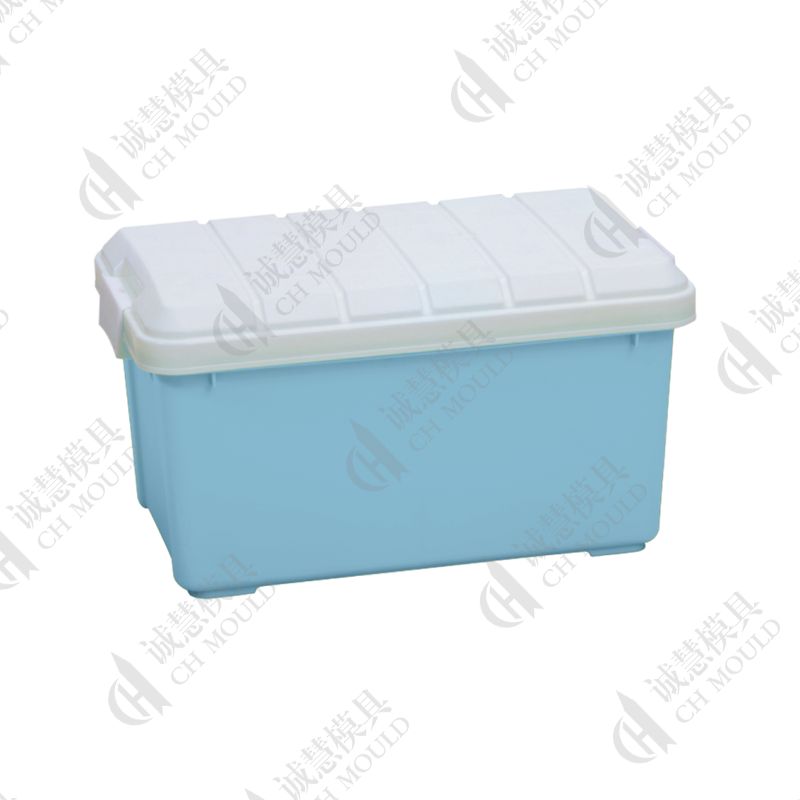
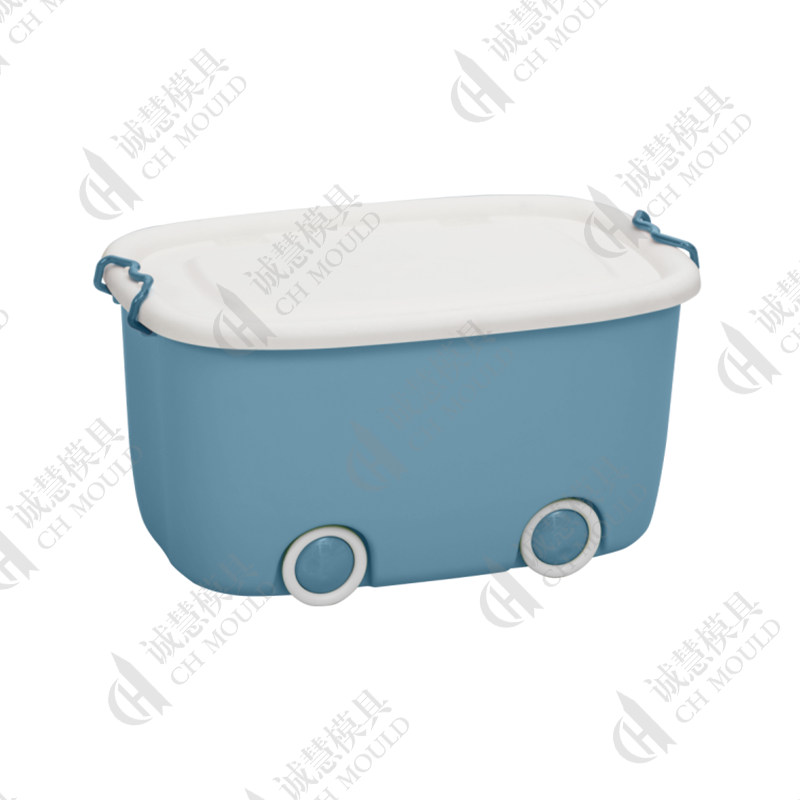
PET-based storage products are widely used in homes, warehouses, offices, retail environments, workshops, and logistics operations. Their applications range from basic organization to the movement and protection of goods. Depending on the final design, PET products can be used for storage, transport, display, sorting, packaging, and household management.
Storage products must withstand repeated handling and often need to maintain their shape under load. A box, container, rack component, or household organizer may be opened, closed, stacked, moved, washed, and reused many times. The mold must consequently support a design that balances material usage with mechanical performance. Excessively thin sections may lower material cost but reduce strength, while unnecessarily thick sections may increase cycle time and create molding defects.
Industrial and logistics products have additional requirements. Turnover boxes and storage containers may be stacked during transportation or placed on pallets in warehouses. They may be exposed to impact, vibration, temperature changes, and frequent loading. Their dimensions must be consistent so that products can stack properly and work with existing logistics systems. Small deviations in height, width, or locking features can create instability and reduce operational efficiency.
Houseware products are judged by both function and appearance. Customers expect smooth surfaces, clean edges, comfortable handles, accurate fit, and an attractive finish. A mold that produces uneven surfaces or visible parting-line defects may increase secondary finishing work and reduce the perceived value of the final product. A precision mold supports a more controlled appearance across large production quantities.
Because PET Mold 013 is produced by a supplier with experience in household and industrial products, it can be considered for projects where both visual quality and production reliability are important. The supplier’s knowledge of daily-use plastic goods is especially relevant for customers developing storage systems, containers, organizers, and related molded products.
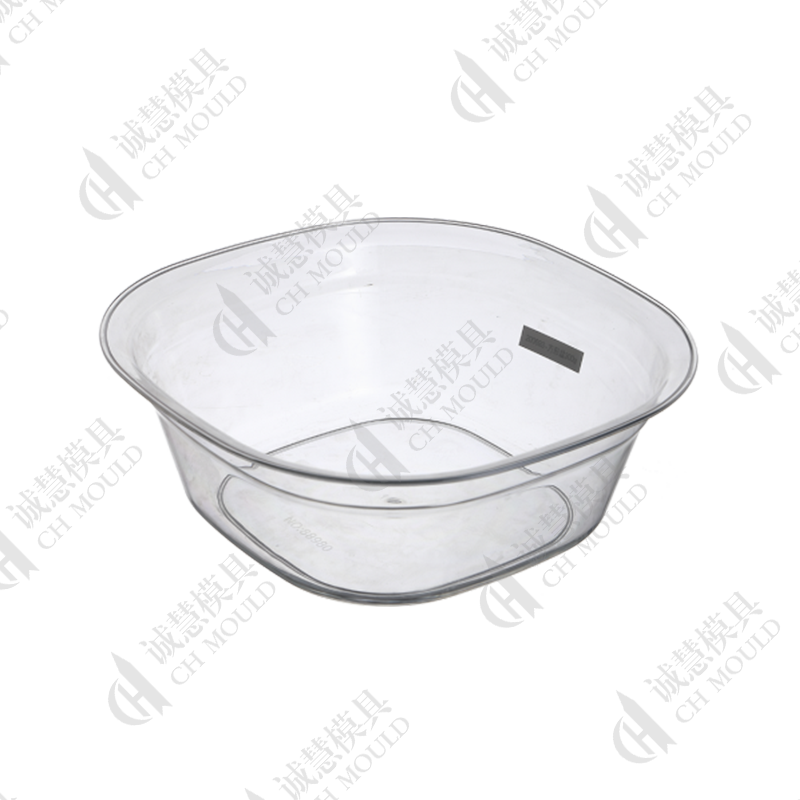
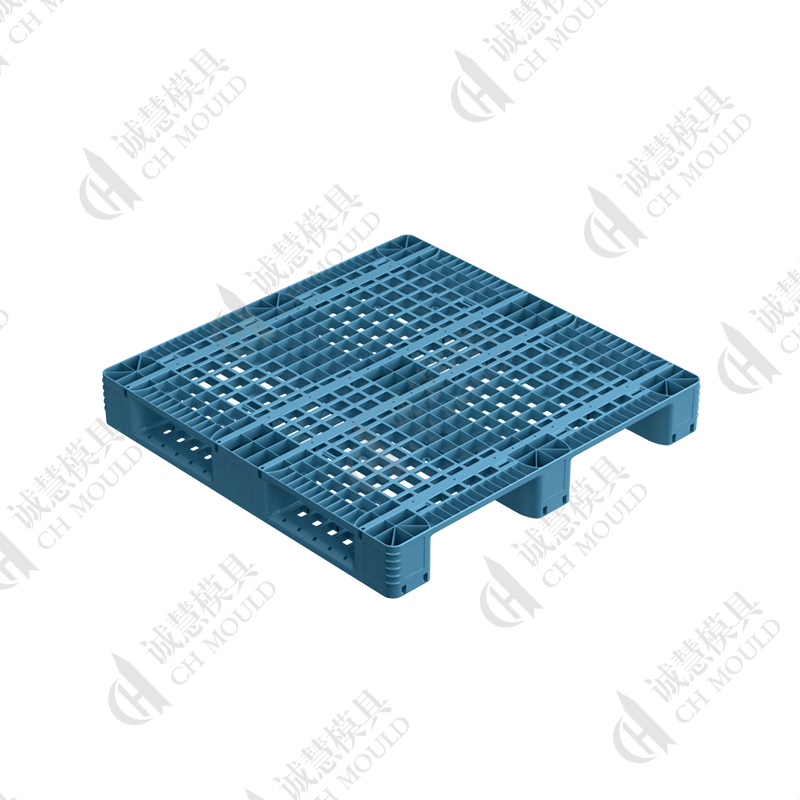
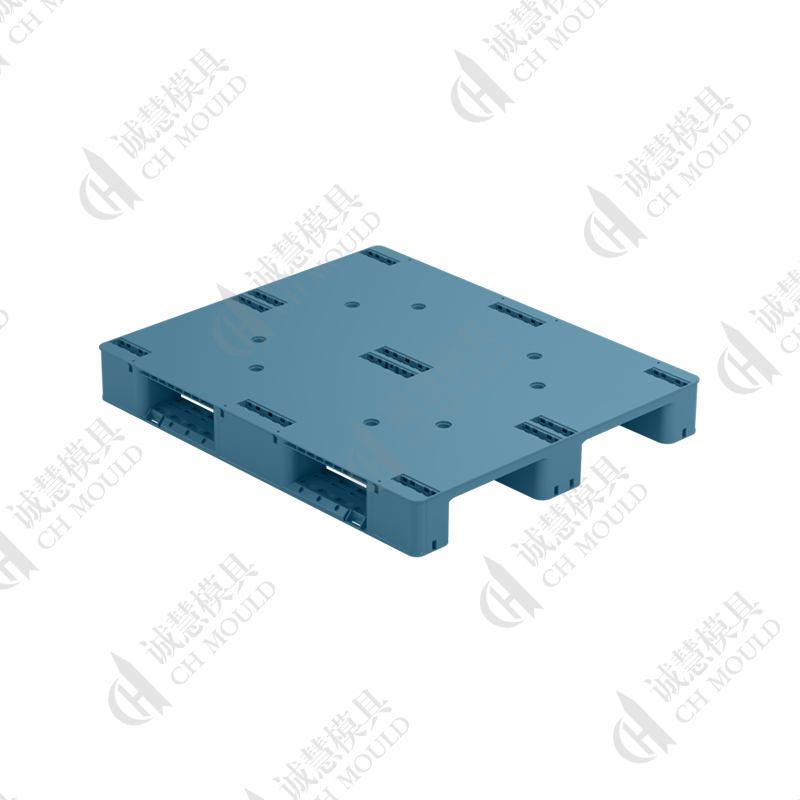
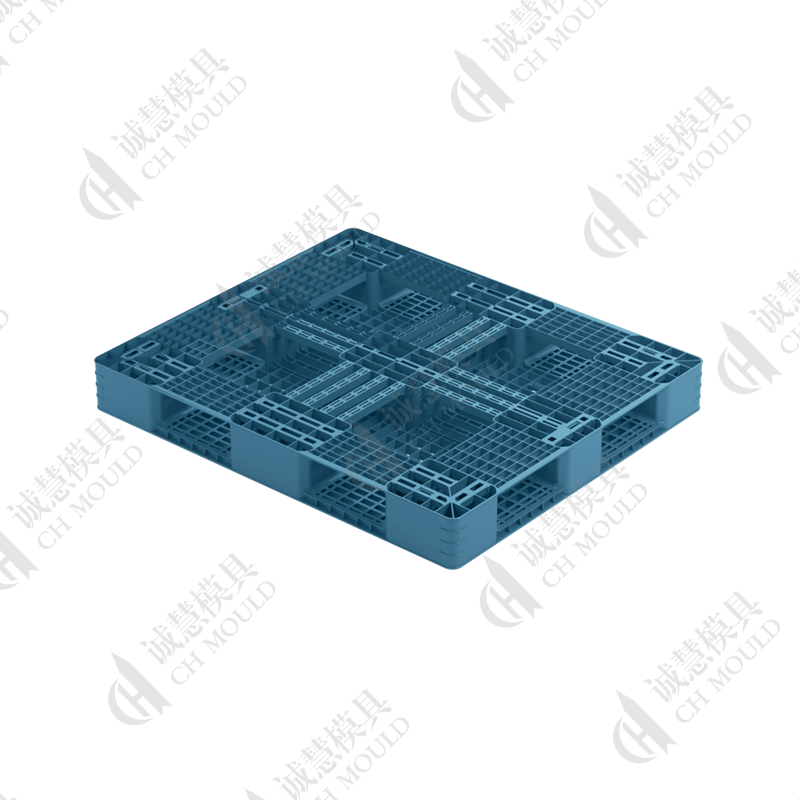
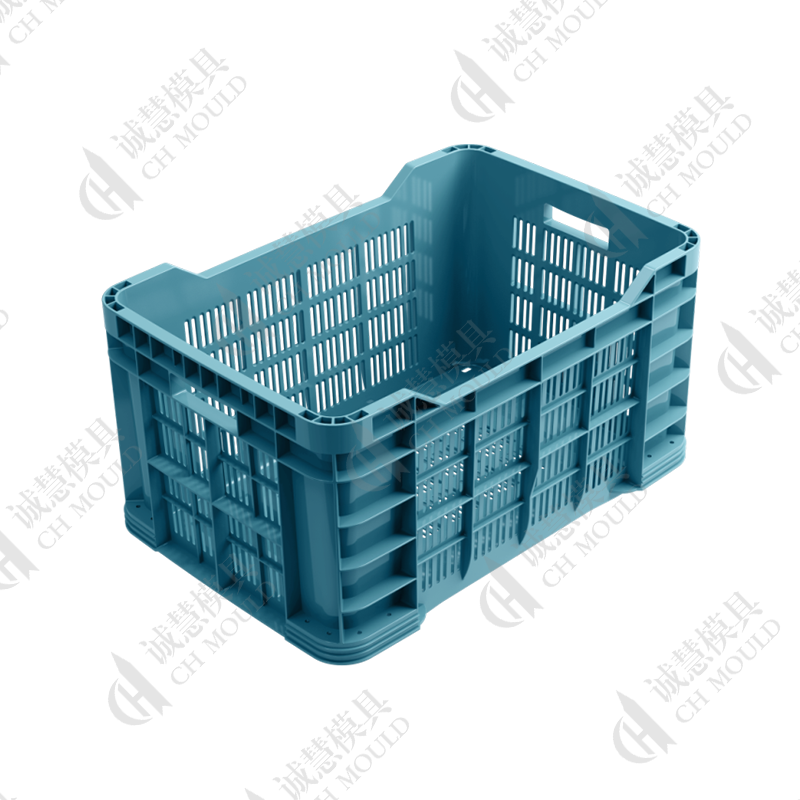
CHENGHUI PET Mold 013
Key Advantages of a Precision PET Mold
Consistent Product Dimensions
Dimensional consistency is one of the most important advantages of a well-manufactured mold. When the cavity, core, sliders, inserts, and ejection components are processed accurately, the mold can produce parts with repeatable dimensions from one cycle to the next. This consistency is essential for products that must stack, interlock, close, fit into another component, or work with accessories.
For wholesalers and distributors, consistent dimensions also reduce customer complaints. A product line that varies between batches may be difficult to package, display, or sell as a standardized item. A reliable mold helps manufacturers maintain a stable product specification and build confidence in long-term supply.
Improved Surface Quality
The surface of the molded product reflects the quality of the mold cavity, polishing, texturing, parting-line treatment, and molding process. Accurate machining and careful finishing help reduce unwanted marks, burrs, mismatch, and visible defects. Depending on the intended product, the mold may support a smooth, textured, matte, or customized surface finish.
Good surface quality is valuable for household products because it influences touch, appearance, cleaning, and perceived durability. It is also important for industrial products that may require labels, printing, assembly, or visual inspection.
Stable Demolding
Demolding is the process of removing the molded part from the cavity and core after cooling. If the product grips the mold, has insufficient draft, or is pushed unevenly by the ejection system, it can become deformed or damaged. A properly designed ejection layout distributes force across suitable areas of the product and helps maintain its shape.
Stable demolding supports higher production efficiency and reduces the need for manual intervention. It also helps protect the mold itself by preventing unnecessary impact and uneven loading on moving components.
Support for Mass Production
A production mold must be designed for repeated use, not only for the manufacture of an initial sample. Steel selection, component strength, cooling performance, wear resistance, and maintenance access all influence the useful life of the tooling. PET Mold 013 is supported by a manufacturing organization that provides mold trials and professional quality inspection before delivery.
Testing the mold on injection molding equipment helps identify potential problems before the tool reaches the customer’s factory. Trial molding can reveal issues relating to filling, cooling, ejection, parting-line performance, cycle time, and surface quality. Corrections made during this stage are generally more efficient than adjustments made after international shipment.
Flexible Customization
Plastic storage products are rarely identical from one project to another. Customers may require different dimensions, capacities, handle styles, stacking arrangements, wall structures, colors, textures, or branding areas. A mold supplier must therefore be able to adapt the design to the customer’s product requirements.
Chenghui Mould provides customized mold design and manufacturing services covering concept development, drawing review, sample development, machining, assembly, trial molding, quality inspection, and after-sales support. This end-to-end approach gives customers a practical path from an initial idea to a production-ready mold.
Manufacturing Process Behind the Mold
The quality of PET Mold 013 depends on the discipline applied at every stage of manufacturing. A mold is a system of interacting components, and the accuracy of one part can affect the performance of the entire tool. Professional production therefore requires process control from the first drawing review to the final inspection.
Product and Drawing Analysis
The process begins with a review of the customer’s product concept, 2D drawings, 3D data, functional requirements, and intended production conditions. Engineers evaluate the overall geometry, wall thickness, ribs, bosses, handles, corners, openings, undercuts, and areas that may affect demolding.
At this stage, the supplier can identify potential manufacturing risks before mold construction. For example, sharp internal corners may create stress concentrations, uneven wall thickness may increase the risk of warpage, and an unsuitable parting line may create visible marks or complicate ejection. Early analysis allows the customer and mold manufacturer to make practical design decisions together.
For storage products, particular attention may be given to stacking surfaces, load-bearing ribs, handle openings, lid interfaces, and base structures. These features affect both the performance of the final part and the complexity of the mold.
Mold Structure Planning
After product analysis, engineers develop the mold structure. This includes the selection of the mold base, cavity and core arrangement, inserts, sliders, lifters, guide systems, ejection components, cooling circuits, and injection system.
The parting line must be selected carefully. It should support reliable mold opening, minimize visible marks on important surfaces, and simplify the removal of the finished product. The location of gates and runners should also be considered in relation to filling balance, weld lines, air evacuation, appearance, and material flow.
A practical mold structure should not only produce a good part but also allow maintenance and inspection. Wear components should be accessible where possible, and the design should permit efficient cleaning, replacement, and adjustment. This is particularly important for molds used in high-volume production.
Precision Machining
Chenghui Mould operates 104 advanced processing machines in its production workshop. This equipment base supports multiple stages of mold manufacturing, including machining of mold plates, cavities, cores, inserts, and precision components.
Modern machining equipment helps improve repeatability and reduce variation between components. Computer-controlled processing can produce complex surfaces and detailed structures with a high degree of accuracy. Precision machining is especially important for the cavity and core, where small deviations can influence product dimensions, fit, appearance, and demolding behavior.
Machining must be followed by appropriate finishing processes. Depending on the design, these may include grinding, polishing, electrical discharge machining, wire cutting, texturing, fitting, and manual adjustment. Each process contributes to the final performance of the tool.
Component Fitting and Assembly
After the main components are machined, the mold is assembled and fitted. The cavity, core, inserts, guide pillars, bushings, ejector system, sliders, and other moving parts must work together accurately. Proper fitting helps maintain alignment during mold closing and opening.
Assembly quality has a direct effect on flash, mismatch, wear, and product consistency. If two mold halves do not align correctly, the finished part may show an unwanted step or excess material. If a sliding mechanism is not fitted properly, it may generate abnormal friction or fail to retract completely.
Experienced mold technicians play an important role at this stage. Although advanced equipment provides accuracy, skilled fitting and careful inspection are necessary to confirm that the assembled mold performs as intended.
Cooling System Development
Cooling is a major factor in injection molding cycle time and product stability. The molten plastic must cool sufficiently before the part is ejected. If cooling is uneven, the product may experience shrinkage differences, deformation, or warpage.
A well-planned cooling system distributes cooling around critical sections of the cavity and core. The layout must consider the product’s thickness, ribs, corners, handles, and other areas that may retain heat. The goal is not simply to cool the mold but to control the temperature in a balanced way.
For mass-production products, efficient cooling can improve output by reducing cycle time. It can also lower energy use per part and help maintain stable processing conditions over long production runs.
Trial Molding
Chenghui Mould has professional injection molding machines for mold testing. Trial molding allows engineers to evaluate the tool under real processing conditions. The test checks whether the mold fills correctly, whether the part can be ejected smoothly, and whether the product meets the required appearance and dimensions.
During testing, engineers may review injection pressure, holding pressure, cooling time, mold temperature, material behavior, cycle time, and ejection performance. If the product shows a defect, the cause must be assessed before a correction is made. In some cases, the issue may relate to the mold design; in others, it may be influenced by processing settings or the customer’s chosen material.
Trial samples give customers a practical basis for approval. They can inspect the product, confirm key dimensions, evaluate surface quality, and request necessary modifications. This approval process improves communication and reduces uncertainty before shipment.
Quality Inspection and Delivery
Quality inspection covers both the mold and the molded samples. The mold may be checked for dimensions, component operation, opening and closing performance, ejection, cooling connections, surface finishing, and general assembly. The sample parts may be measured against the approved drawings and inspected for appearance and functional features.
Before delivery, the mold should be prepared for safe transportation and customer use. Documentation may include mold information, sample confirmation records, inspection details, operating recommendations, and maintenance guidance. Clear documentation helps the customer install and operate the tool more efficiently.
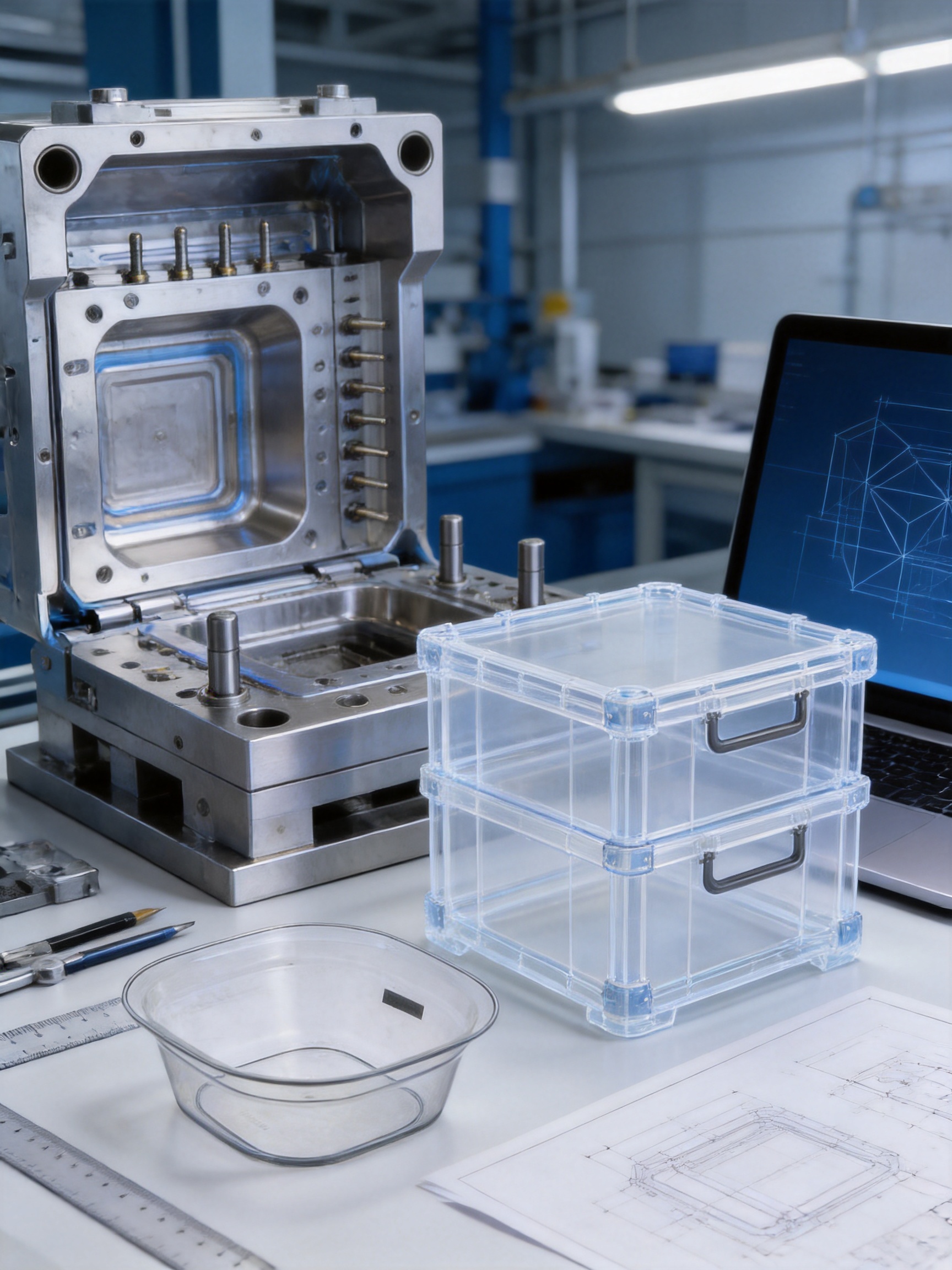
Why Manufacturing Capability Matters to Buyers
Many buyers compare mold suppliers primarily by quoted price. However, the lowest initial price does not always represent the lowest total cost. A mold that requires repeated corrections, produces inconsistent parts, or has a short service life can create higher expenses through downtime, scrap, labor, shipping, and delayed market entry.
Manufacturing capability provides a stronger basis for supplier evaluation. A company with its own production workshop can coordinate engineering, machining, assembly, trial molding, and inspection more effectively. Internal control can also improve accountability because the supplier remains responsible for the complete tooling process.
Chenghui Mould’s production resources include 104 advanced processing machines, professional injection molding machines for mold testing, and an annual production capacity of more than 1,500 mold sets. These figures indicate an organization structured to support ongoing mold production rather than occasional or limited tooling work.
More than 30 years of experience also provides practical knowledge of common challenges in daily-use plastic products. Product categories such as storage boxes, turnover containers, laundry baskets, buckets, racks, and trash cans each have different requirements for strength, appearance, stacking, handling, and production. Experience across these categories helps engineers make informed recommendations during development.
For overseas customers, export experience is another important consideration. Chenghui Mould exports to the Middle East, Europe, America, Africa, Southeast Asia, and other regions. Experience serving different markets can help the supplier understand variations in technical communication, product expectations, inspection requirements, packaging, and delivery coordination.
Comparison with Less Integrated Mold Suppliers
| Evaluation Area | Integrated Professional Mold Supplier | Less Integrated Supplier | Benefit to the Buyer |
|---|---|---|---|
| Engineering review | Product and mold risks are reviewed before machining | Machining may begin with limited analysis | Fewer design-related corrections |
| Production control | Key processes can be coordinated in one workshop | Several subcontractors may be involved | Clearer responsibility and communication |
| Machining resources | Advanced equipment supports precision processing | Equipment and capability may vary by project | More stable component quality |
| Trial molding | Professional injection molding machines are available for testing | Testing may be limited or outsourced | Problems can be identified before shipment |
| Product experience | Experience covers household and industrial plastic products | Experience may be limited to selected parts | More practical design recommendations |
| Production capacity | Annual capacity exceeds 1,500 mold sets | Capacity may be difficult to verify | Better support for repeat and larger projects |
| After-sales support | Support covers design, trials, quality, and follow-up | Support may end after shipment | Reduced risk during mold commissioning |
The comparison does not mean that every smaller supplier is unsuitable. Some small mold shops provide excellent craftsmanship for specific applications. However, customers purchasing a production mold for a commercial product should consider the full tooling lifecycle. Engineering, production, testing, documentation, maintenance, and technical support all influence the final business result.
PET Mold 013 benefits from being supplied within a broader manufacturing system. Its value is not based on one isolated feature but on the combination of design capability, machining resources, assembly experience, trial molding, inspection, and customer service.
Material and Product Design Considerations
The final performance of any PET mold depends partly on the material selected for the molded product. Customers should confirm the intended polymer, grade, additives, colorants, and processing conditions before the mold design is finalized. Different materials may have different shrinkage characteristics, flow behavior, cooling requirements, and wear effects.
Material shrinkage must be considered in the mold design so that the finished product reaches the required dimensions after cooling. Uneven shrinkage can contribute to warpage, particularly in products with large flat surfaces, thick ribs, handles, or changes in wall thickness. Product geometry and mold cooling should therefore be reviewed together rather than separately.
The product design should also include appropriate draft angles. Draft helps the molded part separate from the cavity and core without excessive force. If the product includes textures, deep ribs, or vertical walls, the required draft may need to be increased. Early communication between the product designer and mold engineer helps prevent later redesign.
Corner design is another important factor. Sharp internal corners can make machining more difficult and create stress concentrations in the finished product. Proper radii can improve material flow, reduce stress, and support more efficient mold construction.
For storage and logistics products, handles and openings must be designed for both user convenience and structural performance. The mold must reproduce these features accurately while providing adequate support for ejection and cooling. Ribs may be used to improve stiffness, but their thickness and connection to the main wall should be managed to reduce sink marks and uneven shrinkage.
Branding and identification features may also be incorporated into the mold. Logos, recycling symbols, product numbers, capacity marks, and other details should be positioned where they remain visible without interfering with function. The appropriate treatment depends on whether the feature is engraved, raised, textured, or added during a secondary process.
Production Efficiency and Total Cost
A high-quality mold can reduce the total cost of ownership even when its initial purchase price is not the lowest available. Cost savings may come from lower scrap rates, shorter cycles, fewer stoppages, reduced manual trimming, simpler maintenance, and longer service life.
Cycle time is affected by injection, holding, cooling, mold opening, ejection, and handling. The mold design influences several of these stages. Efficient cooling can shorten the time required before ejection, while a stable ejection system can reduce interruptions. Accurate parting surfaces can minimize flash and secondary finishing.
Scrap reduction is equally important. When a mold produces parts with consistent dimensions and appearance, fewer pieces need to be rejected. This improves material utilization and protects production capacity. For large-volume storage products, even a small reduction in rejection can create meaningful savings over the life of the project.
Maintenance should also be considered. A mold that is easy to inspect, clean, lubricate, and repair can help reduce downtime. Wear components should be designed with serviceability in mind, and the customer should receive suitable maintenance information. Regular maintenance protects both mold performance and product consistency.
For international buyers, delivery risk has a financial impact as well. Delayed tooling can postpone product launches, disrupt customer orders, and increase inventory pressure. A supplier with a complete manufacturing and testing process can help reduce the likelihood of late-stage corrections and unexpected delays.
Quality Management and Reliability
Quality management is more effective when it is integrated into the entire manufacturing process rather than performed only at the end. Design reviews, machining checks, component inspection, assembly verification, trial molding, and sample approval each contribute to final reliability.
Strict quality management helps identify defects while they are still manageable. For example, a dimensional problem found during component inspection may be corrected before assembly. A filling issue found during trial molding may be addressed before the mold is shipped. This staged approach is more efficient than discovering the same problem during customer production.
Reliability also depends on traceability. Mold components, drawings, samples, and inspection results should be associated with the correct project information. Clear records support communication between the supplier and customer and make future modifications easier.
Chenghui Mould’s stated commitment to precision, integrity, customer commitment, and continuous improvement reflects the importance of a systematic quality culture. These principles are particularly relevant when the mold will be used for long-term production and supplied to multiple markets.
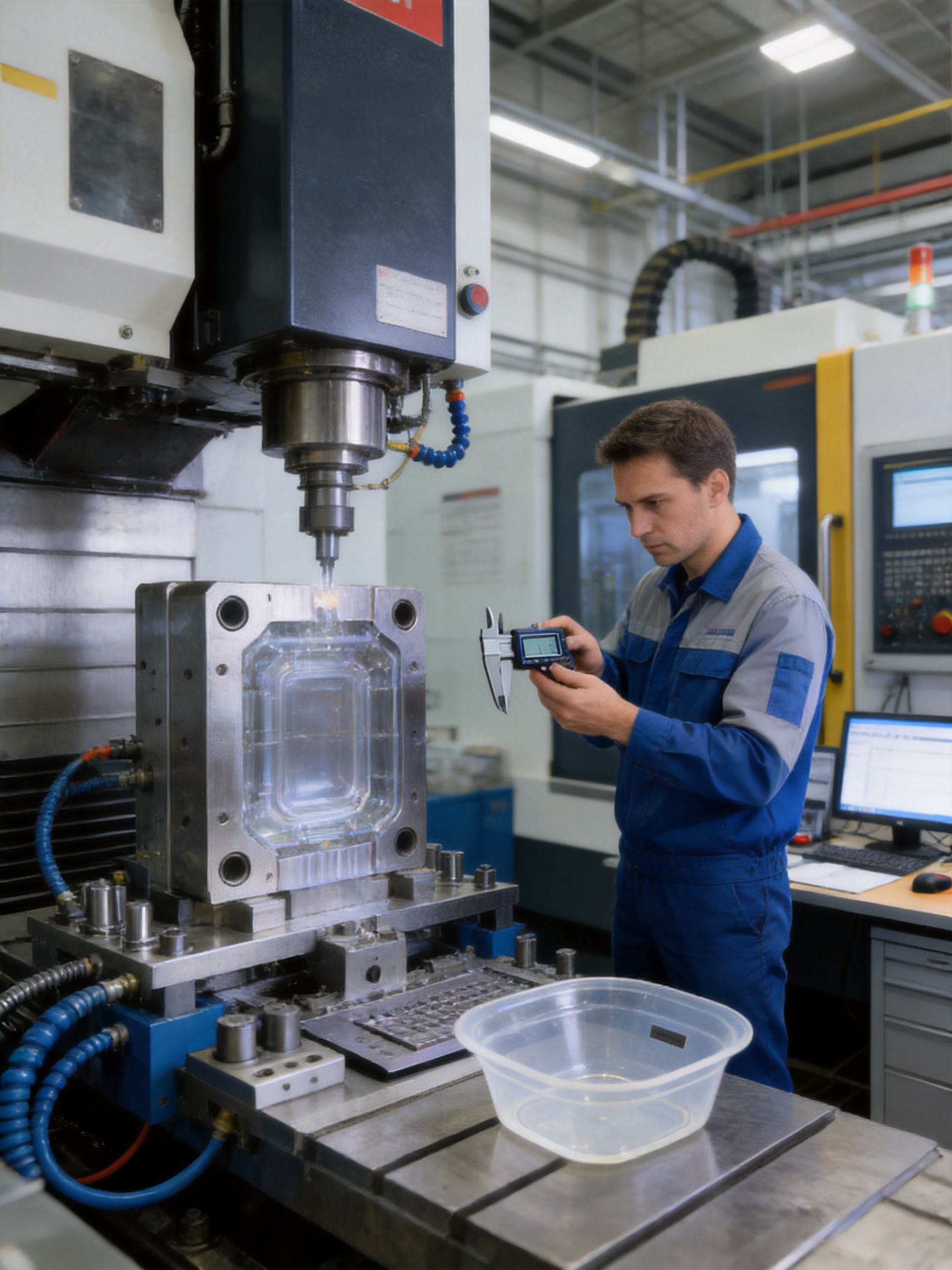
Customization Services for International Customers
Different customers may use different injection molding machines, materials, production speeds, and quality standards. A mold that works well in one factory may require adaptation for another. Customized tooling services allow the mold to be developed around the customer’s actual manufacturing conditions.
Important customer information may include the injection machine model, maximum mold dimensions, clamping force, injection capacity, ejector configuration, product material, expected annual output, preferred cycle time, and quality requirements. Providing this information early helps engineers select an appropriate mold structure and ensure compatibility with the customer’s equipment.
Customers may also request different levels of surface finish. A storage product intended for a premium retail market may need a carefully polished or textured appearance, while an industrial container may prioritize durability and cost efficiency. PET Mold 013 can be discussed as part of a customized project in which these priorities are defined before manufacturing.
Color and material changes may affect processing settings but generally do not require a new mold if the product geometry remains unchanged. However, abrasive additives, recycled content, or special performance materials may influence mold wear and should be communicated to the supplier.
Additional customization may include interchangeable inserts, multiple cavity arrangements, replaceable logos, modified handles, different lid structures, or product families that share common dimensions. These options should be assessed according to expected production volume and the customer’s long-term product strategy.
Recommended Customer-Supplier Workflow
Stage One: Requirement Confirmation
The customer provides product drawings, 3D files, technical requirements, material information, target output, and injection machine details. The supplier confirms the scope, identifies missing data, and establishes the main project schedule.
Stage Two: Engineering Review
The mold engineer evaluates product manufacturability, draft, wall thickness, ribs, undercuts, parting lines, gates, cooling, and ejection. Recommendations are communicated to the customer for approval.
Stage Three: Mold Design Approval
The supplier prepares the mold design and reviews the structure with the customer. Important points include mold dimensions, cavity layout, ejection, cooling, injection system, surface treatment, and maintenance access.
Stage Four: Machining and Assembly
After design approval, the mold components are processed using the available machining resources. Components are inspected, fitted, assembled, and checked for correct movement and alignment.
Stage Five: Trial Molding
The completed mold is tested on an injection molding machine. Trial parts are produced and evaluated for dimensions, appearance, filling, cooling, ejection, and function. Adjustments are made if necessary.
Stage Six: Sample Approval
The customer reviews the trial parts against the approved requirements. Any agreed modifications are completed before final inspection and shipment.
Stage Seven: Delivery and Support
The mold is prepared for transportation with the relevant documentation and maintenance information. After delivery, technical communication can continue during installation, commissioning, and production ramp-up.
Maintenance Recommendations
Regular maintenance is necessary to preserve mold accuracy and extend service life. After production, the mold should be cleaned to remove residual material, dust, oil contamination, and moisture. The cavity and core surfaces should be inspected for scratches, corrosion, deposits, or unusual wear.
Moving components such as guide pillars, bushings, sliders, lifters, and ejector parts should be checked according to the manufacturer’s recommendations. Appropriate lubrication can reduce friction, but excessive lubricant should be avoided because it may contaminate the product or attract debris.
Cooling channels should remain clean and unobstructed. Poor water quality, scale, rust, or blocked connections can reduce cooling performance and increase cycle time. Before storage, the mold should be dried properly and protected against corrosion.
Any abnormal noise, increased ejection force, flash, mismatch, or change in product dimensions should be investigated promptly. Early attention can prevent a small issue from developing into major damage. Customers should maintain records of production cycles, repairs, inspections, and component replacements where possible.
With correct operation and maintenance, a professionally manufactured mold can provide dependable service across many production cycles. The precise service life depends on steel selection, product material, operating conditions, maintenance frequency, and production volume.
Business Benefits for Wholesalers and Distributors
Wholesalers and distributors often need stable products that can be supplied repeatedly to different customers. A reliable mold supports consistency across production batches and helps manufacturers maintain standardized packaging, dimensions, and performance.
For distributors serving logistics, warehousing, household, or industrial markets, product reliability affects reputation. A storage box that does not stack correctly, a basket with inconsistent dimensions, or a container with weak handles can create returns and customer dissatisfaction. Mold quality is therefore directly connected to downstream business performance.
Working with an experienced mold factory can also make it easier to develop new product variations. Once the supplier understands the customer’s product family, future projects may benefit from established communication, technical records, and manufacturing familiarity.
Chenghui Mould’s experience in exporting to the Middle East, Europe, America, Africa, Southeast Asia, and other regions provides a foundation for international cooperation. Customers seeking OEM or ODM tooling can discuss their product requirements with a supplier that offers support from initial concept through mass-production preparation.
Frequently Asked Questions
What type of product is PET Mold 013 designed for?
PET Mold 013 is identified as a PET mold and is suitable for projects involving PET storage products and related household or industrial plastic goods. The precise final application depends on the customer’s approved product design, material, and production requirements.
Can the mold be customized?
Yes. Chenghui Mould provides customized mold design and manufacturing services. Customization may cover product dimensions, structure, surface finish, handles, ribs, cavities, cooling, ejection, branding details, and compatibility with the customer’s injection molding machine.
What services are included in the tooling process?
The company’s stated service range includes concept development, drawing review, sample development, machining, assembly, mold trials, quality inspection, and after-sales support. This provides customers with a complete path from product idea to production-ready tooling.
Why is trial molding important?
Trial molding verifies how the completed mold performs under injection molding conditions. It helps identify issues involving filling, cooling, ejection, dimensions, surface quality, and cycle time before the mold is delivered to the customer.
What manufacturing resources support the product?
Chenghui Mould operates its own production workshop with 104 advanced processing machines and professional injection molding machines for mold testing. The company reports an annual production capacity of more than 1,500 mold sets.
Does the supplier have experience with storage products?
Yes. The company’s product experience includes PET storage products, storage boxes, turnover boxes, laundry baskets, buckets, storage racks, trash cans, tables, chairs, furniture, and other daily-use or industrial products.
Can the mold be used for high-volume production?
The mold is intended to support production applications, but suitability for a specific volume depends on the product design, mold structure, material, steel selection, processing conditions, and maintenance program. These factors should be confirmed during the engineering review.
What information should a customer provide before requesting a quotation?
Useful information includes product drawings or 3D files, product dimensions, material, expected annual quantity, injection machine specifications, surface requirements, number of cavities, color, packaging needs, and any special functional requirements.
How can customers protect mold performance after delivery?
Customers should follow recommended operating conditions, clean the mold after production, lubricate moving components correctly, maintain cooling channels, protect the mold against corrosion, and investigate any abnormal product or mold behavior promptly.
Does the company support overseas customers?
Yes. Chenghui Mould exports to the Middle East, Europe, America, Africa, Southeast Asia, and other regions. International customers can communicate their project requirements and discuss tooling design, testing, inspection, delivery, and after-sales support.
Conclusion
PET Mold 013 represents a practical tooling solution for manufacturers developing storage products and other PET-related household or industrial goods. Its value is supported by the broader capabilities of Zhejiang Chenghui Mould Co., Ltd., including more than 30 years of experience, an in-house production workshop, 104 advanced processing machines, professional mold-testing injection molding machines, and an annual capacity exceeding 1,500 mold sets.
The main advantages of a professionally manufactured PET mold include dimensional consistency, stable demolding, improved surface quality, controlled cooling, support for mass production, and the ability to customize the mold around the customer’s product and equipment. These advantages can help reduce scrap, shorten commissioning time, improve production efficiency, and support reliable product supply.
For wholesalers, distributors, and manufacturers seeking OEM or ODM tooling, the most important consideration is not only the mold quotation but also the supplier’s complete manufacturing process. Product analysis, mold design, precision machining, assembly, trial molding, inspection, documentation, and after-sales support all contribute to the final result.
With experience across PET storage products, houseware, industrial containers, furniture, and daily necessities, Chenghui Mould is positioned to support customers from early product development through production preparation. PET Mold 013 can therefore be evaluated not simply as an individual mold, but as part of a complete and customized injection tooling service for international plastic product businesses.
References
1. Zhejiang Chenghui Mould Co., Ltd., company information and product manufacturing profile.
2. General principles of plastic injection mold design, including draft, parting lines, gates, runners, cooling, and ejection.
3. Standard practices for injection mold machining, assembly, trial molding, inspection, and maintenance.
4. Technical guidance on polymer processing, shrinkage control, cooling balance, and molded-part dimensional stability.
5. Industry practices for the design and production of household storage products, logistics containers, and industrial plastic components.