
 Français
 Español
 عربى
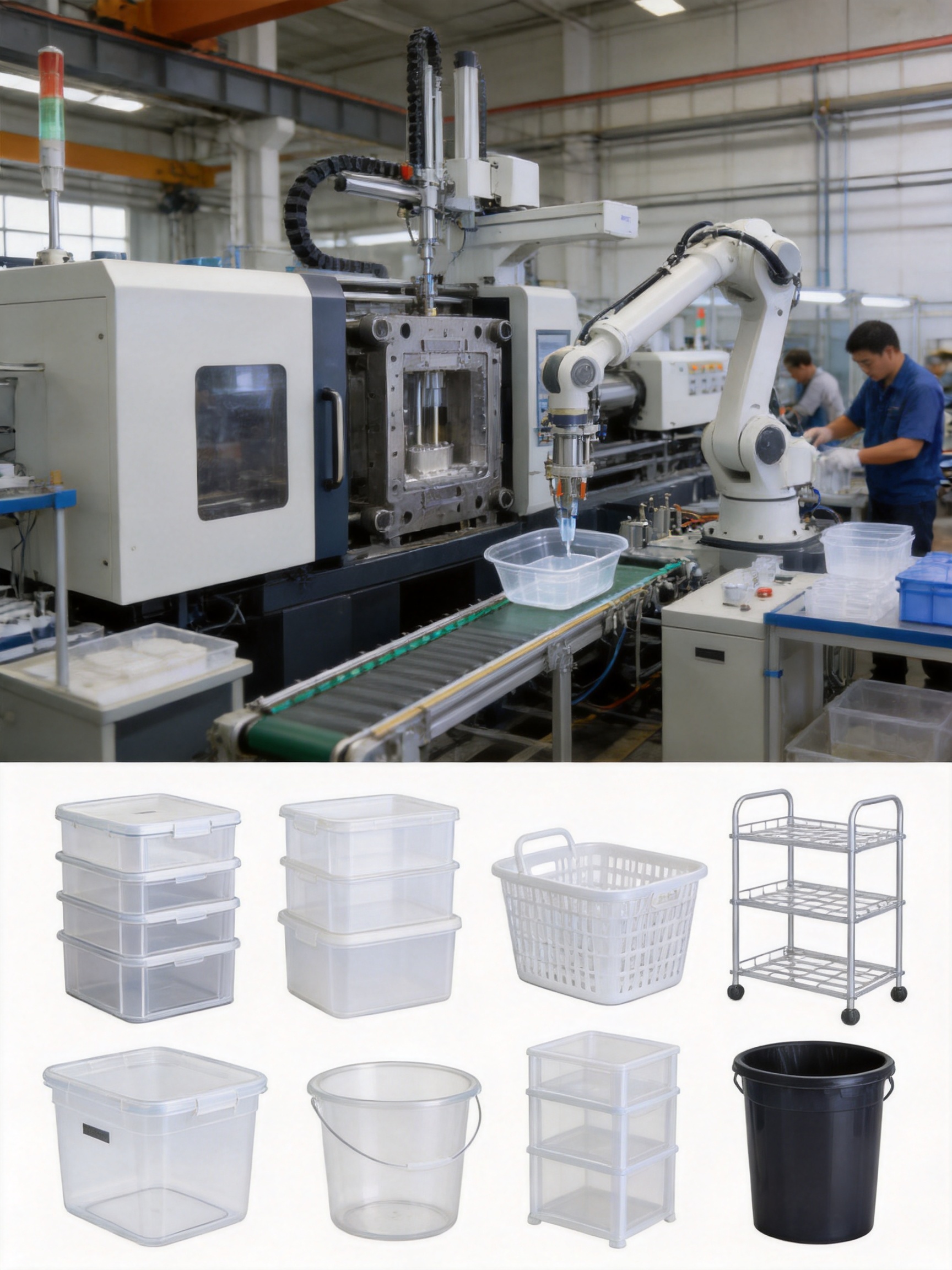
Modern plastic manufacturers need tooling that can deliver consistent quality, dependable cycle performance, and long service life. These requirements are especially important when producing PET storage products and other household or industrial articles in large quantities. A mold must do more than create the correct shape. It must support stable production, maintain dimensional accuracy, protect the appearance of the finished product, and remain economical over thousands or millions of molding cycles.
CHENGHUI PET Mold 013 is designed for manufacturers, wholesalers, distributors, and product developers seeking dependable PET injection mold tooling from an experienced Chinese mold factory. Developed by Zhejiang Chenghui Mould Co., Ltd., the mold reflects more than three decades of experience in plastic injection mold design and manufacturing. It is suitable for customized PET storage products and related applications where accuracy, repeatability, strength, and efficient production are essential.
As part of Chenghui Mould’s broader PET mold and household product tooling range, this product benefits from an integrated manufacturing system covering engineering, machining, mold assembly, testing, quality inspection, and after-sales support. The result is a production-oriented mold solution rather than a basic cavity tool. Its purpose is to help customers move from product concept to mass production with fewer technical risks and more predictable operating costs.
Understanding the Role of a PET Mold in Mass Production
PET, or polyethylene terephthalate, is widely used in packaging, storage products, containers, and other plastic applications because of its strength, clarity, chemical resistance, and recyclability. However, producing a high-quality PET product depends heavily on the quality of the mold. Even a well-designed product can suffer from warpage, uneven wall thickness, surface defects, flashing, short shots, or dimensional variation if the mold is poorly engineered.
A professional PET mold must manage several technical factors at the same time. These include the flow of molten plastic, cooling efficiency, cavity balance, part ejection, venting, shrinkage compensation, surface finish, and compatibility with the customer’s injection molding machine. The design must also consider the product’s intended use. A storage product may require rigid walls and reinforced corners, while a transparent container may require a carefully controlled cavity surface and optimized filling pattern.
CHENGHUI PET Mold 013 is developed with this production reality in mind. Its value is not limited to the physical mold structure. The tooling is part of a complete manufacturing service that includes product evaluation, mold design, material selection guidance, machining, trial molding, corrections, and production support. This integrated approach helps ensure that the final mold is practical for the customer’s equipment and manufacturing conditions.
Product Scope and Application Potential
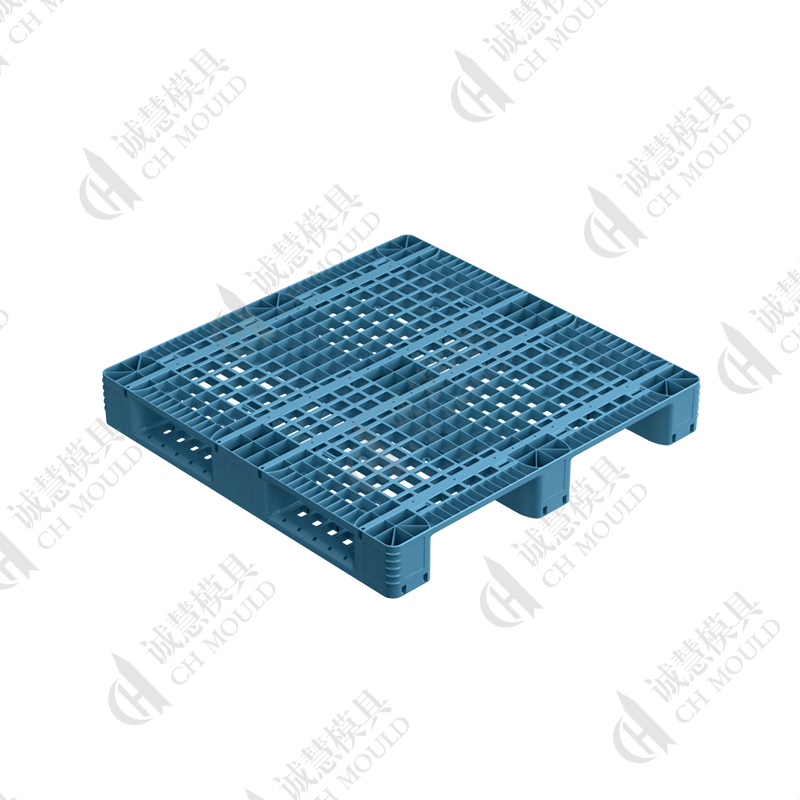
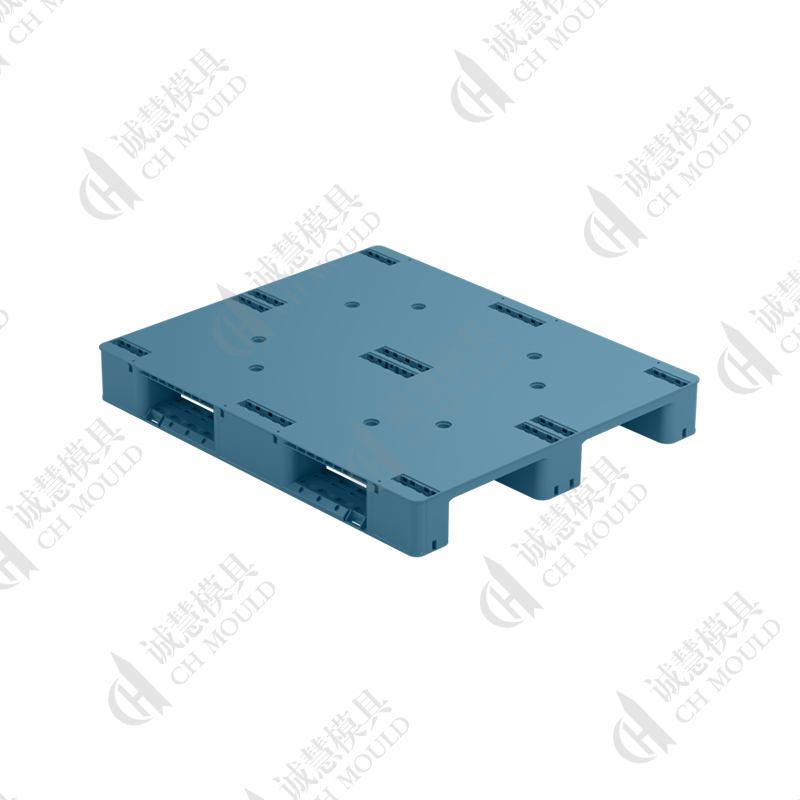
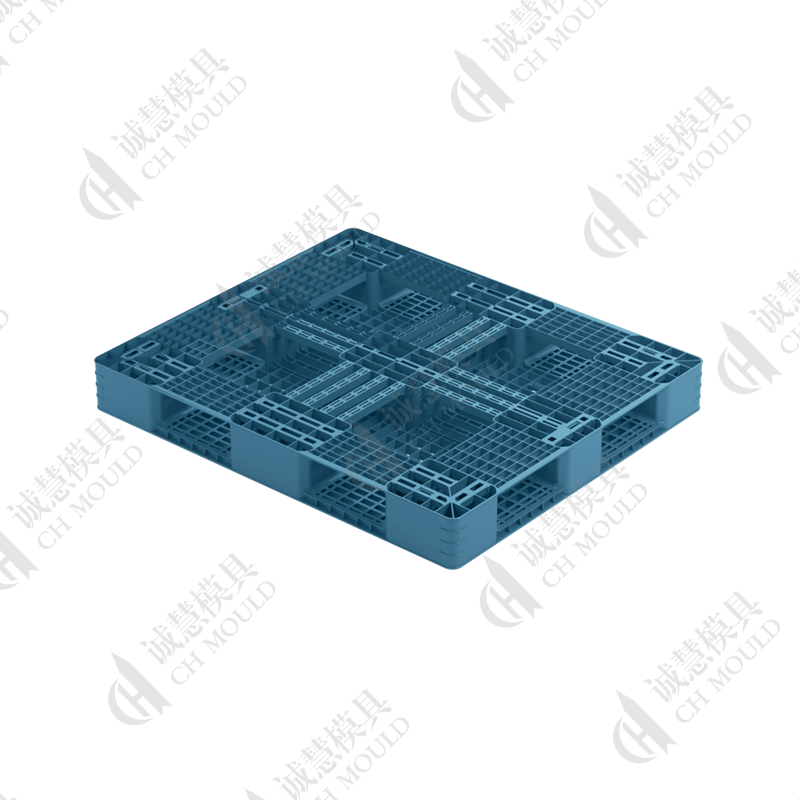
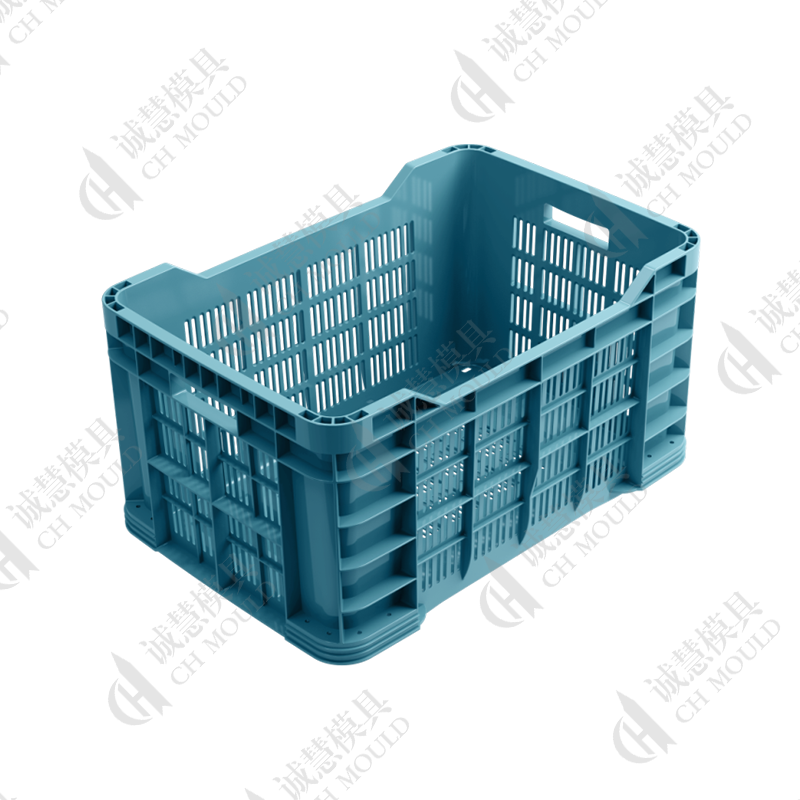
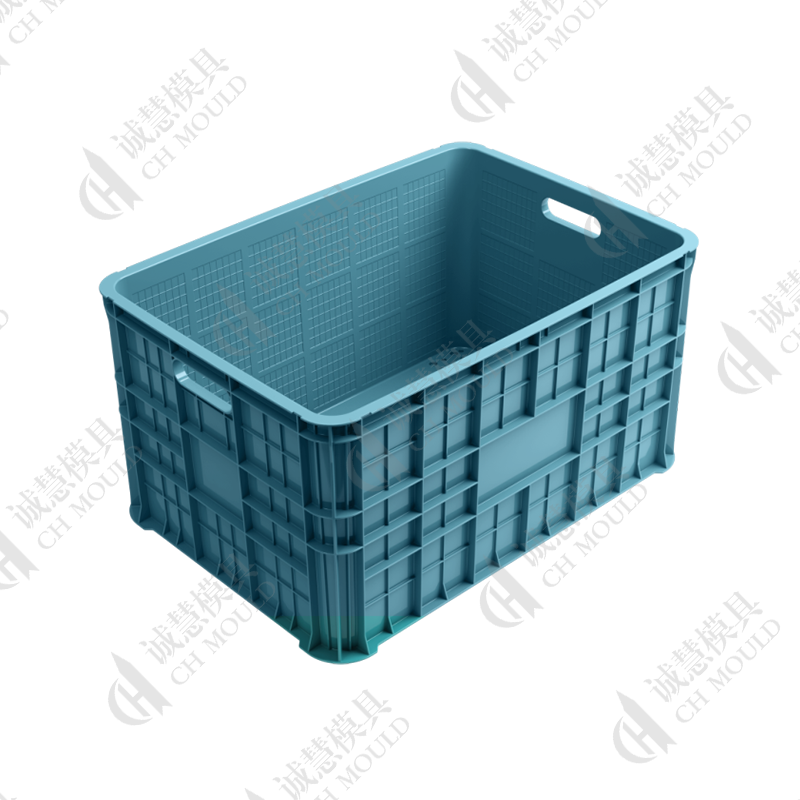
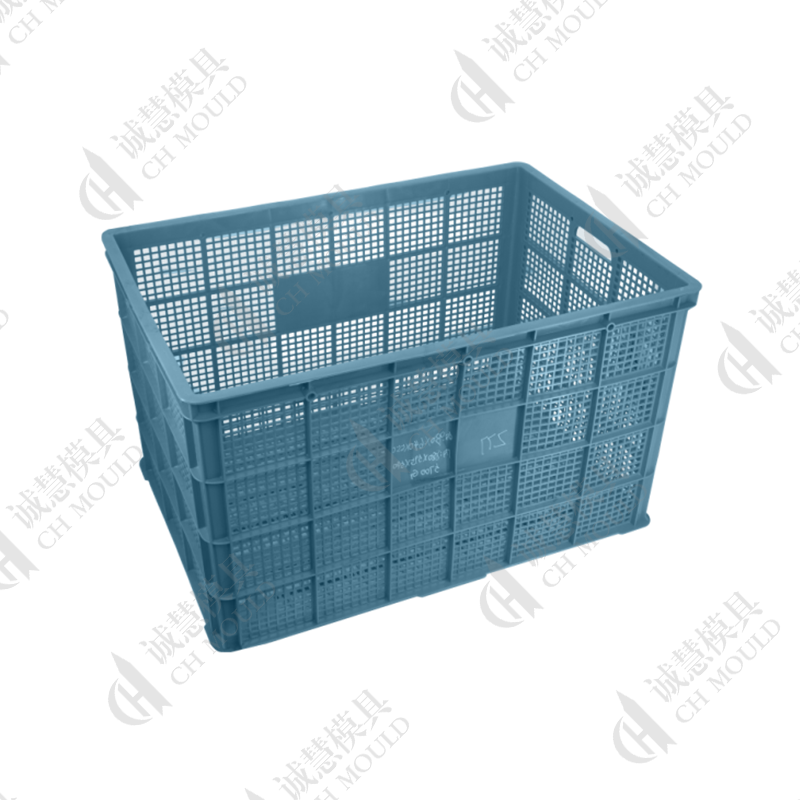
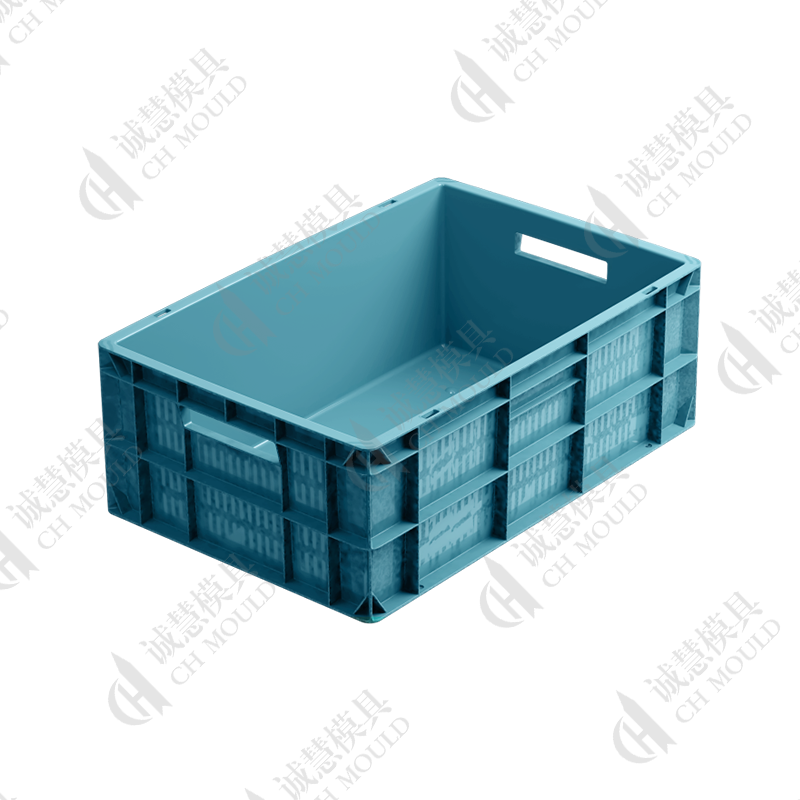
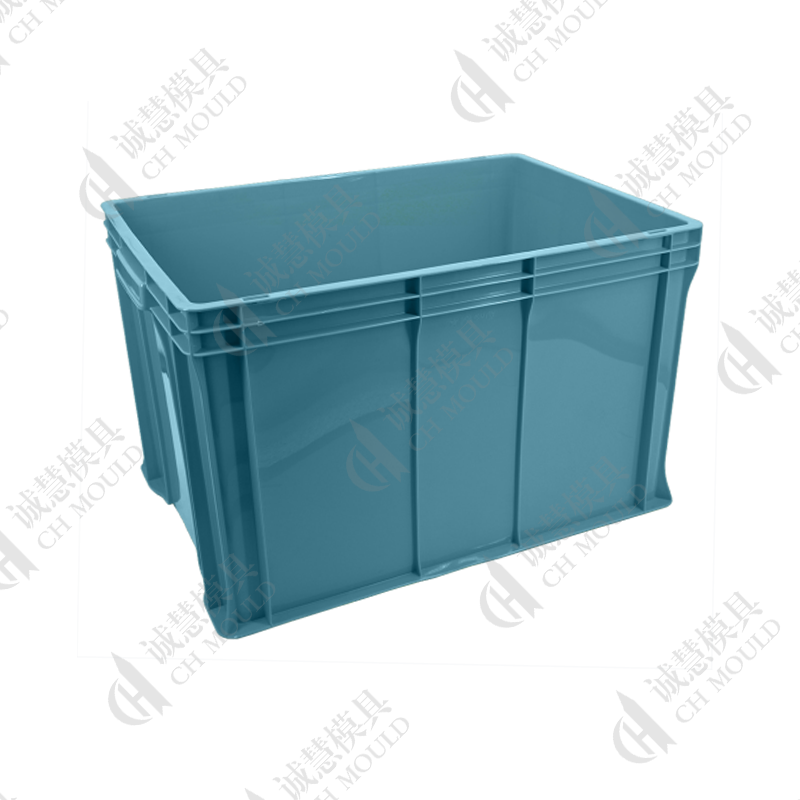
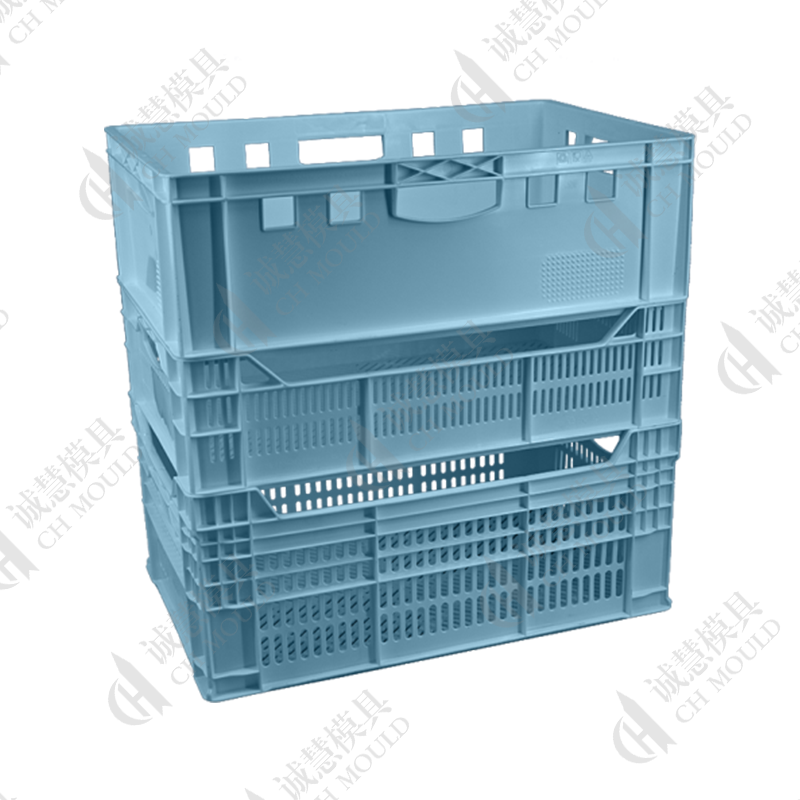
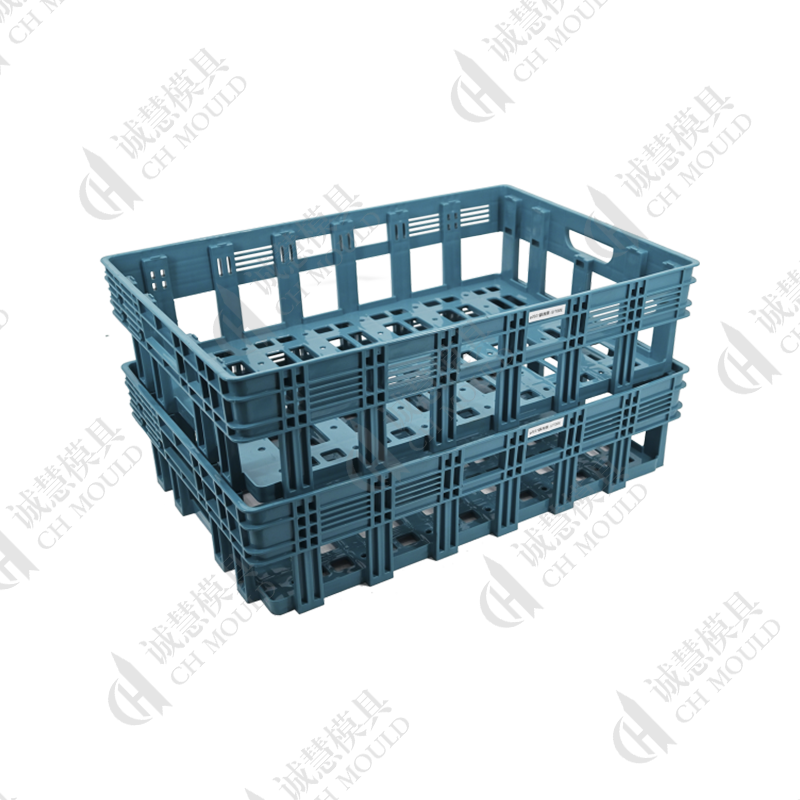
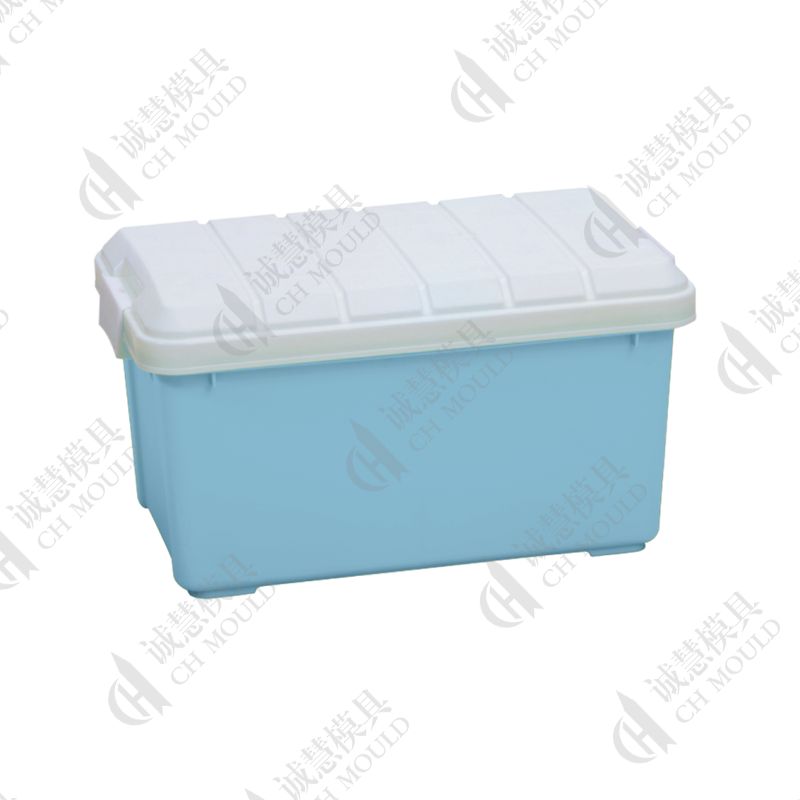
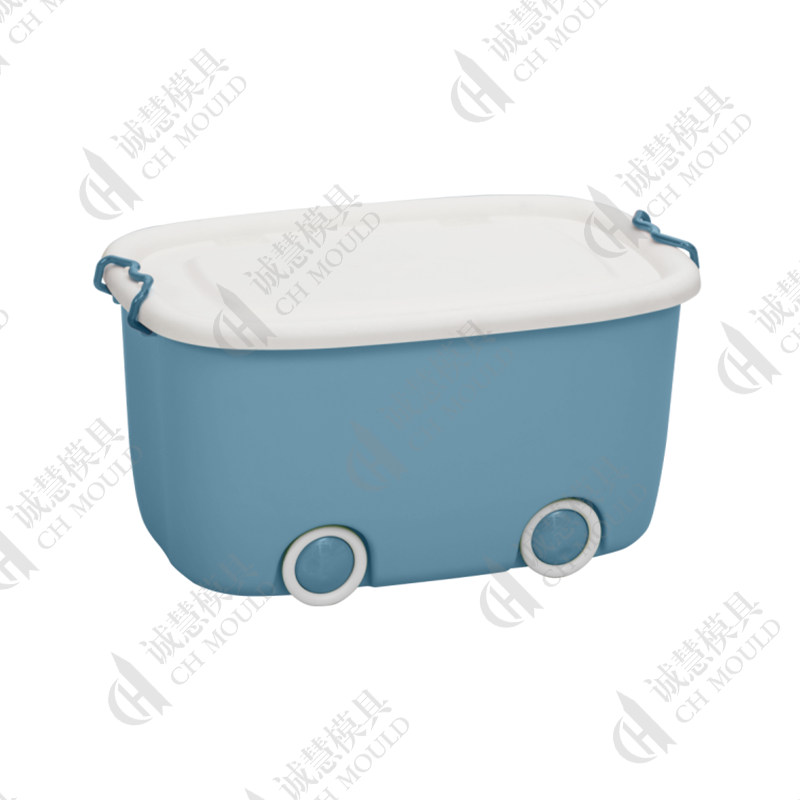
The product is identified as CHENGHUI PET Mold 013 and belongs to the PET Mold category. It is intended for customized production rather than a single fixed application. Depending on the customer’s product drawings, performance requirements, and machine specifications, the tooling can support PET storage products and related household or industrial items.
Potential application areas include storage containers, PET household organizers, plastic boxes, utility containers, packaging-related products, and other molded articles that require a precise cavity shape. The mold may also be adapted for products used in commercial, warehouse, retail, hospitality, and domestic environments. Customers can discuss the target product, expected output, resin grade, machine parameters, surface requirements, and mold life with Chenghui Mould during the engineering stage.
The flexibility of a custom PET mold is particularly useful for companies that want to create a product with specific dimensions, stacking characteristics, branding areas, wall thicknesses, or functional details. Instead of selecting a generic tool that may restrict product design, customers can develop tooling around their own market requirements.
For wholesalers and distributors, customized tooling can create opportunities to offer differentiated products instead of competing only on price. A unique storage product, specialized container, or customized household article may provide stronger market recognition and better customer retention. For manufacturers, a well-designed mold can reduce production interruptions and improve the repeatability required for long-term supply contracts.
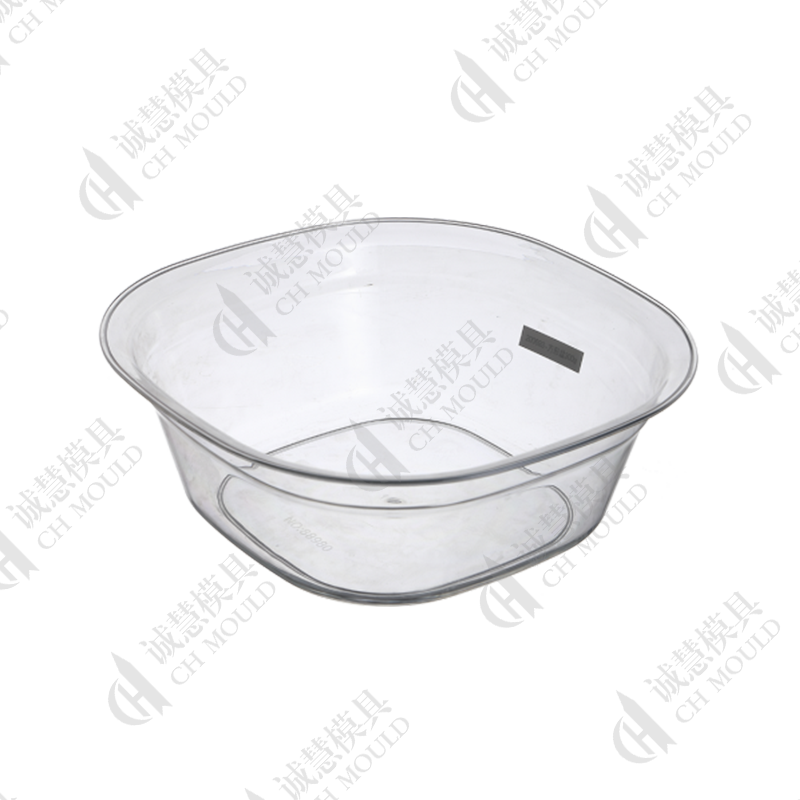
CHENGHUI PET Mold 013
Key Advantages of CHENGHUI PET Mold 013
1. Designed for Consistent Product Quality
Consistency is one of the most important advantages of professional injection mold tooling. Customers expect every product in a shipment to have the same dimensions, appearance, fit, and performance. Inconsistent molds can create unacceptable variation between cavities or between production batches.
CHENGHUI PET Mold 013 is engineered with attention to cavity accuracy, parting line control, cooling layout, ejection, and surface quality. These elements work together to support stable product formation. When the mold is correctly matched with the injection machine and process conditions, the customer can achieve more consistent results throughout production.
Accurate tooling also helps reduce the need for excessive post-molding correction. Products that leave the mold with the correct shape and clean edges require less trimming, sorting, and rework. This contributes to lower labor costs and a more efficient production line.
2. Suitable for Customized OEM and ODM Projects
Many plastic product buyers do not want an off-the-shelf product. They need a specific size, structure, color, texture, logo position, or functional feature. Chenghui Mould provides OEM and ODM support so that customers can develop tooling according to their own product concepts and commercial requirements.
OEM support is useful when a buyer already has a product drawing or technical specification and needs a qualified mold manufacturer to build the tooling. ODM support is valuable when the customer has a general idea but needs assistance with product structure, moldability, material selection, and production optimization.
The development process can include product design review, two-dimensional and three-dimensional drawing evaluation, draft analysis, wall thickness assessment, parting line planning, gating recommendations, cooling design, and mold flow considerations. Early engineering communication can identify design problems before steel is machined, helping prevent expensive changes later in the project.
3. Production-Oriented Mold Construction
A mold built for mass production must be designed differently from a prototype tool. It must tolerate repeated heating, cooling, clamping, filling, ejection, and cleaning. It should also be accessible for maintenance and replacement of wear components.
CHENGHUI PET Mold 013 is developed as production tooling. Its design approach focuses on reliability during repeated operation, practical maintenance, and compatibility with the customer’s expected production volume. Mold components can be planned with serviceability in mind, allowing technicians to inspect, clean, lubricate, adjust, or replace relevant parts when necessary.
This production-oriented philosophy offers an advantage over low-cost molds that may initially appear attractive but create problems during extended operation. A lower purchase price does not necessarily mean lower total cost. Frequent repairs, unstable cycle times, high rejection rates, and premature component failure can make an inexpensive mold significantly more costly over its working life.
4. Support for Efficient Cycle Performance
Cycle time has a direct effect on production capacity. If a mold cools slowly or requires frequent manual intervention, the customer may produce fewer parts per shift and face higher unit costs. Cooling channel layout, wall thickness, ejection design, and mold balance all influence the time required to complete a molding cycle.
Chenghui Mould evaluates these factors during mold development. The objective is to create a tooling solution that fills effectively, cools uniformly, releases the molded part smoothly, and returns to the next cycle without unnecessary delay. The final cycle time depends on the product structure, resin, injection machine, processing temperature, cooling medium, and other production conditions, but efficient mold engineering provides a strong foundation for optimization.
Stable cycle performance is also important for automated production. When cycle timing is predictable, manufacturers can coordinate robots, conveyors, inspection equipment, packaging systems, and downstream operations more effectively.
5. Attention to Surface Appearance
The external appearance of a plastic product influences customer perception and retail value. Visible weld lines, flow marks, burn marks, scratches, dents, and uneven gloss can make an otherwise functional product appear defective. This is particularly important for household products that are displayed directly to consumers.
Surface requirements are considered during cavity finishing and mold validation. Depending on the customer’s product design, the mold surface may be polished, textured, etched, or otherwise finished to create the desired visual and tactile effect. Product appearance also depends on resin quality, processing parameters, venting, filling speed, mold temperature, and cooling conditions, so the mold must be evaluated as part of the complete molding system.
By controlling cavity finishing and conducting mold trials before delivery, Chenghui Mould helps customers identify potential appearance issues and make necessary adjustments while the tooling is still in the factory.
6. Reliable Dimensional Accuracy
Storage products and industrial plastic components often need accurate dimensions for stacking, nesting, fitting, sealing, assembly, or compatibility with accessories. Small deviations can affect how products are packed, transported, displayed, or used.
Precision machining and controlled assembly help the mold reproduce the specified geometry. The company’s manufacturing process uses advanced processing equipment and inspection procedures to verify critical areas of the tooling. During trials, molded samples can be checked against customer drawings and agreed specifications.
Dimensional accuracy is not only about the nominal size. It also involves flatness, parallelism, wall uniformity, corner definition, hole location, rib position, draft angle, and the relationship between mating features. A professional mold maker reviews these details before machining begins.
Advanced Manufacturing Capabilities
Integrated Engineering and Production
Zhejiang Chenghui Mould Co., Ltd. has been engaged in mold design and manufacturing since 1994. With more than 30 years of industry experience, the company has developed a manufacturing system for daily-use plastic products, household products, storage products, and industrial articles.
The company operates its own production workshop and uses 104 advanced processing machines. This internal capacity allows the manufacturer to coordinate multiple stages of production under one management system. Design, programming, machining, fitting, assembly, trial molding, and inspection can be managed through a connected workflow.
In-house manufacturing offers several benefits. It can improve communication between engineering and production personnel, reduce dependence on outside processing, simplify schedule control, and make it easier to respond to technical adjustments. When a trial reveals a small issue, the responsible teams can communicate directly and determine the most appropriate correction.
Digital Mold Design and Engineering Review
The mold manufacturing process begins with understanding the customer’s product. Engineers review the three-dimensional model or drawing, evaluate the expected material, and consider the intended molding conditions. They examine whether the product has adequate draft, uniform wall thickness, suitable radii, practical parting lines, and sufficient space for cooling and ejection components.
For complex products, the engineering team may evaluate the filling direction, gate position, weld line risk, air entrapment, shrinkage, and potential deformation. These reviews help improve the relationship between product design and mold construction.
Engineering review is also an opportunity to optimize the design for manufacturing. A product may look attractive on a screen but be difficult to mold efficiently. Minor changes to a rib, corner, boss, handle, or transition area can improve filling, reduce stress, simplify machining, or make ejection safer. Early design cooperation can therefore improve both product quality and mold cost.
Precision Machining
Precision machining is central to mold quality. The cavity and core must be produced according to the approved geometry, while mold plates and functional components must maintain accurate relationships during assembly and operation.
Chenghui Mould’s processing resources support milling, drilling, precision cutting, finishing, and other machining operations required for injection mold production. The exact process sequence depends on the mold structure, steel selection, cavity complexity, surface requirements, and production specifications.
Machining accuracy affects parting line quality, cavity matching, cooling channel placement, ejector alignment, and final product dimensions. Careful machining also reduces the amount of manual correction required during fitting and improves the repeatability of the completed mold.
Mold Fitting and Assembly
After individual components are machined, they must be fitted and assembled into a functional mold. This stage requires practical experience because precision components must work together under pressure, heat, and repeated movement.
Fitters check the interaction between the core, cavity, sliders, inserts, ejector system, guide components, and mold plates. They verify that moving parts operate smoothly and that the parting surfaces close correctly. Proper assembly helps prevent flash, premature wear, misalignment, and damage to molded products.
The assembly stage also provides an opportunity to inspect the accessibility of maintenance areas. A mold that is difficult to disassemble or clean can create unnecessary downtime. Practical serviceability is therefore considered alongside initial production performance.
Injection Mold Trials
Trial molding is one of the most valuable steps before shipment. A mold may appear correct after machining, but its actual performance must be evaluated under injection conditions. Chenghui Mould uses professional injection molding machines for mold testing.
During a trial, engineers examine filling behavior, pressure response, ejection, cooling, product appearance, parting line quality, dimensional results, and cycle stability. Trial samples may be compared with the customer’s drawings or approved samples. If an issue is identified, the engineering and production teams can determine whether it is related to the mold, product design, machine setting, or molding material.
Trial molding reduces risk for the customer because it allows corrections before the mold is installed in the customer’s factory. It also gives the customer an opportunity to review sample parts and confirm whether the tooling meets the project requirements.
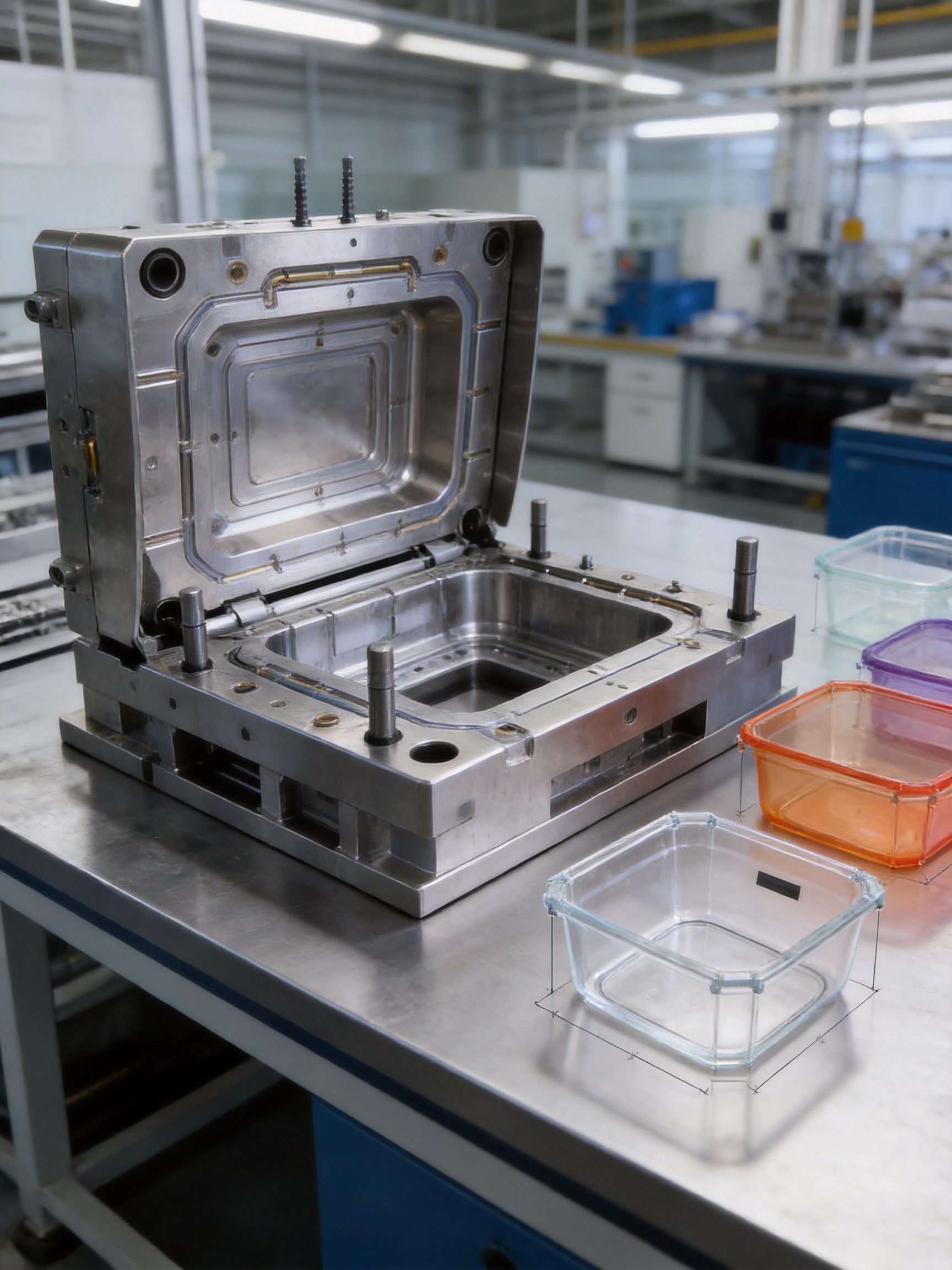
Materials, Durability, and Mold Life Considerations
The selection of mold steel and components should match the expected production volume, plastic material, product structure, surface requirements, and maintenance plan. A high-volume project may justify hardened steel and enhanced wear resistance, while a lower-volume application may use a different material strategy to balance investment and performance.
For PET-related production, the mold must be compatible with the customer’s resin and processing conditions. The engineering team considers factors such as molding temperature, shrinkage behavior, cooling requirements, chemical exposure, and the possibility of abrasive additives or color concentrates.
Mold life is influenced by more than steel selection. Correct machine setup, regular cleaning, proper lubrication, controlled clamping force, suitable cooling water, and timely replacement of wear components all contribute to longer service life. Chenghui Mould can provide guidance on maintenance and operating practices so that customers can protect their tooling investment.
A durable mold supports more than production continuity. It also protects the consistency of the customer’s product over time. If a cavity or insert wears unevenly, the product may gradually change in dimensions or appearance. Routine inspection helps identify such changes before they become serious quality problems.
Quality Management from Concept to Delivery
Quality management begins before machining. The product drawing, material expectations, mold structure, and acceptance criteria should be reviewed and confirmed at the start of the project. Clear communication reduces the possibility of misunderstandings regarding product dimensions, surface finish, mold base, ejection method, cooling arrangement, spare parts, and trial conditions.
During production, critical components are inspected according to the project requirements. Engineers and technicians monitor machining accuracy, component fit, assembly condition, and movement performance. The completed mold is then tested through injection molding, and samples are reviewed before final approval.
Chenghui Mould emphasizes standardized processes and strict quality management. This helps establish repeatable production practices across its annual output of more than 1,500 mold sets. A standardized system is especially valuable for international customers who need predictable communication, documentation, manufacturing schedules, and quality results.
Quality control also includes communication after delivery. If the customer encounters a production issue, the mold manufacturer can analyze the problem with reference to the original drawings, trial records, sample parts, and operating conditions. Technical support can help distinguish between a mold issue and a process issue, allowing the customer to take corrective action more efficiently.
Advantages Compared with Lower-Quality Competitor Tooling
Better Engineering Before Machining
Some low-cost mold suppliers begin machining before fully reviewing the product design. This can lead to difficult corrections, weak sections, poor venting, inefficient cooling, or an impractical ejection arrangement. Chenghui Mould places greater emphasis on design review and production feasibility before steel is processed.
This approach may require more planning at the beginning, but it can reduce avoidable changes and support a more reliable final tool. Customers benefit from a clearer understanding of the proposed mold structure and the technical decisions affecting cost and performance.
More Complete In-House Capability
When a supplier relies heavily on multiple subcontractors, communication can become fragmented. Delays may occur when design information, machining instructions, and inspection results move between different companies. Quality responsibility may also become unclear.
Chenghui Mould’s own production workshop and extensive processing resources allow more stages to be controlled internally. This strengthens coordination and makes it easier to trace problems to a specific process. It also supports better schedule visibility for customers.
More Reliable Trial Validation
Some suppliers deliver molds after only a limited assembly check. Without a meaningful injection trial, problems may not appear until the tooling reaches the customer’s factory. The resulting delay can affect product launch schedules and production commitments.
Chenghui Mould uses injection molding machines for mold testing and evaluates the mold through actual production conditions. This provides a stronger basis for final approval and gives customers greater confidence in the tool’s readiness.
Better Support for Long-Term Product Programs
A mold is often part of a product program that may continue for years. Customers need a manufacturer that can respond to replacement parts, mold maintenance, engineering changes, additional cavities, product revisions, or new related products.
Because Chenghui Mould has experience across storage products, household goods, furniture, turnover boxes, laundry baskets, buckets, storage racks, trash cans, and other plastic articles, it can support broader product development needs. This makes the company a potential long-term tooling partner rather than only a one-time supplier.
Application Benefits for Different Customer Groups
For Plastic Product Manufacturers
Manufacturers can use CHENGHUI PET Mold 013 to establish stable production for customized PET storage products and similar articles. A well-engineered mold can help reduce rejection rates, shorten setup time, improve machine utilization, and support predictable output.
The mold can also be developed according to the manufacturer’s existing equipment. Machine platen size, clamping force, injection capacity, nozzle position, ejector arrangement, and automation requirements should be discussed during the design stage. This helps ensure that the completed tool is practical for the intended production line.
For Wholesalers and Distributors
Wholesalers and distributors often need distinctive products that fit local market preferences. Custom mold development allows them to specify sizes, shapes, colors, stacking systems, surface textures, and packaging requirements.
By investing in dedicated tooling, a distributor may create a product range that is less vulnerable to direct price comparison. Customized products can support private-label programs and make it easier to build a recognizable product identity across different sales channels.
For Brand Owners and Retail Suppliers
Brand owners need consistent quality across repeated orders. They may also require specific logo areas, packaging dimensions, product finishes, or compatibility with existing product families. A custom mold enables these requirements to be incorporated into the product structure from the beginning.
Chenghui Mould can cooperate with customers during product development, sampling, trial evaluation, and production preparation. This cooperation helps align the mold with both technical and commercial objectives.
For Industrial and Logistics Applications
Industrial and logistics products are often exposed to repeated handling, stacking, impact, loading, and environmental changes. Their molds must produce parts with sufficient structural strength and consistent dimensions.
Product features such as reinforced corners, ribs, handles, nesting structures, locking areas, and smooth load-bearing surfaces require careful mold design. Chenghui Mould’s experience in turnover boxes, storage products, and other industrial plastic articles supports the development of tooling for demanding use conditions.
Recommended Development Workflow
Step One: Submit Product Information
The customer should provide a product drawing, three-dimensional model, reference sample, or preliminary concept. Useful information includes target dimensions, material, product weight, color, surface finish, estimated annual volume, machine model, and intended application.
Step Two: Conduct a Feasibility Review
Engineers review draft angles, wall thickness, ribs, corners, gates, parting lines, ejection, cooling, and expected shrinkage. If improvements are recommended, the customer and mold maker can discuss alternatives before the design is finalized.
Step Three: Confirm the Mold Specification
The final specification may include the number of cavities, mold base, steel grade, hot runner or cold runner system, ejection method, cooling arrangement, surface finish, mold life target, spare parts, and inspection requirements.
Step Four: Complete Design and Machining
After approval, the engineering team prepares production drawings and machining data. Mold components are manufactured, inspected, fitted, and assembled according to the agreed design.
Step Five: Conduct Trial Molding
The mold is installed on an appropriate injection molding machine. Engineers review the molded samples and document any required changes. Trial results may include dimensional measurements, visual inspection, cycle observations, and process recommendations.
Step Six: Approve Samples and Deliver the Mold
After the mold meets the agreed requirements, the tool is prepared for shipment. Documentation, sample parts, maintenance instructions, and relevant technical information can be supplied according to the project arrangement.
Step Seven: Provide After-Sales Support
After installation, the customer may contact Chenghui Mould regarding mold operation, maintenance, process adjustment, spare parts, or future modifications. Ongoing communication helps protect the mold and support stable production.
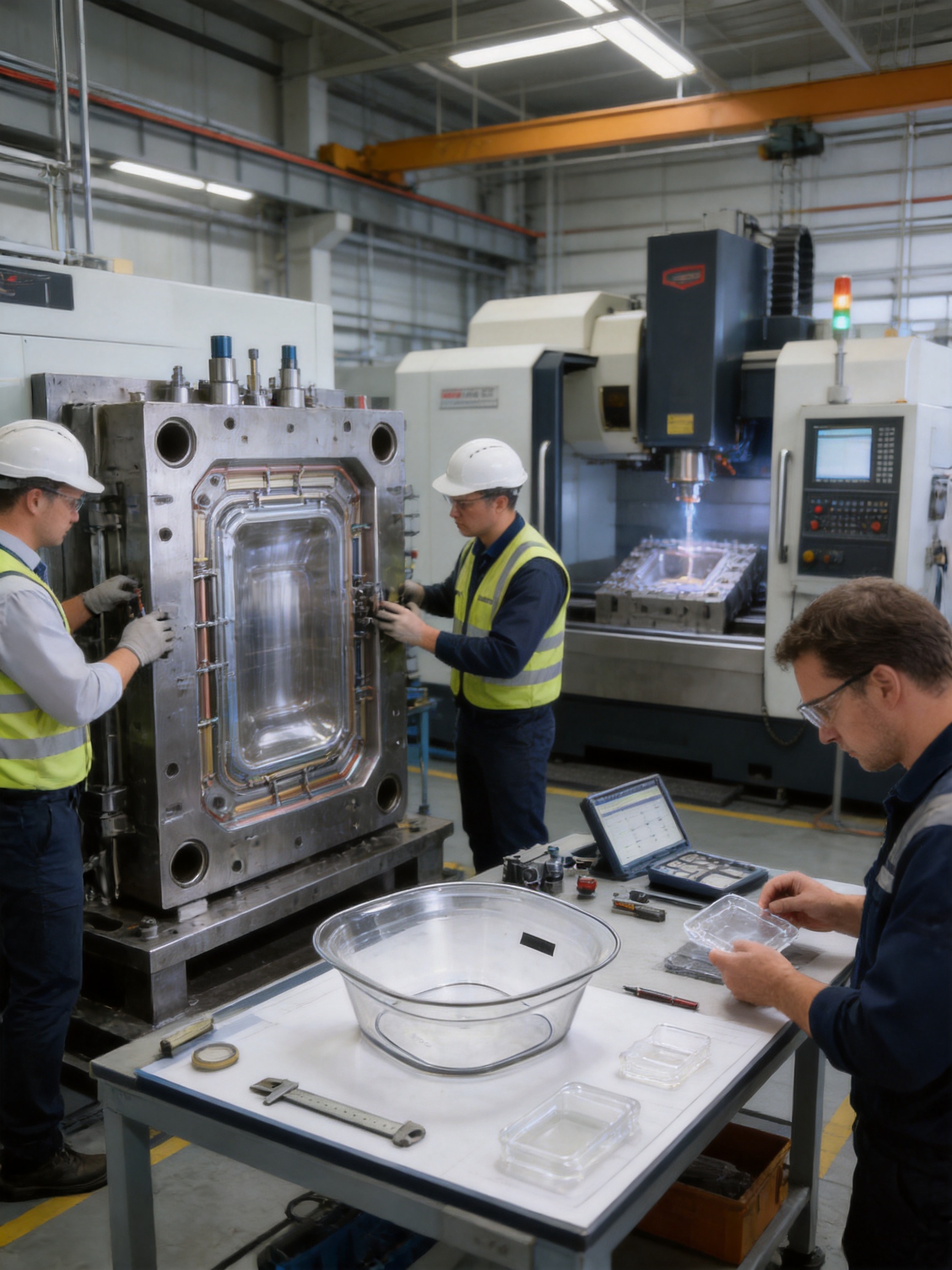
Maintenance Recommendations for Long-Term Performance
Proper maintenance is essential for maximizing mold life. After production, the mold should be cleaned to remove resin residue, moisture, dust, and contaminants. The parting surfaces, vents, ejector system, slides, and cooling channels should be checked regularly.
Moving components should be lubricated according to the mold manufacturer’s recommendations. Excess lubricant should be avoided because it can contaminate the product or attract dust. Cooling water quality should also be controlled. Poor-quality water may create scale or corrosion that reduces cooling efficiency and damages channels.
Operators should avoid closing the mold when foreign material is present on the parting line. Even a small particle can create a gap, damage the cavity surface, or cause flashing. Mold temperature and injection conditions should be monitored so that the tooling is not exposed to unnecessary thermal or mechanical stress.
When a mold is stored for an extended period, it should be dried, protected against corrosion, and kept in a clean environment. Ejector pins and moving parts should be positioned appropriately, and maintenance records should be retained. A simple preventive maintenance schedule can reduce unexpected downtime and extend the working life of the tool.
Why Choose an Experienced China Mold Factory?
China has developed a strong position in global plastic mold manufacturing because of its broad manufacturing supply chain, skilled technical workforce, machining resources, and experience serving international customers. However, not every mold supplier offers the same level of engineering, quality control, or after-sales service.
An experienced factory should be evaluated according to more than its quotation. Customers should consider production equipment, design capability, project communication, inspection procedures, mold trial resources, experience with similar products, export history, and ability to support future maintenance.
Chenghui Mould exports molds and related products to the Middle East, Europe, America, Africa, Southeast Asia, and other regions. This international experience supports communication with customers who have different technical standards, purchasing processes, and delivery requirements.
The company’s combination of long-term experience, internal production capacity, professional injection testing, and customized OEM and ODM service makes it suitable for customers seeking a complete mold development partner. Its stated commitment to precision, integrity, and customer support is reflected in a process designed to connect engineering decisions with production performance.
Technical Information Customers Should Confirm
Before ordering CHENGHUI PET Mold 013, customers should provide as much technical information as possible. The following items are especially important:
| Information Category | Recommended Details | Why It Matters |
|---|---|---|
| Product design | Three-dimensional model, drawing, sample, dimensions, tolerances | Defines cavity geometry and inspection requirements |
| Material | PET grade, additives, color, recycled content, processing range | Influences filling, cooling, shrinkage, and surface quality |
| Production volume | Expected monthly or annual output | Supports mold life, cavity number, and component selection |
| Machine information | Clamping force, injection capacity, platen size, nozzle position | Ensures compatibility with the customer’s equipment |
| Product appearance | Polish, texture, gloss, logo area, visible surfaces | Guides cavity finishing and appearance control |
| Ejection requirements | Automatic removal, robot handling, ejector position | Supports smooth demolding and production automation |
| Quality standards | Dimensional limits, visual criteria, sample approval method | Creates clear acceptance criteria |
| Delivery expectations | Target schedule, shipping location, documentation needs | Helps coordinate manufacturing and logistics |
Providing complete information at the beginning can improve quotation accuracy and reduce the possibility of design changes. It also allows the mold maker to recommend a solution that balances investment, production speed, durability, and product quality.
Frequently Asked Questions
What is CHENGHUI PET Mold 013 used for?
CHENGHUI PET Mold 013 is a customized PET injection mold intended for storage products and related household or industrial plastic articles. The exact application depends on the customer’s product design, material, machine, and production requirements.
Can the mold be customized according to our drawings?
Yes. Chenghui Mould provides OEM and ODM mold services. Customers can submit product drawings, three-dimensional files, samples, or concepts for engineering review and customized mold development.
Does the company support product design optimization?
Yes. The engineering process can include design-for-manufacturing review, draft analysis, wall thickness evaluation, parting line planning, cooling considerations, ejection review, and recommendations for improved moldability.
How does Chenghui Mould validate the mold before shipment?
The company uses professional injection molding machines for mold trials. Engineers evaluate molded samples, filling behavior, ejection, appearance, dimensional results, and other agreed requirements before the mold is approved for delivery.
What types of products can the factory manufacture molds for?
Chenghui Mould has experience with PET storage products, tables, chairs, furniture, storage boxes, turnover boxes, laundry baskets, buckets, storage racks, trash cans, and other daily-use or industrial plastic products.
Can the mold be designed for high-volume production?
Yes. The mold can be planned according to expected output, product material, cycle requirements, cavity configuration, mold life expectations, and the customer’s injection molding equipment. High-volume projects should be discussed in detail during the quotation and design stages.
What information is needed for an accurate quotation?
The most useful information includes a product drawing or three-dimensional model, material, estimated output, machine specifications, surface finish, cavity requirements, mold life target, delivery location, and any special quality standards.
Does the factory provide after-sales support?
Yes. Chenghui Mould provides after-sales support relating to mold operation, maintenance, technical questions, spare parts, and potential modifications. Customers can communicate with the company regarding production issues after installation.
How can customers protect the mold after delivery?
Customers should clean the mold regularly, maintain lubrication, control cooling water quality, prevent foreign material from entering the parting line, inspect wear components, and follow recommended storage procedures. Preventive maintenance is important for stable quality and long mold life.
Why is mold testing important?
Trial molding confirms how the mold performs under actual injection conditions. It helps identify filling, cooling, ejection, appearance, dimensional, or cycle issues before the tool reaches the customer’s production line.
Conclusion
CHENGHUI PET Mold 013 provides a practical foundation for companies that require dependable PET injection tooling for storage products and related applications. Its main advantages include customized OEM and ODM development, production-oriented engineering, precision machining, professional mold trials, dimensional accuracy, surface quality control, and long-term technical support.
The mold is supported by Zhejiang Chenghui Mould Co., Ltd., a manufacturer founded in 1994 with more than 30 years of experience in injection mold design and production. The company operates its own workshop, uses 104 advanced processing machines, maintains professional injection testing equipment, and produces more than 1,500 mold sets annually.
Compared with low-cost tooling that may lack engineering review, trial validation, or long-term support, this product is positioned as a complete manufacturing solution. It helps customers move from product concept to reliable mass production through a coordinated process of design, machining, assembly, testing, inspection, and after-sales service.
For plastic manufacturers, wholesalers, distributors, and brand owners seeking a China mold factory, the most important consideration is not simply the initial tooling price. The broader value comes from stable production, reduced quality risks, improved product consistency, manageable maintenance, and a supplier capable of supporting future development. With its experience in PET products, household molds, industrial molds, and customized injection tooling, Chenghui Mould offers a strong foundation for these objectives.
References
1. Plastics Industry Association. General Principles of Injection Molding and Plastic Product Manufacturing.
2. Society of Plastics Engineers. Injection Molding Handbook and Mold Design Practices.
3. International Organization for Standardization. Quality Management Systems and Manufacturing Process Control Principles.
4. International Organization for Standardization. Plastics Testing, Dimensional Evaluation, and Material Performance Guidelines.
5. Technical documentation and manufacturing information supplied for Zhejiang Chenghui Mould Co., Ltd. and CHENGHUI PET Mold 013.