
 Français
 Español
 عربى
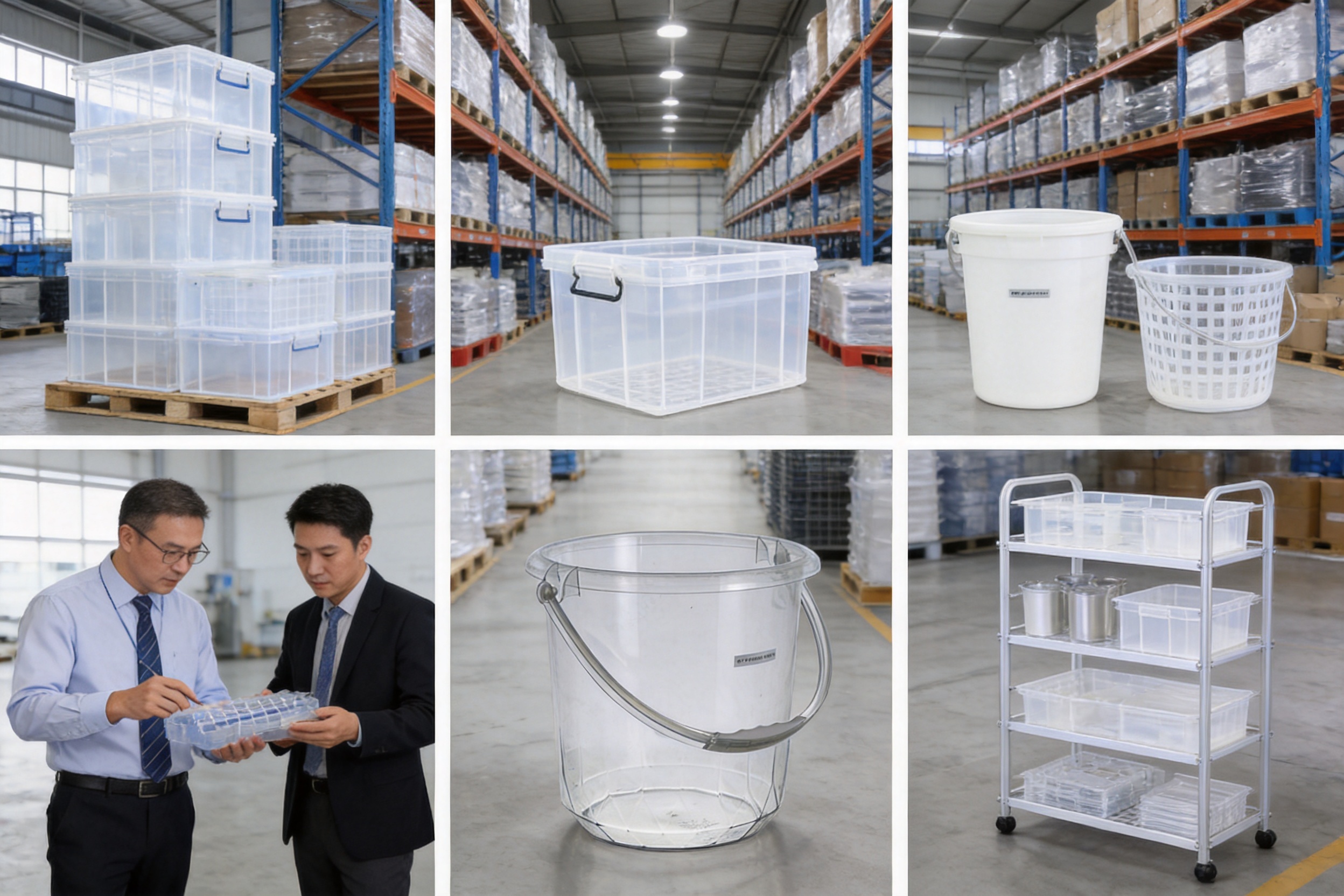
In modern packaging, storage, logistics, and household-product manufacturing, the mold is the foundation of product quality. A well-designed PET mold supports accurate dimensions, stable production, efficient cycle performance, consistent appearance, and dependable service life. By contrast, a poorly engineered mold can create flash, uneven wall thickness, short shots, deformation, difficult demolding, excessive maintenance, and inconsistent output. For manufacturers serving demanding customers, the choice of mold supplier is therefore a strategic production decision rather than a simple purchasing transaction.
CHENGHUI PET Mold 009 is a customized PET mold solution developed for manufacturers that require dependable tooling for plastic products. It is associated with Zhejiang Chenghui Mould Co., Ltd., a China-based mold manufacturer with more than 30 years of experience in injection mold design and production. The company serves industrial, logistics, household, and daily-use plastic product applications, including storage products, turnover boxes, laundry baskets, buckets, storage racks, trash cans, furniture components, tables, chairs, and other molded articles.
The product is intended to support original equipment manufacturing and original design manufacturing programs. Its value is not limited to the physical mold itself. The complete service includes product-development communication, mold structure planning, engineering review, precision machining, assembly, trial molding, inspection, adjustment, delivery, and after-sales support. This integrated approach helps customers reduce the risks that often arise when design, machining, testing, and production support are divided among unrelated suppliers.
For wholesalers, distributors, importers, and plastic-product manufacturers, the central benefit is production confidence. A PET mold must be engineered around the actual product, resin, machine, expected output, surface requirements, and packaging or logistics conditions. Chenghui Mould’s experience in daily-use plastic products provides a practical foundation for developing tooling that can be adapted to different customer requirements while maintaining a focus on precision, durability, and production readiness.
Understanding the Role of a PET Mold in Product Manufacturing
PET, or polyethylene terephthalate, is widely used in packaging and selected storage-related applications because it can offer clarity, strength, chemical resistance, dimensional stability, and a favorable balance between weight and performance. However, the material’s behavior during processing must be considered carefully. Flow characteristics, cooling behavior, shrinkage, wall thickness, gate design, venting, and ejection all influence the quality of the finished article.
A mold is not simply a cavity that gives plastic its shape. It is a coordinated system made up of cavity and core components, mold plates, guide elements, cooling channels, gates, runners where applicable, ejector mechanisms, inserts, support structures, and other functional parts. Each element affects the quality and repeatability of the final product. If the cooling system is unbalanced, one area may solidify faster than another. If the ejection system is poorly positioned, the product may show marks or become distorted. If the parting line is not carefully planned, flash or visible witness lines may appear.
For PET products, visual quality can be especially important. Customers may judge a container, storage item, or household product by its transparency, gloss, color consistency, surface smoothness, and freedom from visible defects. Functional requirements are equally important. A storage product may need to stack correctly, fit with a lid, resist impact, support a specified load, or maintain its shape during transportation. The mold must be designed around these requirements from the beginning.
CHENGHUI PET Mold 009 represents a product-development approach in which the mold is matched to the customer’s product concept rather than offered as a generic, one-size-fits-all tool. Since the supplied product information does not define a single universal cavity count, mold size, steel grade, or cycle specification, these details should be confirmed during technical review. This is an advantage for customers requiring OEM or ODM flexibility because the mold can be discussed in relation to actual product drawings, samples, material requirements, and machine conditions.
Product Positioning and Application Potential
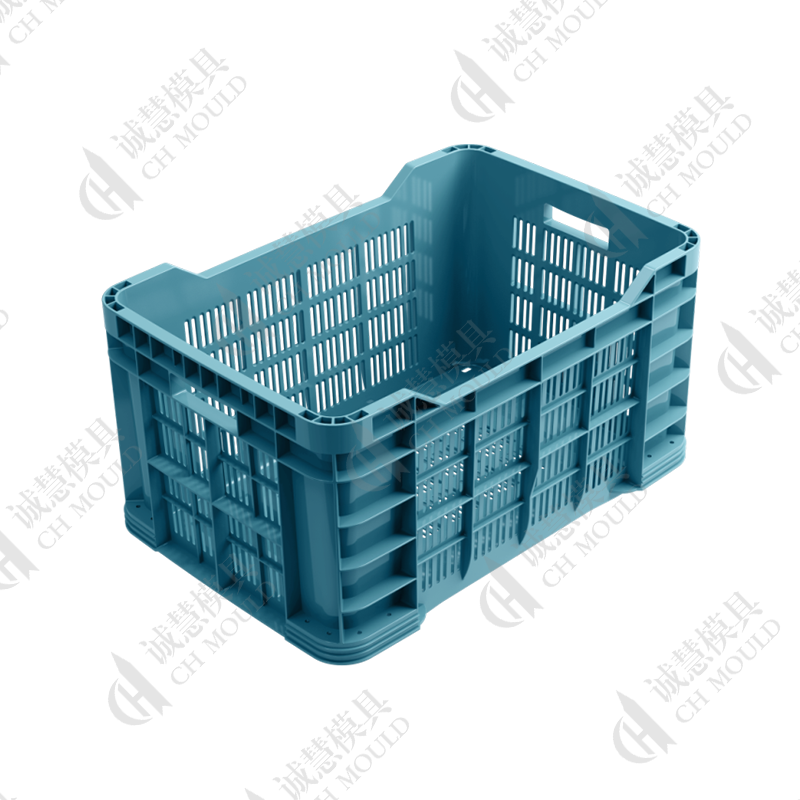
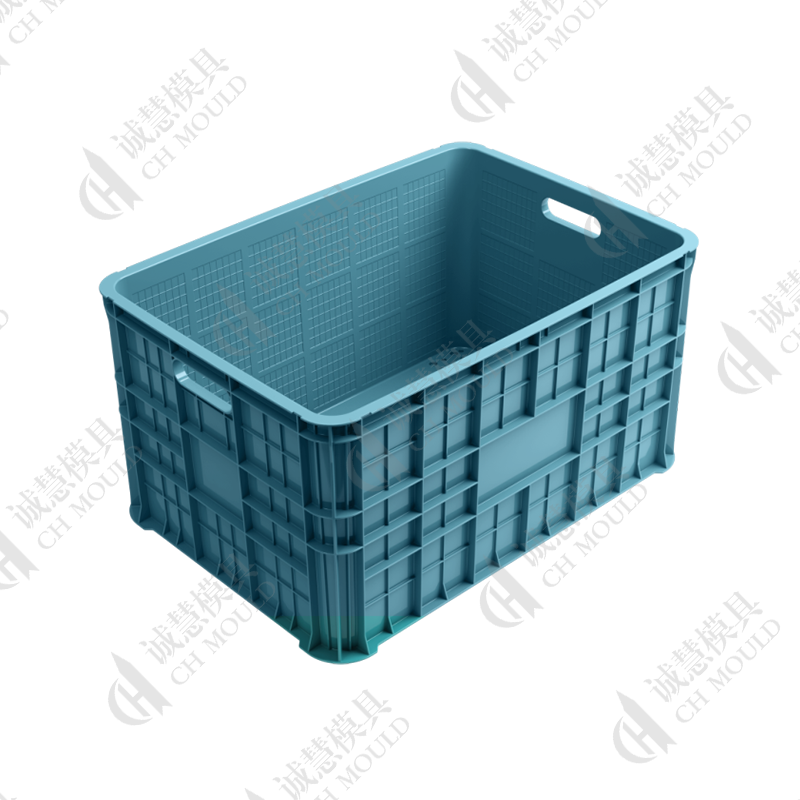
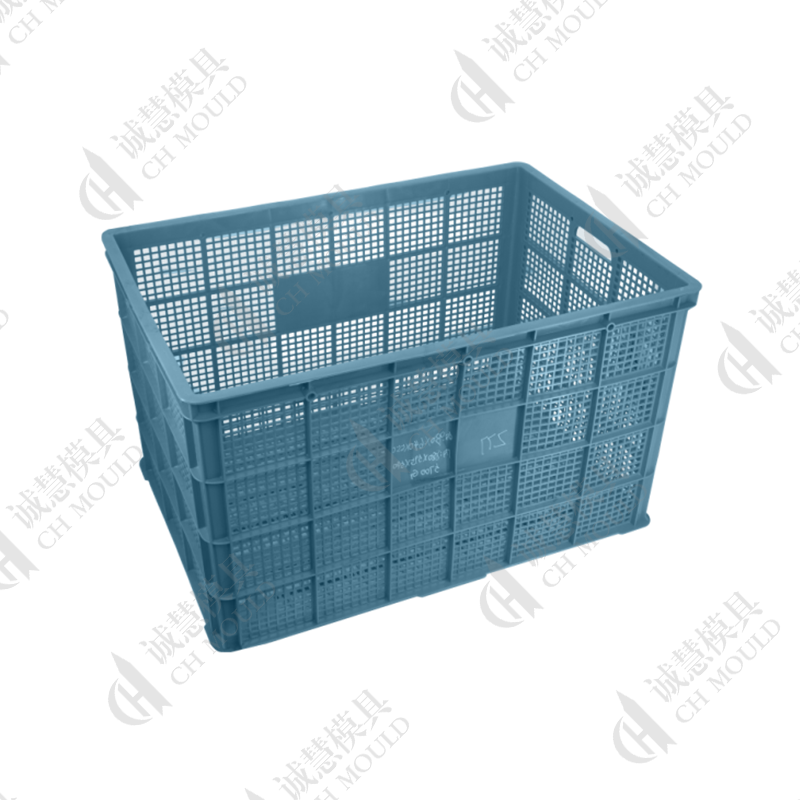
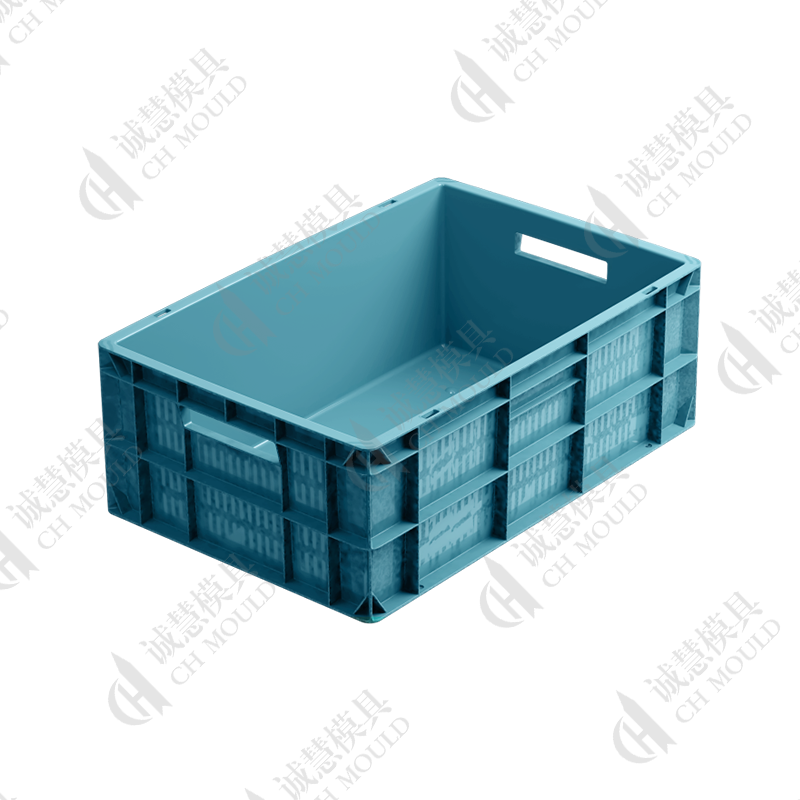
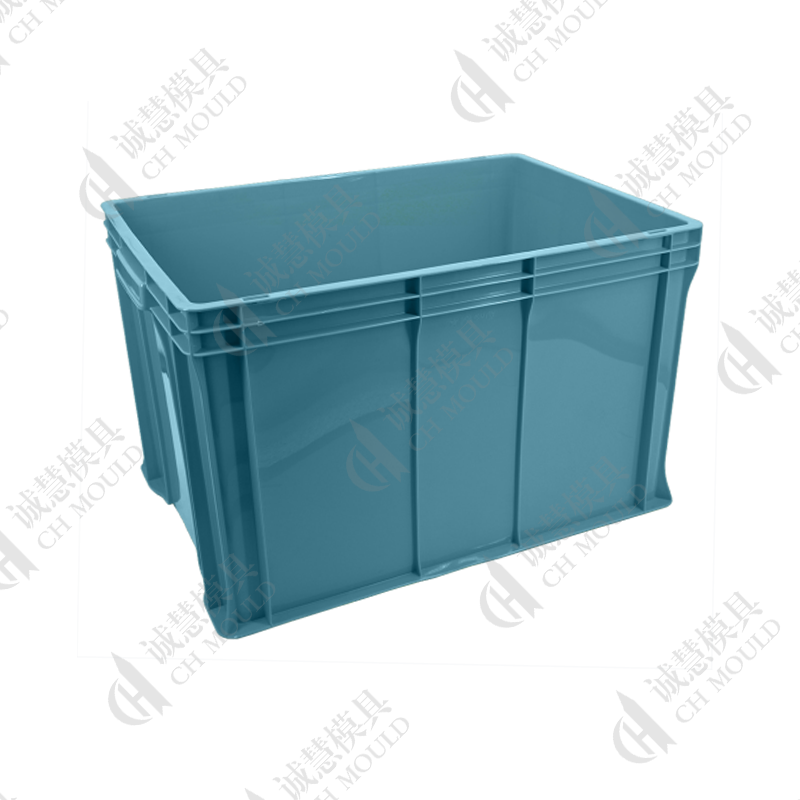
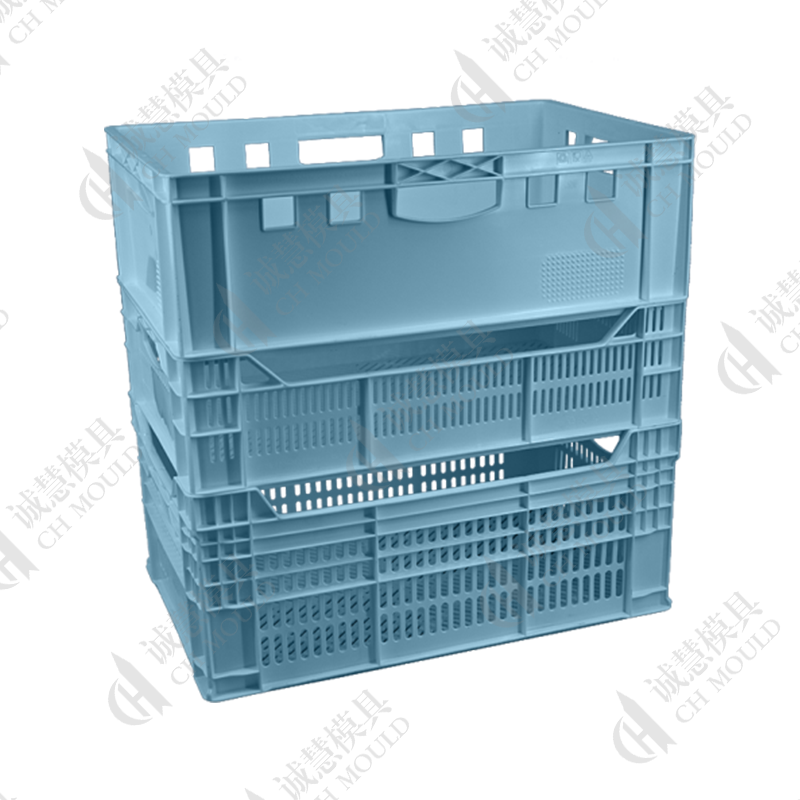
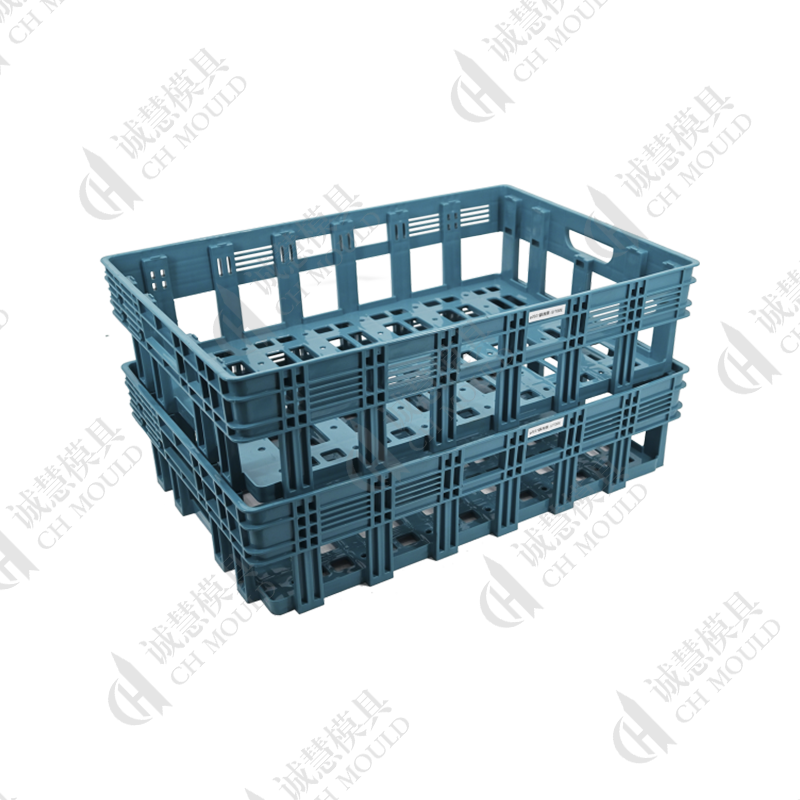
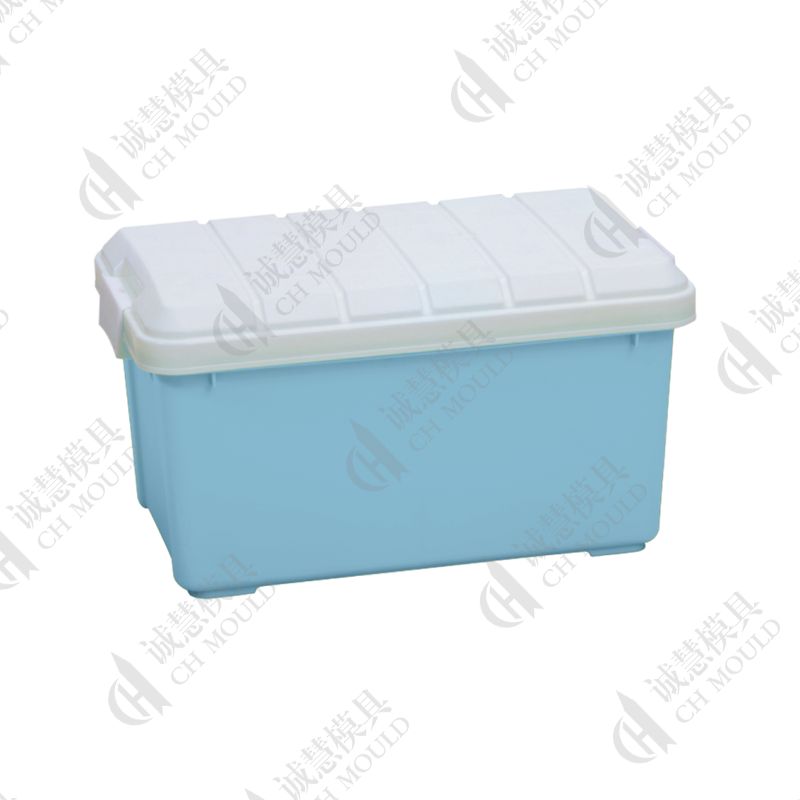
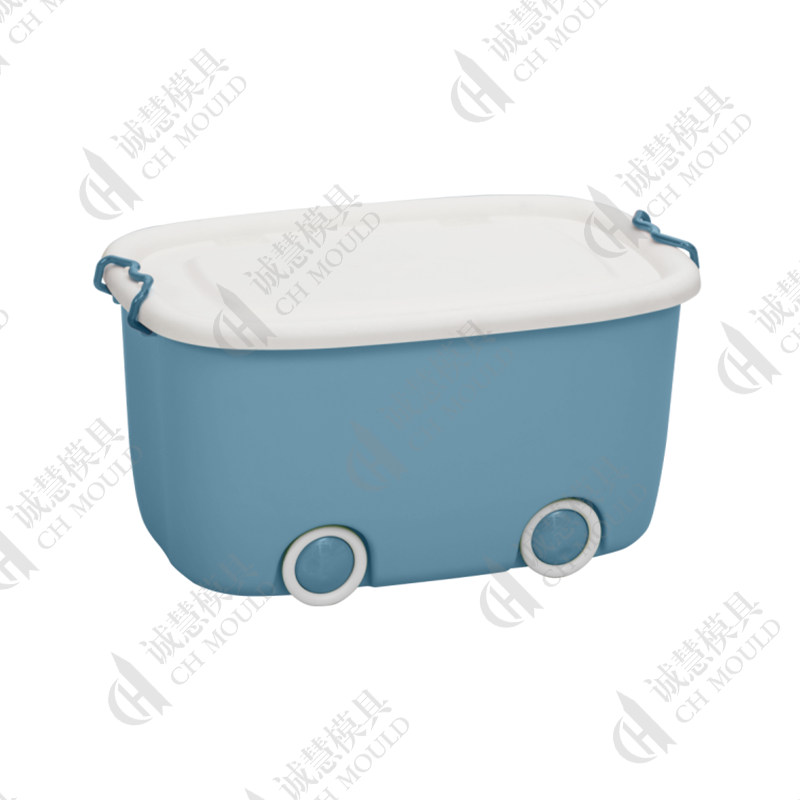
The PET Mold 009 product line can be considered for manufacturers developing storage and daily-use plastic products that require repeatable shaping and stable production. Potential applications include PET storage containers, household organizers, boxes, bins, packaging-related articles, and other products developed according to customer drawings. The same engineering principles can also be applied to tooling for industrial and logistics products when the selected material and production method are suitable.
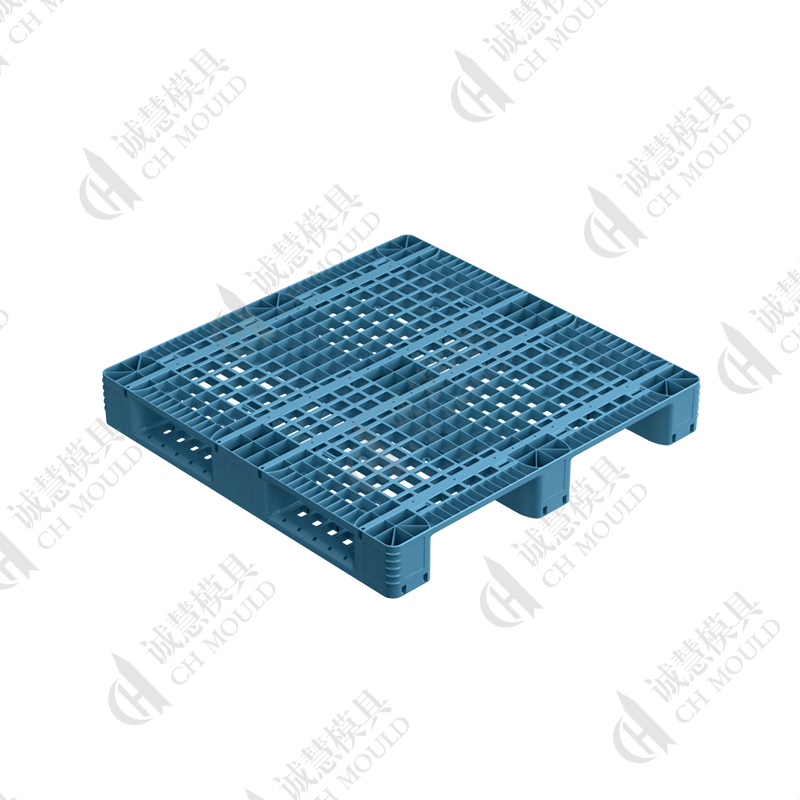
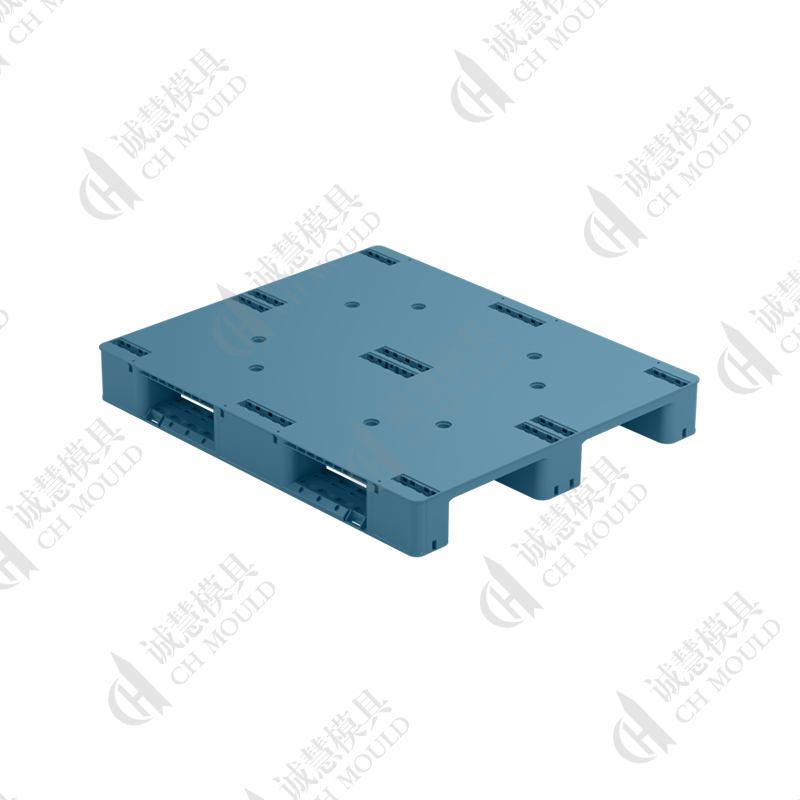
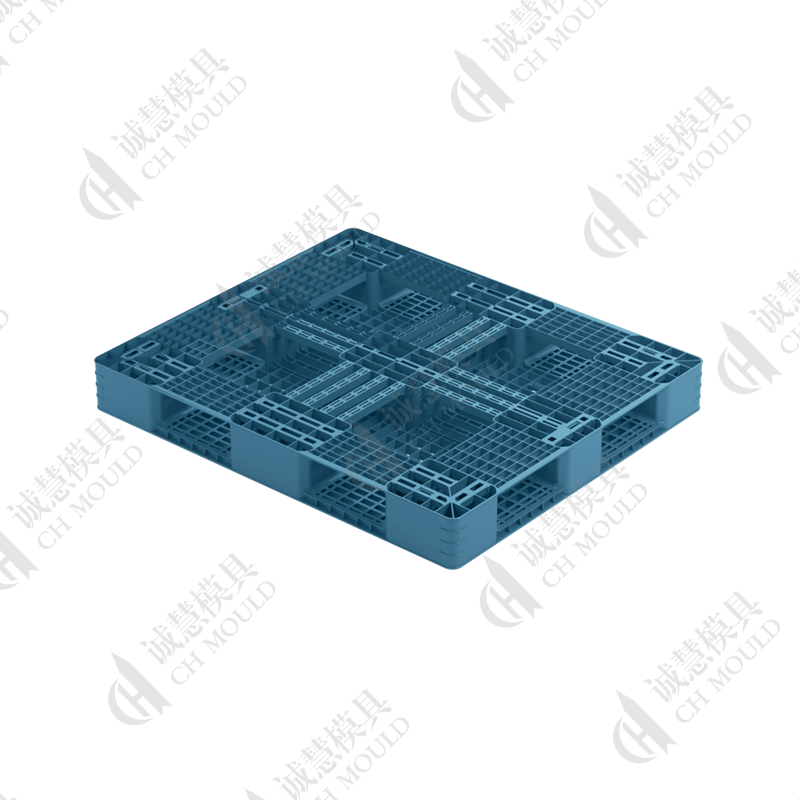
Chenghui Mould’s broader product experience includes pallets, crates, turnover boxes, laundry baskets, buckets, trash cans, storage racks, tables, chairs, furniture components, and other household or industrial products. This background is valuable because many mold projects involve more than a single product. A customer may need several related molds with matching dimensions, common design language, compatible stacking features, or similar surface finishes. Experience across multiple product categories can help the engineering team understand how individual parts function within a wider product family.
For distributors and wholesalers, product flexibility is particularly important. Market demand can change according to retail trends, regional regulations, customer preferences, and logistics requirements. A mold supplier that can communicate effectively about revisions, inserts, interchangeable components, structural improvements, and production optimization gives the buyer more room to respond to changing market conditions.
For manufacturers, the most important consideration is whether the tool can support the intended production strategy. A mold for limited-volume sampling may have different priorities from a mold intended for continuous mass production. A product intended for visible household use may require a different surface treatment from an industrial container. A stackable logistics item may need special attention to dimensional relationships and load-bearing geometry. These differences demonstrate why a mold must be engineered around the product’s real operating conditions.
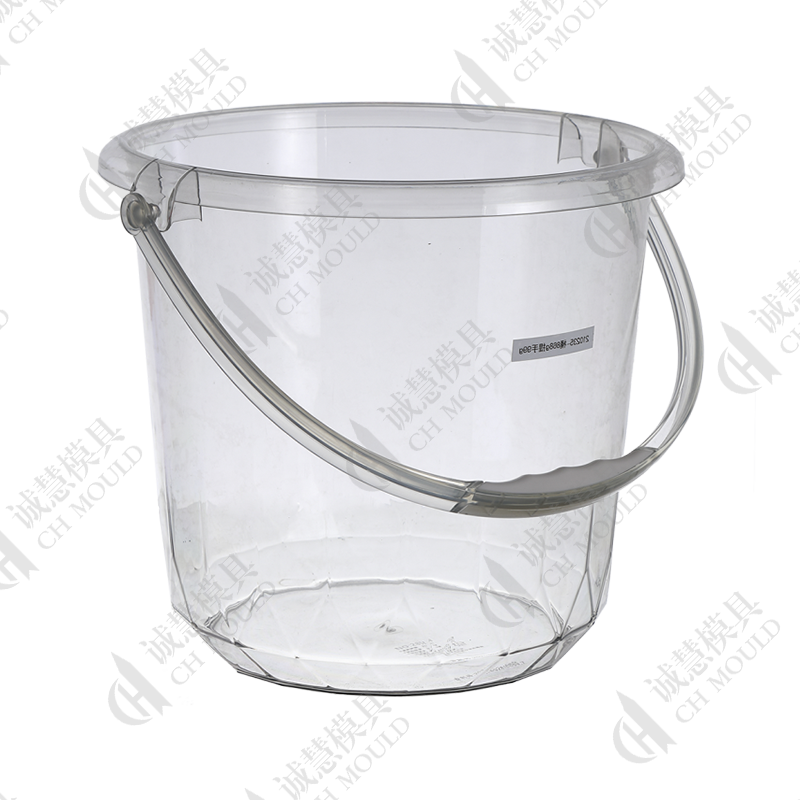
CHENGHUI PET Mold 009
Key Advantages of CHENGHUI PET Mold 009
Customized Engineering Rather Than Standardized Guesswork
One of the primary advantages of CHENGHUI PET Mold 009 is its suitability for customized OEM and ODM projects. The customer can provide product drawings, three-dimensional files, physical samples, preliminary concepts, or performance requirements. The mold design can then be developed around the part geometry, material, production equipment, and expected output.
Customization helps address common problems that occur when a standard mold is forced onto a product that was not designed for it. A standard approach may overlook draft angles, undercuts, wall transitions, rib thickness, assembly clearances, label areas, handle structures, or product stacking requirements. By reviewing these factors before machining begins, the mold supplier can help reduce later modifications and improve the likelihood of successful first trials.
Customized engineering also allows the customer to discuss future requirements. For example, a mold may be planned with replaceable inserts if a product family is expected to include several sizes. A cavity layout may be reviewed according to the customer’s target machine and production volume. Cooling and ejection arrangements may be considered in relation to the product’s most sensitive surfaces. The objective is to create tooling that supports the customer’s commercial plan rather than only satisfying a basic shape requirement.
Experience in Household and Industrial Plastic Products
Tooling for daily-use products often involves a combination of appearance, function, strength, and cost considerations. The product must look acceptable on the retail shelf, but it must also withstand handling, cleaning, transportation, and repeated use. Industrial and logistics products add requirements such as stacking, nesting, impact resistance, load support, and dimensional compatibility.
Chenghui Mould has more than three decades of experience in injection mold design and manufacturing for these types of applications. Its stated product range covers storage boxes, turnover boxes, baskets, buckets, racks, trash cans, furniture products, tables, chairs, and other household articles. This application knowledge can support practical mold decisions, especially when a customer needs advice about manufacturability, parting lines, draft, ribs, handles, corners, or ejection.
Experience does not replace engineering data, but it can make technical communication more efficient. A supplier familiar with similar products can identify potential risks earlier and ask more relevant questions during the quotation and design stages. This can be especially useful for overseas buyers who need to coordinate between a product designer, a purchasing department, a molding factory, and an end customer.
Integrated Production Resources
According to the provided company information, Chenghui Mould operates its own production workshop and has 104 advanced processing machines, together with professional injection molding equipment used for mold testing. An integrated workshop can provide important coordination benefits. Engineering decisions can be communicated directly to machining personnel, assembly teams, and trial-molding technicians. Feedback from one stage can be returned to the previous stage without unnecessary delays caused by multiple external subcontractors.
Control over more of the manufacturing process may also improve accountability. When a customer receives a mold from a supplier that manages design, machining, fitting, testing, and inspection, it is easier to establish responsibility for dimensional or performance issues. The supplier can trace the project through its internal stages and coordinate corrective action more efficiently when adjustments are required.
The presence of injection molding machines for testing is another practical advantage. A mold should not be judged only by the quality of its individual steel components. It must also function as a complete system under real molding conditions. Trial molding can reveal filling behavior, ejection performance, cooling balance, parting-line conditions, surface appearance, and dimensional results. Testing provides a basis for adjustment before the mold is shipped to the customer.
Production Capacity for Continuing Customer Programs
Chenghui Mould reports an annual production capacity of more than 1,500 mold sets. Capacity alone does not guarantee quality, but it indicates that the supplier is structured to manage a significant number of tooling projects. For customers with multiple products or ongoing development programs, this may be more suitable than working with a small workshop that has limited equipment or limited project management resources.
A capable supplier should be able to distinguish between urgent development tools, production molds, replacement molds, and related mold families. It should also be able to organize engineering data, production schedules, inspection stages, and shipping preparation. These capabilities become increasingly important when an importer or brand owner is launching several products at the same time.
Focus on Precision and Mass-Production Readiness
The purpose of a production mold is not merely to produce one acceptable sample. It must be able to support repeatable output over the intended production period. This requires attention to dimensional accuracy, component fitting, cooling, ejection, wear resistance, maintenance access, and the suitability of mold materials for the expected workload.
Chenghui Mould describes its processes as being supported by precision equipment, standardized procedures, and strict quality management. These principles are relevant to PET tooling because small inconsistencies can become expensive when multiplied across thousands or millions of products. A slight dimensional error may affect lid fit, stacking, assembly, label placement, or compatibility with another component. A minor surface defect may be repeated on every molded part.
Mass-production readiness also includes practical details such as safe handling, mold identification, spare-part planning, maintenance instructions, and customer training. These details can influence the total ownership cost of a mold. A tool that is easier to maintain and adjust may provide better long-term value than one that has a lower initial quotation but creates repeated production interruptions.
Engineering Features That Influence PET Mold Performance
Cavity and Core Accuracy
The cavity and core define the primary surfaces of the product. Their dimensions, alignment, surface finish, and transitions must correspond with the product drawing and tolerance requirements. For products with matching lids, nesting features, or interchangeable components, accuracy between related mold sections is especially important.
Precision machining and careful fitting help ensure that the cavity and core close correctly and maintain stable alignment during production. The appropriate level of precision depends on the product, material, machine, and customer requirements. During technical review, the customer should identify critical dimensions, cosmetic surfaces, functional interfaces, and areas where tolerances are especially important.
Parting-Line Planning
The parting line is where the mold separates to release the molded article. Its location affects appearance, flash control, mold complexity, and ejection. A well-planned parting line can reduce visible marks and make the product easier to remove. A poorly selected parting line may create difficult shutoffs, unnecessary machining challenges, or defects in a highly visible area.
For storage products and household articles, the parting line should be evaluated in relation to handles, corners, rims, ribs, bottom surfaces, and stacking features. The design team may also consider how the product will be inspected and how any unavoidable witness line will appear in the finished product.
Draft and Demolding
Draft angles allow the product to separate from the mold without excessive friction or deformation. Insufficient draft may cause scuffing, sticking, stress marks, or slow ejection. Excessive draft may alter the product’s appearance or affect functional dimensions. The appropriate value depends on the surface texture, material, depth, geometry, and customer requirements.
Products with deep walls, internal ribs, handles, or textured surfaces require particular attention. Ejector placement must distribute force appropriately and avoid damaging thin or cosmetic areas. When the product is intended for automated production, demolding stability becomes even more important because the machine must remove parts consistently at the selected cycle rate.
Cooling-System Design
Cooling has a major influence on cycle time, warpage, dimensional stability, and surface appearance. A mold that cools unevenly may produce parts with different shrinkage rates across the same article. This can cause bending, distortion, inconsistent fit, or stress. The cooling layout should be considered in relation to wall thickness, deep sections, ribs, handles, bosses, and other areas that retain heat.
Cooling channels should be planned to provide effective heat removal while maintaining structural strength in the mold plates. The final arrangement depends on mold size, product geometry, production material, machine conditions, and the customer’s cycle-time objectives. Trial molding is useful for confirming whether the selected cooling approach provides acceptable production behavior.
Gating and Filling Considerations
The gate influences how molten plastic enters the cavity and can affect weld lines, air entrapment, surface appearance, packing, and material distribution. The most suitable gate arrangement depends on the product’s geometry and the selected molding technology. Areas with visual requirements may require special attention to gate location and gate-mark control.
For a PET product, the mold design should be evaluated alongside the material supplier’s processing recommendations and the customer’s injection equipment. A mold supplier cannot determine every process parameter without product and machine information. However, it can review the relationship between gate position, flow path, wall thickness, and likely filling behavior during the design stage.
Venting
Air must escape as the cavity fills. Inadequate venting can lead to burn marks, short shots, trapped air, poor surface quality, and unstable filling. Venting must be designed carefully because excessive or poorly positioned vents may create flash. The correct approach depends on the product shape, filling pattern, material, and mold construction.
Venting is particularly relevant to products with deep cavities, narrow ribs, enclosed corners, or complicated surface structures. Mold trials help identify whether additional venting or other adjustments are needed. A systematic review of venting can improve both cosmetic quality and production consistency.
Ejection and Mold Maintenance
The ejection system should remove the molded product with adequate force while minimizing marks and distortion. Ejector pins, sleeves, plates, air assistance, or other mechanisms may be selected according to the product structure. Ejection should be balanced so that the part does not twist, stick, or remain partially attached to the core.
Maintenance access is also an important design consideration. Wear components, inserts, ejector parts, guide components, and other service items should be identifiable and replaceable where appropriate. A mold designed with maintenance in mind can reduce downtime and help the customer preserve consistent output throughout the tool’s working life.
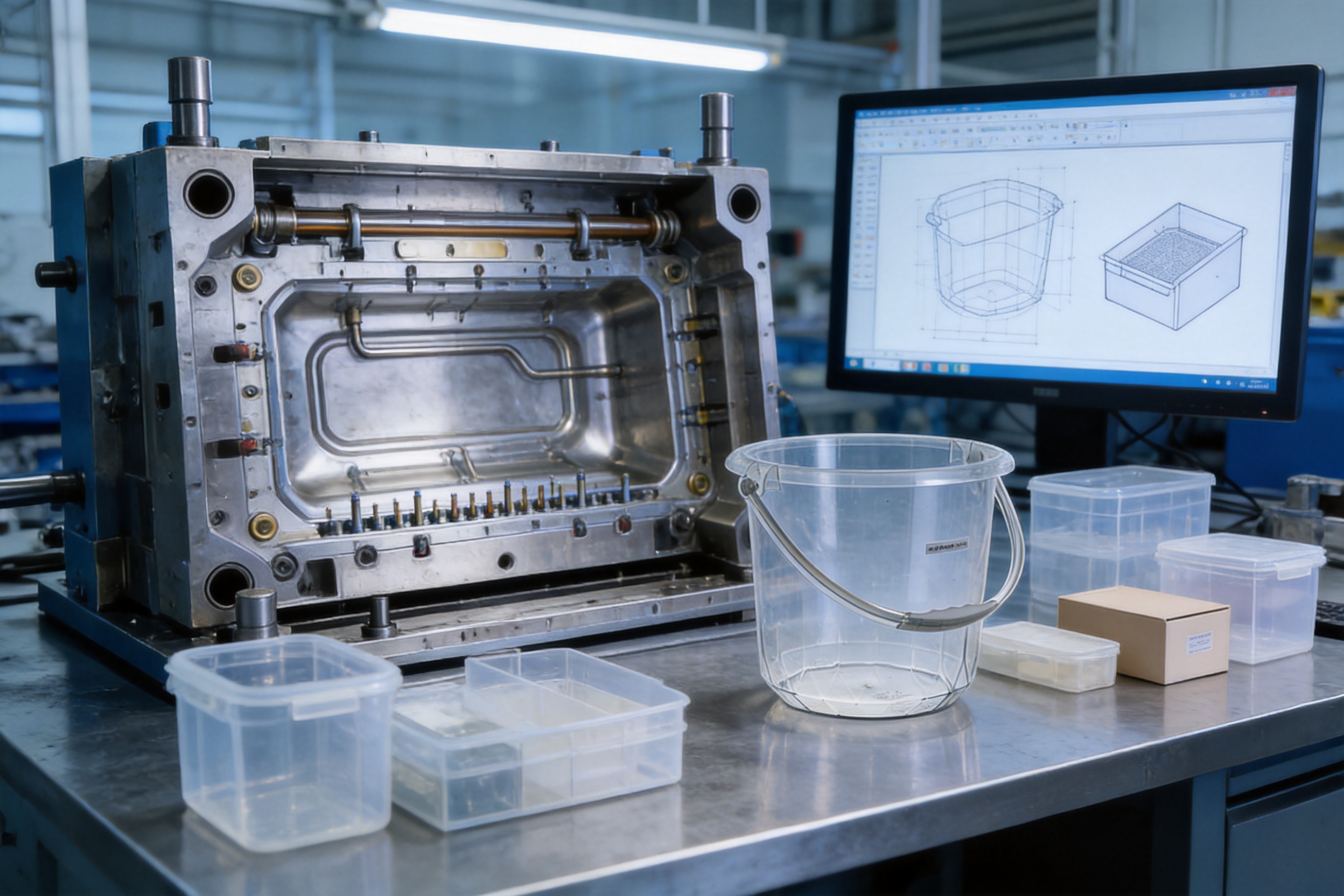
Manufacturing Process and Quality-Control Approach
1. Product Consultation and Requirement Confirmation
The process begins with an exchange of product and production information. The customer may provide a two-dimensional drawing, three-dimensional model, sample, product photograph, material information, target annual output, preferred machine, expected cavity count, surface requirements, and packaging or shipping expectations.
At this stage, it is helpful to identify which dimensions are critical and which areas are flexible. The customer should also explain whether the product is intended for food contact, household use, industrial handling, outdoor storage, or another application. Any regulatory or testing requirements should be disclosed before mold construction begins.
2. Product Design and Mold-Flow Review
Before machining, the product design should be reviewed for manufacturability. The engineering team may evaluate wall thickness, draft angles, undercuts, ribs, bosses, handles, parting lines, gate locations, ejection areas, cooling requirements, and potential deformation. If a product has avoidable design risks, early modification is generally less costly than making changes after the mold has been machined.
A mold-flow study may be used when the product geometry or production volume justifies it. Such analysis can provide insight into filling patterns, weld-line locations, air traps, pressure requirements, cooling behavior, and likely warpage. The appropriate level of analysis depends on the complexity and commercial importance of the project.
3. Mold Structure Design
After the product review, the mold structure is developed. This includes the selection of mold base dimensions, cavity arrangement, core and cavity construction, inserts, guide systems, cooling channels, gates, runners where relevant, ejector mechanisms, and other components. The design should be checked against the customer’s molding machine, including available mold space, opening stroke, ejection arrangement, and injection capacity.
Structure design should also consider transport and installation. A large mold may require lifting provisions, clear identification, and suitable protection during shipment. The customer should receive relevant mold documentation and operating information so that the tool can be installed and maintained correctly.
4. Precision Machining
Chenghui Mould states that it operates a production workshop with 104 advanced processing machines. A broad equipment base can support different machining stages, including roughing, finishing, drilling, milling, electrical discharge machining where required, grinding, and other operations suitable for mold construction.
The objective of precision machining is to produce mold components according to approved engineering data. Control of machining sequence is important because heat treatment, stress release, finishing, and fitting can influence final dimensions. The suitable combination of equipment and process depends on the mold structure, steel selection, surface requirements, and tolerance expectations.
5. Component Inspection and Fitting
Machined components should be inspected before and during assembly. Dimensional inspection helps identify deviations before they affect the complete mold. Fitting technicians then assemble the mold and check alignment, parting surfaces, inserts, guide components, ejector movement, and other functional relationships.
Good fitting is essential even when individual components have been machined accurately. The mold must close evenly, separate smoothly, and maintain the required alignment under operating conditions. Shutoff areas and parting surfaces require particular attention because poor fitting can produce flash or premature wear.
6. Trial Molding
Trial molding is a critical stage because it demonstrates how the completed tool performs with actual material and equipment. The trial may evaluate filling, appearance, dimensions, ejection, cycle behavior, cooling, gate marks, weld lines, flash, short shots, warpage, and other characteristics.
The first trial is not always the final trial. Depending on the project, adjustments may be needed to the mold, process parameters, venting, ejection, cooling, or surface finish. A disciplined trial process records the conditions and results so that changes can be evaluated logically rather than made through guesswork.
7. Quality Inspection and Approval
After adjustment, molded samples can be inspected against approved drawings or reference samples. Inspection may cover critical dimensions, appearance, weight, fit, function, and other customer-defined requirements. The final approval process should clarify what has been accepted, which parameters were used, and what documentation will accompany the mold.
For export customers, clear communication is especially important. A professional approval package may include product samples, inspection data, mold photographs, maintenance information, spare-part details, and operating recommendations. The exact documents should be agreed upon during project planning.
8. Packing, Delivery, and After-Sales Support
Before shipment, the mold should be cleaned, protected against corrosion, securely packed, and identified. Heavy tooling requires appropriate lifting and transport protection. The customer should receive instructions for installation, water connections, lubrication, cleaning, storage, and routine inspection.
After-sales service is important because the mold will be used in a production environment that may differ from the supplier’s trial conditions. Customers may require guidance on process settings, maintenance, spare parts, or future modifications. Chenghui Mould presents after-sales support as part of its customized service model, helping customers continue using the mold after delivery.
Comparison with Common Alternative Supplier Models
When evaluating PET mold suppliers, buyers often compare more than price. The supplier’s engineering capability, equipment, communication, inspection system, delivery reliability, and support after shipment can have a greater effect on total cost. CHENGHUI PET Mold 009 can be positioned favorably against several common alternative models.
| Evaluation Area | Integrated Custom Mold Supplier | Low-Cost Basic Workshop | Multi-Level Outsourcing Model | Value for the Buyer |
|---|---|---|---|---|
| Product engineering | Product and mold design can be reviewed together | May focus mainly on copying supplied files | Communication may pass through several parties | Earlier identification of design risks |
| Manufacturing control | More production stages managed within one organization | Equipment and process range may be limited | Responsibility may be divided among subcontractors | Clearer accountability and coordination |
| Trial molding | Professional injection equipment can be used for testing | Testing capability may be limited | Trial arrangements may require external scheduling | Better evidence of production readiness |
| Product experience | Experience across household, storage, and industrial products | May specialize in a narrow product range | Experience can vary by subcontractor | More practical advice for complex parts |
| Project scalability | Reported capacity exceeds 1,500 mold sets annually | Large orders may strain resources | Capacity depends on several partners | Better suitability for product families |
| After-sales support | Can include technical communication and mold guidance | May be limited after shipment | Customer may need to coordinate through an intermediary | Reduced risk during installation and production |
This comparison does not mean that every low-cost workshop or outsourcing model is unsuitable. A small supplier may be appropriate for a simple prototype, while an outsourcing company may provide useful project-management services. However, for a production mold intended for continuing use, customers should evaluate the entire supply chain. A lower purchase price can become less attractive if the mold requires repeated correction, lacks trial support, or cannot be serviced quickly.
The strongest competitive advantage of CHENGHUI PET Mold 009 is therefore the combination of customization, application experience, internal processing resources, testing capability, production capacity, and service continuity. These factors can support a lower-risk procurement decision for customers that require more than a basic steel tool.
Benefits for Different Types of Buyers
Benefits for Plastic Product Manufacturers
Manufacturers can use a customized PET mold to improve production consistency and reduce the frequency of manual correction. When the mold is matched to the machine and product requirements, operators may find it easier to establish stable processing conditions. Consistent dimensions can also reduce downstream assembly, sorting, or packaging problems.
A well-designed tool may support more efficient cooling and ejection, helping the manufacturer pursue a balanced cycle time. The actual cycle result depends on the product, machine, material, and process settings, but mold engineering provides the foundation. Manufacturers can also discuss maintenance access and spare parts before the tool is delivered, improving long-term production planning.
Benefits for OEM Customers
OEM customers often have a product concept but do not maintain a complete mold-manufacturing department. They need a supplier that can convert product data into a functioning mold while protecting the intended appearance and performance. Chenghui Mould’s design-to-trial service can help coordinate this process from initial concept through production preparation.
OEM buyers may also need confidentiality, design revision control, sample approval, and communication in English. These requirements should be discussed clearly at the beginning of the project. A structured approval process helps ensure that the final mold reflects the customer’s authorized design rather than an outdated file or incomplete instruction.
Benefits for ODM and Brand Development Programs
ODM programs may begin with a general market idea rather than a fully completed design. In this case, the supplier’s experience with similar products can contribute to discussions about size, structure, manufacturability, and production economics. The customer remains responsible for defining the commercial and functional objectives, while the mold supplier helps translate those objectives into a practical tool design.
For brands developing several related products, the supplier may also help consider common mold concepts, interchangeable inserts, product-family dimensions, and consistent surface treatment. These options should be evaluated project by project because the best approach depends on volume, product differences, and required flexibility.
Benefits for Wholesalers and Distributors
Wholesalers and distributors may not operate molding equipment themselves, but they often influence product selection, packaging, dimensions, quality, and delivery schedules. Working with an experienced mold manufacturer can help them develop products that are more distinctive than standard catalog items.
Custom tooling can support private-label products, regional size requirements, special colors, product bundles, and packaging strategies. It may also help distributors respond to customers seeking products with particular stacking, storage, handling, or appearance features. The investment should be evaluated against anticipated volume and product life, but a suitable mold can provide a long-term source of differentiation.
How to Prepare a Successful PET Mold Project
The quality of the final mold depends partly on the quality of the information supplied at the beginning. Customers should prepare as much of the following information as possible:
Product drawings or three-dimensional files should identify overall dimensions, critical tolerances, wall thickness, draft angles, surface textures, functional interfaces, and areas requiring special appearance. If the product is based on a physical sample, the customer should provide measurements and explain which features must be retained.
Material information should include the intended PET grade, additives, colorants, recycled-content requirements, processing recommendations, and any applicable food-contact or chemical-resistance expectations. Material changes can affect shrinkage, flow, appearance, and processing conditions, so they should be communicated before mold design approval.
Production information should include the intended machine model or machine range, target output, expected mold life, preferred cavity count, automation plans, and acceptable cycle-time objectives. The supplier can use this information to evaluate mold size, injection requirements, cooling, ejection, and maintenance needs.
Quality information should define inspection methods and acceptance criteria. The customer should identify whether the priority is dimensional accuracy, transparency, gloss, texture, impact performance, lid fit, stackability, weight, or another characteristic. A clear priority list helps the engineering team make informed decisions when trade-offs arise.
Commercial information should address the required delivery date, sample approval process, packaging method, shipping destination, documentation, spare parts, warranty expectations, and payment milestones. Clear commercial planning supports better production scheduling and reduces misunderstandings.
Customers should also ask for clarification about items that are not automatically included in a mold quotation. These may include mold-flow analysis, product design modification, hot-runner systems, mold bases, spare inserts, sample shipping, dimensional inspection reports, maintenance manuals, and future engineering changes. Confirming these details in writing helps establish a reliable project scope.
Recommended Evaluation Questions for Supplier Selection
Before placing an order, customers can ask how the supplier manages design review, drawing approval, material selection, steel procurement, heat treatment, machining inspection, assembly, trial molding, and final acceptance. These questions help reveal whether the supplier has a repeatable process or relies mainly on informal communication.
Customers should ask which stages are completed internally and which are subcontracted. Subcontracting is not automatically negative, but the supplier should be able to explain how it controls quality, schedule, technical data, and responsibility across the supply chain.
It is also useful to ask whether the supplier can provide a trial report, sample dimensions, mold photographs, maintenance instructions, and spare-part recommendations. These documents can be valuable when the tool is installed at a factory in another country.
For a PET mold, buyers should discuss the intended product appearance, gate location, venting, cooling, ejection, mold material, expected production volume, and maintenance plan. The correct answer will vary according to the product. A supplier that asks detailed questions is generally better positioned to develop a suitable mold than one that provides a quick price without understanding the application.
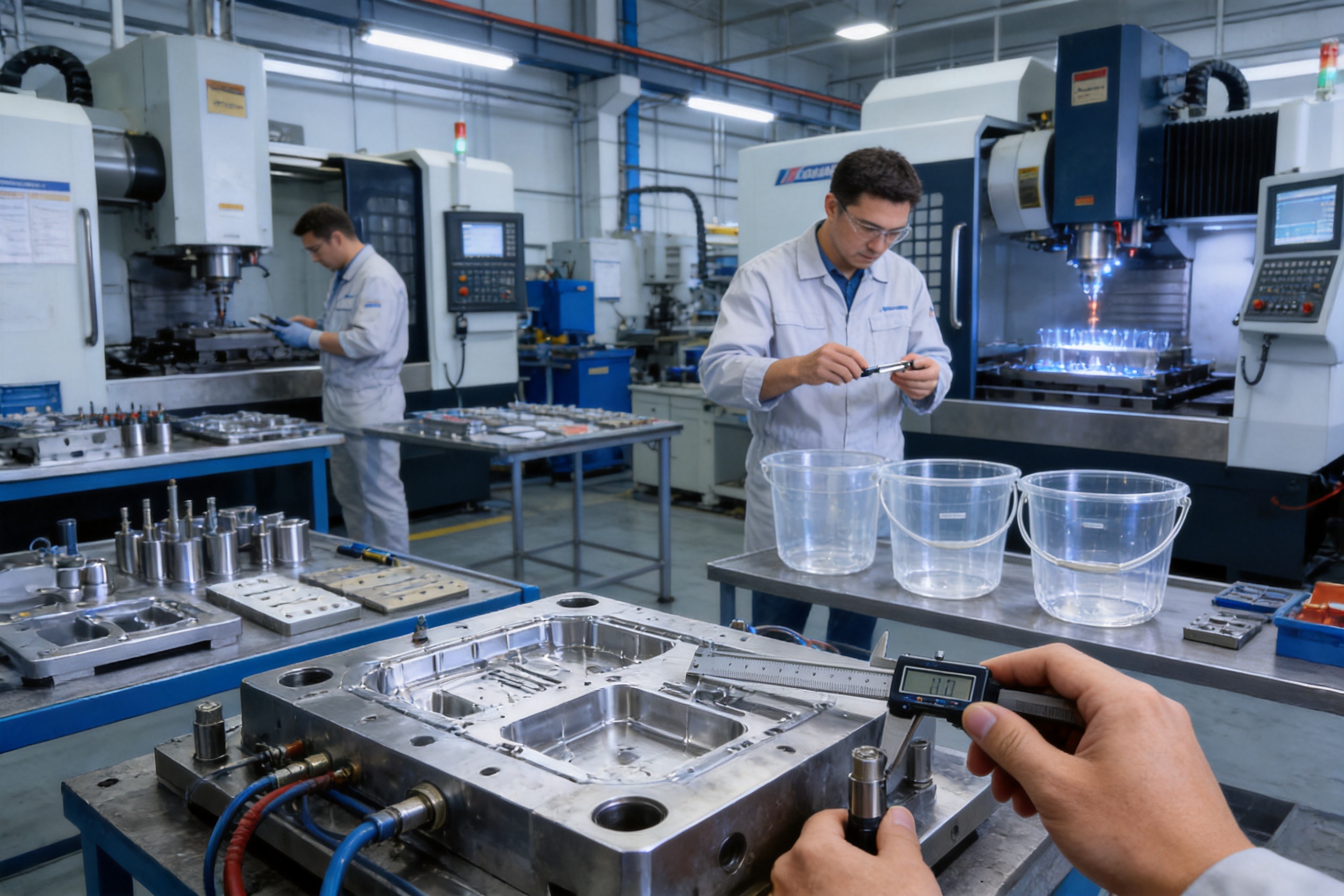
Q&A: Frequently Asked Questions About the PET Mold
What is CHENGHUI PET Mold 009?
CHENGHUI PET Mold 009 is a customized PET mold product supplied by Zhejiang Chenghui Mould Co., Ltd. It is intended for customers developing PET storage, household, packaging-related, or other suitable plastic products. The exact mold structure and specifications depend on the customer’s product design and production requirements.
Is the mold suitable for OEM and ODM projects?
Yes. The company provides OEM and ODM mold-development services. Customers can submit drawings, three-dimensional files, product samples, or concepts for engineering review. The mold is then developed according to the approved product, material, machine, and production requirements.
Can the mold be used for products other than storage items?
Potentially, yes, provided the product material and molding process are suitable. Chenghui Mould has experience with household and industrial products such as boxes, baskets, buckets, turnover products, furniture components, racks, and trash cans. The product application should be reviewed technically before the mold is ordered.
Does the supplier provide mold testing?
According to the provided company information, Chenghui Mould operates professional injection molding machines for mold testing. Trial molding can be used to evaluate filling, ejection, dimensions, appearance, cooling, and other production characteristics before delivery.
Can the mold be designed for a specific injection molding machine?
Yes. Customers should provide the machine model or key machine parameters during the design stage. Mold dimensions, opening requirements, ejection arrangements, injection capacity, and other factors can then be reviewed against the selected equipment.
What product information should be supplied for a quotation?
Useful information includes product drawings or three-dimensional files, material type, dimensions, target weight, surface requirements, annual volume, preferred cavity count, machine information, delivery expectations, and any special performance or regulatory requirements. More complete information normally leads to a more accurate quotation and technical proposal.
Does the product have fixed cavity and size specifications?
The supplied information does not define one universal cavity count, mold size, steel grade, or cycle time for PET Mold 009. These specifications should be confirmed according to the customer’s product and production plan. A customized approach allows the mold to be matched to the actual project rather than forcing every customer into the same configuration.
How does the supplier compete with lower-priced mold workshops?
The main points of differentiation are integrated engineering and production support, experience with household and industrial products, a workshop with 104 advanced processing machines, injection molding equipment for mold testing, reported annual capacity above 1,500 mold sets, and after-sales assistance. Buyers should compare total production risk and long-term support rather than initial price alone.
How can mold life be maintained after delivery?
Regular cleaning, corrosion protection, lubrication, inspection of guide components and ejectors, correct water-line maintenance, and proper storage can help preserve mold performance. The customer should also follow the supplier’s recommendations for installation, operating conditions, maintenance intervals, and replacement parts.
Does Chenghui Mould serve overseas customers?
Yes. The company states that it exports to the Middle East, Europe, America, Africa, Southeast Asia, and other regions. Overseas customers should confirm shipping arrangements, documentation, installation support, communication procedures, and after-sales service requirements before finalizing the order.
Where is the company located?
Zhejiang Chenghui Mould Co., Ltd. is located in Nanshan Industrial Zone, Luoyang Street, Luqiao District, Taizhou City, Zhejiang Province, China. Customers can contact the company through its sales and management channels for technical quotations and project discussions.
How can customers request more information?
Customers can contact the company by email or telephone and provide their product files and requirements. The listed email is ceo@tzchmould.com. The company’s provided telephone contacts include +86-19560088687, +86-18067707777, and +86-576-82415959.
Why an Integrated Mold Partner Matters
The most important lesson in PET mold purchasing is that mold quality is connected to the entire development process. A good tool begins with a manufacturable product design, continues through controlled machining and fitting, and is verified through practical trial molding. It is then supported by clear documentation, maintenance guidance, and responsive technical communication.
CHENGHUI PET Mold 009 is positioned as a solution for customers that require more than a basic mold cavity. Its strengths include customization, experience in daily-use plastic products, integrated workshop resources, precision manufacturing, professional testing equipment, broad production capacity, and international service experience. These capabilities can be valuable for manufacturers, brand owners, wholesalers, and distributors seeking reliable OEM or ODM tooling from China.
The product should be evaluated according to the specific part rather than by general claims. Customers should provide complete drawings, material details, machine information, and quality expectations. The supplier can then recommend a suitable mold structure, processing plan, trial procedure, and maintenance strategy. This collaborative process gives the customer a stronger basis for controlling quality, cost, delivery, and long-term production performance.
For companies developing PET storage products, household articles, logistics items, or related molded products, the right mold partner can improve the entire supply chain. By combining engineering knowledge with precision manufacturing and testing, a customized PET mold can help transform a product concept into stable, repeatable, and commercially viable production.
Conclusion
CHENGHUI PET Mold 009 offers a practical path for customers seeking customized PET tooling supported by an experienced Chinese mold manufacturer. Its competitive value comes from the combination of product-focused design, manufacturing resources, trial-molding capability, quality management, and after-sales service. The company’s more than 30 years of experience and reported annual production capacity of over 1,500 mold sets provide a foundation for serving both individual tooling projects and broader product-development programs.
Compared with a basic low-cost mold source, an integrated supplier can provide greater support across design, machining, assembly, testing, inspection, and delivery. This support may reduce technical uncertainty and improve production readiness. The final result still depends on the product design, material, machine, mold configuration, and agreed acceptance criteria, but a structured manufacturing process provides the best environment for achieving dependable performance.
For OEM, ODM, household-product, industrial, and logistics applications, the next step is to submit the product information for technical review. With the correct project data, CHENGHUI PET Mold 009 can be developed as a mold solution aligned with the customer’s product geometry, production volume, quality objectives, and long-term commercial needs.
References
1. Zhejiang Chenghui Mould Co., Ltd. Company information and product-development materials supplied for this article.
2. Plastics Technology Handbook, fundamentals of injection molding, mold design, cooling, gating, venting, and ejection.
3. Injection Molding Handbook, principles of polymer processing, mold construction, dimensional control, and production troubleshooting.
4. Society of Plastics Engineers technical literature on polyethylene terephthalate processing and plastic-product design.
5. General industrial guidance on mold maintenance, corrosion prevention, inspection, and production-tool management.