
 Français
 Español
 عربى
Plastic storage racks have become an essential part of modern organization systems. They are used in homes, warehouses, workshops, retail facilities, offices, laundry rooms, distribution centers, and manufacturing plants. A well-designed rack can transform unused vertical space into practical storage capacity while keeping products visible, accessible, and protected. For buyers, however, choosing the right plastic storage rack involves more than comparing appearance or purchase price. Material quality, structural design, mold precision, manufacturing consistency, load performance, cleaning convenience, and customization capability all have a direct influence on long-term value.
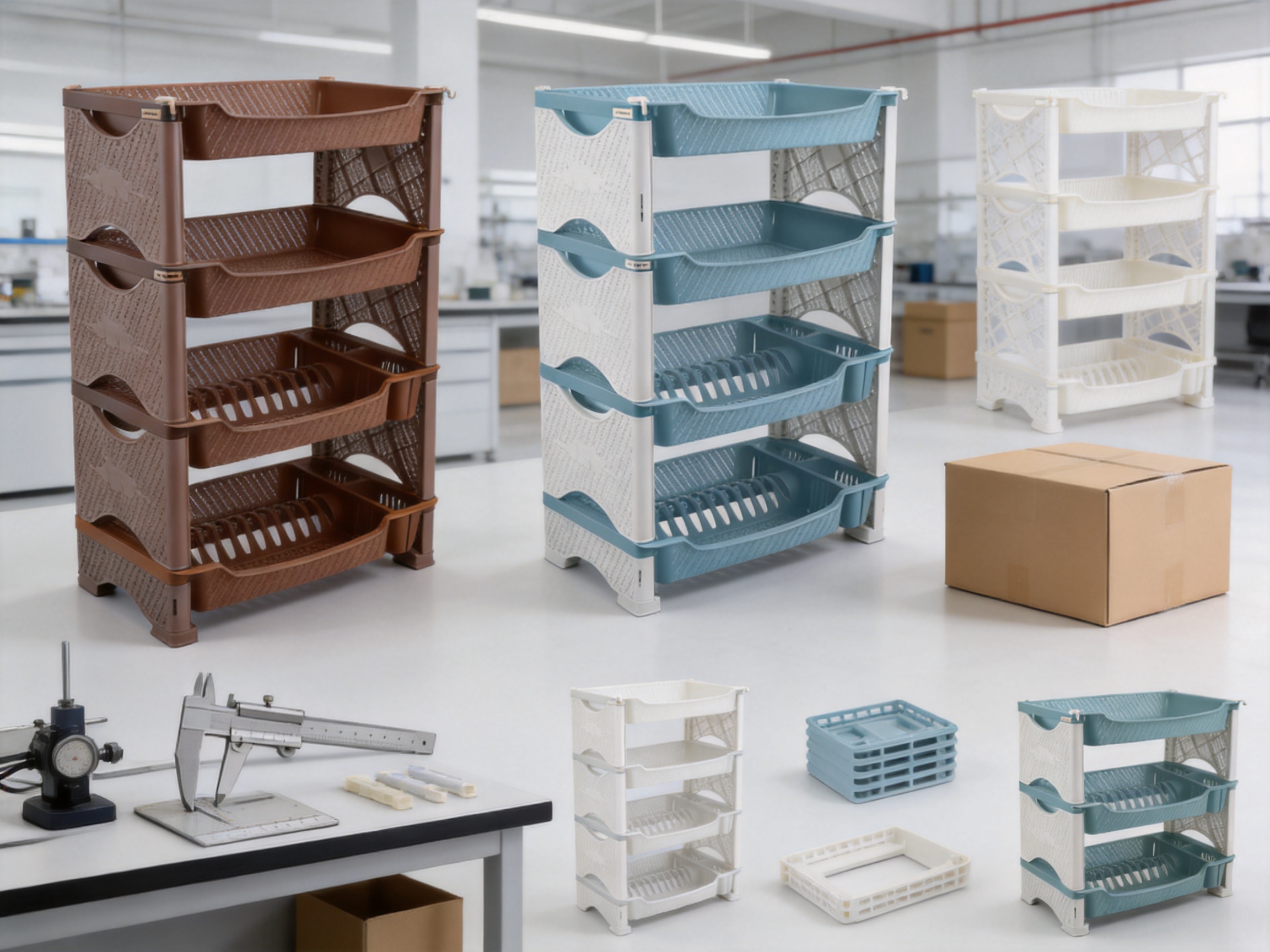
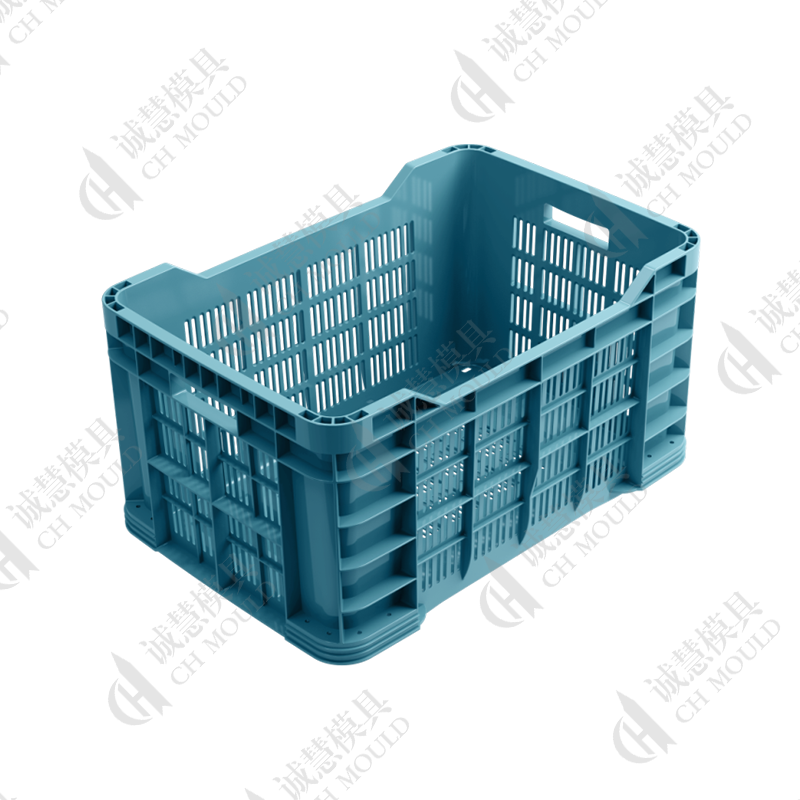
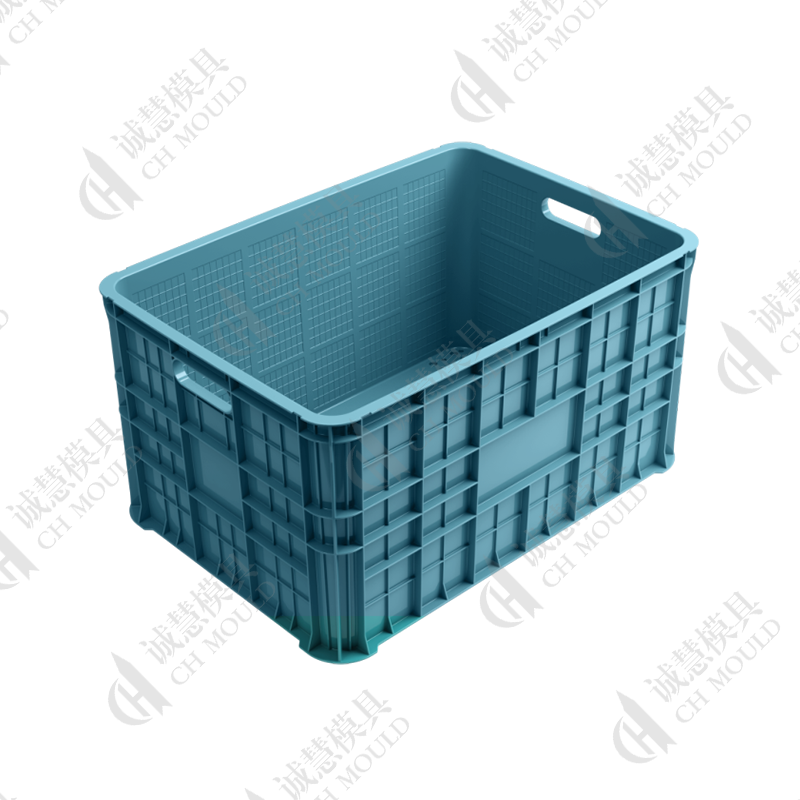
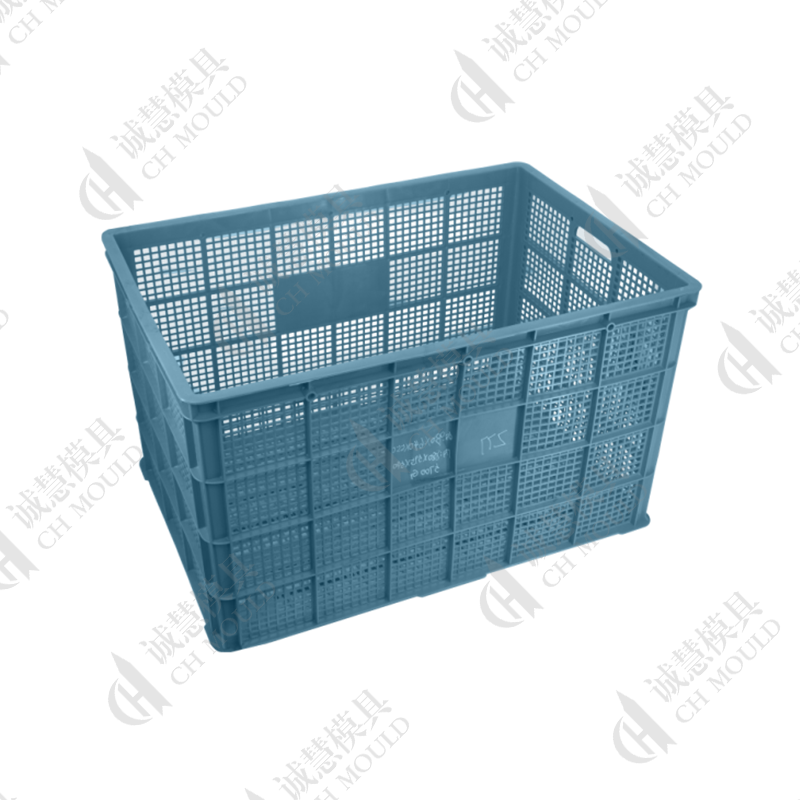
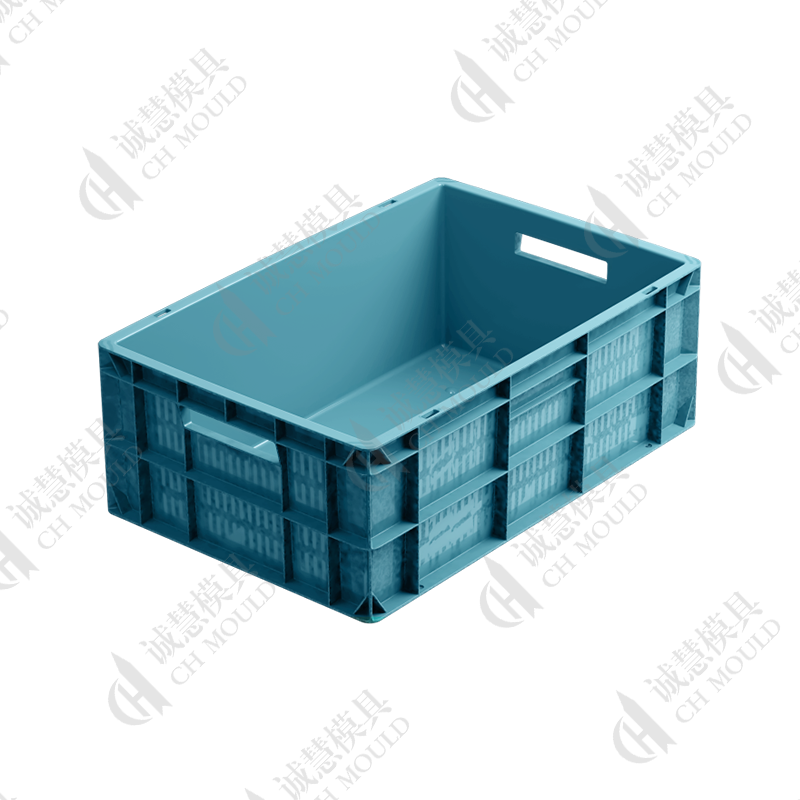
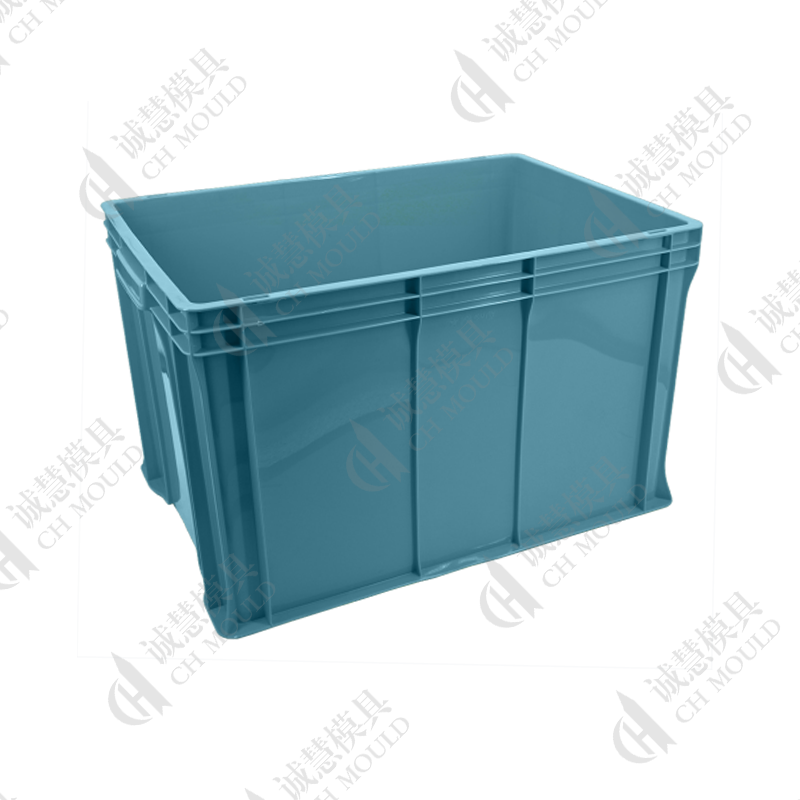
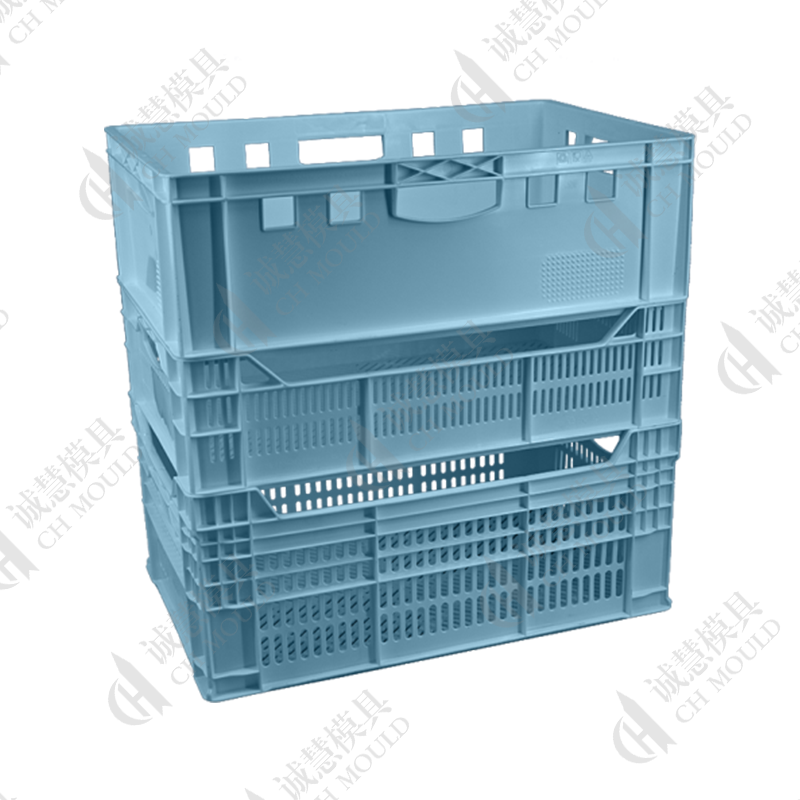
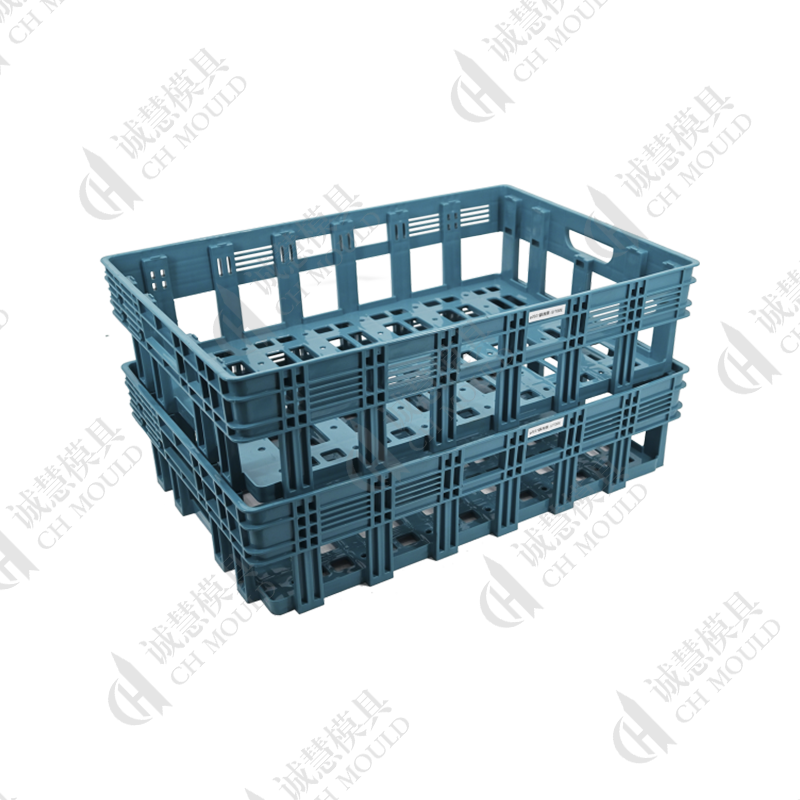
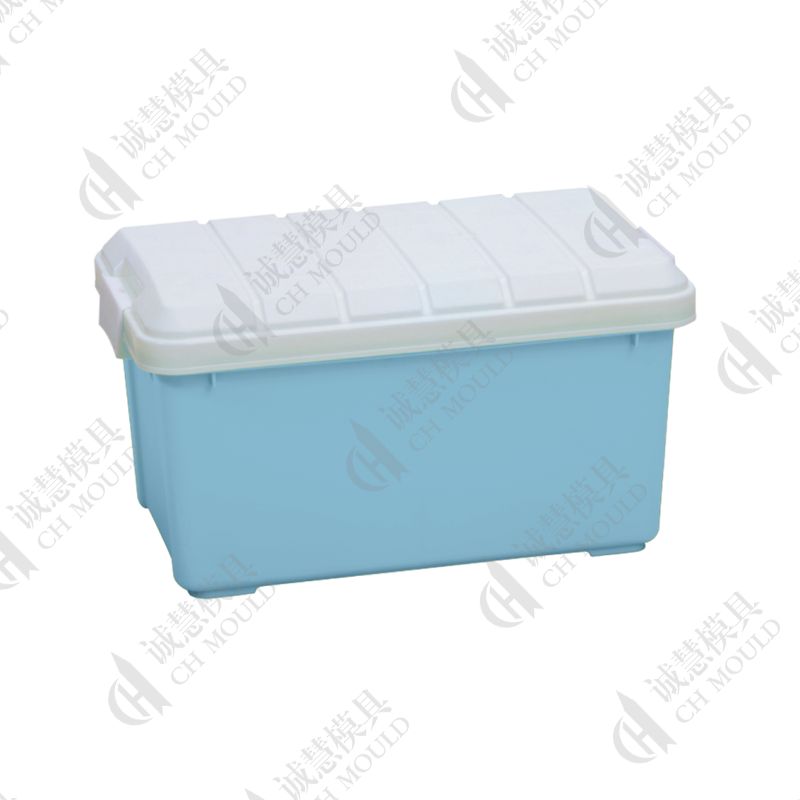
The CHENGHUI Plastic Storage Rack is developed for customers seeking a dependable plastic storage solution supported by professional injection mold manufacturing. It combines functional storage design with the advantages of precision plastic production. The product is suitable for household organization and industrial logistics applications, including storage of containers, supplies, tools, packaged goods, household articles, and frequently handled items. Its manufacturing background allows buyers to request practical design adjustments for different markets, spaces, packaging requirements, and application conditions.
Behind the finished rack is a complete mold development process. Zhejiang Chenghui Mould Co., Ltd., also known as Chenghui Mould or CH Mould, has specialized in injection molds for daily necessities and industrial products since 1994. With more than 30 years of experience, the company supports the development of storage racks, storage boxes, turnover boxes, laundry baskets, trash cans, tables, chairs, furniture components, and other molded products. This product knowledge is important because a storage rack must be designed not only to look attractive, but also to function reliably during repeated use.
This article examines the design value, manufacturing advantages, customization possibilities, quality controls, and application benefits of plastic storage racks. It also explains why mold engineering is one of the most important factors separating a durable storage product from a low-cost alternative with inconsistent dimensions or limited service life.
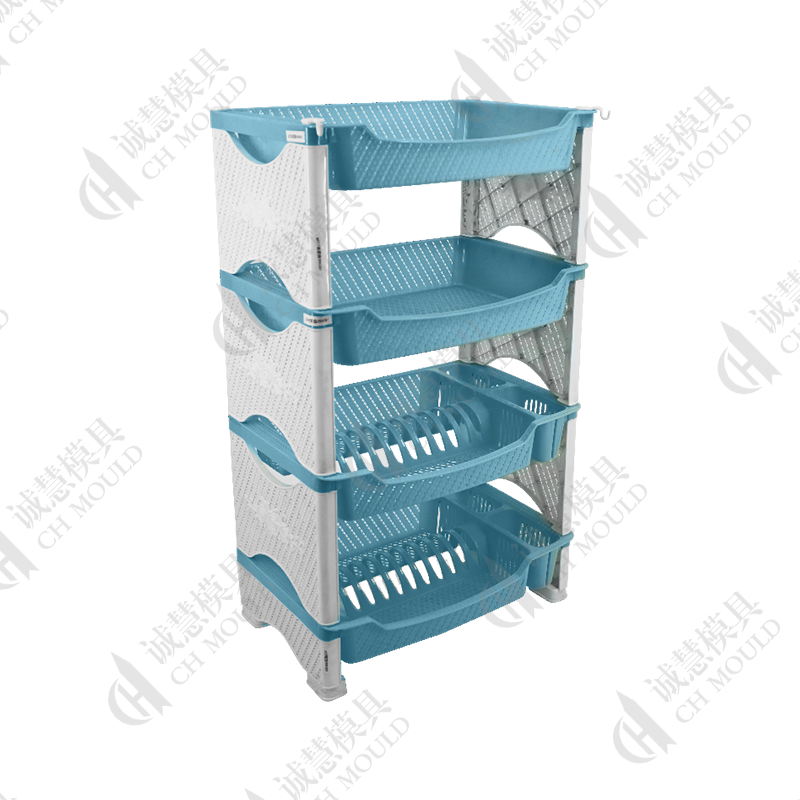
CHENGHUI Plastic Storage Rack
Understanding the Plastic Storage Rack Product
A plastic storage rack is a modular or standalone organization product produced primarily through plastic injection molding. Depending on the design, it may include shelves, side supports, connecting structures, reinforcing ribs, feet, handles, clips, or interlocking features. The rack can be used independently or integrated into a larger storage system. Some versions are designed for light household organization, while others are developed for more demanding industrial and logistics environments.
The CHENGHUI Plastic Storage Rack belongs to the product category of plastic storage racks and is positioned for both houseware and industrial logistics use. This broad application range requires a balanced design. Household users generally value appearance, easy cleaning, compactness, and simple assembly. Commercial and industrial users often prioritize stability, repeatable dimensions, efficient packing, durability, and compatibility with daily handling operations. A successful rack design must address these requirements without creating unnecessary complexity.
Injection molding is particularly suitable for this type of product because it can produce repeatable shapes in large quantities. Once a well-engineered mold is completed, each molded component can be manufactured with consistent dimensions. This consistency supports smoother assembly, predictable product performance, and more efficient packaging. It also allows manufacturers to reproduce the same product for different production batches and markets.
Plastic construction offers several practical benefits. It is generally lighter than metal, which can simplify transportation, relocation, and installation. Plastic surfaces can be designed with smooth areas that are easy to wipe and maintain. The material also allows designers to create rounded corners, integrated supports, decorative textures, and functional details without the need for numerous secondary operations. With suitable material selection and structural design, a plastic rack can provide a useful balance between weight, cost, appearance, and performance.
Functional Advantages for Household Use
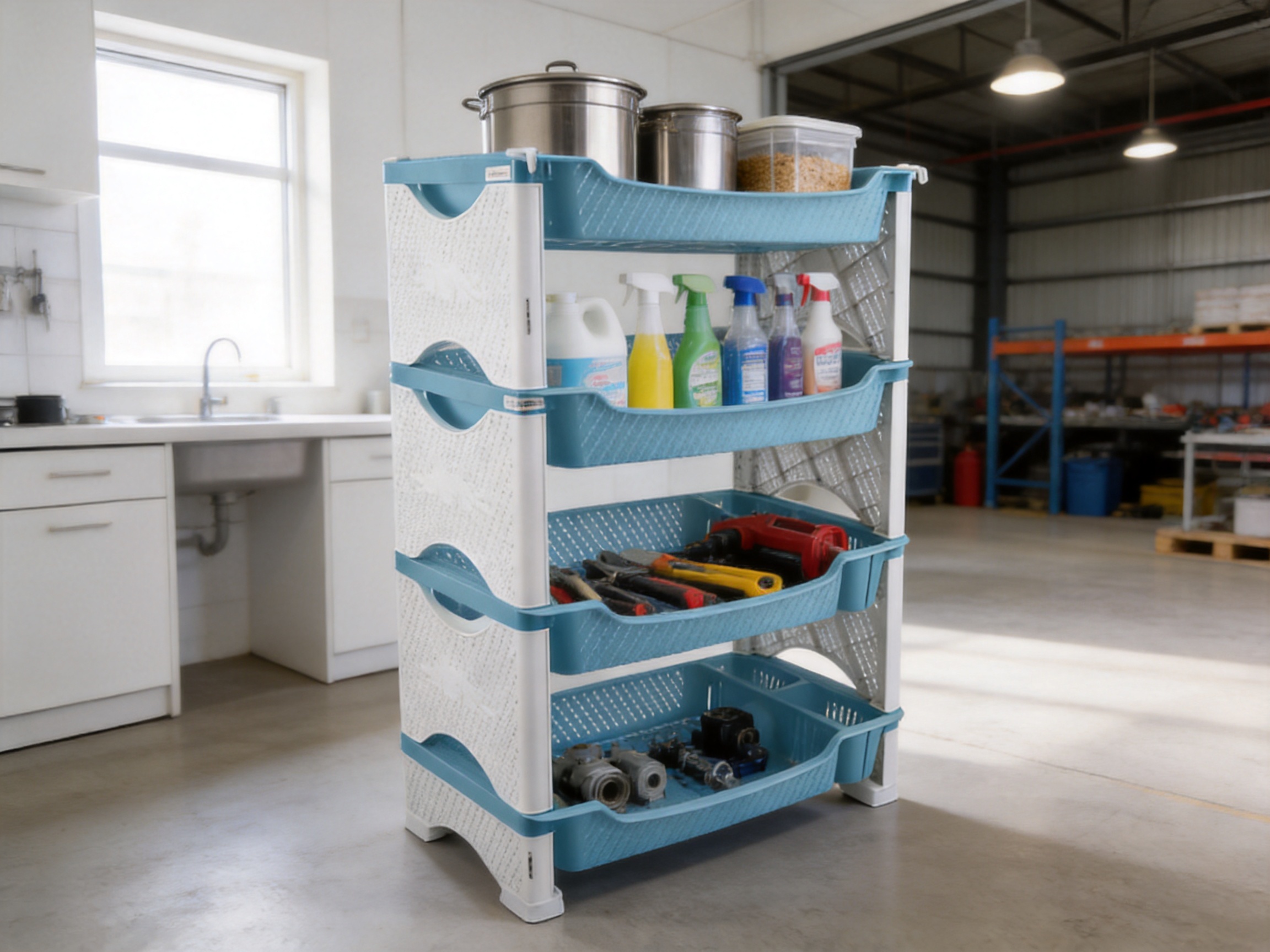
In residential environments, storage problems often result from limited floor space and a lack of flexible organization. A rack provides a dedicated place for frequently used items while making better use of vertical space. It can be placed in kitchens, bathrooms, bedrooms, utility rooms, garages, balconies, entryways, and home offices. The same basic product can serve different purposes depending on shelf configuration, color, size, and accessories.
For kitchen use, a plastic rack may organize containers, packaged food, cleaning supplies, utensils, or small appliances. In a bathroom, it can hold toiletries, towels, personal care products, and cleaning materials. In a laundry area, the rack can support detergents, brushes, cloths, and related supplies. In a garage or hobby space, it can help separate tools, spare parts, craft materials, or gardening items.
Plastic is well suited to areas where occasional moisture, splashes, or frequent cleaning are expected. A smooth and properly finished surface can reduce the accumulation of dirt and make routine maintenance easier. Rounded edges can also improve handling comfort and reduce the risk of sharp corners damaging nearby objects. These details may appear simple, but they make a noticeable difference when the rack is used every day.
Another household advantage is visual flexibility. Plastic components can be produced in different colors and surface finishes. Buyers may choose neutral tones for a minimalist home, brighter colors for children’s rooms, or coordinated colors for retail and hospitality environments. Color variation can be achieved through the molding material or production process, giving brands more opportunities to create a recognizable product range.
When compared with improvised storage solutions, a purpose-designed rack offers better organization and a more consistent appearance. Boxes placed directly on the floor may be difficult to access, while loosely stacked items can become unstable. A rack separates products into visible levels and can help users locate items more quickly. For families, this can reduce clutter. For commercial users, it can improve workplace order and reduce unnecessary handling time.
Benefits for Industrial and Logistics Applications
Industrial and logistics environments place different demands on storage products. A rack may be exposed to frequent loading and unloading, repeated movement, dust, vibration, and changing temperatures. It may be used in a warehouse, packaging area, workshop, retail back room, service center, or distribution facility. Under these conditions, design consistency and structural reliability are essential.
A plastic storage rack can support organized handling of small components, maintenance supplies, packaging materials, tools, consumables, and finished products. Its visible shelves make stock identification easier, while its modular layout can help separate items by type, size, or production stage. Clear organization may contribute to faster picking and replenishment, especially in facilities that handle a large number of small products.
Plastic racks can also reduce the risk of corrosion that may affect certain metal storage products in humid or chemically exposed areas. The exact resistance of a rack depends on the selected resin and the operating environment, so buyers should confirm material suitability before placing an order. Nevertheless, plastic is often selected when a lightweight, cleanable, and corrosion-resistant storage solution is preferred.
In logistics operations, empty racks and components may need to be transported or stored before use. A design that supports nesting, stacking, or efficient disassembly can reduce shipping volume and warehouse space requirements. These features must be considered during the early mold design stage. If a product is intended for export, packaging and container utilization should be evaluated together with product dimensions.
For distributors and wholesalers, a storage rack must also offer broad market appeal. Products that can serve several applications are easier to present to retailers, hardware stores, home goods suppliers, and industrial customers. A reliable product family can include different sizes, shelf arrangements, colors, or accessory options while maintaining a common design language. This allows buyers to build a product range without developing an entirely new solution for every variation.
Why Mold Engineering Determines Product Quality
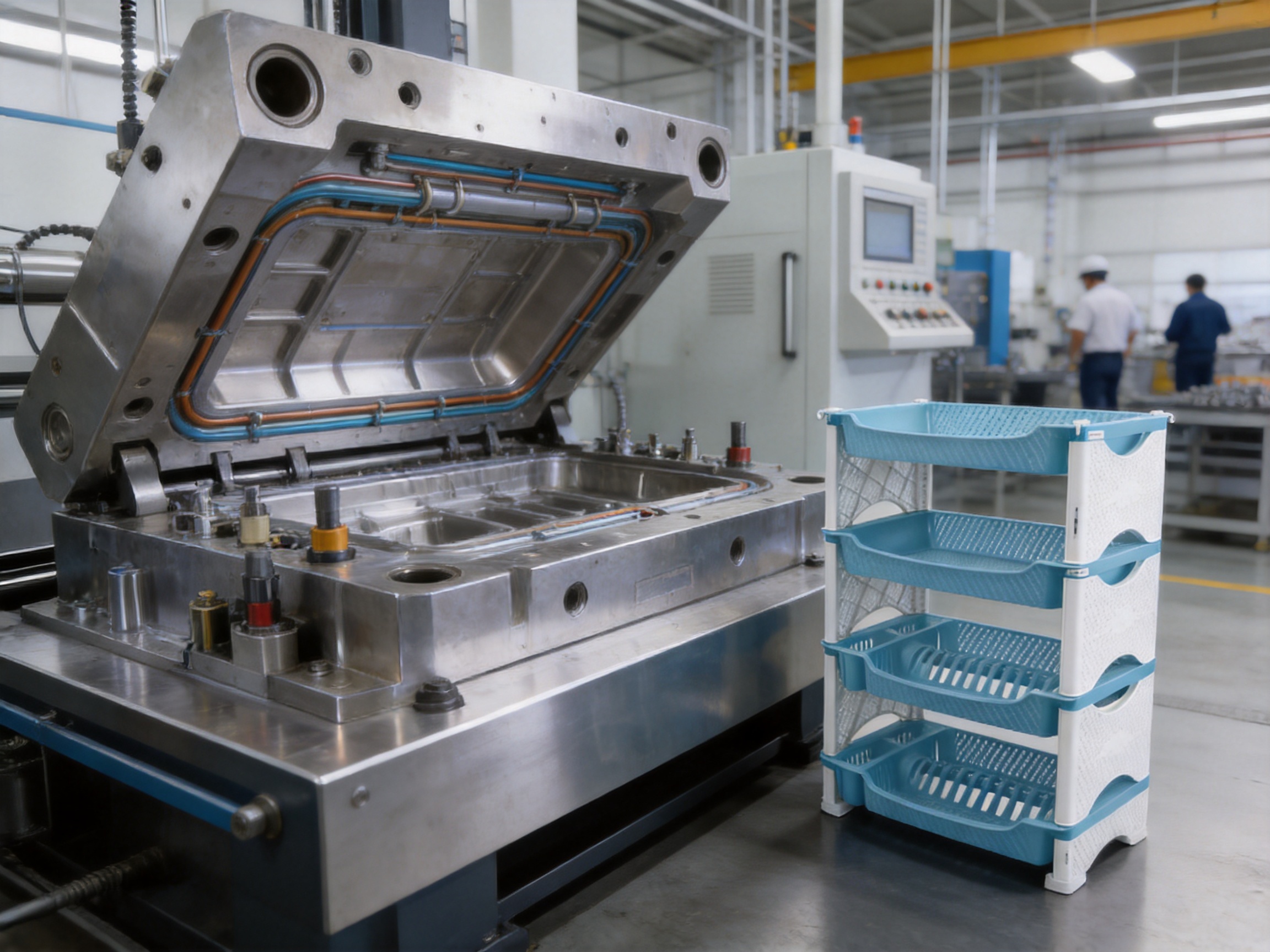
The quality of an injection-molded storage rack begins long before the plastic enters the molding machine. It starts with product analysis, three-dimensional design, material evaluation, mold-flow considerations, cooling planning, parting-line selection, ejection design, and machining accuracy. A product may appear simple, but large or thin-walled components can present significant engineering challenges.
A storage rack component must often balance relatively low weight with sufficient rigidity. If walls are too thin, the product may deform or feel weak. If walls are unnecessarily thick, material consumption, cooling time, and production cost may increase. Ribs and reinforcing features can improve strength without adding excessive material, but they must be positioned carefully to avoid sink marks, warping, or difficult mold release.
Dimensional accuracy is also important. Connecting parts, shelf supports, clips, and assembly points must fit consistently. If the mold produces excessive variation, operators may experience difficult assembly, uneven alignment, loose joints, or visible gaps. Precision machining and proper mold construction help maintain repeatable dimensions throughout production.
The parting line must be planned to minimize visible marks and simplify ejection. Ejector pins should be positioned in areas that can tolerate their marks while providing balanced release force. Gates and runners must deliver molten plastic effectively to the cavity. Cooling channels should be arranged to support consistent temperature control, particularly in large surfaces where uneven cooling can cause deformation.
For a rack with multiple components, mold coordination is equally important. Individual parts may be produced in separate molds, but they must work together as a complete product. Their dimensions, connection methods, and visual appearance need to be considered as a system. This is one reason an experienced mold manufacturer can add value beyond basic component machining.
Advanced Manufacturing Capabilities
Chenghui Mould operates its own production workshop and has 104 advanced processing machines, supported by professional injection molding machines used for mold testing. This equipment base enables the company to manage important stages of tooling development internally. In-house production can improve communication between design, machining, assembly, trial molding, and inspection teams.
When a mold manufacturer relies heavily on outside processing, changes may take longer to coordinate and responsibility can become fragmented. An integrated workshop makes it easier to review machining results, correct details, compare trial samples, and implement improvements. For customers, this can support more efficient project communication and better control over the final tooling result.
The company’s stated annual production capacity exceeds 1,500 mold sets. This capacity reflects experience in handling a broad variety of injection mold projects. Although each storage rack project has its own specifications, exposure to related products such as boxes, baskets, bins, furniture, and household articles helps the engineering team understand common design risks and production requirements.
Modern mold manufacturing typically involves several connected processes. These may include product design review, mold design, material preparation, computer-controlled machining, electrical discharge machining where required, polishing, fitting, mold assembly, trial molding, measurement, and final approval. Each stage contributes to the performance of the finished tool.
Computer-controlled equipment can machine complex surfaces and maintain accurate dimensions. Precision inspection can verify critical areas before the mold is released for production. Skilled mold fitters then assemble and adjust components so that moving parts, inserts, slides, and ejector systems operate smoothly. Mold trials provide an opportunity to identify filling problems, flash, short shots, warpage, ejection marks, or assembly issues before mass production begins.
These manufacturing capabilities are especially valuable for products with broad surfaces, repeated connecting features, or visible cosmetic areas. The goal is not simply to produce a mold that can form a plastic part once. The goal is to build tooling that can support stable production over many cycles while maintaining the required appearance and dimensions.
Product Development from Concept to Mass Production
A professional storage rack project usually begins with a concept, sketch, sample, or three-dimensional drawing. At this stage, the manufacturer reviews the intended application, target users, approximate dimensions, assembly method, expected production volume, packaging requirements, and market positioning. Early communication helps identify potential problems before they become expensive tooling modifications.
The next step is product design refinement. Engineers evaluate wall thickness, draft angles, ribs, corners, connection points, and ejection areas. They may recommend changes that improve moldability or reduce production risk. For example, a small adjustment to a rib, boss, or corner radius can improve filling, reduce stress concentration, and make the part easier to release from the mold.
After the product design is confirmed, the mold structure is developed. The design team determines the number of cavities, mold base arrangement, cooling layout, gate location, runner system, ejection method, and any required slides or inserts. The correct solution depends on product size, material, annual demand, cycle time, machine capability, and customer budget.
Machining and assembly follow the approved design. During these stages, precision is important because even small deviations can influence part fit or surface appearance. Once the mold is assembled, it is installed on an injection molding machine for trial production. Trial samples are inspected for filling, dimensions, warpage, surface quality, and assembly performance.
If adjustments are needed, the mold can be modified before final acceptance. This may involve polishing, correcting an insert, adjusting an ejection component, improving venting, changing process conditions, or making a controlled design revision. A systematic trial process helps prevent unresolved issues from reaching large-scale production.
After approval, the mold is ready for production at the customer’s facility or at an agreed injection molding location. The customer can then produce storage rack components in the selected material and color. Continued technical support may also be provided for mold maintenance, production troubleshooting, and future modifications.
| Development Stage | Primary Focus | Customer Value |
|---|---|---|
| Concept review | Application, dimensions, users, and production goals | Clear project direction and early risk identification |
| Product design | Wall thickness, ribs, draft, connections, and appearance | Improved moldability and functional performance |
| Mold design | Cavities, cooling, gates, ejection, and tooling structure | Efficient and repeatable production planning |
| Precision machining | Manufacture of mold plates, inserts, and components | Accurate dimensions and reliable mold operation |
| Assembly and fitting | Alignment, movement, polishing, and component matching | Smoother operation and better part quality |
| Trial molding | Sample production, inspection, and correction | Verification before mass production |
| Final delivery | Approval, documentation, and after-sales support | Confidence in long-term tooling use |
Advantages over Basic or Low-Quality Alternatives
Low-cost storage racks can be attractive because of their initial price, but a low purchase price does not always represent the lowest total cost. Products made with poorly designed molds may have uneven walls, visible warpage, unstable connections, rough edges, or inconsistent dimensions. These problems can lead to returns, customer complaints, assembly delays, and shorter product life.
A professionally developed rack offers better control over the factors that influence daily use. A well-designed structure can distribute loads more effectively. Properly formed supports can reduce wobbling. Consistent connecting features can make assembly more predictable. Controlled surfaces can improve appearance and simplify cleaning. The result is a product that is more suitable for repeat sales and long-term customer satisfaction.
Another competitive advantage is customization. Commodity storage products are often limited to fixed sizes and generic colors. A custom mold project allows a buyer to adapt dimensions, shelf layout, logo placement, surface texture, color, connection style, and packaging format. Customization is particularly valuable for wholesalers and distributors that want a product suited to a specific retail channel or regional market.
Professional tooling can also improve production efficiency. A mold with appropriate cooling, balanced filling, and reliable ejection can support stable cycle times and reduce waste. While tooling investment may be higher than purchasing an off-the-shelf product, efficient mass production can improve unit economics over time. Buyers should evaluate total project value rather than comparing tooling cost alone.
Quality consistency is another major distinction. When a product is manufactured from a controlled mold, each production batch can follow the same basic geometry. This helps distributors maintain a consistent product catalog and reduces variation between shipments. Consistency is important when racks are sold as sets or combined with other modules.
Finally, a professional mold supplier can provide technical support throughout the project. This support may include design-for-manufacturing advice, sample evaluation, mold modification, maintenance guidance, and after-sales communication. Such support reduces the technical burden on buyers that do not maintain their own mold engineering department.
Material and Structural Considerations
The correct plastic material depends on the product’s intended use. Buyers should consider load requirements, impact exposure, temperature range, cleaning conditions, chemical contact, surface appearance, and target cost. Common engineering decisions include whether the product requires greater rigidity, improved impact resistance, lower weight, or enhanced surface quality.
Material selection should be made together with structural design. A strong resin cannot compensate for an unsuitable geometry, and a well-designed structure may not perform properly if the material is poorly matched to the application. Engineers may evaluate the relationship between wall thickness, ribs, support spacing, corner radii, and expected loading conditions.
For household racks, appearance and touch quality may be especially important. Smooth surfaces, carefully designed corners, and stable colors can influence purchase decisions. For industrial racks, dimensional stability, handling strength, and ease of cleaning may receive greater attention. Some buyers may require a balance between both groups of requirements.
Reinforcing ribs are commonly used to improve stiffness without making the entire wall excessively thick. However, ribs should be designed with suitable proportions and transitions. Poorly designed ribs can create sink marks or stress concentrations. Draft angles should also be included so that the part can be removed from the mold without damage.
Color and surface texture can be incorporated into the product strategy. A matte texture may hide minor handling marks, while a smoother finish may support a clean and modern appearance. The final choice should consider the product’s retail position, cleaning needs, and manufacturing process. If a logo or identifying mark is required, it should be planned during mold design rather than added as an afterthought.
Because actual requirements vary, buyers should provide the manufacturer with as much information as possible. Useful information includes drawings, reference samples, approximate dimensions, expected load, annual quantity, preferred material, color requirements, target market, packaging method, and any relevant compliance expectations. More complete information allows the mold supplier to make better recommendations.
Quality Management and Testing
Quality management covers more than the final visual inspection of a plastic rack. It begins with reviewing drawings and continues through material preparation, machining, mold assembly, trial molding, sample approval, and production support. A controlled process helps identify problems at the stage where they are easiest and least expensive to correct.
During mold production, critical dimensions should be monitored according to the product design. Mold components must fit accurately, and moving mechanisms should be checked for smooth operation. Cooling channels, ejector systems, slides, and inserts should be examined before the mold enters trial production. Proper fitting can reduce the risk of premature wear and production interruptions.
Trial molding provides practical information that cannot always be confirmed through drawings alone. Engineers can observe filling behavior, weld lines, air traps, flash, shrinkage, ejection marks, warpage, and surface appearance. Sample parts can then be measured and assembled to confirm whether the rack performs as intended.
For a storage rack, inspection may include checking shelf alignment, support engagement, connection strength, balance, surface condition, and dimensional repeatability. If the product is designed to be stacked, nested, or combined with additional parts, those functions should also be tested. The exact test method depends on the customer’s specifications and application requirements.
Quality control is also important for export projects. Products shipped to different regions may be subject to customer-specific packaging, labeling, documentation, or material requirements. A professional supplier can help coordinate these details during the development process. Clear approval procedures reduce misunderstandings between the mold factory, injection molding facility, distributor, and end customer.
Customization for OEM and ODM Projects
OEM and ODM services give buyers more control over product development. Under an OEM arrangement, the manufacturer produces tooling and components according to the buyer’s design or specifications. Under an ODM arrangement, the manufacturer may contribute more actively to the product concept, engineering, and development process. Chenghui Mould provides customized mold design and manufacturing services covering concept development, drawing review, sample creation, machining, assembly, mold trials, inspection, and after-sales support.
For a plastic storage rack, customization may involve overall dimensions, shelf spacing, number of levels, support style, assembly method, handle design, feet, color, logo, texture, or packaging. A distributor may request a compact version for apartments, while an industrial customer may need a larger format with reinforced supports. A retailer may prefer a specific color family or packaging presentation.
Customization should be controlled carefully because every change can affect tooling complexity, production cost, cycle time, packaging, and assembly. The most successful projects establish priorities early. Buyers should identify which features are essential, which are preferred, and which can be adjusted if they create unnecessary technical difficulty.
A custom product can offer stronger market differentiation than a generic rack. It may be designed around a specific consumer need, storage area, sales channel, or brand identity. When supported by a reliable mold, the customized product can be reproduced consistently for future orders. This helps distributors develop a recognizable and defensible product range.
Packaging, Logistics, and Commercial Value
Storage racks are often sold through retail, wholesale, e-commerce, hardware, home goods, and industrial supply channels. Their packaging must protect the product while controlling shipping volume. A design that can be nested, stacked, or shipped in separated components may offer logistical advantages, but these features must be evaluated during product development.
Packaging should prevent scratches, deformation, and movement during transportation. It should also provide sufficient information for distributors and end users. Depending on the market, packaging may include assembly instructions, product dimensions, material information, barcode labels, color identification, and handling guidance.
For wholesalers, an efficient product can reduce warehousing complexity. If several rack sizes share compatible components or packaging logic, inventory management may become easier. A modular family can also support cross-selling, allowing customers to purchase additional units or related storage products as their needs grow.
For retailers, appearance and shelf presentation influence sales. A rack that looks clean, stable, and well finished is more likely to attract attention. For industrial buyers, clear specifications and repeatable supply may be more important than decorative packaging. The supplier should therefore adapt the development approach to the buyer’s commercial channel.
The international reach of Chenghui Mould includes the Middle East, Europe, America, Africa, Southeast Asia, and other regions. Experience with overseas customers can help support communication across different project requirements and market expectations. Buyers should still confirm their own import, labeling, testing, and compliance obligations before ordering.
Maintenance and Long-Term Mold Value
An injection mold is a production asset, not merely a one-time project expense. Proper maintenance can extend tooling life, protect product quality, and reduce unexpected downtime. Routine care may include cleaning, lubrication, inspection of wear components, checking cooling passages, removing residue, and protecting mold surfaces during storage.
The maintenance schedule depends on mold structure, production volume, material, cycle conditions, and operating environment. High-volume production may require more frequent inspection of ejector systems, slides, inserts, and sealing surfaces. Any unusual flash, sticking, dimensional change, or surface defect should be investigated promptly.
Good mold documentation supports future maintenance. Drawings, component lists, trial records, inspection information, and modification history can help technicians understand the tooling and respond more efficiently to problems. A supplier that remains available after delivery can provide additional value throughout the mold’s working life.
For buyers planning several product variants, a well-designed base concept may support future modifications. For example, interchangeable inserts may allow selected details to be changed without rebuilding the entire mold. The feasibility of this approach depends on the product structure and should be considered during the original mold design.
How Buyers Can Select the Right Storage Rack Solution
Before requesting a quotation, buyers should define how the rack will be used. Important questions include the expected load, indoor or outdoor environment, exposure to moisture, frequency of movement, cleaning method, assembly requirements, storage dimensions, and target customer. These answers help the manufacturer recommend a suitable structure and material.
Buyers should also clarify whether they need an existing product, a modified design, or a completely new mold. An existing design may reduce development time, while a new mold can provide stronger differentiation. If the product will be sold in large quantities, a custom solution may produce better long-term value than repeatedly purchasing a generic item.
Technical documents should be reviewed carefully. Drawings should identify critical dimensions and tolerances. Samples should be evaluated for appearance, fit, handling, and stability. If load performance is important, the expected test method should be agreed upon before tooling begins.
Communication about commercial priorities is equally important. The buyer should explain target quantity, delivery expectations, preferred tooling steel or mold life requirements if applicable, packaging plans, and budget range. This allows the manufacturer to propose a practical solution rather than an unnecessarily complex design.
A reliable supplier should be able to explain the manufacturing process in clear terms. Buyers can ask about design review, mold-flow analysis if required, machining resources, trial molding, inspection procedures, correction policy, maintenance support, and production experience with similar household or industrial products.
Q&A: Plastic Storage Rack and Mold Manufacturing
What is the main purpose of a plastic storage rack?
A plastic storage rack is designed to organize goods by using vertical space. It can hold household articles, cleaning supplies, tools, small components, packaged goods, and other products. The appropriate design depends on the required load, environment, dimensions, and handling frequency.
Why is injection molding suitable for storage racks?
Injection molding can produce repeatable components in large quantities. It supports integrated features such as ribs, supports, clips, handles, rounded corners, and textured surfaces. Once the mold is properly developed, the process can provide consistent dimensions and efficient production for wholesale and industrial demand.
Can the rack be customized for a specific market?
Yes. Customization may include dimensions, shelf spacing, color, surface texture, logo details, assembly method, support structure, and packaging. Buyers should communicate their priorities early because design changes can influence tooling complexity and production cost.
What makes a professionally molded rack better than a low-cost alternative?
A professionally molded rack can offer more consistent dimensions, better assembly fit, improved surface quality, more reliable structural design, and stronger production repeatability. These advantages may reduce returns, improve user satisfaction, and support a more dependable product range.
What information should be supplied for a new mold project?
Useful information includes product drawings or samples, target dimensions, application, expected load, annual volume, preferred material, colors, packaging requirements, assembly method, target market, and any required testing or compliance information.
How does the manufacturer support the project?
Chenghui Mould provides services covering concept review, drawing development, sample creation, machining, mold assembly, trial molding, quality inspection, and after-sales support. The company’s own production workshop and equipment resources support coordination across these stages.
Can the product be used for both household and industrial purposes?
The product category supports both applications, but the final design should match the intended environment. Household versions may emphasize appearance, compactness, and cleaning convenience. Industrial versions may require greater structural reinforcement, repeatable dimensions, and compatibility with handling or storage systems.
What should be considered when choosing plastic material?
Buyers should consider rigidity, impact exposure, temperature, moisture, cleaning chemicals, surface appearance, weight, cost, and expected service conditions. Material selection should be evaluated together with wall thickness, ribs, supports, and overall product geometry.
How can a mold be kept in good condition?
Regular cleaning, lubrication, inspection, cooling-channel care, and protection during storage can help maintain mold performance. Production records and maintenance documentation should be retained. Any flash, sticking, dimensional change, or surface defect should be investigated promptly.
Does custom tooling make sense for wholesalers?
Custom tooling can be valuable when the expected sales volume is sufficient, when a distributor wants market differentiation, or when generic products do not meet specific size and performance requirements. The decision should consider tooling cost, unit price, expected demand, product life, and future variations.
Conclusion
The CHENGHUI Plastic Storage Rack represents the practical value of combining functional product design with professional injection mold manufacturing. Its potential applications extend from household organization to industrial logistics, where cleanability, visibility, space efficiency, repeatable dimensions, and dependable structure are important.
The product’s competitive value is supported by the manufacturing capabilities behind it. Chenghui Mould has more than 30 years of experience in injection mold development, operates its own workshop with 104 advanced processing machines, uses injection molding equipment for mold testing, and reports an annual production capacity of more than 1,500 mold sets. These resources support a complete development path from concept and drawing to machining, assembly, trials, inspection, and after-sales service.
For buyers, the greatest advantage is not simply obtaining a plastic rack. It is obtaining a product that can be developed, reproduced, customized, and supported according to real commercial requirements. A carefully engineered mold can improve product consistency, manufacturing efficiency, appearance, assembly, and long-term value. This makes professional mold development an important investment for wholesalers, distributors, retailers, and industrial users seeking a reliable storage solution.
As storage needs continue to expand across homes, businesses, warehouses, and production facilities, plastic racks will remain an adaptable and commercially useful product category. With thoughtful design, appropriate material selection, precise tooling, controlled trial production, and reliable technical support, a plastic storage rack can become more than a simple organizer. It can serve as a durable, scalable, and market-ready solution for modern storage challenges.
References
1. Injection Molding Handbook, technical principles of polymer processing, mold design, cooling, ejection, and production control.
2. Plastics Engineering Fundamentals, guidance on polymer selection, product structure, dimensional stability, and molded-part performance.
3. Design for Manufacturability in Plastic Injection Molding, principles of draft angles, wall thickness, ribs, bosses, parting lines, and mold release.
4. Industrial Storage and Material Handling Practices, general considerations for warehouse organization, vertical storage, product access, and logistics efficiency.
5. Product development and manufacturing information supplied for the plastic storage rack and related injection mold production services.