
 Français
 Español
 عربى
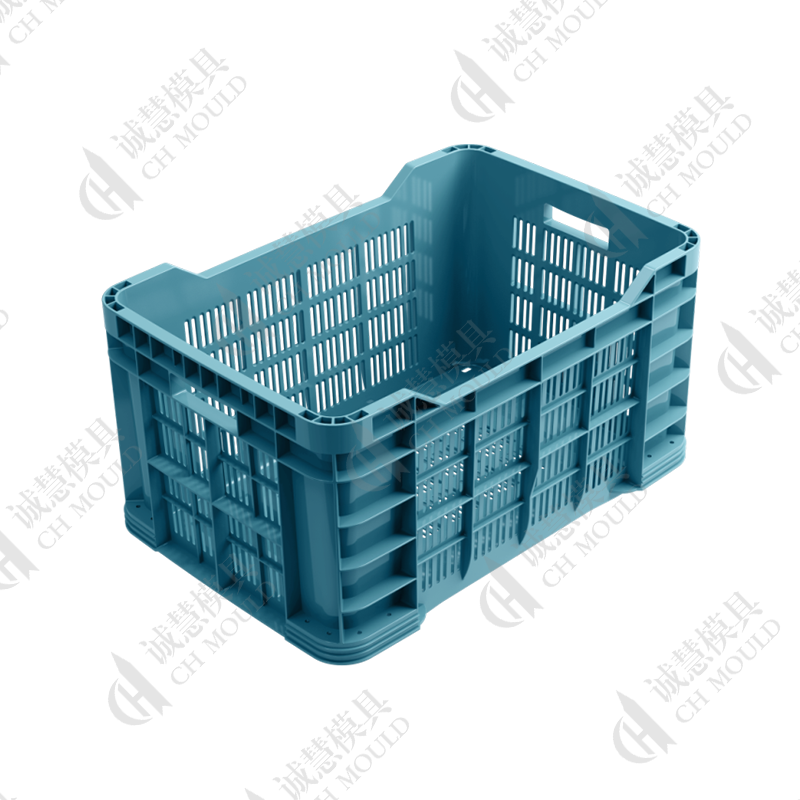
In the household products industry, a laundry basket is a familiar item, but producing a high-quality laundry basket at commercial scale requires far more than a simple cavity and a molding machine. The basket must be strong enough to carry wet clothing, light enough for comfortable handling, stable when placed on the floor, attractive enough for retail presentation, and consistent enough to satisfy large-volume buyers. These requirements place demanding expectations on the injection mold used to manufacture it.
The CHENGHUI Laundry Basket Mold 014 is designed for manufacturers seeking dependable tooling for modern plastic laundry baskets. It supports repeatable production, precise dimensions, reliable surface quality, and efficient cycle performance. The mold is suitable for household product manufacturers, wholesalers, distributors, and injection molding companies that need a practical solution for producing laundry baskets in large quantities.
Developed by Zhejiang Chenghui Mould Co., Ltd., the mold reflects more than three decades of experience in plastic injection mold design and manufacturing. The company specializes in molds for daily necessities, storage products, furniture, turnover boxes, bins, baskets, buckets, racks, and other household and industrial applications. Its manufacturing system combines engineering experience, precision machining, mold testing, process control, and customer-oriented customization.
This article examines the construction, performance advantages, manufacturing process, quality controls, customization potential, production value, and application benefits of an advanced laundry basket mold. It also explains why the mold is an important investment for companies that want stable output, attractive products, and long-term production reliability.
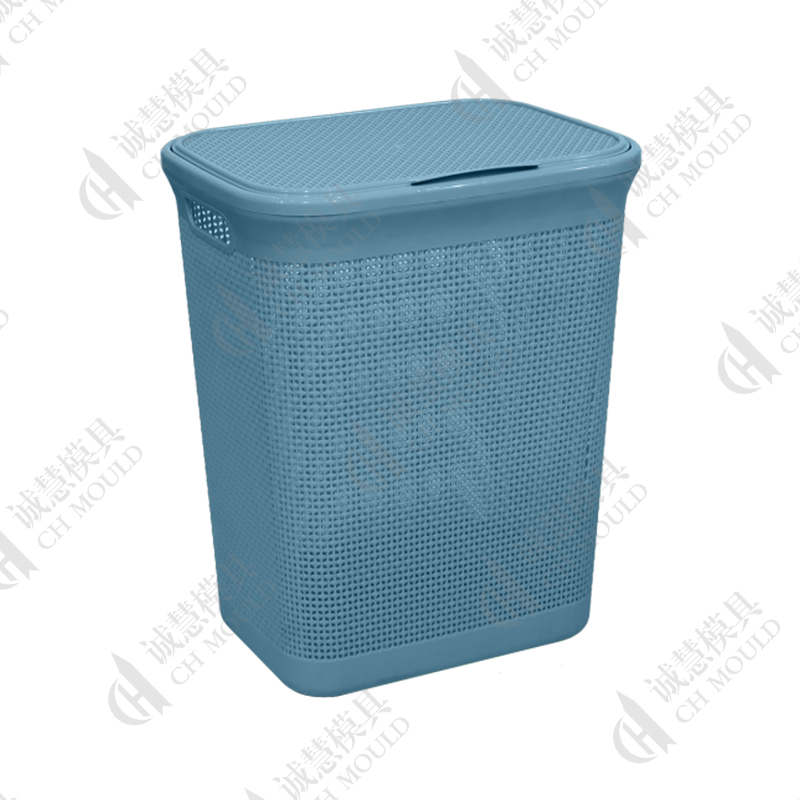
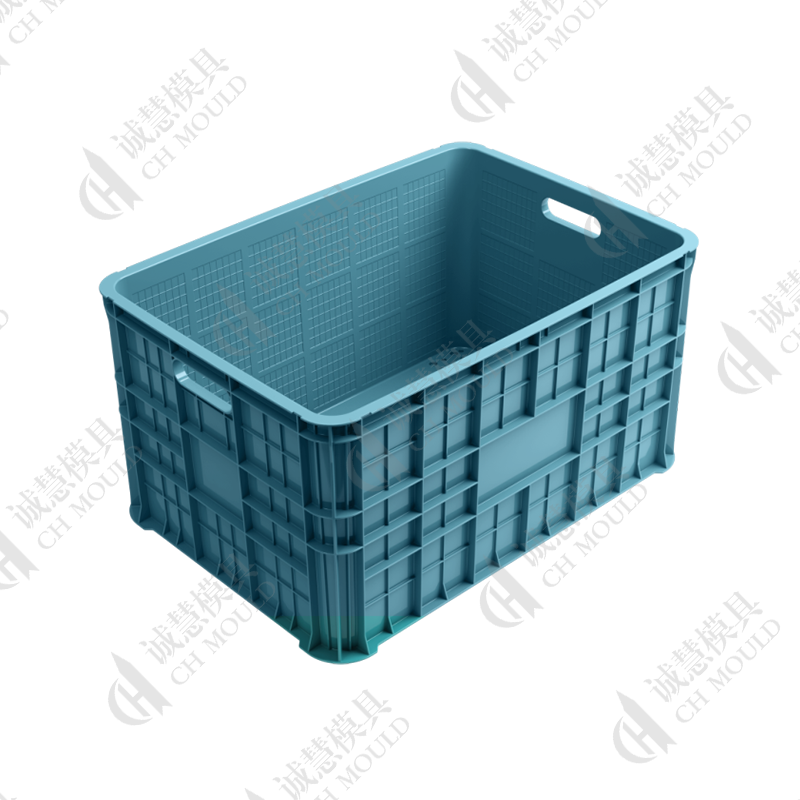
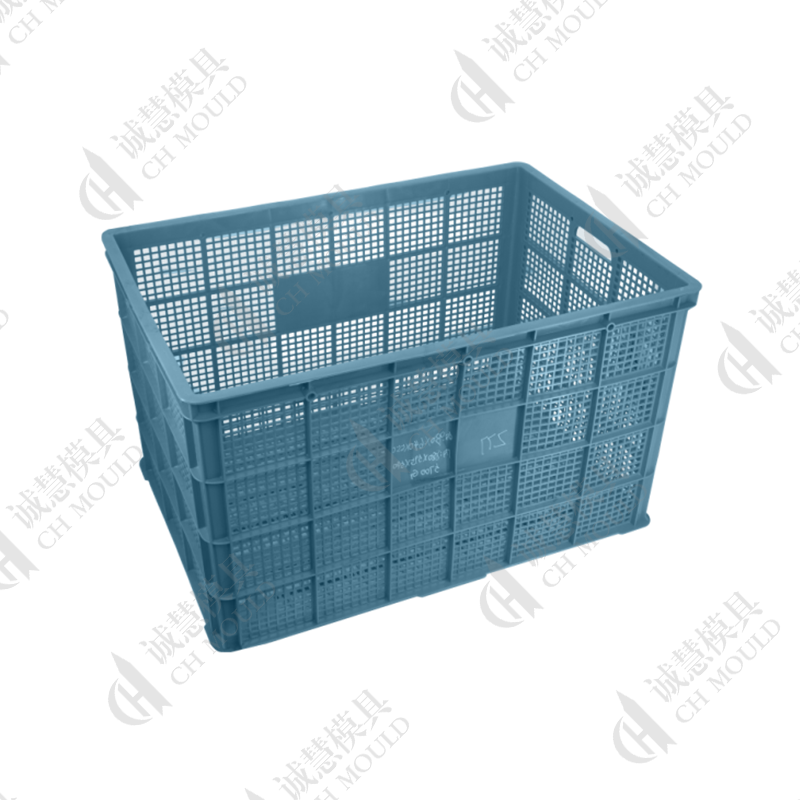
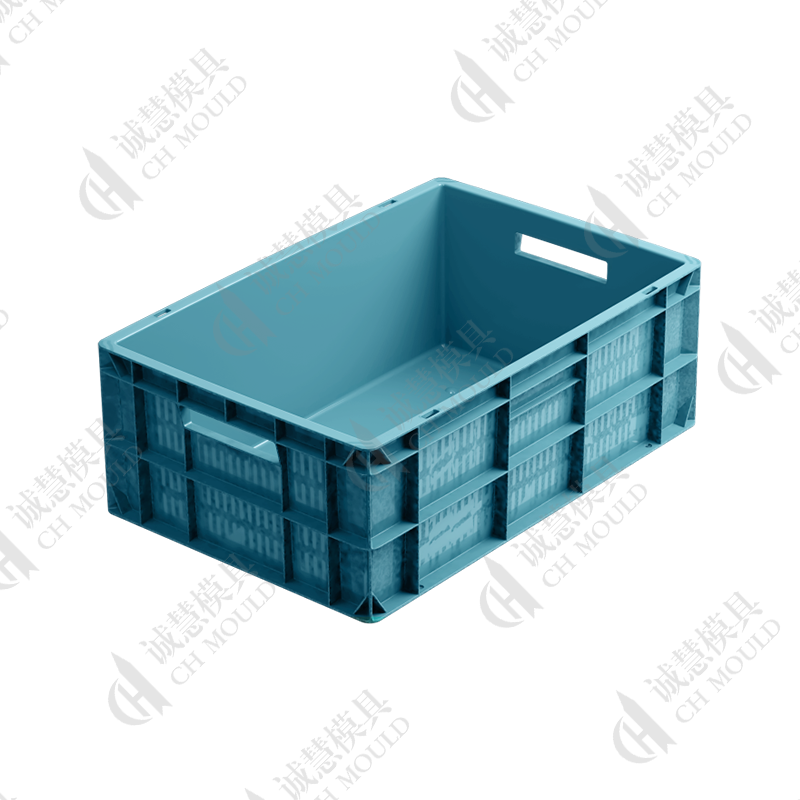
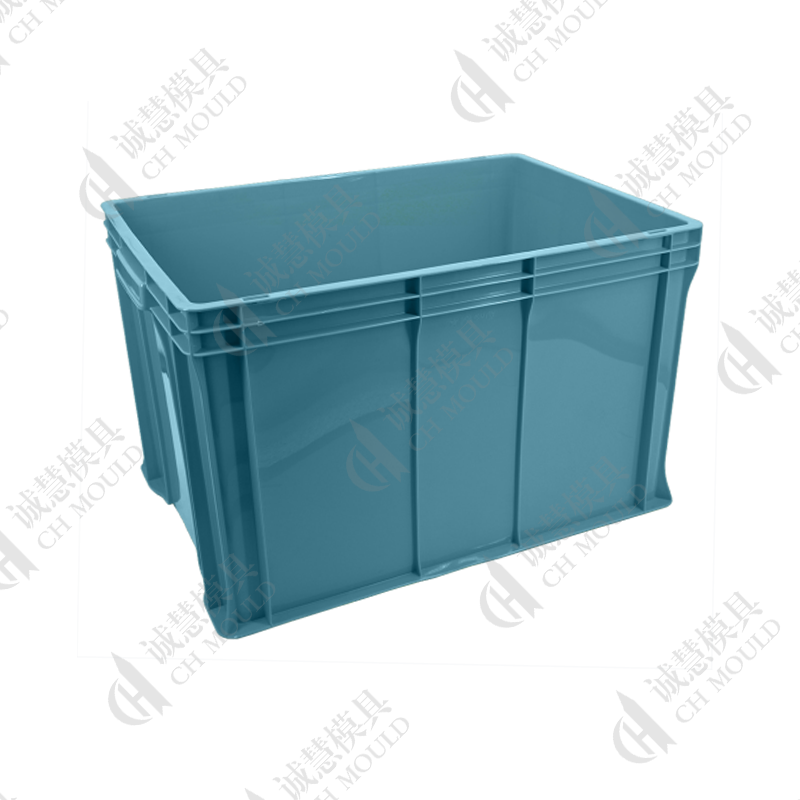
CHENGHUI Laundry Basket Mold 014
1. The Role of a Laundry Basket Mold in Product Performance
A laundry basket mold determines much of the final product’s appearance, strength, usability, and production efficiency. Although the injection molding machine supplies the pressure and heat required to shape the plastic, the mold controls the geometry of the product. Every important feature, including the basket wall, ventilation openings, rim, handle area, base, corner radius, stacking profile, and decorative surface, depends on mold design.
For this reason, a laundry basket mold cannot be evaluated only by its ability to create a basic basket shape. A professional mold must also manage material flow, cooling, ejection, shrinkage, dimensional control, and repeated mechanical stress. A poorly engineered mold may produce short shots, weld marks, deformation, flash, uneven walls, sticking, or inconsistent cycle times. These problems can increase scrap rates and damage the commercial reputation of the finished product.
The CHENGHUI Laundry Basket Mold 014 is intended to support the complete production requirements of this product category. Its design approach focuses on practical moldability, durable construction, efficient operation, and the repeatability required for mass production. These qualities are especially important for laundry basket manufacturers serving supermarkets, homeware distributors, online retailers, hospitality suppliers, and regional wholesalers.
A well-designed mold also improves the consistency of secondary operations. If the molded basket has accurate dimensions and a clean rim, it can be packed more efficiently, stacked more reliably, and inspected more quickly. Consistent handles and openings also reduce the need for manual correction. In a competitive market, these small improvements can contribute significantly to overall production economics.
2. Product Characteristics Supported by the Mold
Laundry baskets are used in homes, apartments, dormitories, hotels, hospitals, laundries, and commercial facilities. Their application environments vary, but buyers generally expect several common qualities: sufficient load-bearing capacity, comfortable handling, ventilation, easy cleaning, low weight, attractive styling, and resistance to daily impact.
The mold supports the production of baskets with a balanced combination of structural strength and material efficiency. The basket can be engineered with reinforced edges, controlled wall thickness, strengthened corners, and a stable base. These details help the finished product resist bending and deformation while avoiding unnecessary material consumption.
Ventilation openings are another essential design element. Laundry baskets often contain damp clothing, towels, or linens, so airflow helps reduce moisture accumulation and unpleasant odors. The shape, distribution, and size of these openings must be carefully integrated into the mold. Openings that are too large can weaken the basket, while openings that are too small may reduce ventilation and increase molding difficulty.
The rim is particularly important because it contributes to both product strength and user comfort. A well-formed rim can reduce sharp edges, improve rigidity, and provide a more refined appearance. If the basket includes integrated handles, the handle zones require additional attention because they experience concentrated stress during lifting and carrying. The mold must ensure that these areas are filled completely and formed accurately.
The base also affects customer perception and product durability. A stable base helps prevent rocking on flat surfaces. It must be strong enough to support the basket when fully loaded, while remaining suitable for efficient cooling and ejection. Appropriate base geometry can also assist stacking, storage, and transportation.
Design flexibility for different markets
Laundry basket preferences differ between markets. Some customers prefer tall, narrow baskets that save floor space, while others prefer wide baskets with large carrying capacity. Some buyers choose minimalist surfaces, while others require textured patterns, bright colors, or decorative elements. Professional mold design allows these preferences to be addressed through customized dimensions, surface treatments, opening configurations, and handle arrangements.
Chenghui Mould provides customized mold design and manufacturing services, enabling customers to develop products based on drawings, samples, or initial concepts. This flexibility helps manufacturers create distinctive products rather than relying only on generic shapes that compete primarily on price.
3. Main Advantages Over Basic or Low-Cost Competitor Molds
Many mold suppliers can produce a basic laundry basket cavity. However, the difference between a basic mold and a professionally engineered production mold becomes clear after thousands of molding cycles. Advanced tooling focuses not only on initial cost but also on service life, stable operation, maintenance convenience, product consistency, and total cost of ownership.
3.1 Consistent dimensional accuracy
Accurate dimensions are essential when a laundry basket must fit a packaging carton, stack with matching products, or work with a standardized lid, rack, or accessory. Dimensional variation can create problems during packing and distribution. It may also make baskets difficult to nest or stack, increasing warehouse volume and freight costs.
Precision machining and controlled assembly help the mold maintain accurate cavity geometry. Important areas such as the rim, base, handles, corner transitions, and ventilation openings can be produced with repeatable dimensions. This consistency supports more reliable finished products and reduces the rate of rejected parts.
3.2 Better surface appearance
Household products are highly visible to consumers. Buyers often judge quality by the surface appearance before they test the product’s strength. Uneven textures, visible machining marks, excessive parting lines, flow defects, or inconsistent gloss can make an otherwise functional basket appear inexpensive.
A carefully finished mold surface helps produce a cleaner and more attractive appearance. Depending on customer requirements, the tooling can support polished, matte, textured, patterned, or customized surfaces. Proper treatment of the cavity and core also makes cleaning and maintenance more manageable.
3.3 Reliable filling of complex areas
Laundry baskets frequently include thin walls, narrow ribs, openings, curved corners, and integrated handles. These features can make filling more difficult than the simple outer shape suggests. A mold with an unsuitable gate position or poor flow balance may produce incomplete areas, weld lines, trapped air, or uneven packing.
Professional mold engineering evaluates the flow path before machining and assembly. Gate selection, runner design, venting, wall transitions, and cooling layout are considered together. This integrated approach improves the likelihood that the plastic will fill the cavity smoothly and evenly.
3.4 Reduced flash and molding defects
Flash is a common problem in injection molding when the parting surfaces do not close accurately or when excessive pressure forces molten plastic into small gaps. Flash around the rim, handles, or openings can create sharp edges and require additional trimming. It may also indicate premature wear or incorrect mold alignment.
Accurate machining, careful fitting, and proper mold clamping surfaces help reduce flash. Stable alignment also protects the mold from uneven loading. This contributes to cleaner finished products and reduces manual finishing work.
3.5 Longer production life
Commercial laundry baskets may be produced in large volumes over several years. The mold must therefore be designed for repeated thermal and mechanical cycling. Durable mold materials, suitable component selection, hard-wearing surfaces, and maintainable structures can extend service life.
A long-lasting mold spreads the original tooling investment over a larger number of saleable parts. It also reduces the disruption associated with frequent repairs or replacement tooling. For distributors and manufacturers with established sales channels, this reliability can be more valuable than a low initial purchase price.
3.6 More predictable production planning
When a mold performs consistently, production managers can plan output with greater confidence. Stable cycle times, predictable cooling behavior, and repeatable ejection reduce unexpected interruptions. This is important for customers working with retail promotions, seasonal demand, export schedules, or contract production deadlines.
Chenghui Mould’s focus on mold testing and quality inspection helps customers identify and correct issues before shipment. Production trials provide an opportunity to evaluate product dimensions, appearance, ejection, cooling, and molding conditions under practical operating conditions.
4. Engineering Design Considerations
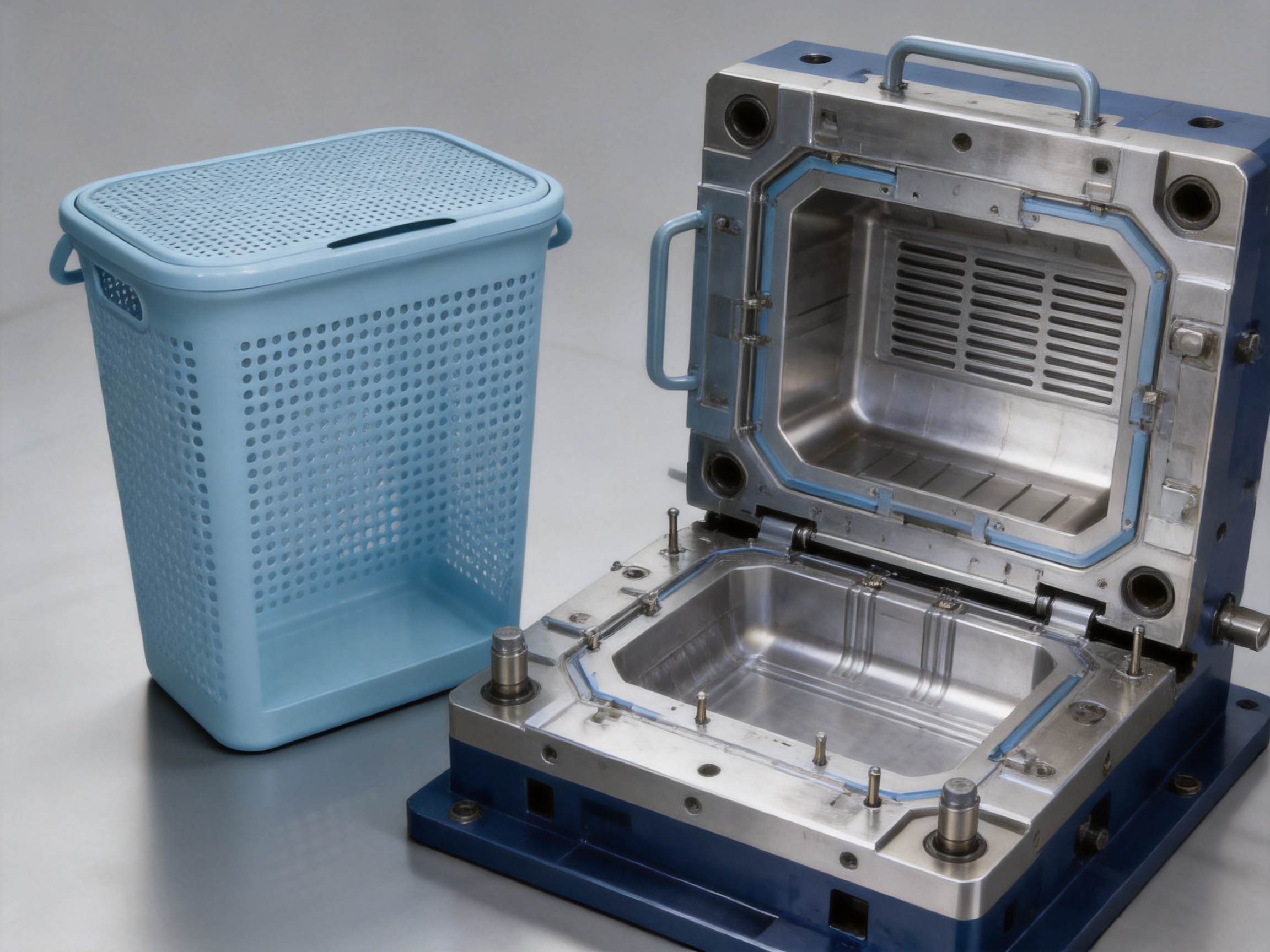
The performance of a laundry basket mold begins during the design stage. Before machining starts, engineers must understand the intended plastic material, product dimensions, expected production volume, machine capacity, parting direction, ejection requirements, and customer quality expectations.
4.1 Material selection
Common materials for laundry baskets include polypropylene and high-density polyethylene, although the final selection depends on the required stiffness, impact performance, chemical resistance, appearance, cost, and processing conditions. Different materials have different shrinkage rates and flow characteristics. The mold design must account for these differences to maintain accurate dimensions.
Material selection also affects cooling requirements. A material with higher shrinkage or different crystallization behavior may require changes to the cooling layout and compensation strategy. Experienced mold engineers consider the material early rather than attempting to correct material-related problems after tooling is completed.
4.2 Parting line strategy
The parting line defines how the mold opens and where the two primary mold halves meet. For a laundry basket, the parting line must be positioned to support clean separation, stable mold structure, and acceptable cosmetic results. It should also minimize visible marks in high-visibility areas whenever possible.
Proper parting line planning can simplify ejection and reduce the need for slides, lifters, or complex mechanisms. If the product contains undercuts, integrated handles, or special locking details, additional mechanisms may be necessary. The design team must balance product requirements with tooling complexity, maintenance needs, and production cost.
4.3 Gate and runner design
The gate is the entry point through which molten plastic flows into the cavity. Its location influences filling balance, weld line position, packing pressure, visible marks, and cycle performance. For a large or wide laundry basket, the flow path must be designed to distribute material effectively across the product.
An appropriate runner system helps control pressure loss and reduces unnecessary material waste. Depending on the product design and production goals, the customer may evaluate different runner concepts. The final choice should consider equipment, expected output, automation, material usage, and part appearance.
4.4 Venting
Air trapped inside the cavity can lead to burn marks, short shots, weak weld lines, and surface imperfections. Because laundry baskets contain many openings and ribs, air may become trapped in several locations during filling. Adequate venting is therefore essential.
Vents must be positioned and sized carefully. They need to release air without allowing excessive plastic leakage. Clean venting also contributes to more stable filling and can reduce the pressure required to complete the part.
4.5 Cooling system
Cooling is one of the most important factors affecting cycle time and dimensional stability. If one area of the basket cools more quickly than another, the product may warp, twist, or shrink unevenly. Large flat areas, thick corners, reinforced rims, and handle sections can create different cooling demands.
A balanced cooling system removes heat efficiently from critical areas. The design must also allow practical drilling, sealing, inspection, and maintenance. Improved cooling can shorten cycle time, increase output, and reduce deformation without compromising product quality.
4.6 Ejection system
After cooling, the molded basket must be removed from the cavity without damage. An ejection system that is too concentrated may leave marks or distort the part. An ejection system that is too weak may cause sticking, incomplete release, or longer cycle times.
For a large household product, the ejection force should be distributed across appropriate structural areas. The ejection sequence must be coordinated with the mold opening movement and any automated handling equipment. Smooth ejection is particularly important when the basket has thin walls or decorative surface details.
5. Manufacturing Process at the Mold Factory
The quality of a finished injection mold depends on the discipline of the entire manufacturing process. Chenghui Mould operates its own production workshop and uses a broad range of processing equipment to support mold manufacturing. The company has 104 advanced processing machines and professional injection molding machines for mold testing.
Its reported annual production capacity exceeds 1,500 mold sets. This capacity reflects an organized production system capable of handling a broad portfolio of household and industrial tooling projects. At the same time, capacity must be supported by engineering control, inspection, skilled personnel, and clear communication with customers.
5.1 Product review and technical confirmation
The first stage is a technical review of the product. Engineers examine the customer’s drawings, three-dimensional data, physical sample, or initial concept. They review wall thickness, openings, ribs, handles, corners, draft angles, parting lines, potential undercuts, and ejection locations.
Design-for-manufacturing feedback at this stage can prevent costly changes later. For example, a small adjustment to a corner radius may improve plastic flow, simplify machining, reduce stress concentration, and improve product durability. Similarly, a minor change to an opening layout may improve both appearance and mold filling.
5.2 Moldflow and filling evaluation
Before the mold is cut, the product and filling strategy can be evaluated through engineering analysis. The purpose is to identify likely flow behavior, pressure requirements, weld line locations, air traps, cooling differences, and potential deformation.
Analysis does not replace practical experience, but it provides useful information for decision-making. It allows the design team to compare gate positions and anticipate problems in complex areas. For a large laundry basket, this early evaluation can be especially valuable because the product combines a relatively large surface area with numerous openings and structural details.
5.3 Steel preparation and component machining
After design approval, suitable mold materials and components are prepared. The choice depends on expected production volume, material characteristics, surface requirements, corrosion considerations, and customer budget. Core and cavity components are machined according to the approved design data.
Advanced processing equipment supports operations such as milling, drilling, turning, grinding, electrical discharge machining, and precision finishing. Each process contributes to a different part of the mold. Dimensional control is maintained through inspection at appropriate stages rather than relying only on final inspection.
5.4 Precision fitting and assembly
Machined components must be fitted and assembled accurately. The core, cavity, inserts, slides, ejector components, cooling channels, guide systems, and other parts must work together as a complete system. Skilled assembly is important because even high-quality individual components can fail to perform if alignment or fitting is incorrect.
During assembly, technicians check movement, clearance, parting surfaces, ejector travel, cooling connections, and the operation of moving elements. These checks help identify issues before the first molding trial.
5.5 Mold trial and sample evaluation
Mold testing is a crucial stage in which the tool is installed on an appropriate injection molding machine and used to produce trial parts. The team evaluates filling, pressure, cooling, ejection, cycle time, product dimensions, surface quality, and visible defects.
Trial parts are compared with approved drawings or samples. If the product requires correction, modifications may be made to the mold, process settings, venting, cooling, gate area, or ejection system. Repeated trial and adjustment are normal parts of professional mold development, especially for large household products with complex ventilation and structural features.
5.6 Final inspection and preparation for delivery
Before shipment, the mold is inspected for appearance, operation, dimensions, cooling connections, ejection movement, component security, and documentation. The mold is cleaned, protected, and prepared for transportation. Customers may receive trial samples and technical information to support installation and production.
6. Quality Management and Production Reliability
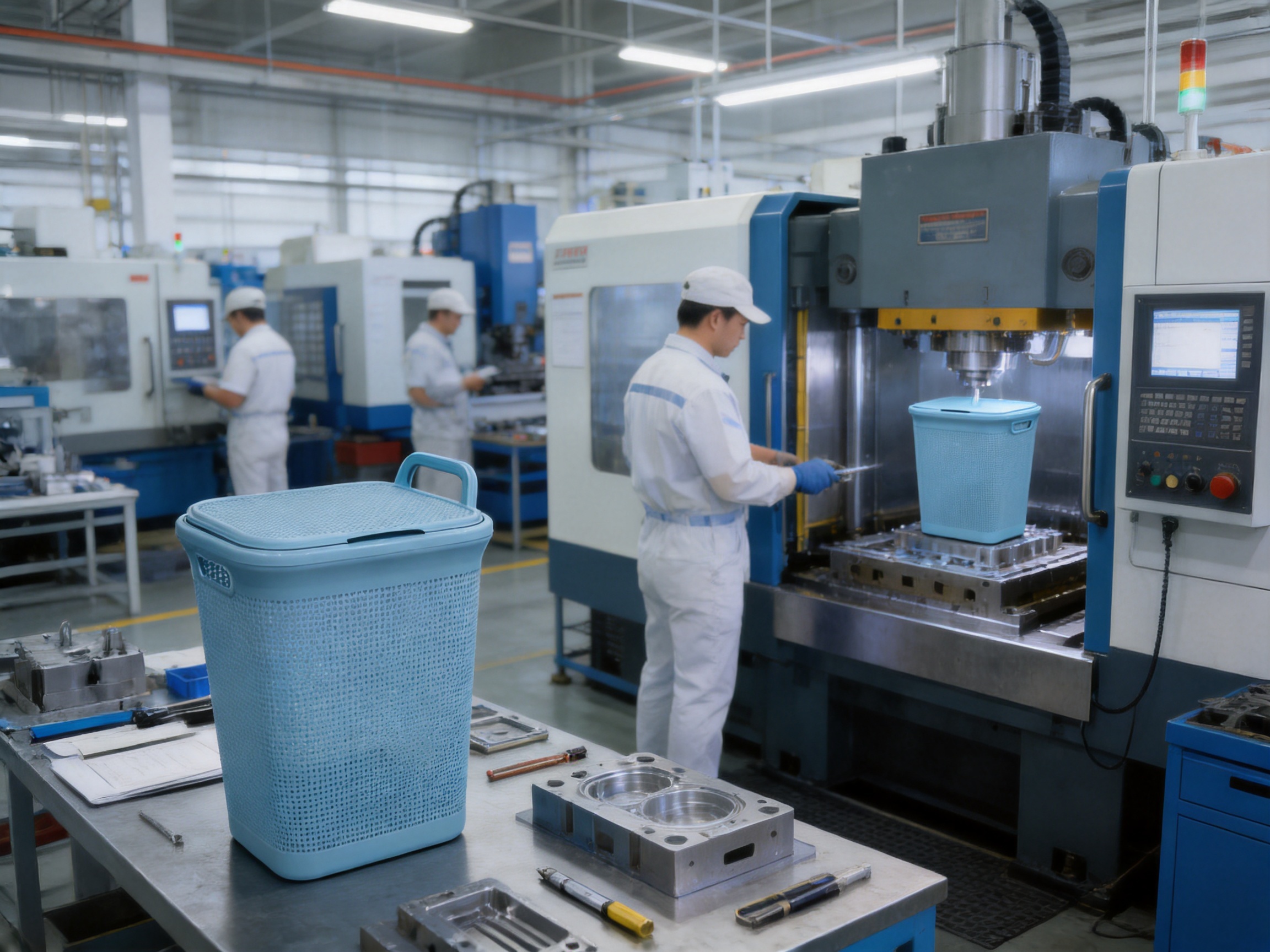
Quality management is not limited to checking the final mold. It includes planning, process control, equipment maintenance, operator skill, inspection standards, and corrective action. Chenghui Mould emphasizes standardized processes and strict quality management as part of its manufacturing approach.
For laundry basket tooling, quality management should cover several key areas. Steel and component verification helps ensure that the mold is built from suitable materials. Dimensional inspection confirms that cavity and core features match the approved design. Assembly checks verify that moving parts operate smoothly. Trial molding confirms that the tooling performs under practical conditions.
Documentation is also important. A professional mold file may include product drawings, mold drawings, component information, trial records, inspection results, spare part recommendations, and maintenance instructions. Clear documentation makes it easier for the customer’s production team to operate and maintain the mold.
Reliable quality management improves more than the first production run. It also supports future maintenance and modification. When a customer requests a design revision, replacement part, or additional mold, accurate records allow the supplier to respond more efficiently.
7. Production Efficiency and Total Cost of Ownership
The purchase price of a mold is only one part of the customer’s total investment. A more complete evaluation includes production speed, material waste, labor requirements, scrap rate, maintenance cost, downtime, service life, and replacement risk.
A well-designed laundry basket mold can improve production efficiency in several ways. Balanced filling may reduce pressure and stabilize molding conditions. Efficient cooling can shorten cycle time. Smooth ejection can reduce interruptions. Accurate dimensions can reduce inspection failures. Reliable surface quality can minimize trimming and rework.
Material efficiency is also important. Laundry baskets are often produced in large quantities, so even a small reduction in material waste can have a meaningful effect over time. Runner design, gate selection, wall thickness optimization, and stable processing all contribute to better material utilization.
Maintenance efficiency should also be considered. Mold components that are accessible, replaceable, and clearly documented can reduce repair time. Standardized parts may simplify inventory management and help production teams restore the mold quickly after routine maintenance.
For wholesalers and distributors, production reliability has a direct commercial benefit. Stable output supports predictable delivery schedules and reduces the risk of stock shortages. A reliable mold can therefore contribute to customer satisfaction beyond the factory floor.
8. Customization Services for OEM and ODM Projects
Many buyers do not want a standard laundry basket. They may need a specific capacity, footprint, height, handle position, ventilation pattern, surface texture, logo area, or stacking arrangement. OEM and ODM support allows these requirements to be converted into a production-ready mold.
OEM customers may provide complete drawings and request tooling based on an established product design. ODM customers may begin with a general idea and ask the mold manufacturer to help refine the product. In both cases, effective communication is essential. The supplier must understand the intended market, target price, plastic material, expected annual volume, machine conditions, and appearance standards.
Possible customization areas
Product dimensions can be adjusted to suit different capacities and storage environments. A compact basket may be intended for apartments or dormitories, while a larger model may serve families, hotels, or commercial laundries.
Handle design can be modified for lifting comfort, appearance, or structural strength. Integrated handles, cutout handles, and reinforced grip zones each present different molding requirements.
Ventilation openings may be changed in size, shape, spacing, and layout. These changes influence airflow, product stiffness, visual identity, and mold complexity.
Surface treatment can create a smooth, satin, textured, or patterned finish. A textured surface may conceal minor handling marks and create a stronger visual identity, while a smooth surface may support a minimalist product style.
Stacking and nesting features can be developed to improve warehouse utilization. When baskets are designed for nesting, the mold must maintain consistent dimensions and suitable draft angles to prevent sticking.
Branding areas may be integrated into the basket through raised or recessed details, label zones, or compatible decoration surfaces. Any branding feature must be designed with attention to flow, ejection, cleaning, and product appearance.
Color is normally determined by the selected plastic compound and production process, but the mold surface and product geometry still influence the final visual result. Customers can coordinate mold design with their broader product portfolio and retail presentation strategy.
9. Applications Across Household and Commercial Markets
The primary application is household laundry storage and transport. Consumers use baskets to collect clothing, carry garments to washing areas, organize clean laundry, and move textiles between rooms. A strong, lightweight basket can make these routine tasks easier and more convenient.
In hotels and hospitality facilities, laundry baskets may be used in guest rooms, housekeeping departments, linen rooms, and staff areas. These users often require products that are easy to clean, resistant to frequent handling, and suitable for repeated commercial use.
Hospitals, clinics, dormitories, and care facilities may also use plastic baskets for organizing textiles and personal belongings. In these environments, smooth surfaces and cleanable materials can be important considerations. The final product design should be adapted to the applicable use and hygiene requirements.
Commercial laundries and service companies may favor baskets with greater capacity, reinforced handles, and strong bases. Their products are likely to experience heavier loads and more frequent movement, which increases the importance of structural design and mold accuracy.
Retailers and distributors may request coordinated product families. A laundry basket can be developed alongside storage boxes, buckets, racks, bins, or other household products. Chenghui Mould’s experience across these product categories can support customers that want a consistent range of injection-molded goods.
10. Why Manufacturer Experience Matters
Tooling quality is closely connected to the supplier’s accumulated experience. A mold manufacturer that has worked with storage products, furniture, baskets, boxes, buckets, racks, and similar household items is more likely to understand the practical challenges of large plastic parts.
Zhejiang Chenghui Mould Co., Ltd. was founded in 1994 and has more than 30 years of experience in designing and manufacturing injection molds for daily necessities. Its product scope includes PET storage products, tables, chairs, furniture, storage boxes, turnover boxes, laundry baskets, buckets, storage racks, trash cans, and other household and industrial products.
This broad experience is valuable because many design principles are shared across product categories. Large household products require attention to wall thickness, warpage, cooling, ejection, stacking, structural reinforcement, and appearance. Lessons learned from one category can inform solutions in another.
The company’s own production workshop supports greater control over the manufacturing process. Rather than depending entirely on unrelated external facilities, an integrated workshop can coordinate machining, assembly, testing, inspection, and production scheduling more effectively.
International experience is also relevant. Chenghui Mould exports to the Middle East, Europe, America, Africa, Southeast Asia, and other regions. Serving customers in different markets requires an understanding of varied product preferences, technical expectations, packaging conditions, communication practices, and delivery requirements.
11. Inspection Points for Buyers
Customers evaluating a laundry basket mold should examine more than photographs or a quoted price. A structured technical review can help determine whether the tooling is suitable for the intended production program.
First, buyers should confirm that the mold design matches the approved product data. Key dimensions, wall thickness, ventilation openings, handles, base geometry, and draft angles should be reviewed before manufacturing begins.
Second, the customer should clarify the intended material and production volume. A mold designed for short-term sampling may differ from one intended for millions of cycles. Material choice and annual production expectations influence steel, components, cooling, surface treatment, and maintenance planning.
Third, the buyer should understand the trial process. Trial parts should be inspected for filling, weld lines, flash, deformation, surface appearance, ejection marks, and dimensional accuracy. Any agreed corrections should be documented and completed before final approval.
Fourth, maintenance information should be provided. The customer should know which areas require regular cleaning, lubrication, inspection, and replacement. Cooling channels and venting areas are particularly important because deposits or blockages can affect production stability.
Finally, communication and after-sales support should be evaluated. A mold is a long-term production asset. Access to technical assistance, replacement components, and problem-solving support can be important throughout its service life.
12. Practical Maintenance Recommendations
Regular maintenance helps preserve mold performance and product consistency. After production, the mold should be cleaned to remove plastic residue, dust, moisture, and processing deposits. The parting surfaces should be inspected for damage or contamination.
Moving components, guide systems, ejector elements, slides, and lifters should be checked according to the supplier’s maintenance recommendations. Appropriate lubrication can reduce wear, but excessive lubricant should be avoided because it may contaminate the cavity or finished product.
Cooling channels should be monitored for blockage, leakage, corrosion, or reduced flow. Poor cooling performance can cause longer cycles and uneven product quality. Regular inspection of water connections and sealing points can help prevent unexpected downtime.
Vents should be kept clear. A blocked vent may produce burn marks, short shots, or unstable filling. Vent cleaning is especially important when the basket contains many openings, ribs, and deep or narrow features.
Before long-term storage, the mold should be dried, protected against corrosion, and stored in a controlled environment. Moving components should be positioned safely, and documentation should remain with the tool. Proper storage reduces the risk of damage before the next production run.
13. Environmental and Operational Considerations
Plastic household products are increasingly evaluated according to material use, service life, recyclability, and manufacturing efficiency. A durable laundry basket can remain in service for a long time, reducing the need for frequent replacement. Mold design contributes to durability by enabling strong, well-balanced product geometry.
Material efficiency can reduce unnecessary consumption. Controlled wall thickness, optimized ribs, and stable molding conditions help manufacturers produce a strong basket without excessive weight. Lower part weight may also reduce transportation energy and packaging requirements.
Production efficiency has an environmental dimension as well. Reduced scrap, efficient cooling, shorter cycle times, and fewer rejected parts can lower the resources required for each saleable product. These benefits depend on the complete molding process, including machine settings, material handling, and factory management.
Customers should select materials and additives according to the intended market and applicable regulations. The mold supplier can help ensure that the geometry is compatible with the selected material, while the product manufacturer remains responsible for material compliance and finished-product requirements.
14. Comparison with Inferior Tooling Approaches
Low-cost tooling may appear attractive when a buyer compares only the initial quotation. However, cost reductions in critical areas can create problems later. Inadequate steel, poor cooling, weak alignment, insufficient venting, limited testing, or low-precision machining may lead to higher operating expenses.
A mold with poor cooling can produce distorted baskets and require long cycles. A mold with insufficient venting may create burn marks and incomplete filling. A mold with weak ejection may stick or damage thin sections. A mold with poor parting accuracy may generate flash that must be trimmed manually.
These problems can reduce effective output and increase labor costs. They may also create inconsistent products that are difficult to sell through demanding retail channels. When production volume is high, the cumulative expense of defects and downtime can exceed the original savings.
The advantage of the CHENGHUI Laundry Basket Mold 014 lies in its production-oriented approach. The goal is not simply to reproduce the general outline of a basket, but to provide tooling that supports stable, repeatable, commercially useful manufacturing. Precision equipment, experienced engineering, mold trials, inspection, and after-sales support all contribute to that objective.
15. Recommended Project Workflow
A successful project normally begins with a clear product brief. The customer should provide the intended dimensions, capacity, material, color direction, annual volume, target market, machine information, and preferred surface finish. If a physical sample is available, it should be accompanied by notes explaining which features must be preserved.
The mold supplier then reviews the product and provides design-for-manufacturing recommendations. The parties should confirm the parting line, gate position, ejection concept, cooling approach, steel selection, expected cycle, and trial standard before final approval.
During design review, the customer should pay special attention to handle strength, opening layout, rim comfort, stacking behavior, and base stability. These features strongly influence product acceptance but can be difficult to modify after the mold is completed.
After machining and assembly, trial samples should be evaluated systematically. The review should include appearance, dimensions, weight, warpage, flash, weld lines, ejection marks, nesting, and packing suitability. Approved samples should become the reference for future production.
Once the mold is accepted, the customer’s production team should receive operating and maintenance guidance. A well-managed handover helps the mold perform consistently at the customer’s facility and reduces avoidable start-up problems.
16. Frequently Asked Questions
Q1: What type of product is the CHENGHUI Laundry Basket Mold 014 designed to produce?
It is designed for the injection molding production of plastic laundry baskets. The tooling can support household, commercial, hospitality, storage, and distribution applications, depending on the final product design and selected material.
Q2: Can the mold be customized for a customer’s own basket design?
Yes. Customization can cover dimensions, capacity, handle configuration, ventilation openings, surface texture, stacking features, branding areas, and other product details. Customers may provide drawings, three-dimensional data, samples, or an initial concept for engineering review.
Q3: Which materials can be considered for a laundry basket?
Polypropylene and high-density polyethylene are common options, but the best material depends on required stiffness, impact resistance, chemical resistance, appearance, processing conditions, and cost. The selected material should be confirmed before final mold design because shrinkage and flow behavior affect tooling decisions.
Q4: Why are cooling and venting important for this product?
Cooling helps control cycle time, shrinkage, and warpage. Venting allows trapped air to escape during filling, reducing burn marks, short shots, and weak weld lines. Laundry baskets have broad surfaces, thin sections, ribs, and multiple openings, so both systems must be carefully planned.
Q5: How does a precision mold reduce production costs?
A precision mold can reduce scrap, trimming, rework, downtime, and dimensional variation. Efficient cooling and smooth ejection may also improve cycle time. Over a large production volume, these improvements can significantly reduce the total cost per finished basket.
Q6: What is the benefit of performing mold trials before delivery?
Mold trials confirm that the tooling works in practical molding conditions. They allow the supplier and customer to evaluate filling, cooling, ejection, cycle time, dimensions, appearance, and defects. Trial adjustments are generally easier and less expensive before the mold is installed for full-scale production.
Q7: Can the mold support different surface finishes?
Yes. Depending on the design, the cavity surface can be prepared for polished, matte, textured, or patterned results. The desired finish should be confirmed during the design stage because it affects product appearance, processing, cleaning, and sometimes the release behavior of the molded part.
Q8: Is the mold suitable for high-volume production?
The mold is intended for production-oriented use, but the exact service life depends on material selection, mold construction, operating conditions, maintenance, cycle frequency, and product design. The expected production volume should be discussed during quotation and engineering review.
Q9: What should buyers inspect in trial samples?
Buyers should inspect dimensions, wall uniformity, handle strength, base stability, rim quality, opening consistency, surface appearance, flash, weld lines, burn marks, warpage, ejection marks, nesting, and packaging suitability. The sample should be compared with the approved drawing or reference model.
Q10: What support does the manufacturer provide?
Chenghui Mould provides customized design and manufacturing services covering concept review, drawing, sample development, machining, assembly, mold trials, quality inspection, and after-sales support. Technical communication should be established according to the customer’s project requirements.
Q11: Does the manufacturer produce other types of molds?
Yes. The company manufactures molds for PET storage products, tables, chairs, furniture, storage boxes, turnover boxes, buckets, storage racks, trash cans, household products, and industrial products. This broader experience supports customers developing coordinated product ranges.
Q12: How should the mold be maintained after delivery?
The mold should be cleaned regularly, with special attention to parting surfaces, vents, cooling channels, ejector components, guide systems, and moving mechanisms. Appropriate lubrication, corrosion protection, inspection, and proper storage are necessary for long-term reliability.
17. Conclusion
The CHENGHUI Laundry Basket Mold 014 is a production-focused tooling solution for manufacturers that require more than a basic cavity. Its value comes from the combination of product-specific engineering, precision machining, controlled assembly, practical mold testing, quality inspection, and customization capability.
A reliable laundry basket mold improves the finished product in many ways. It supports accurate dimensions, attractive surfaces, strong handles, stable bases, effective ventilation, consistent wall sections, and efficient ejection. It also helps manufacturers reduce scrap, improve cycle stability, plan production more confidently, and serve demanding household and commercial markets.
Zhejiang Chenghui Mould Co., Ltd. brings more than 30 years of experience to this product category. Its own production workshop, 104 advanced processing machines, professional mold testing equipment, broad product expertise, and international customer experience provide a strong foundation for OEM and ODM tooling projects.
For wholesalers, distributors, injection molding companies, and household product brands, choosing the right mold is a long-term business decision. A well-engineered tool can support years of stable production, while an inferior tool can create repeated defects and hidden costs. By combining design review, precision manufacturing, controlled trials, and continuing technical support, the laundry basket mold provides a practical path toward dependable high-volume plastic production.
For project consultation, buyers can communicate with the manufacturer through the company’s sales and technical channels. The available contact information includes the company telephone numbers and business email supplied for this product. Project discussions should include product drawings, material requirements, production volume, machine specifications, target markets, and quality expectations.
References
1. Injection Molding Handbook, fundamentals of thermoplastic processing, mold design, cooling, venting, and ejection.
2. Plastics Engineering Principles and Applications, guidance on polymer flow, shrinkage, dimensional control, and product design.
3. Design for Manufacturing and Assembly, methods for improving moldability, reducing production defects, and controlling manufacturing cost.
4. International standards and technical guidance for plastics injection molding, dimensional inspection, mold safety, and production quality management.
5. Zhejiang Chenghui Mould Co., Ltd. company information, product scope, manufacturing capabilities, quality approach, and service description supplied for this article.
6. Practical Mold Maintenance Guidelines, recommendations for cleaning, lubrication, cooling system inspection, vent maintenance, corrosion prevention, and storage.