
 Français
 Español
 عربى
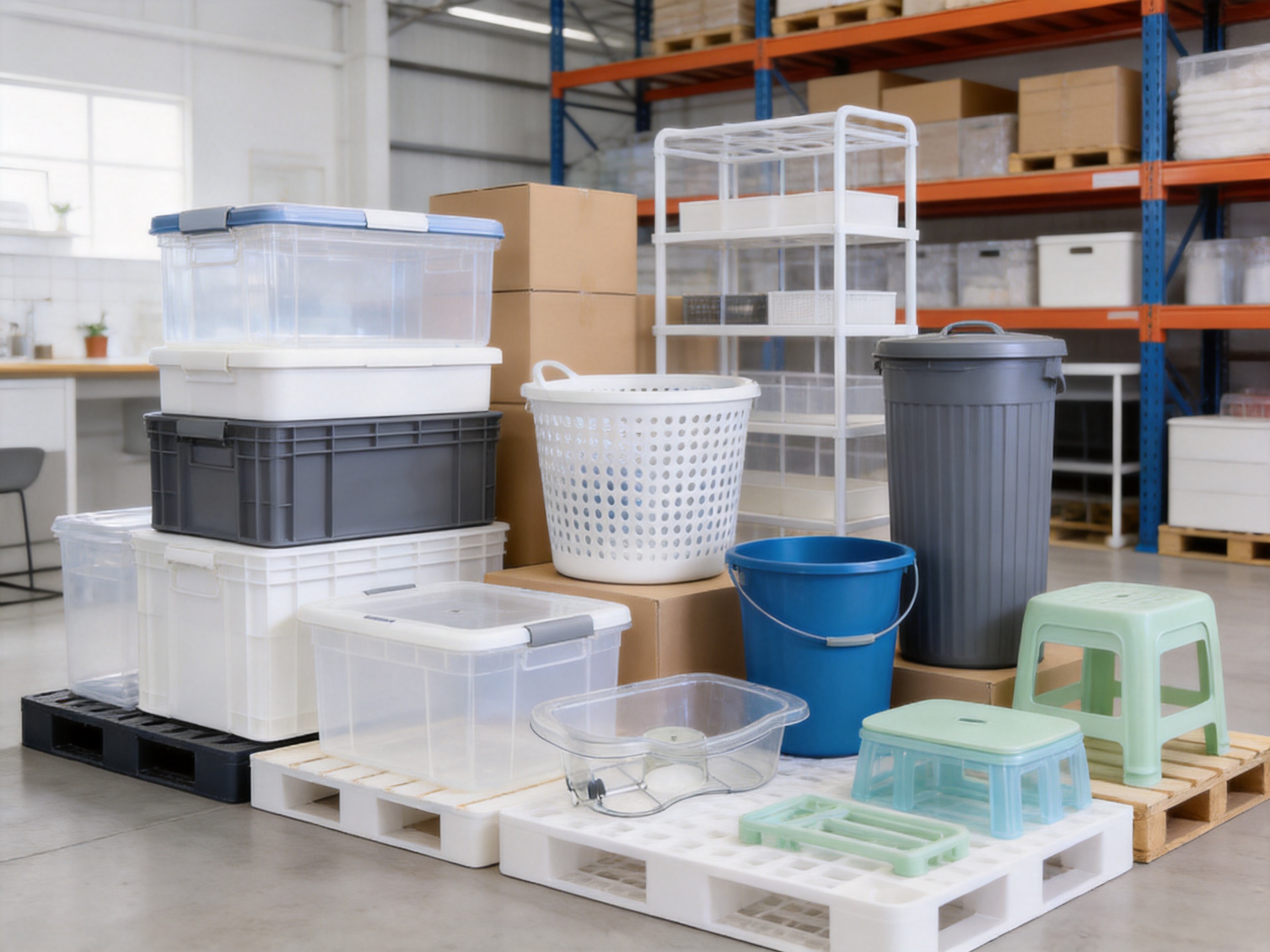
In modern household, retail, logistics, and industrial supply chains, plastic products must combine attractive appearance, reliable performance, efficient production, and competitive cost. Storage containers, turnover boxes, laundry baskets, buckets, storage racks, trash cans, furniture components, and other daily-use products are produced in large quantities, so the quality of the injection mold directly influences the quality and profitability of the finished product. A well-designed mold helps manufacturers achieve stable dimensions, consistent wall thickness, smooth surfaces, dependable assembly, and long-term production efficiency.
The CHENGHUI PET Mold 010 is designed for manufacturers and product developers seeking dependable tooling for PET storage products and related plastic applications. It represents a customized injection mold solution developed for mass production, repeatable quality, and practical manufacturing performance. Supported by Zhejiang Chenghui Mould Co., Ltd.’s more than 30 years of experience, the mold benefits from structured design, precision machining, professional testing, quality inspection, and complete project support.
Rather than treating a mold as only a metal cavity and core, Chenghui Mould approaches tooling as a complete production system. Product geometry, material behavior, mold structure, cooling efficiency, ejection reliability, cycle time, maintenance requirements, and final application are considered together. This approach enables the company to provide molds that are not only accurate during initial sampling but also dependable during extended production.
For wholesalers, distributors, brand owners, and manufacturers that need a dependable OEM or ODM tooling partner, PET Mold 010 offers a combination of customization, engineering capability, factory production resources, and export experience. It is suitable for projects in which stable output, repeat orders, and predictable product quality are more important than short-term tooling cost alone.
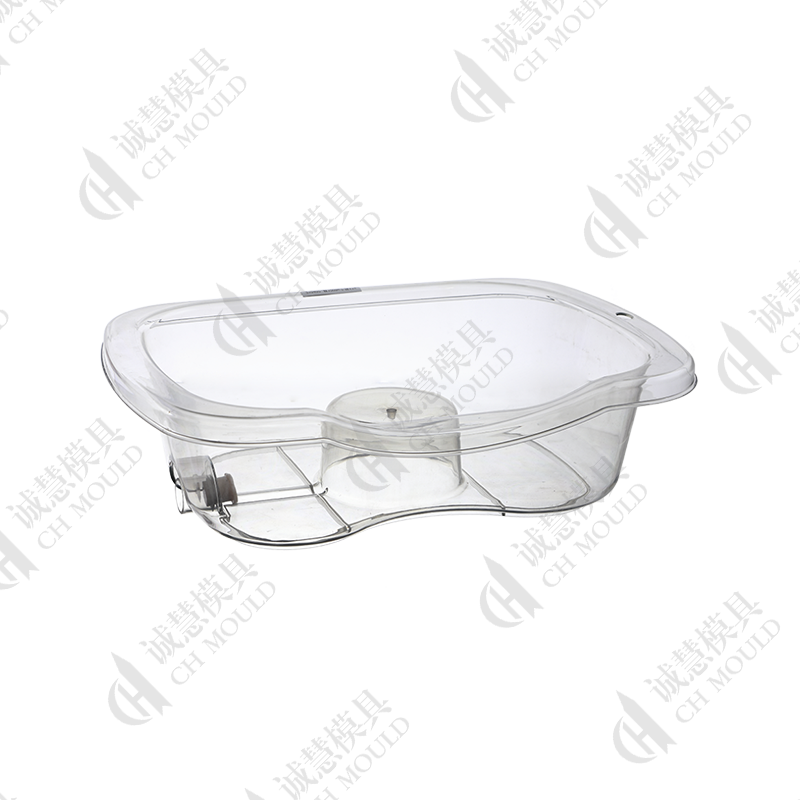
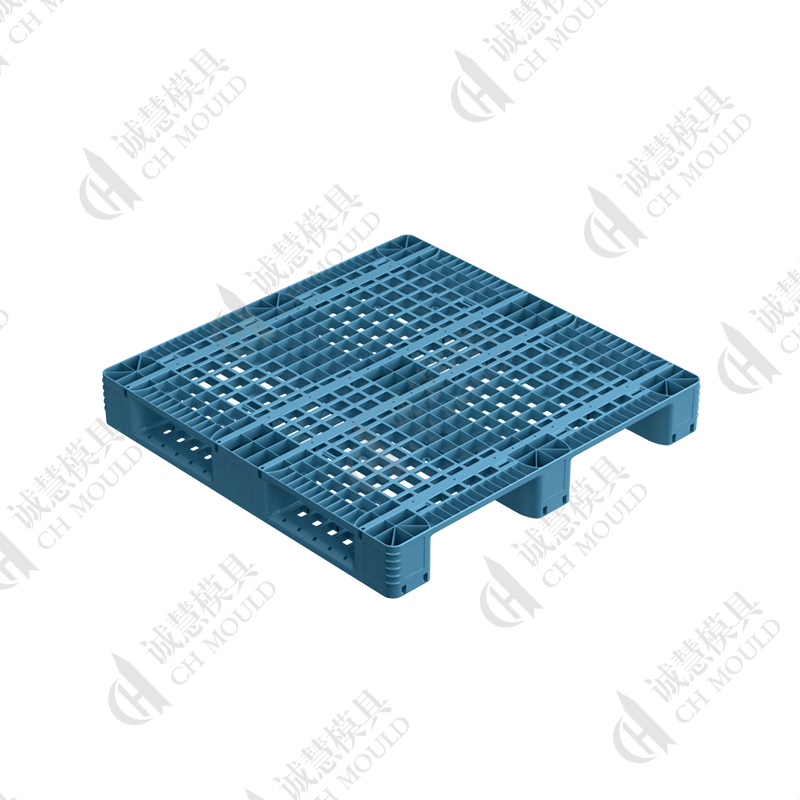
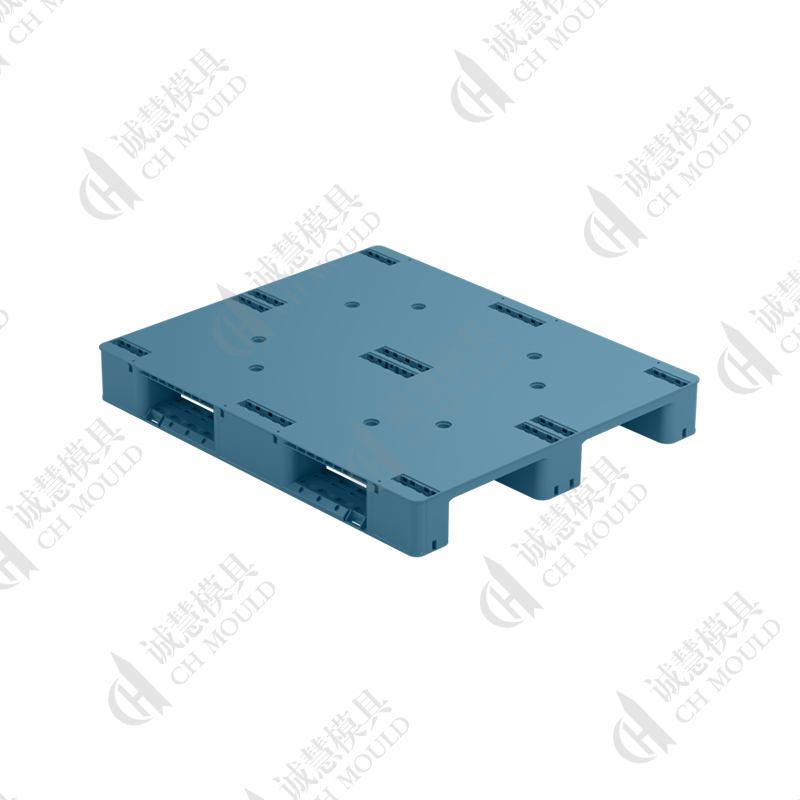
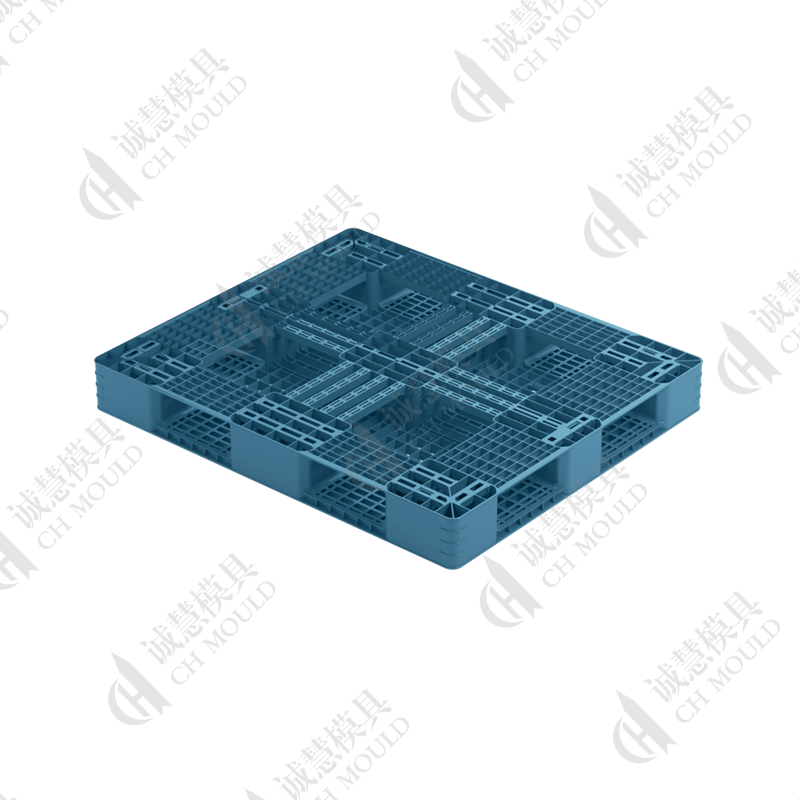
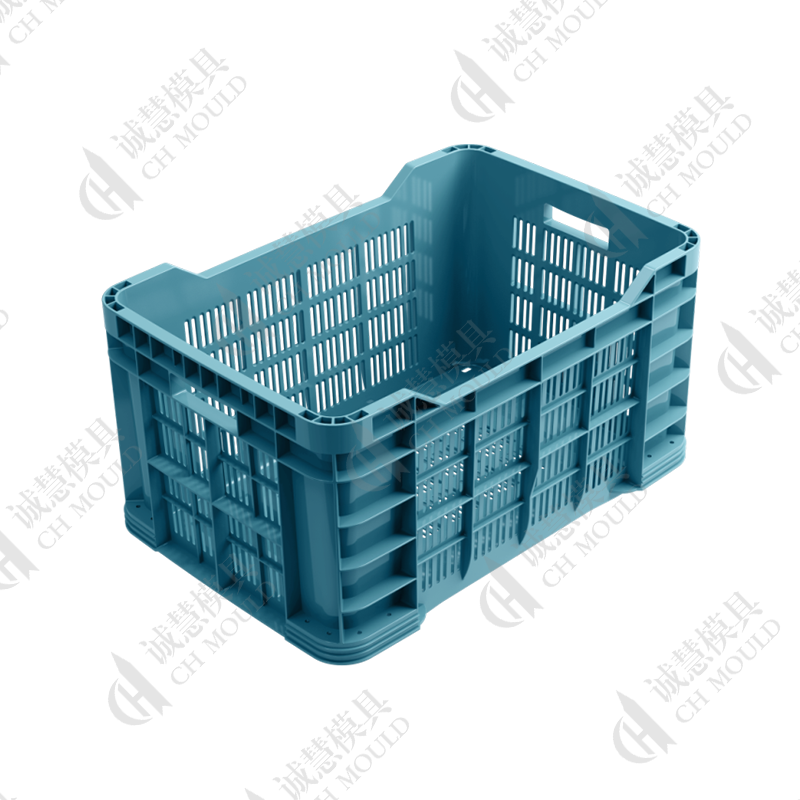
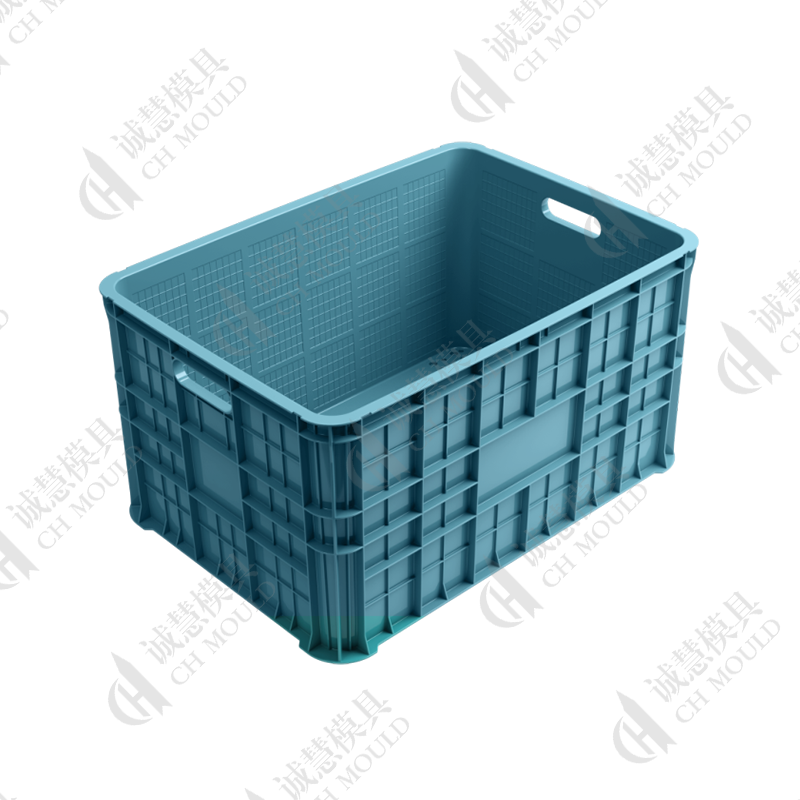
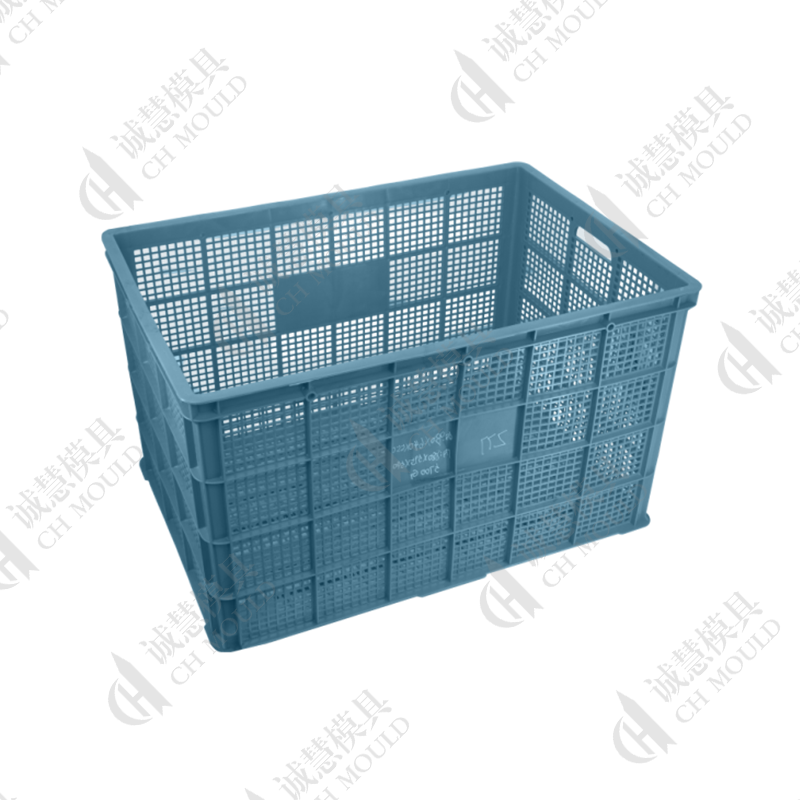
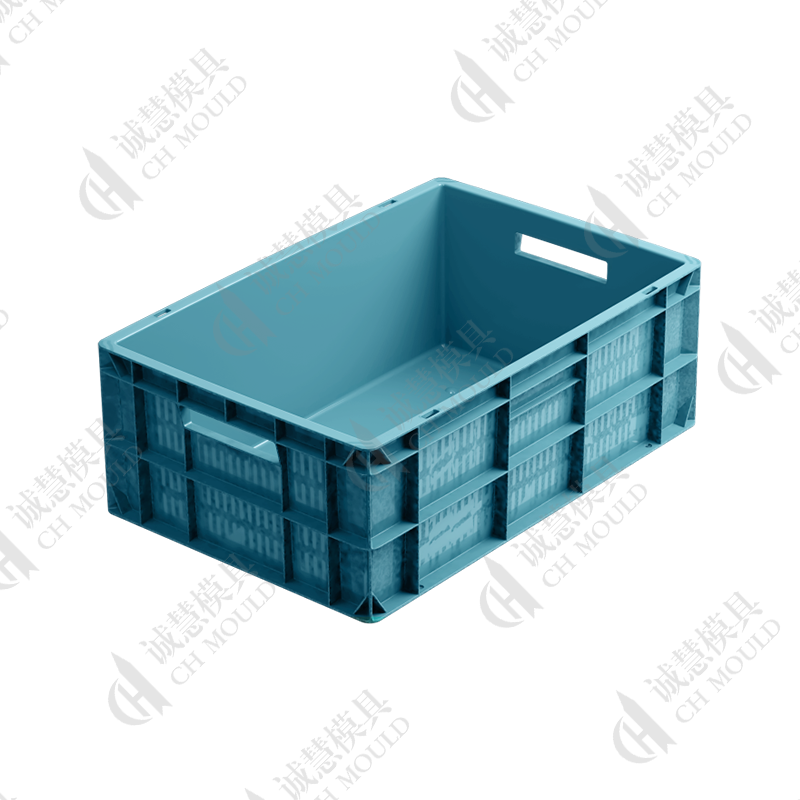
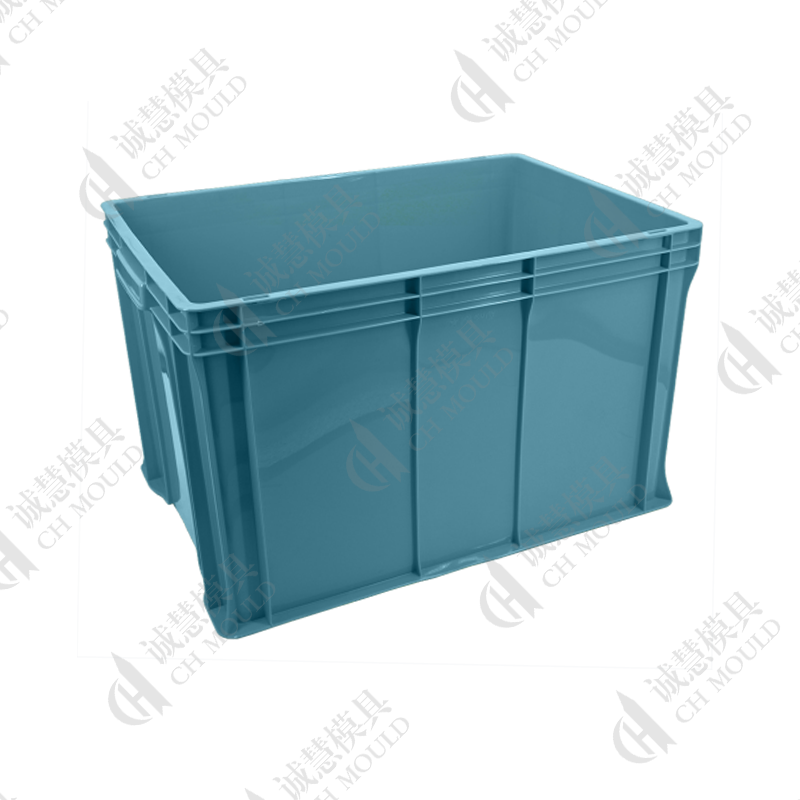
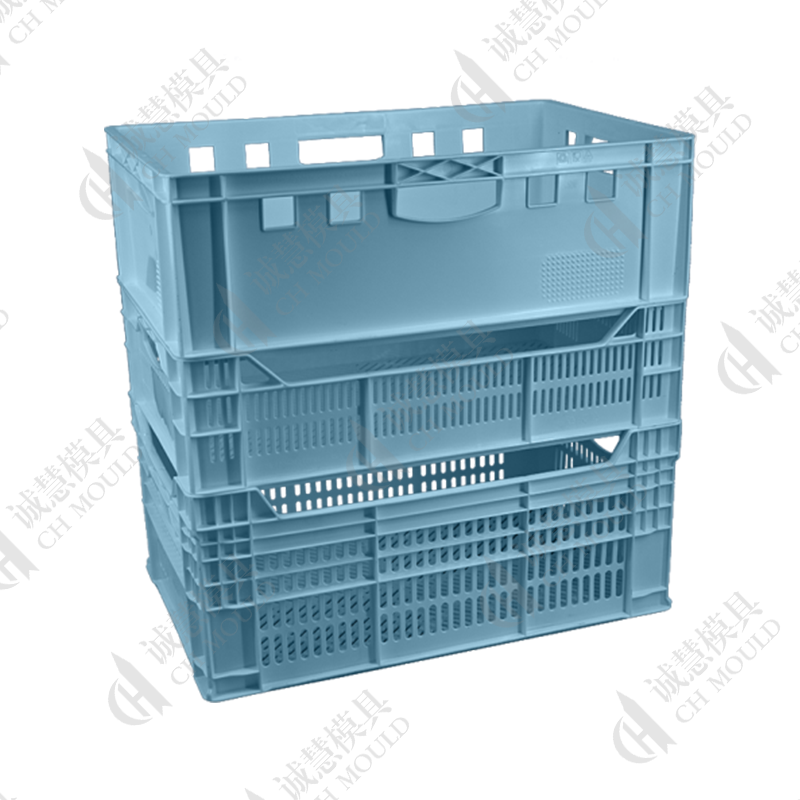
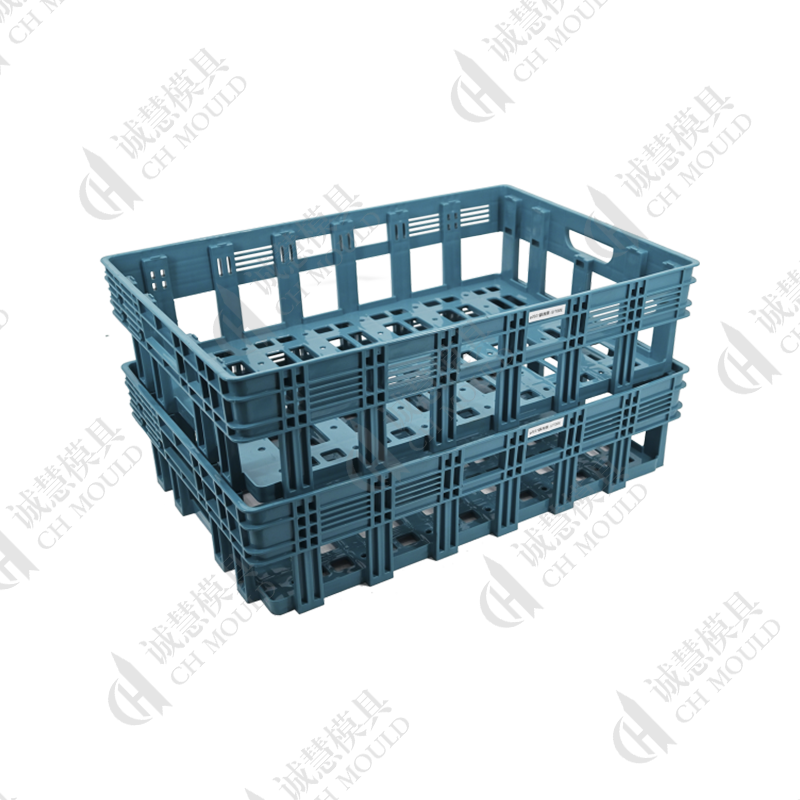
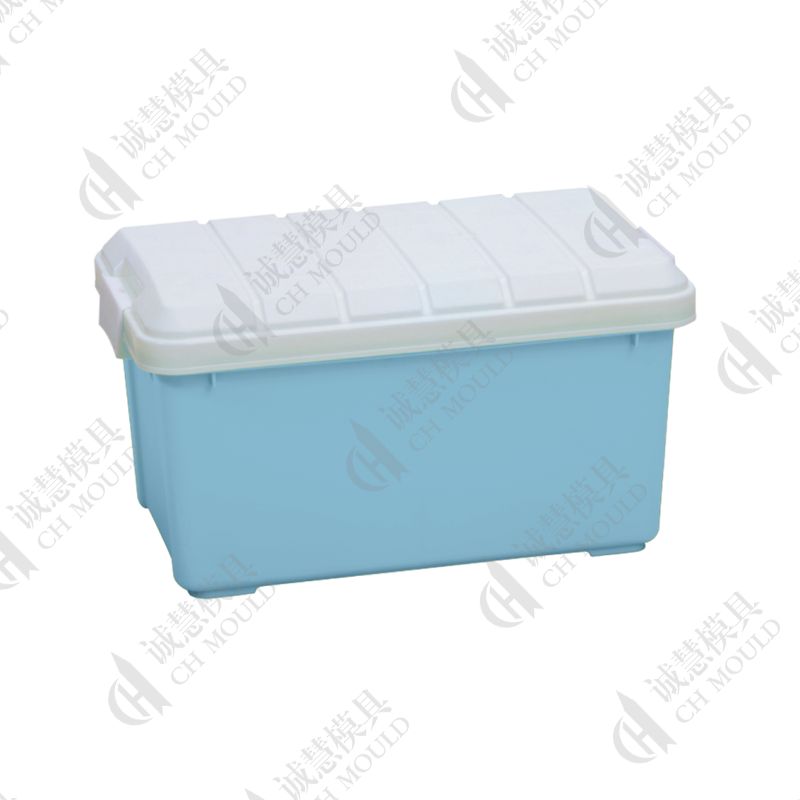
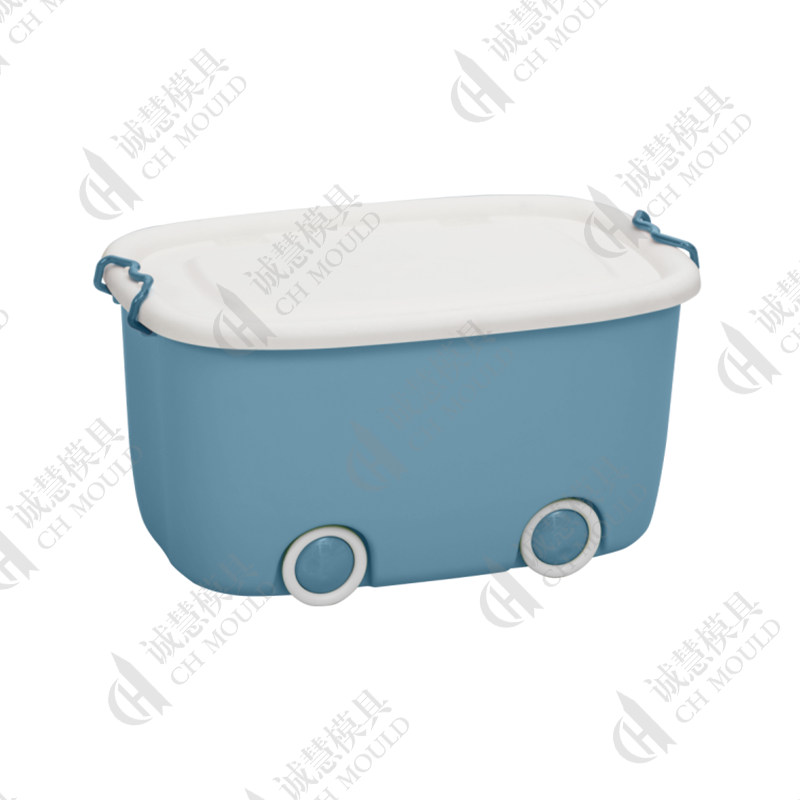
CHENGHUI PET Mold 010
Understanding the Role of a PET Injection Mold
PET, or polyethylene terephthalate, is widely used in packaging, storage, household products, and other applications that require a combination of strength, appearance, chemical resistance, and dimensional stability. Although many people associate PET primarily with bottles, the material can also be used in broader product categories when the product design, processing conditions, and mold structure are properly matched.
An injection mold determines the final shape and key characteristics of a molded product. It controls the external appearance, internal geometry, wall formation, parting line, gate location, ejection method, and many other details. If the mold is poorly designed, even a capable injection molding machine may produce warpage, sink marks, short shots, flash, uneven filling, difficult ejection, or inconsistent dimensions.
For PET storage and houseware products, mold performance is particularly important because these products often include broad surfaces, functional edges, handles, ribs, stacking features, locking structures, or moving interfaces. A storage box must fit its lid. A turnover box must stack correctly. A laundry basket must remain sufficiently rigid while maintaining a clean appearance. A trash can must be strong enough for daily use and attractive enough for retail presentation. Each requirement places different demands on the tooling.
CHENGHUI PET Mold 010 is intended to support this type of demanding production environment. The mold can be developed according to customer drawings, samples, three-dimensional data, or product concepts. This flexibility allows the tooling project to begin at different stages of product development, from an early idea to a finalized design ready for mass production.
Product Advantages of CHENGHUI PET Mold 010
Designed for Customized Product Requirements
One of the most important advantages of PET Mold 010 is its customized development capability. Plastic product manufacturers rarely need a generic mold that performs only one standard function. They often require specific dimensions, surface textures, branding areas, nesting features, reinforced corners, customized handles, or compatibility with existing production equipment.
Chenghui Mould can adjust the tooling solution to the customer’s product requirements. This may include reviewing the product concept, evaluating the drawing, analyzing the sample, confirming the intended material, and considering the expected production volume. The result is a mold design that is aligned with the finished product rather than a standard design that forces the customer to compromise.
Customization is also valuable for brand differentiation. Many storage and houseware products appear similar at first glance, but small differences in proportions, handle geometry, surface patterns, lid structures, or stacking methods can create a distinct market identity. A purpose-built mold allows the manufacturer to develop products that match a particular brand, retail channel, usage environment, or customer group.
Suitable for Storage, Houseware, and Industrial Product Families
The product information associated with PET Mold 010 places it within a broad range of storage and daily-use applications. Chenghui Mould manufactures tooling for PET storage products, tables, chairs, furniture, storage boxes, turnover boxes, laundry baskets, buckets, storage racks, trash cans, and other household and industrial products.
This application experience is valuable because manufacturers often expand a product range after launching a successful item. A customer may initially require a mold for one storage box and later need related molds for a lid, divider, basket, larger container, or matching organizer. A mold supplier that understands product families can help maintain consistent design logic, manufacturing standards, and production expectations across multiple projects.
For industrial and logistics products, mold performance must support repeated handling and transportation. Turnover boxes, pallets, bins, and storage containers may be stacked, nested, loaded, unloaded, and moved many times. Their ribs, feet, corners, and locking elements must be formed accurately. For houseware products, the focus may include visual quality, touch comfort, easy cleaning, and compatibility with home environments. The ability to serve both categories demonstrates the practical breadth of the manufacturer’s experience.
Precision Forming for Consistent Dimensions
Dimensional consistency is one of the primary indicators of injection mold quality. When a mold is accurately machined and properly assembled, it can produce parts with repeatable dimensions over a long production period. This consistency supports assembly, stacking, nesting, closure, and interchangeability.
For example, a storage container with a lid requires the upper rim, sealing area, and locating features to remain within controlled tolerances. If the mold produces excessive variation, the lid may be too tight, too loose, or difficult to align. Similarly, turnover boxes must maintain consistent external and internal dimensions so that they can be stacked efficiently and used with existing logistics systems.
Chenghui Mould emphasizes precision equipment, standardized processes, and strict quality management. These elements work together to reduce variation during design, machining, assembly, and testing. The objective is not simply to create a mold that produces one acceptable sample, but to build tooling that can support stable production after the mold is delivered to the customer.
Reliable Surface Quality
The appearance of a molded product is strongly influenced by the condition and treatment of the mold surface. Smooth surfaces, controlled textures, defined edges, and clean transitions are important for both consumer products and industrial components. A high-quality surface can improve visual appeal, simplify cleaning, and help create a consistent product identity.
Houseware products are often evaluated directly by consumers. Surface defects such as unwanted marks, uneven texture, visible weld lines, or inconsistent gloss can affect purchase decisions. Storage boxes, laundry baskets, buckets, and trash cans may be used in visible areas of homes, offices, stores, and commercial facilities. A well-prepared mold surface helps manufacturers deliver a more professional appearance.
For industrial products, surface quality also affects function. A controlled surface can support easier release, reduce material accumulation, and improve the usability of nesting or stacking features. The appropriate finish depends on the product design and customer requirements. Chenghui Mould can coordinate surface treatment as part of the broader mold manufacturing process.
Support for Efficient Mass Production
A mold must be evaluated not only by its first trial but also by its behavior during repeated production. Industrial customers need tooling that supports reliable cycles, predictable maintenance, and high output. PET Mold 010 is developed with mass-production requirements in mind, making it suitable for customers that serve distribution networks, retailers, logistics operators, and large-volume end users.
Efficient mass production depends on several factors. The mold must fill the cavity properly, cool the product sufficiently, release the part without damage, and return to the correct position during each cycle. If any of these functions is unstable, production may slow down or require excessive manual intervention. A mold with a practical structure reduces the risk of unnecessary downtime and helps manufacturers manage production schedules more effectively.
Chenghui Mould’s own production workshop and professional injection molding machines for mold testing provide an important advantage in this area. Testing in a controlled factory environment allows the team to examine the mold, identify potential issues, make necessary adjustments, and confirm the final result before shipment. This process helps bridge the gap between theoretical design and real production conditions.
Engineering and Manufacturing Process
1. Requirement Review and Product Analysis
Every successful mold project begins with a clear understanding of the product. Before manufacturing begins, the customer’s drawings, samples, product data, material expectations, and production objectives should be reviewed. The mold supplier must understand how the product will be used, how many parts are required, what equipment will be available, and what quality standards must be achieved.
During this stage, Chenghui Mould can assess the product structure and identify areas that may affect molding. These areas may include sharp corners, deep ribs, undercuts, uneven wall sections, thin areas, difficult ejection points, or features that could cause deformation. Early analysis helps reduce design changes later in the project.
Product analysis is also the stage at which practical manufacturing considerations can be discussed. For example, a customer may prioritize an attractive external surface, high stacking strength, a reduced cycle time, or lower material consumption. These goals can sometimes compete with one another. An experienced mold manufacturer can help establish appropriate priorities and recommend a balanced design.
2. Mold Design and Structure Planning
After the product requirements are confirmed, the mold structure is planned. The design must define the core, cavity, parting line, gating arrangement, cooling system, ejection system, guide components, support structure, and other key elements.
The parting line should be positioned carefully to minimize visible marks and support reliable demolding. For consumer products, the location of the parting line can influence appearance. For industrial products, it can influence strength, stacking performance, and ease of trimming. A well-selected parting line also simplifies mold assembly and maintenance.
The gating system must deliver molten plastic into the cavity in a controlled manner. Gate position and size influence filling balance, weld line location, pressure requirements, and cosmetic results. The most suitable arrangement depends on the product geometry, material, expected production conditions, and customer priorities.
The cooling system is equally important. Uneven cooling can cause warpage, dimensional instability, or long cycle times. By considering cooling channels during the design stage, the mold manufacturer can support more uniform temperature control and improved production efficiency.
The ejection system must remove the molded product without distortion or visible damage. Storage products often contain broad surfaces that may resist release, while baskets and containers may have ribs, reinforcing structures, or internal features. Ejector placement and movement must therefore be coordinated with product geometry and material behavior.
3. Precision Machining
Once the design has been approved, the mold components are produced using appropriate machining equipment. Chenghui Mould operates 104 advanced processing machines, providing substantial in-house manufacturing capability. This equipment base supports the production of complex and high-precision tooling components while improving control over project scheduling and process consistency.
Precision machining includes the production of cavity and core components, inserts, sliders, lifters, mold bases, ejector components, cooling elements, and other structural parts. Each component must be manufactured according to the approved design and then checked for dimensional accuracy.
Advanced machinery is important, but equipment alone does not guarantee a good mold. The final result also depends on programming, tooling selection, operator skill, process control, inspection practices, and assembly experience. Chenghui Mould combines its processing resources with standardized procedures and experienced personnel to create a coordinated manufacturing system.
In-house capability can also improve communication. When design, machining, assembly, and testing are managed within one manufacturing organization, technical information can move more efficiently between departments. Potential problems can be addressed with fewer delays, and engineering decisions can be made with a clearer understanding of actual production conditions.
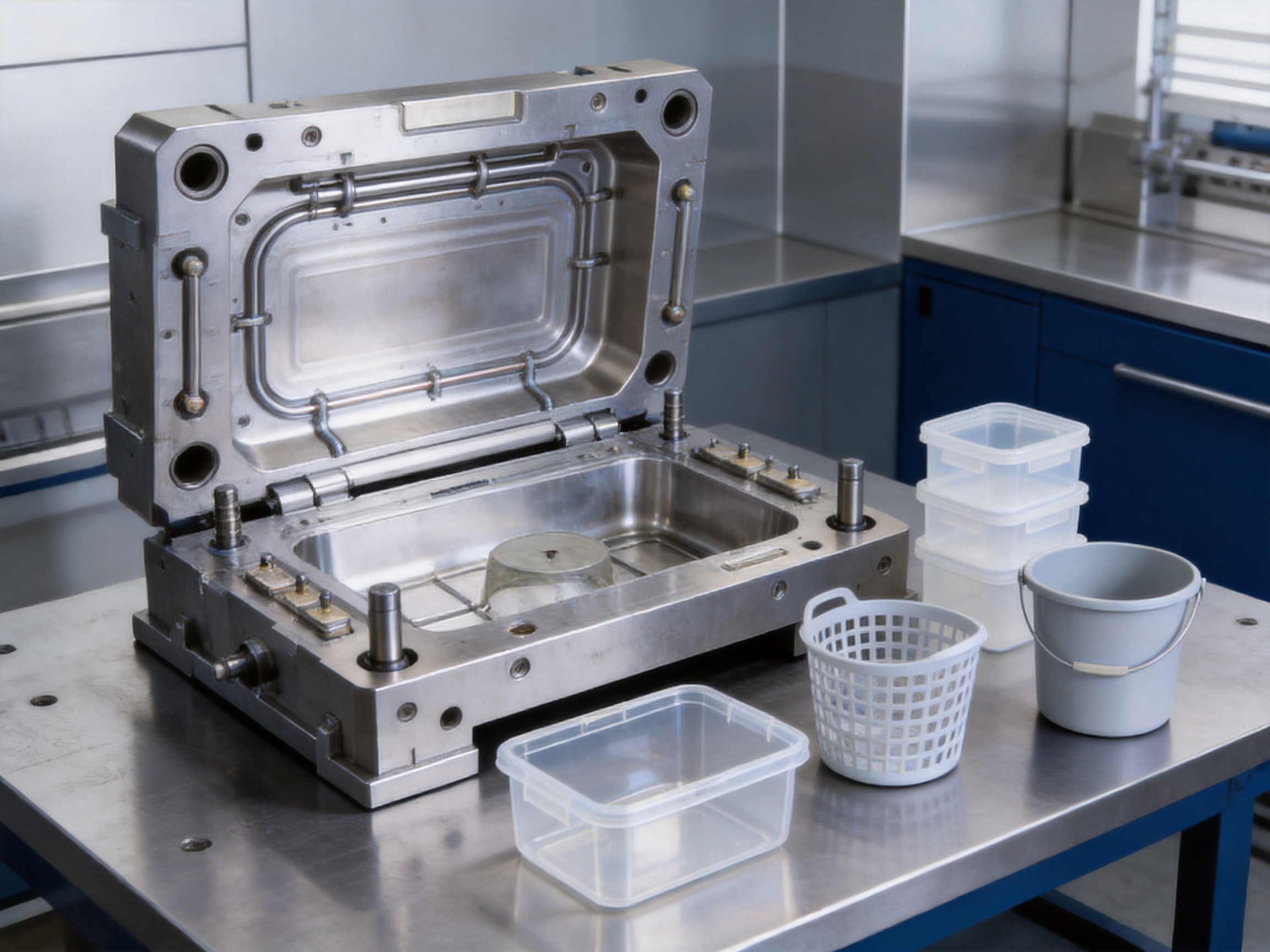
4. Mold Assembly and Fitting
After individual components are machined and inspected, the mold is assembled. This stage requires careful fitting of the core, cavity, guide systems, inserts, ejection components, cooling connections, and other parts. Accurate assembly ensures that the mold closes correctly, maintains alignment, and performs as intended during injection molding.
Proper fitting is especially important for products with large surfaces or detailed functional structures. Even a small mismatch can create flash, uneven edges, dimensional variation, or damage during ejection. Assembly technicians must verify contact surfaces, movement, alignment, and accessibility for future maintenance.
Mold assembly also provides an opportunity to confirm the practical serviceability of the tooling. Maintenance personnel should be able to inspect, clean, lubricate, and replace wear components when necessary. A mold that is difficult to maintain can create avoidable downtime after it enters production. Practical access and organized construction contribute to long-term value.
5. Mold Trial and Sample Evaluation
Trial molding is a critical stage in the manufacturing process. The mold is installed on a professional injection molding machine and used to produce sample parts. These samples are evaluated for filling, appearance, dimensions, ejection, function, and overall product quality.
Trial molding allows the engineering team to observe how the mold behaves under actual processing conditions. The team can review whether the product fills evenly, whether the part releases smoothly, whether the cooling system performs effectively, and whether any visible defects require correction.
Sample evaluation should be based on the customer’s requirements as well as general production considerations. A sample may have the correct shape but still require improvement in surface appearance, assembly fit, cycle time, or dimensional repeatability. The purpose of a professional trial is to identify and solve such issues before the mold is shipped or placed into full production.
Chenghui Mould’s access to professional injection molding machines for mold testing supports this stage of the project. Testing within the company’s manufacturing environment allows the mold team to connect design decisions with actual molded results. It also gives customers a more reliable basis for approving the tooling.
6. Quality Inspection and Final Approval
Quality inspection is carried out throughout the project rather than only at the end. Component dimensions, surface condition, assembly accuracy, mold movement, water connections, ejection performance, and trial samples may all be reviewed. This layered approach helps prevent small issues from developing into larger production problems.
Final approval should confirm that the mold meets the agreed specifications and is ready for delivery. Depending on the project, inspection may include sample measurements, visual checks, functional tests, review of product fit, and confirmation of important mold components. Documentation can also be prepared to support future production and maintenance.
Strict quality management is particularly valuable for export customers. When the customer and mold manufacturer are located in different countries, resolving an unexpected tooling issue may take more time and cost more money. Strong inspection and trial procedures before shipment help reduce this risk.
Manufacturing Strengths Behind the Product
More Than 30 Years of Industry Experience
Zhejiang Chenghui Mould Co., Ltd. was founded in 1994 and has more than 30 years of experience in designing and manufacturing injection molds for daily necessities. This long operating history provides a practical foundation for understanding plastic product development, mold construction, customer communication, and production support.
Experience is valuable because many mold problems are not visible in a basic drawing. A product may appear simple but contain design details that affect filling, shrinkage, cooling, or ejection. Years of accumulated project knowledge help engineers recognize these risks earlier and make more informed recommendations.
Experience also supports more effective communication with international customers. OEM and ODM projects often involve differences in technical terminology, quality expectations, packaging standards, and production equipment. A manufacturer with export experience is better prepared to clarify requirements and organize information during the project.
In-House Production Workshop
Chenghui Mould operates its own production workshop rather than relying entirely on external processing. In-house production can provide stronger control over machining, assembly, trial molding, inspection, and delivery coordination. It also allows the company to manage technical changes more directly.
For customers, this structure can simplify project communication. Instead of coordinating with multiple unrelated suppliers for design, machining, assembly, and testing, the customer can work with one mold manufacturing partner. This can improve accountability and reduce the possibility of information loss between different production stages.
104 Advanced Processing Machines
The company’s 104 advanced processing machines represent a substantial manufacturing resource. A broad equipment base helps support multiple projects and provides the capability to produce detailed mold components with controlled accuracy. It may also improve scheduling flexibility when several customer orders are in progress.
For high-volume customers, manufacturing capacity is an important consideration. A supplier may have strong engineering skills but insufficient production resources, causing delays when demand increases. Chenghui Mould’s equipment and annual production capacity of more than 1,500 mold sets indicate that the company is structured to support a significant volume of tooling projects.
Capacity, however, should be understood together with quality systems. High output is meaningful only when the supplier can maintain consistent standards across different projects. The company’s emphasis on standardized processes and strict quality management is therefore an important complement to its equipment resources.
Annual Production Capacity of More Than 1,500 Mold Sets
An annual capacity exceeding 1,500 mold sets demonstrates the company’s ability to manage a broad customer base and diverse product requirements. It also suggests experience with different mold sizes, product structures, materials, surface treatments, and production objectives.
This capacity can be beneficial for distributors and manufacturers that plan product expansion. A customer may need several molds for a coordinated product line, replacement tooling, or different sizes of a similar item. A supplier with adequate capacity is more likely to support ongoing development without requiring the customer to repeatedly search for new tooling partners.
Advantages Compared with Basic or Low-Cost Mold Suppliers
When comparing PET injection mold suppliers, price is only one factor. A low initial quotation may become expensive if the mold requires repeated corrections, produces inconsistent parts, has poor cooling, or fails prematurely. The better comparison is total production value over the life of the tooling.
Better Control from Design to Testing
A supplier that manages design, machining, assembly, trial molding, and inspection within an integrated process can provide better control than a supplier that outsources most stages without strong coordination. Integrated control helps ensure that the final mold reflects the approved design and that changes are communicated accurately.
Reduced Risk of Production Problems
Professional product analysis and trial molding can reduce the risk of common injection molding problems. These may include short shots, flash, warpage, sink marks, difficult ejection, poor surface appearance, and dimensional inconsistency. No mold manufacturer can eliminate every production variable, but a structured process can identify and address many risks before delivery.
Improved Long-Term Reliability
A mold is a long-term production asset. Its value depends on how reliably it performs after hundreds, thousands, or millions of cycles, depending on the product and operating conditions. Careful material selection, accurate machining, robust assembly, effective cooling, and maintainable construction can improve service life and reduce unplanned repairs.
More Practical Customization
Some low-cost suppliers focus on reproducing an existing design without deeply examining the customer’s product objectives. A professional OEM and ODM mold factory contributes more value by reviewing the product, asking relevant questions, identifying design risks, and suggesting improvements. This approach is especially useful when the customer has a new product concept or limited tooling experience.
More Reliable International Cooperation
Chenghui Mould exports products to the Middle East, Europe, America, Africa, Southeast Asia, and other regions. International experience can support clearer communication, better awareness of export requirements, and more organized project coordination. For overseas customers, these factors may be as important as machining capability.
Applications for PET Mold 010
Storage Boxes and Organizers
Storage boxes require accurate dimensions, reliable wall formation, and practical features such as lids, handles, stacking structures, or nesting geometry. Mold precision affects whether products fit together correctly and whether they can be transported efficiently. Surface appearance is also important because many storage products are sold directly to consumers.
Turnover Boxes and Logistics Containers
Turnover boxes are used in warehouses, factories, retail distribution, agriculture, and transportation. They need to withstand repeated handling and may be stacked or nested to save space. Reinforced corners, ribs, bases, handles, and locating features must be formed accurately. Mold stability is essential for maintaining consistent performance across large production runs.
Laundry Baskets
Laundry baskets combine functional strength with household appearance. They may include ventilation openings, carrying handles, rounded edges, and reinforced rims. The mold must form these features clearly while supporting smooth demolding and an attractive surface finish. Consistency is important because consumers expect the basket to remain stable when loaded.
Buckets and Trash Cans
Buckets and trash cans often require durable walls, comfortable rims, strong handles, and stable bases. Depending on the design, the mold may need to form tapered walls, internal supports, lid interfaces, or reinforced sections. Product appearance can be important in retail and household environments, while structural performance is essential for daily use.
Storage Racks and Furniture Components
Plastic storage racks, tables, chairs, and furniture components may contain larger dimensions and load-bearing features. Mold design must account for stiffness, support structures, assembly interfaces, and dimensional stability. A product that looks acceptable but lacks structural consistency may fail during use. Proper engineering and testing help improve confidence in the finished component.
PET Storage Products and Related Industrial Items
The mold can also support other customized PET storage products and industrial plastic items. The actual application depends on the customer’s design, material specification, machine conditions, and production goals. Chenghui Mould’s broad daily-necessities experience enables the company to evaluate different product concepts and develop an appropriate tooling solution.
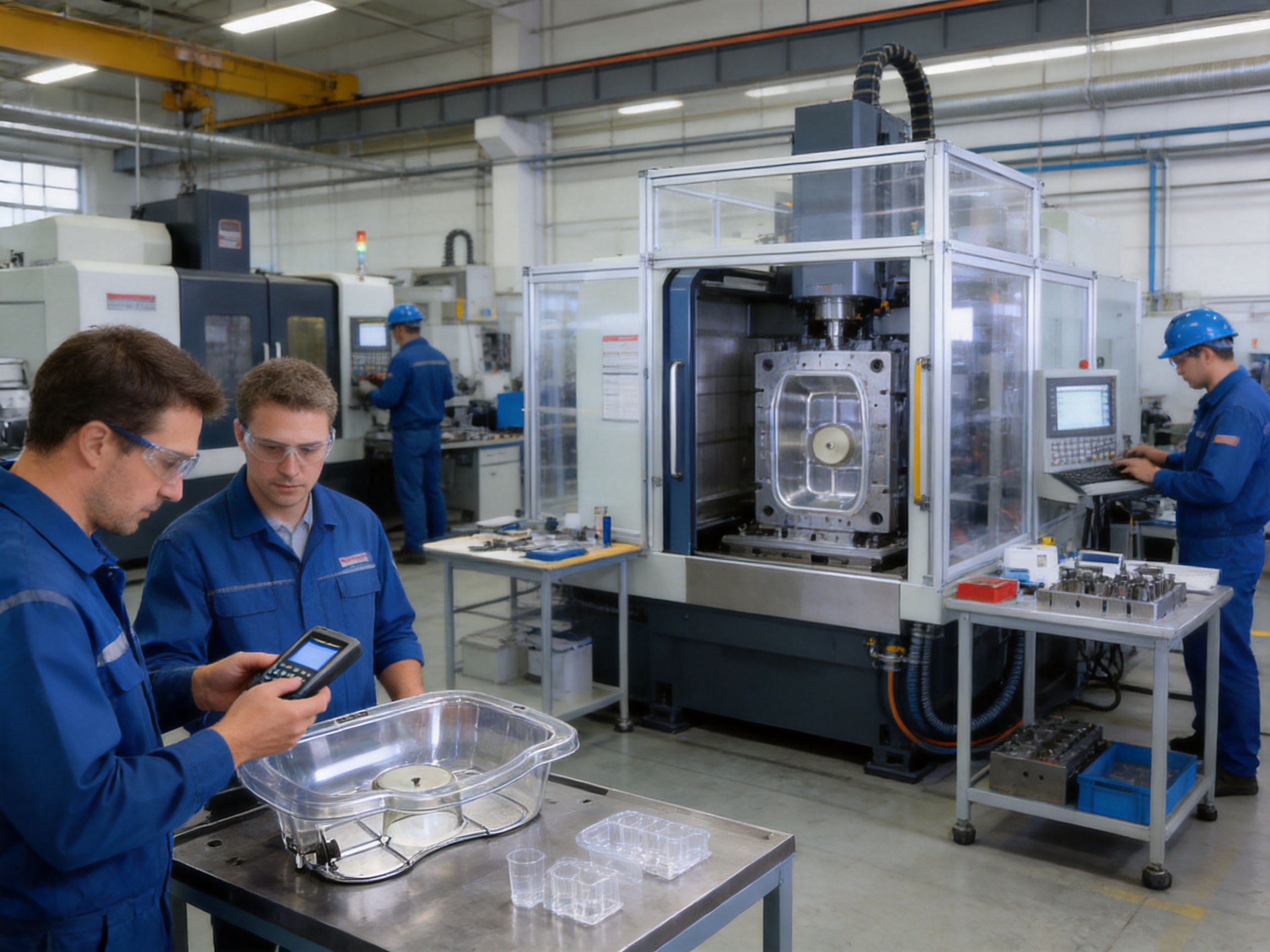
Project Workflow for OEM and ODM Customers
Initial Consultation
The customer provides product drawings, samples, three-dimensional data, photographs, or a basic concept. Information about product dimensions, intended material, expected annual volume, injection molding machine, surface finish, and target market is useful at this stage.
Technical Review
The mold engineering team studies the product and identifies possible design improvements. Questions may address wall thickness, draft angles, undercuts, parting lines, gates, cooling, ejection, product tolerances, and assembly requirements.
Quotation and Project Confirmation
After technical information is reviewed, the scope of work, tooling structure, expected schedule, testing plan, and commercial terms can be confirmed. Clear project documentation helps ensure that both parties share the same expectations.
Design Approval
The mold design is prepared for customer review. Adjustments can be made before machining begins. This stage is especially important for customized products because design decisions affect appearance, function, tooling cost, and future production.
Tooling Manufacture
Approved mold components are machined, inspected, assembled, and fitted within the company’s production system. Progress can be monitored according to the project plan.
Trial Production and Corrections
The completed mold is tested on an injection molding machine. Sample parts are evaluated, and reasonable corrections are made if necessary. The objective is to deliver a mold that performs reliably under practical conditions.
Final Inspection and Delivery
After approval, the mold is prepared for shipment. Relevant samples, inspection information, and technical details can be organized for the customer’s production team. Continued communication after delivery helps support installation, operation, and maintenance.
Key Quality Considerations for Buyers
| Evaluation Area | Why It Matters | What Buyers Should Confirm |
|---|---|---|
| Product Design Compatibility | The mold must accurately reproduce the intended product and support its function. | Review drawings, samples, dimensions, draft, undercuts, and assembly features. |
| Material Suitability | Different plastic materials behave differently during filling, cooling, shrinkage, and ejection. | Confirm the intended PET grade or other approved material and processing conditions. |
| Cooling Performance | Balanced cooling supports dimensional stability and cycle efficiency. | Review cooling layout, connections, accessibility, and trial results. |
| Ejection Reliability | Improper ejection can damage parts or create production interruptions. | Check ejection locations, movement, marks, and sample release performance. |
| Surface Finish | Surface condition influences product appearance, cleaning, and brand presentation. | Approve texture, polish, gloss, and visible parting-line expectations. |
| Production Capacity | A capable factory is more likely to support complex projects and repeat orders. | Review equipment, workshop resources, annual capacity, and testing capability. |
| Quality Management | Inspection reduces the risk of defects and inconsistent tooling. | Confirm component inspection, assembly checks, trial molding, and final approval procedures. |
| After-Sales Support | Technical assistance can reduce downtime after installation. | Discuss documentation, maintenance guidance, troubleshooting, and communication channels. |
How the Mold Supports Cost Efficiency
The cost of an injection mold should be considered over the complete production life cycle. A mold that is slightly less expensive to purchase may not be the most economical option if it creates high scrap rates, slow cycles, frequent maintenance, or inconsistent products.
Accurate mold design can reduce material waste by supporting appropriate wall structures and balanced filling. Effective cooling can help shorten cycle time and improve output. Reliable ejection can reduce manual handling and minimize damage. Consistent dimensions can reduce assembly problems and customer complaints.
For wholesalers and distributors, quality consistency also protects market relationships. A shipment containing products with mismatched lids, unstable stacking, weak handles, or poor surfaces can lead to returns and reputational damage. Reliable tooling helps the product manufacturer maintain a more predictable supply to customers.
For brand owners, a well-made mold can support long-term product continuity. Once a product has entered the market, customers expect future batches to match the original design. Stable tooling reduces variation between production runs and supports repeat purchasing.
Maintenance and Long-Term Mold Performance
Even a high-quality mold requires appropriate care. Maintenance practices may include cleaning product residue, checking guide components, inspecting the cooling system, lubricating moving parts, examining ejector components, and protecting the mold during storage.
The customer’s production conditions also influence service life. Excessive injection pressure, unsuitable material, poor water quality, insufficient lubrication, incorrect mold installation, or improper handling can create unnecessary wear. Operators should follow the agreed processing recommendations and establish a regular inspection schedule.
A maintainable mold structure makes these tasks easier. Components that can be accessed, inspected, and replaced without unnecessary disassembly support faster service. During the project, customers can discuss recommended spare parts, maintenance intervals, storage procedures, and troubleshooting methods with the mold supplier.
Chenghui Mould’s after-sales support is part of its broader service offering. The company’s responsibility does not end when the mold leaves the factory. Continued technical communication can help customers solve operational questions and preserve the tooling’s performance.
Why Choose an Experienced China Mold Factory
China has become an important source of injection molds for global manufacturers because of its combination of engineering resources, processing equipment, production capacity, and manufacturing experience. However, the quality of suppliers varies significantly. Buyers should look beyond general claims and examine actual equipment, processes, application experience, inspection methods, and communication capability.
Chenghui Mould offers the advantages of a specialized factory focused on injection molds for daily necessities and related industrial products. Its long history, in-house workshop, advanced processing equipment, professional mold testing machines, and export experience provide a strong foundation for international OEM and ODM cooperation.
A suitable China mold factory should be able to understand the customer’s product objectives rather than simply manufacture metal components. It should review design risks, provide practical recommendations, control machining, conduct trials, and support the customer after delivery. This complete approach can create more value than selecting a supplier based only on the lowest quotation.
For overseas buyers, supplier transparency is also important. Customers may wish to understand the manufacturing location, project workflow, inspection process, testing capability, production capacity, and communication arrangements before placing an order. A factory that can clearly explain these areas demonstrates stronger readiness for professional cooperation.
Frequently Asked Questions
What type of product is CHENGHUI PET Mold 010 used for?
CHENGHUI PET Mold 010 is intended for customized PET injection molding applications, especially storage products, houseware, daily necessities, and related industrial products. Potential applications include storage boxes, turnover boxes, laundry baskets, buckets, storage racks, trash cans, furniture components, and other products designed according to customer requirements.
Can the mold be customized according to a customer drawing?
Yes. Chenghui Mould provides customized mold design and manufacturing services. Customers can submit drawings, samples, three-dimensional data, or product concepts for technical review. The mold structure can then be developed according to the product’s dimensions, function, surface requirements, material, and expected production conditions.
Does the company provide OEM and ODM services?
Yes. The company supports both OEM and ODM tooling projects. OEM customers may provide an established product design for mold production, while ODM customers may require assistance during product development, design review, sample development, and engineering optimization.
How does Chenghui Mould verify mold performance?
The company uses professional injection molding machines for mold testing. Trial molding allows the engineering team to evaluate filling, ejection, appearance, dimensions, cooling, and general production performance. Corrections can be made before final delivery when necessary.
What manufacturing resources does the company have?
Chenghui Mould operates its own production workshop and has 104 advanced processing machines. The company also has an annual production capacity of more than 1,500 mold sets. These resources support the manufacture of customized injection molds for a broad range of household and industrial products.
What quality advantages can a professional mold provide?
A professional mold can support more consistent dimensions, improved surface appearance, reliable ejection, better cooling performance, stable production cycles, reduced scrap, and easier maintenance. The actual result depends on the product design, material, machine, processing conditions, and maintenance practices, but high-quality tooling provides an essential foundation.
Does the company export injection molds?
Yes. Chenghui Mould exports its products to the Middle East, Europe, America, Africa, Southeast Asia, and other regions. Its international experience supports cooperation with overseas manufacturers, wholesalers, distributors, and brand owners.
What information should a buyer provide when requesting a quotation?
A buyer should provide the product drawing or sample, product dimensions, intended material, expected production volume, surface finish, color requirements, injection molding machine information, delivery expectations, and any special functional requirements. More complete information enables a more accurate technical assessment and quotation.
Can the mold be used for mass production?
Yes. PET Mold 010 is developed for customers requiring reliable tooling for mass production. The mold structure, cooling system, ejection system, and processing parameters should be confirmed according to the specific product and expected production conditions.
How should a customer maintain the mold after delivery?
The customer should clean the mold regularly, inspect moving components, maintain lubrication, monitor the cooling system, protect the mold from corrosion, and follow suitable installation and processing procedures. Chenghui Mould can provide technical communication and after-sales support for maintenance and operation questions.
Conclusion
CHENGHUI PET Mold 010 is a customized injection mold solution for manufacturers seeking reliable tooling for PET storage products, houseware, daily necessities, and industrial applications. Its value comes from more than the mold structure itself. It is supported by a complete manufacturing process that includes product analysis, mold design, precision machining, assembly, trial molding, quality inspection, delivery, and after-sales communication.
Zhejiang Chenghui Mould Co., Ltd. combines more than 30 years of industry experience with an in-house production workshop, 104 advanced processing machines, professional mold testing equipment, strict quality management, and annual production capacity exceeding 1,500 mold sets. These strengths enable the company to serve customers that require customized OEM and ODM tooling for both individual products and expanding product families.
Compared with basic or low-cost tooling solutions, a professionally developed mold can provide greater long-term value through consistent dimensions, reliable production, improved appearance, lower waste, easier maintenance, and reduced risk. For manufacturers, wholesalers, distributors, and brand owners, these benefits can support stronger product quality and more dependable supply.
By combining technical capability, practical manufacturing experience, customized service, and international cooperation, Chenghui Mould aims to become a trusted partner for precision injection mold projects. PET Mold 010 is an example of how thoughtful engineering and controlled production can help transform a plastic product concept into a stable, repeatable, and market-ready manufacturing solution.
References
1. Zhejiang Chenghui Mould Co., Ltd. Company information and product material supplied for this article.
2. General principles of plastic injection mold design, including product analysis, gating, cooling, ejection, mold assembly, and trial molding.
3. General engineering guidance for PET material processing, dimensional control, surface quality, and injection molding production.
4. General manufacturing quality-management practices for precision injection mold production.
5. General international OEM and ODM tooling project-management practices for plastic product development.