
 Français
 Español
 عربى
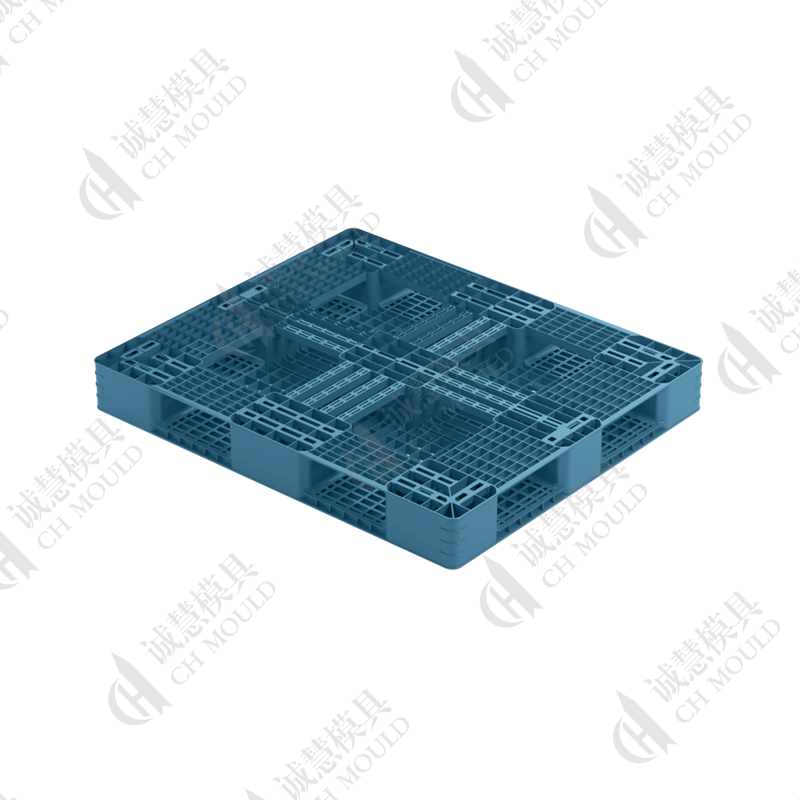
عربىPlastic pallets are widely used in warehousing, manufacturing, retail distribution, and logistics operations, where dimensional consistency and reliable handling are important. For pallet producers, however, the finished product depends on more than the selected resin or molding machine. Mold structure, cooling performance, material flow, and maintenance planning can all influence production efficiency and pallet quality. Identifying potential problems during mold development helps manufacturers make better equipment decisions, reduce avoidable trial adjustments, and prepare for stable production as order requirements change.
Start With the Intended Pallet Application
A mold should be developed around the pallet's expected working conditions rather than its external dimensions alone. A pallet designed for warehouse storage may have different structural requirements from one used in automated handling, export packaging, or repeated industrial transport.
Before discussing mold specifications, buyers should clarify the intended load conditions, pallet dimensions, entry direction for handling equipment, and whether the design includes reinforcing features. These requirements influence the arrangement of ribs, support blocks, openings, and other structural details.
For manufacturers, confirming the application early creates a clearer foundation for mold design and helps prevent costly changes after machining has begun.
Evaluate Material Flow and Structural Balance
During injection molding, molten plastic must flow through the mold cavity and fill the intended geometry. If the flow path is poorly balanced, some areas may fill differently from others, potentially contributing to uneven shrinkage, warpage, or incomplete filling.
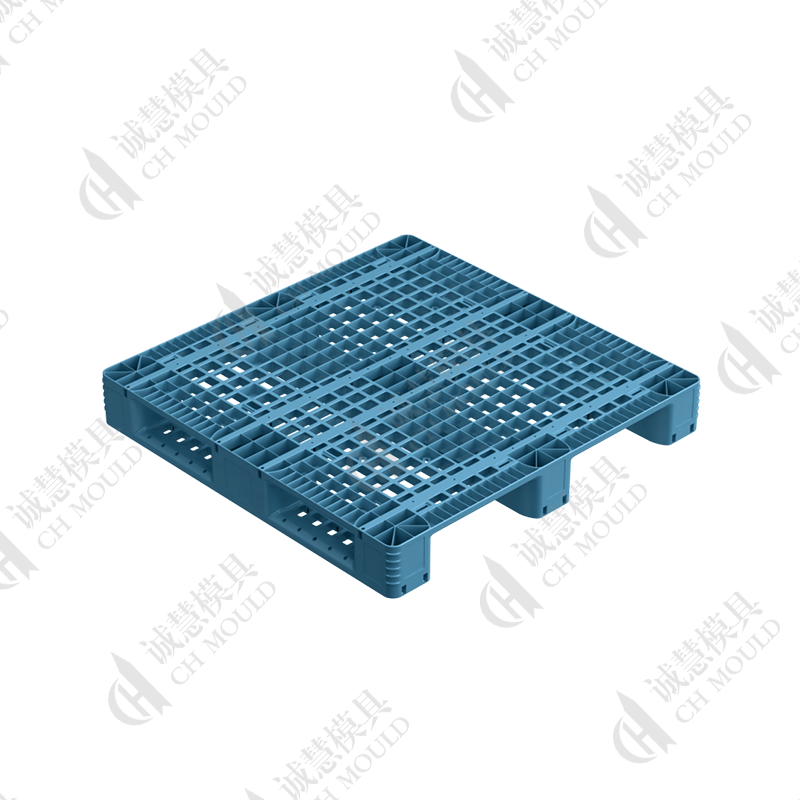
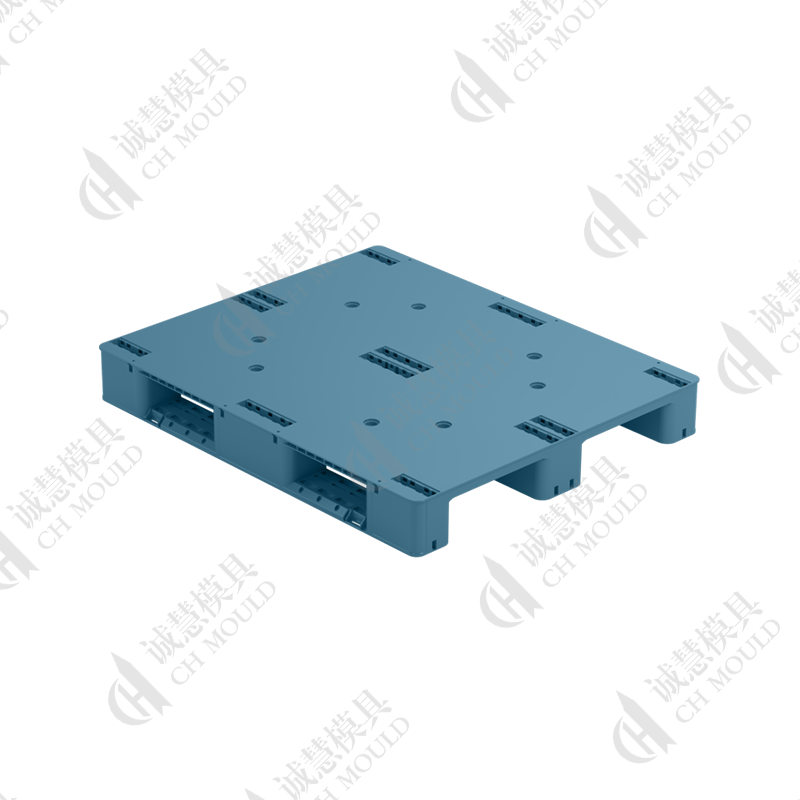
A well-planned Plastic Pallet Mold should be assessed for gate placement, runner design where applicable, wall thickness transitions, and the distribution of structural features. These elements need to work with the selected resin and molding process.
Design review and mold-flow simulation, when appropriate, can help identify potential filling or cooling concerns before the first trial. Simulation supports engineering decisions, but physical trials remain necessary to verify actual molding performance.
Pay Attention to Cooling Efficiency
Cooling influences cycle time, dimensional stability, and the way a molded pallet retains its shape after ejection. Uneven cooling across a large pallet cavity can contribute to differences in shrinkage, particularly where wall thickness or structural geometry changes.
Mold designers should consider cooling-channel placement and access for maintenance while evaluating the geometry of the pallet. The objective is not simply to shorten cooling time, but to achieve a practical balance between productivity and consistent part quality.
During mold trials, manufacturers can examine cycle behavior, dimensional results, and visible deformation to determine whether cooling adjustments are needed.
Make Ejection and Demolding Part of the Design
Pallets contain ribs, openings, support feet, and other features that can complicate demolding. Insufficient draft, unsuitable ejector placement, or uneven release forces may leave marks, cause deformation, or make automated handling less reliable.
Engineering reviews should therefore examine:
- Draft angles and the release direction of molded features
- Ejector locations and force distribution
- Areas where the pallet may stick or flex during release
- Compatibility with the planned production automation
- Accessibility for cleaning and maintenance
These details are particularly important when a pallet has a complex underside or a large molded surface. Reviewing them before manufacturing helps reduce the need for structural changes later.
Use Trial Molding to Validate the Design
A mold that looks correct in a design file still needs to demonstrate its performance under real production conditions. Trial molding allows engineers to evaluate filling, shrinkage, surface appearance, dimensions, and demolding behavior using the intended material and processing setup.
Manufacturers should document trial settings and inspection results instead of relying only on visual approval. If adjustments are necessary, recording the changes makes it easier to understand their effects and reproduce the approved process.
Buyers can also agree on acceptance criteria before sampling, including critical dimensions, visible defects, and functional requirements relevant to the pallet's intended use.
Plan for Maintenance Throughout the Mold's Service Life
Maintenance requirements influence the long-term practicality of a mold. Large molds may contain cooling circuits, moving components, ejector systems, and other areas that need routine inspection.
A maintenance plan should identify accessible service points, lubrication requirements where applicable, cleaning procedures, and checks for wear or damage. Manufacturers should also retain drawings and records of approved modifications so that future repairs do not create unintended differences in the molded product.
Considering maintenance during the design stage can help production teams manage downtime and preserve consistent operating conditions.
Turn Mold Engineering Into Production Value
A suitable mold connects pallet design requirements with the realities of injection molding, quality inspection, and factory maintenance. For overseas buyers, evaluating these factors before placing an order can make technical discussions more productive and clarify what should be verified during sampling. As a Plastic Pallet Mold manufacturer, focusing on structural design, cooling, demolding, trial validation, and serviceability provides a more practical basis for developing molds that meet production requirements and support repeatable pallet manufacturing.