
 Français
 Español
 عربى
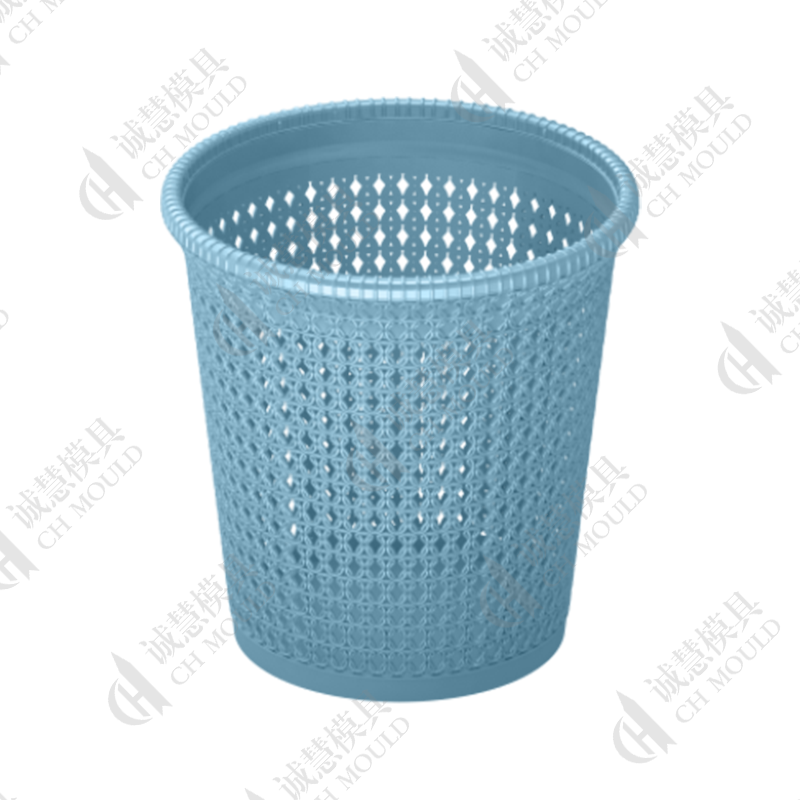
Household dust bins are no longer limited to basic open-top containers. Pedal-operated lids, removable inner buckets, soft-closing mechanisms, and space-saving shapes are becoming common features in modern household waste management products. For plastic product manufacturers, these designs create additional requirements for injection tooling and component assembly. A properly engineered Household Dust Bin Mold helps translate product functions into manufacturable plastic components while maintaining dimensional accuracy, surface quality, and production consistency.
How Are Functional Features Changing Dust Bin Manufacturing?
Modern consumers expect household waste bins to be convenient, hygienic, and easy to maintain. Features such as foot pedals allow users to open lids without touching the container, while removable inner buckets make waste disposal and cleaning easier.
However, these functions often require multiple molded components rather than a single plastic body. The bin body, lid, pedal housing, and inner bucket may each need different mold structures and dimensional specifications.
Manufacturers should therefore evaluate the complete product assembly before starting mold development. This helps ensure that individual components fit together correctly and function as intended.
Why Is Dimensional Accuracy Important for Moving Components?
For a basic storage container, small dimensional variations may have limited practical impact. However, products with hinges, pedals, and detachable parts require closer dimensional control.
For example, an incorrectly positioned hinge connection may affect lid movement, while an unsuitable fitting tolerance can make an inner bucket difficult to remove.
When developing a plastic dust bin injection mold, manufacturers should pay attention to:
- Assembly gaps between the lid and container body.
- Hinge positions and connecting structures.
- Fitting dimensions of removable components.
- Shrinkage allowance of the selected plastic material.
These details help reduce assembly difficulties during mass production.
Which Mold Design Factors Influence Surface Quality?
Large visible surfaces are common in household dust bins, making surface defects particularly noticeable. Flow marks, weld lines, sink marks, and uneven textures can affect the finished product's appearance.
Gate positioning, venting, cooling layout, and cavity surface treatment all influence the final molding result. The design should also consider the plastic material and product geometry to achieve suitable filling conditions.
For manufacturers producing retail-oriented household products, consistent surface appearance across production batches is an important quality consideration.
Can One Mold Solution Support Different Product Variations?
Household goods suppliers often develop product collections with different capacities, colors, and lid styles. Although some designs share similar structures, their tooling requirements may vary.
A mold manufacturer can evaluate whether interchangeable inserts or separate molds are more suitable for the planned product range. This decision depends on structural differences, production volume, tooling complexity, and machine compatibility.
Discussing future product variations before manufacturing begins may help buyers avoid unnecessary tooling investment.
What Should Buyers Request Before Confirming a Mold Order?
A reliable quotation should reflect the actual product requirements rather than just the approximate size of the dust bin.
Overseas buyers should prepare 3D drawings, plastic material specifications, component assembly details, and expected production quantities. They should also discuss mold steel selection, cooling arrangements, ejection methods, and trial requirements with the supplier.
These discussions help establish realistic expectations for tooling development and subsequent production.
Why Does Trial Molding Matter for Household Dust Bins?
Trial molding allows manufacturers to check whether the mold can produce components that meet the intended design requirements. Particular attention should be given to lid fitting, hinge connections, pedal-related components, and the dimensional consistency of large plastic bodies.
If adjustments are needed, the manufacturer can review molding conditions or tooling details before proceeding to regular production.
As a manufacturer, we consider mold testing an important part of product development because successful tooling must support not only the initial sample but also repeatable manufacturing.
A well-developed Household Dust Bin Mold helps manufacturers produce functional, visually consistent, and properly assembled household waste containers. By coordinating product design, component tolerances, and mold construction from the beginning, overseas buyers can develop more competitive dust bin products while improving production reliability.