
 Français
 Español
 عربى
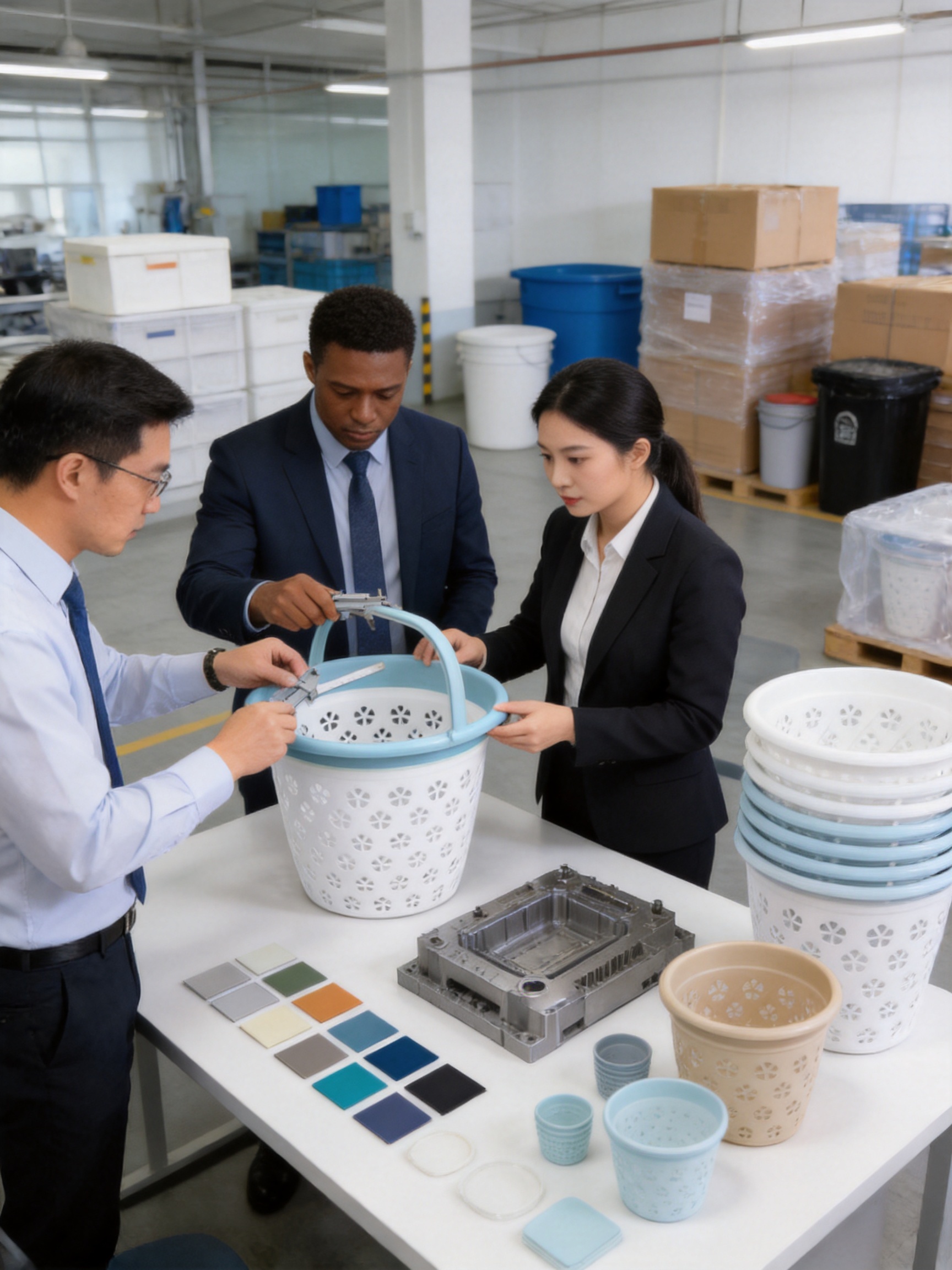
The laundry basket is a familiar household product, but producing a high-quality laundry basket at commercial scale requires much more than a simple plastic cavity. The mold must support attractive product styling, strong structural performance, efficient filling, stable cooling, reliable ejection, and long-term production consistency. For mold buyers, these requirements directly affect unit cost, product quality, cycle time, maintenance frequency, and customer satisfaction.
The CHENGHUI Laundry Basket Mold 004 is designed for manufacturers, wholesalers, distributors, and household-product brands seeking a dependable injection mold for mass production. Developed by Zhejiang Chenghui Mould Co., Ltd., the mold reflects the company’s long experience in daily-necessity tooling and its ability to provide customized OEM and ODM solutions. It is intended for laundry basket production, while its design and manufacturing principles are also relevant to related storage and household products.
A well-engineered laundry basket mold must balance multiple factors at the same time. The basket needs sufficient rigidity for carrying clothing, evenly distributed wall thickness for attractive appearance, smooth surfaces for easy cleaning, and practical openings for ventilation and drainage. It must also be easy to demold without deformation or visible marks. The CHENGHUI Laundry Basket Mold 004 is developed around these production requirements, providing a practical tooling solution for manufacturers that need repeatable output and controlled operating costs.
This article examines the product’s design value, manufacturing advantages, quality-control approach, application potential, and supplier capabilities. It also explains how a professional mold factory can support a project from initial concept and drawing review through mold testing, production validation, delivery, and after-sales service.
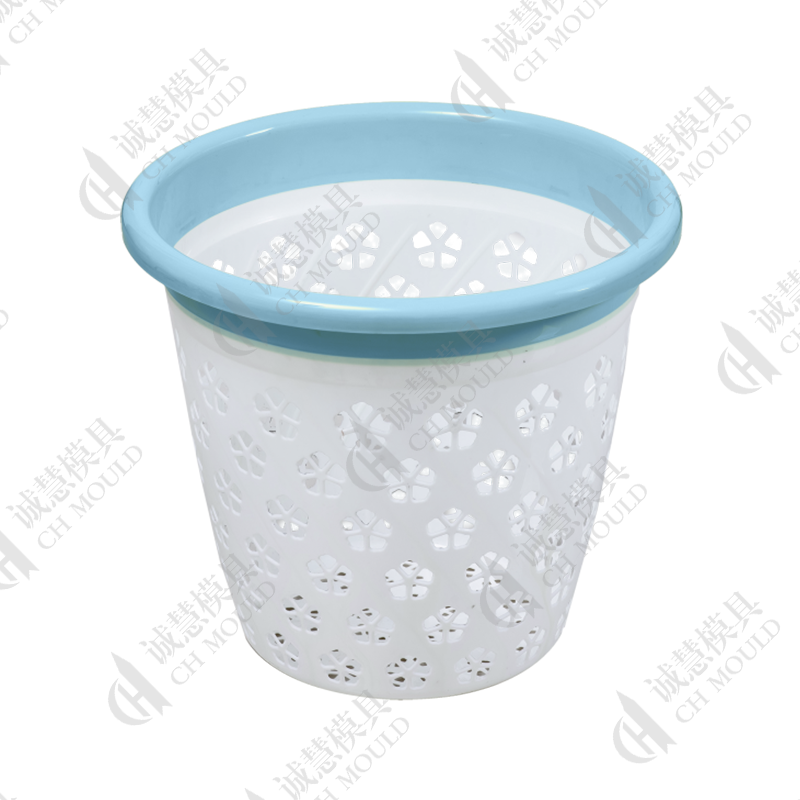
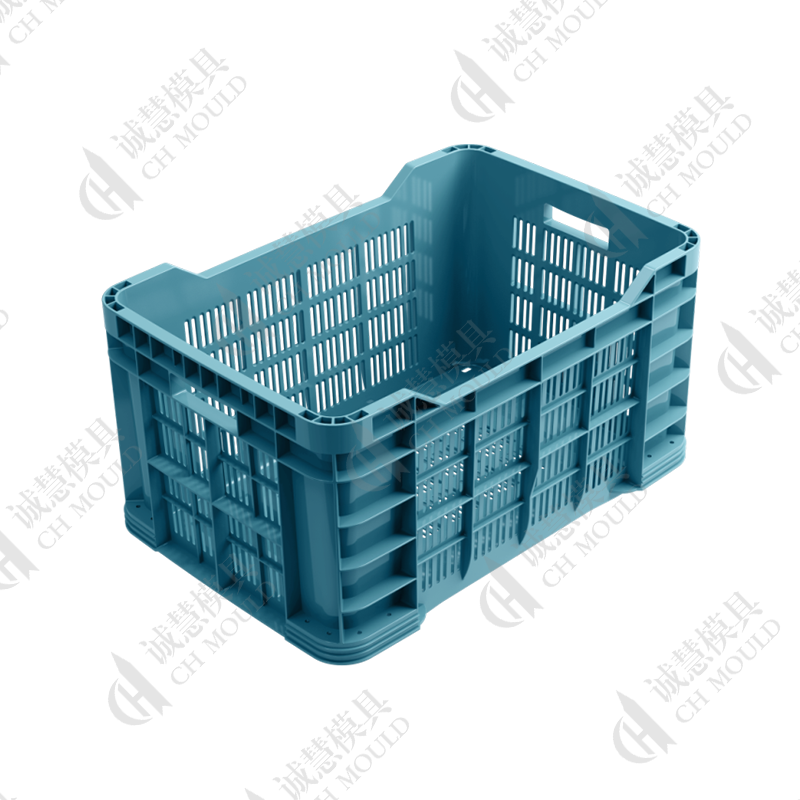
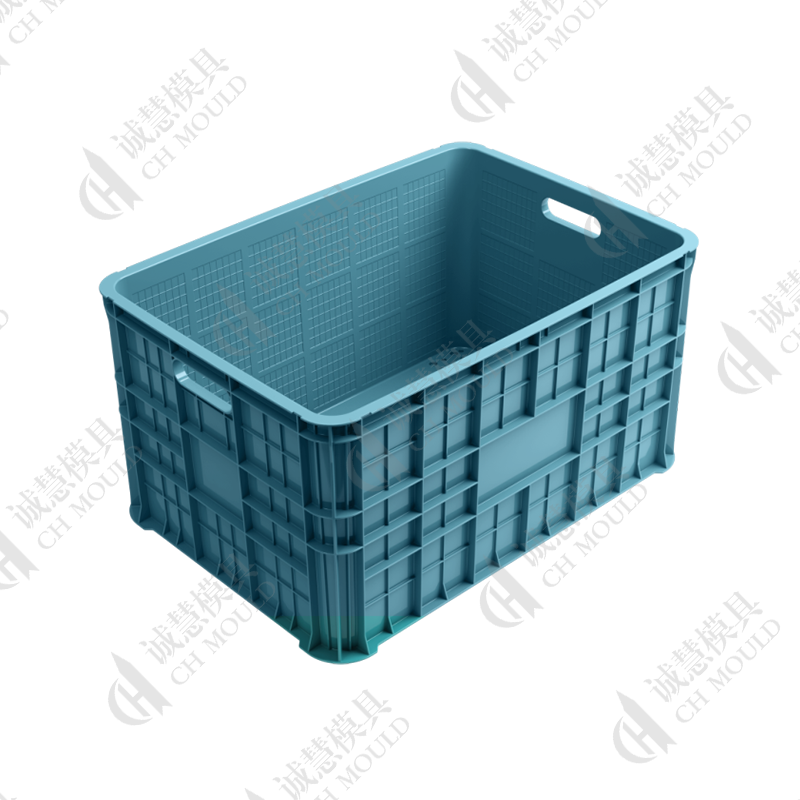
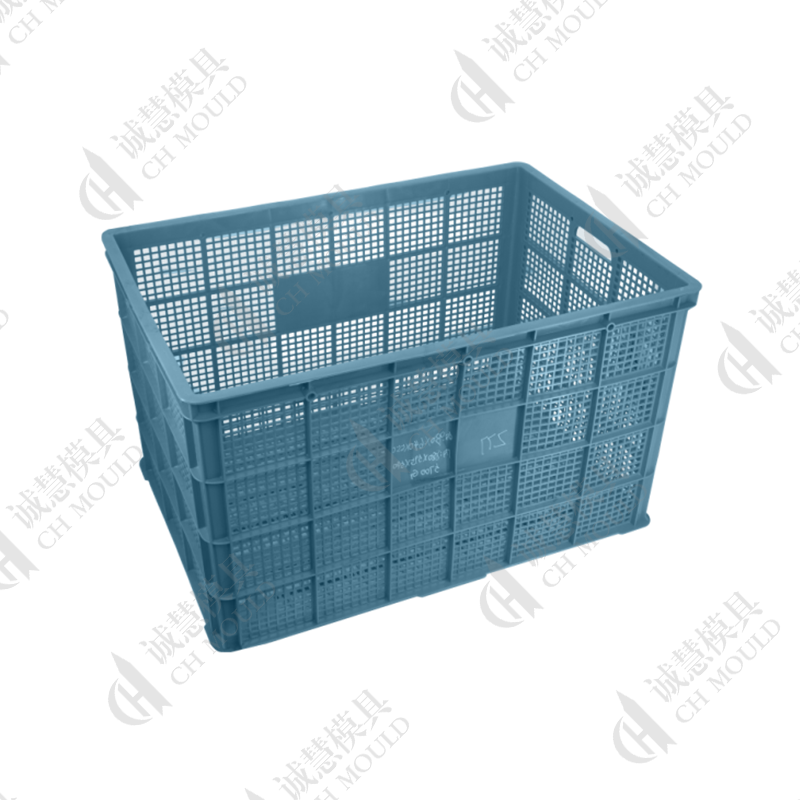
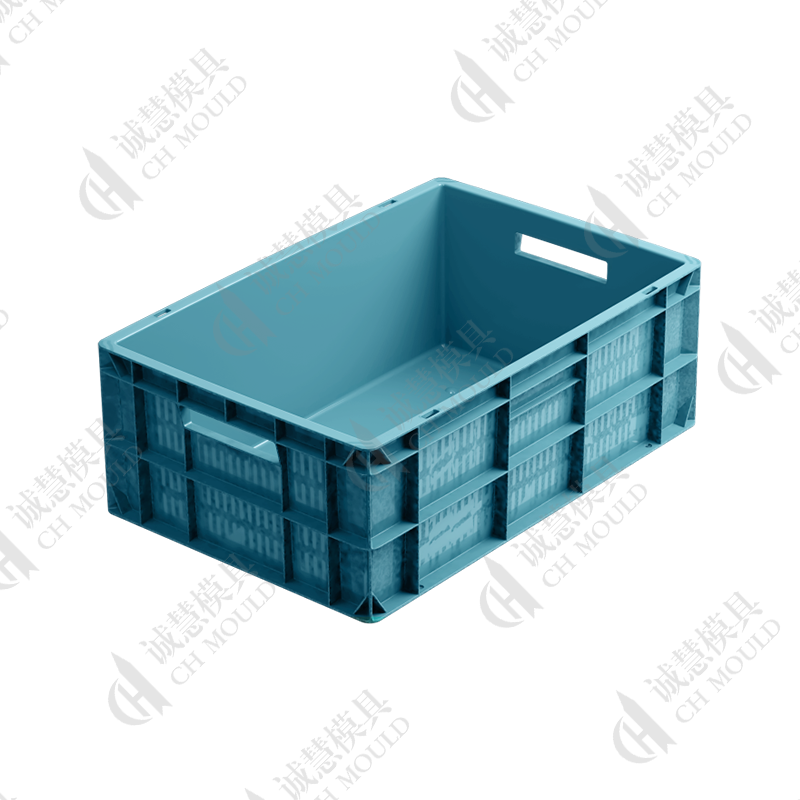
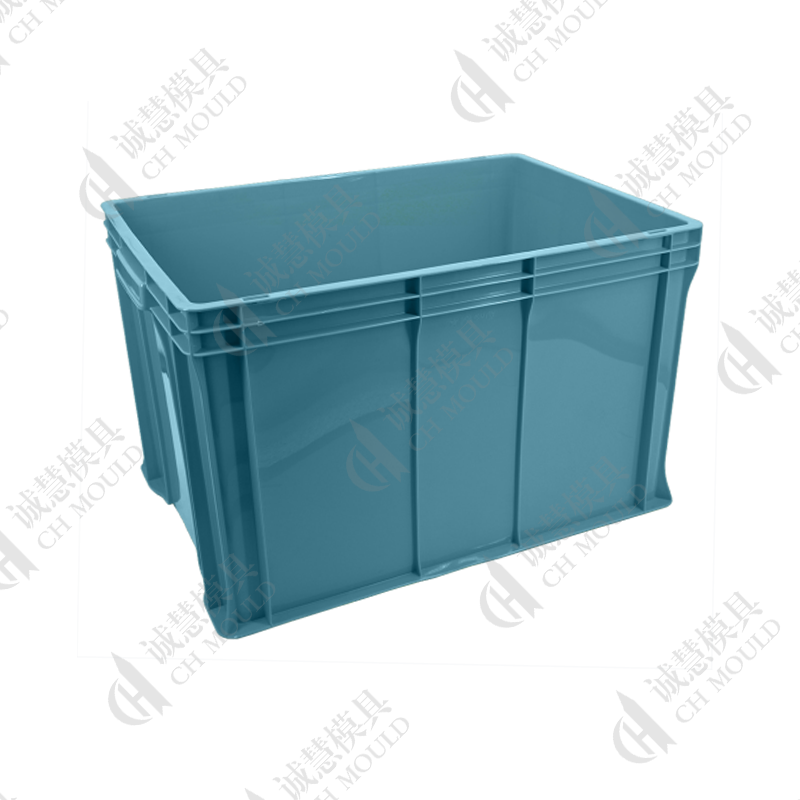
CHENGHUI Laundry Basket Mold 004
Why Laundry Basket Mold Quality Matters
Laundry baskets are exposed to frequent handling, uneven loads, impact, moisture, and repeated cleaning. A basket may be lifted with one hand, carried by two handles, placed on a hard floor, or loaded with heavy wet garments. If the plastic part has weak corners, inconsistent wall thickness, poor weld-line positioning, or inadequate reinforcement, failures may appear during normal use.
For this reason, the mold is one of the most important investments in a laundry basket production program. Plastic material selection is important, but material alone cannot compensate for poor tooling. The mold determines the shape, dimensions, surface finish, gate location, cooling behavior, ejection method, and repeatability of every molded basket.
Tooling quality also affects the commercial success of a product. A mold that fills unevenly may create short shots, sink marks, warpage, burn marks, or visible flow lines. A mold with ineffective cooling can extend the cycle and reduce production capacity. A mold with poor ejection can damage handles, rims, ventilation openings, or decorative details. These issues increase scrap, require rework, and may delay market delivery.
In contrast, a carefully designed mold can provide stable production over a long service period. It can help the molding machine operate within a predictable process window, reduce manual intervention, and support consistent dimensions from the first batch to later replacement production. This reliability is particularly valuable for wholesalers and distributors, who need uniform products across multiple shipments.
Product Overview
The CHENGHUI Laundry Basket Mold 004 is a specialized plastic injection mold for producing laundry baskets and related household storage products. Its primary purpose is to reproduce a practical basket structure with stable dimensions, clean appearance, and production-ready functionality.
The mold can be developed according to the customer’s requirements for basket size, capacity, handle design, ventilation pattern, wall structure, texture, color, branding details, and packaging method. This customized approach enables manufacturers to create products for different market segments, including budget household goods, retail storage products, supermarket lines, online brands, hotel supplies, dormitory products, and general home-organization collections.
The mold is suitable for a project in which both appearance and durability are important. Laundry baskets commonly include large open areas, curved corners, a reinforced top rim, integrated handles, and repeated ventilation holes. These features create challenges for mold design because they require appropriate steel layout, parting-line planning, core support, ejection design, and cooling-channel placement.
Rather than treating the basket as a simple container, professional mold engineering considers how each feature affects filling and demolding. Openings must be formed with sufficient strength and adequate draft. Handles must be supported so that they do not deform under injection pressure. The rim should maintain its shape after cooling. The bottom should be reinforced without creating excessive material concentration or sink marks.
Typical Product Features Supported by the Mold
A laundry basket produced with this type of tooling may include a spacious internal cavity for garments, ventilation openings for airflow, ergonomic side handles, a reinforced upper edge, a stable base, and a smooth or textured exterior. The exact configuration can be adjusted according to the approved product drawing.
Venting patterns may be arranged in rows, grids, vertical slots, rounded openings, or other decorative structures. These openings are not only visual elements. They influence airflow, product weight, flexibility, cleaning convenience, and the overall appearance of the basket. Their dimensions and distribution must be carefully reviewed to avoid weak sections and uneven filling.
The bottom structure may include ribs or supporting geometry to improve stiffness and reduce distortion. However, excessive ribs can make ejection more difficult and may produce visible marks on the outer surface. A professional mold design balances reinforcement with manufacturability and appearance.
Handles require special attention because they are frequently used as load-bearing areas. Their connection to the basket body should be strong and smoothly integrated. The mold must also allow the handle area to release without damaging the part. Where necessary, the tool design may incorporate suitable slides, lifters, inserts, or other mechanisms to manage undercuts and complex details.
Advantages Over Basic or Poorly Engineered Tooling
Many laundry basket molds may look similar in a product catalog, but their performance can differ significantly. The main advantages of a professionally engineered mold are found in production stability, dimensional accuracy, surface quality, service life, and support after delivery.
Stable Filling and More Consistent Parts
A laundry basket has a relatively large projected area and may contain thin wall sections, openings, ribs, corners, and handles. If the melt flow is not properly balanced, some areas may fill too quickly while others fill too slowly. This can result in uneven packing, weld lines in highly stressed areas, or incomplete filling near the top edge and handle structure.
Professional mold design reviews the gate position, runner system, flow direction, wall thickness, and venting arrangement before machining begins. The goal is to achieve more uniform filling and packing throughout the cavity. Better flow balance supports stable part dimensions and reduces the need for excessive injection pressure.
This is a key advantage over low-cost tooling that is designed mainly around the fastest machining route. A low initial mold price may be offset by higher scrap, longer adjustment time, difficult processing, and frequent repairs. A more carefully developed tool can provide a lower total cost over the production life of the project.
Improved Appearance and Surface Quality
Household products are often judged immediately by their appearance. A laundry basket with an uneven rim, visible burn marks, rough edges, or inconsistent texture may be rejected by retailers or end users even if it remains functional.
The mold surface, parting line, polishing level, texture treatment, and venting design all influence the final appearance. Proper machining and finishing help create a clean surface that is easier to inspect and package. Edge transitions can be refined to reduce sharp flash and improve handling comfort.
Where a customer requires a special texture, logo, pattern, or matte finish, the tool can be prepared according to the approved sample. Consistent surface treatment across the cavity is especially important when the product is sold as part of a coordinated household collection.
Reliable Demolding
Large household parts can be difficult to eject because of their size, thin sections, curved surfaces, and integrated handles. If the ejection system is not correctly arranged, the part may stick to the core, bend during release, or show unwanted ejector marks.
A suitable ejection concept distributes force across strong areas of the part. Ejector positions should be selected to reduce distortion and avoid visible locations whenever possible. Draft angles, core polishing, surface texture, and cooling balance also affect release performance.
The CHENGHUI Laundry Basket Mold 004 is developed with production practicality in mind. During design and mold trials, the team can evaluate release behavior and make adjustments before final acceptance. This approach helps reduce the risk of a tool that technically produces a part but requires excessive manual removal or frequent operator intervention.
Better Cycle-Time Potential
Cycle time is a major factor in the cost of a plastic laundry basket. Because the product may be relatively large, cooling often represents a significant part of the molding cycle. If the part is removed before it has sufficient rigidity, warpage and deformation may occur. If the mold is cooled too slowly, machine output declines.
Cooling-channel layout should be considered in relation to the basket wall, ribs, rim, bottom, and core structure. Good cooling design helps remove heat more evenly and can support shorter, more stable cycles. The ideal cycle depends on material, product thickness, machine capacity, melt temperature, mold temperature, and other process conditions, so final optimization is performed during trials.
A mold that supports repeatable cooling provides an advantage over basic tooling with poorly distributed channels. It can help the processor achieve a better balance between output and part quality rather than relying on overly long cooling times as a safety measure.
Long-Term Maintenance Value
Tooling for daily-necessity products may be used for many production cycles. Maintenance access, replaceable wear components, corrosion protection, and accurate assembly are therefore important. A mold should be designed so that routine cleaning, lubrication, inspection, and replacement work can be performed efficiently.
Professional manufacturing records and component identification also support future service. If a customer later needs a replacement insert, modification, or product revision, clear technical documentation can reduce confusion and shorten response time.
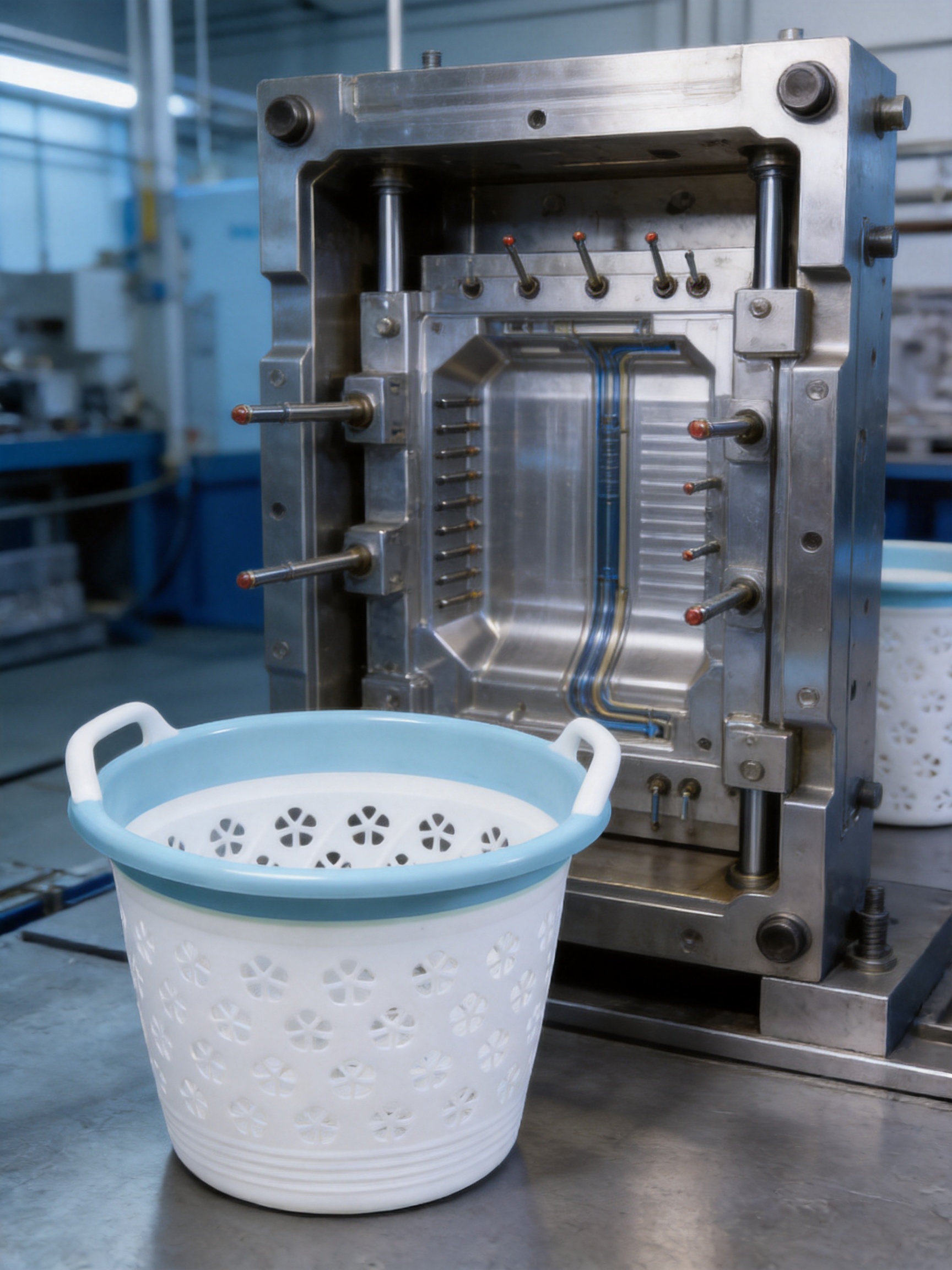
Engineering and Development Process
The quality of a finished mold is influenced by decisions made long before the first steel component is machined. A disciplined development process helps identify potential problems early, when changes are less expensive and less disruptive.
1. Product Requirement Review
The project begins with a review of the customer’s product requirements. Important information includes the basket’s overall dimensions, capacity, target weight, material, color, surface finish, ventilation design, handle structure, expected production volume, molding machine specifications, and packaging requirements.
The team also reviews the intended market. A lightweight basket for short-term promotional sales may use a different design strategy from a premium basket intended for long-term household use. A product for export may require different labeling areas, dimensional standards, or packaging constraints.
At this stage, the customer’s sample, two-dimensional drawing, three-dimensional model, or concept sketch can be evaluated. If the design contains sharp corners, insufficient draft, uneven wall thickness, difficult undercuts, or areas that may trap air, the mold engineer can recommend revisions before tool construction.
2. Design for Injection Molding
Design for injection molding is essential for a laundry basket because the part includes both open and reinforced areas. The engineering team considers parting-line location, cavity and core separation, gate position, runner design, cooling channels, venting, ejection, mold base structure, and possible slides or lifters.
Draft is reviewed on the outer walls, inner walls, holes, ribs, handles, and decorative features. Adequate draft helps the part release smoothly while protecting the mold surface from unnecessary wear. The appropriate value depends on the material, texture, depth, and product geometry.
Wall thickness should be as consistent as practical. Large thickness differences can create differential shrinkage and deformation. Where structural strength is needed, ribs or carefully designed reinforcement are generally preferable to simply making the entire part thicker.
The parting line should be positioned to control flash and minimize visible marks. For a household product, the location of the parting line may affect how comfortable the rim feels and how attractive the finished basket appears. A well-planned line can simplify trimming and improve product consistency.
3. Flow and Moldability Assessment
Before machining, the proposed design can be examined for filling behavior. The purpose is to identify likely flow paths, weld-line locations, air-trap areas, pressure requirements, and possible shrinkage concerns.
This assessment is especially useful for products with numerous ventilation openings. Each opening interrupts the flow path and may create weld lines where separate melt fronts meet. Weld lines are not automatically defects, but their location should be considered carefully, particularly near handles, corners, and load-bearing sections.
Venting is also important. Air trapped between the melt and the cavity wall can cause burn marks, incomplete filling, or surface defects. Appropriate vents allow air to escape while preventing excessive flash. Venting positions are selected according to the product geometry and expected flow direction.
4. Steel Preparation and Precision Machining
After design approval, mold components are manufactured using suitable steel and machining processes. The choice of steel depends on expected production volume, material characteristics, surface requirements, corrosion considerations, and budget.
Precision milling, drilling, turning, grinding, electrical discharge machining, wire cutting, and other processes may be used according to the geometry of each component. Complex openings, fine details, deep ribs, curved surfaces, and close-tolerance interfaces require careful process planning.
Chenghui Mould operates its own production workshop with 104 advanced processing machines. This in-house capability supports better control over scheduling, machining coordination, inspection, and engineering communication. Keeping major manufacturing activities within an organized workshop can reduce dependence on multiple external suppliers and make it easier to respond to technical issues.
Precision machining is followed by fitting and finishing. Cavity and core surfaces are checked for dimensional accuracy, flatness, alignment, and surface quality. The goal is not only to make individual components accurate but also to ensure that the assembled mold works as one coordinated system.
5. Assembly and Functional Inspection
During assembly, the cavity, core, mold base, ejector system, guide components, cooling circuits, inserts, and other mechanisms are fitted together. Movement is checked to confirm that the mold opens and closes smoothly. Ejection travel, insert positioning, slide action, and safety clearances are also reviewed.
Cooling circuits are inspected for correct connections and leakage. The mold is checked for flash risks at the parting line and at component joints. Surfaces are cleaned and prepared for the initial trial.
Accurate assembly is particularly important for a large laundry basket mold. A small mismatch in a long rim, side wall, or handle region may be visible on the finished product. Consistent guide movement and clamping support also help reduce wear during repeated production.
6. Mold Trial and Product Evaluation
Chenghui Mould has professional injection molding machines for mold testing. Trial molding allows the engineering team to evaluate the actual interaction between the tool, machine, material, and product design.
The trial process examines filling, packing, cooling, ejection, cycle behavior, surface appearance, dimensions, and part weight. Samples are inspected for short shots, flash, sink marks, warpage, burn marks, weld lines, ejector marks, and other possible issues.
Trial conditions are adjusted systematically. Injection speed, pressure, holding time, cooling time, mold temperature, and other parameters may be optimized according to the selected plastic material and product requirements. If a tooling modification is necessary, the change is verified through another trial.
A proper trial is more than producing one acceptable sample. It is an opportunity to establish a repeatable process window. A mold is considered more valuable when it can consistently produce acceptable baskets under practical production conditions rather than only under highly specific trial settings.
Manufacturing Strengths of the Supplier
Zhejiang Chenghui Mould Co., Ltd., also known as Chenghui Mould, was founded in 1994 and has more than 30 years of experience in injection mold design and manufacturing. This long operating history provides practical knowledge of household and industrial products, including the challenges associated with large, thin-wall, open-structure plastic parts.
The company focuses on molds for daily necessities and related products. Its experience covers storage products, tables, chairs, furniture components, storage boxes, turnover boxes, laundry baskets, buckets, storage racks, trash cans, and other household and industrial applications. This product range is relevant because many of these items share common engineering requirements such as large surfaces, functional ribs, handles, thin walls, repeated use, and cost-sensitive mass production.
The company operates its own production workshop and has 104 advanced processing machines. This equipment base supports coordinated manufacturing, from rough machining and precision cutting through finishing, fitting, assembly, and inspection. In-house capability can also improve communication between design engineers, machinists, mold assemblers, and quality personnel.
Chenghui Mould also has professional injection molding equipment for mold testing. This is important because the final performance of a mold cannot be determined entirely from machining inspection. Practical testing reveals how the tool performs with real plastic flow, cooling, ejection, and process conditions.
The company reports an annual production capacity of more than 1,500 mold sets. This capacity indicates experience in organizing multiple projects while maintaining a structured manufacturing process. For customers with continuing product development needs, a supplier with established capacity may be better positioned to support repeat orders, product families, and new mold programs.
Its molds are exported to the Middle East, Europe, America, Africa, Southeast Asia, and other regions. International project experience can be useful when customers require communication across time zones, export packaging, documentation, inspection arrangements, and coordination with overseas molding plants.
Customized OEM and ODM Support
Not every buyer needs an identical laundry basket. Market requirements differ in size, capacity, handle style, pattern, color, texture, and price position. A professional mold supplier should therefore provide customization rather than forcing every customer to use one standard design.
OEM support allows a customer to manufacture a basket according to its own approved design and brand requirements. This may include a customized logo area, private product geometry, special dimensions, or packaging-related changes. ODM support can be useful when the customer has a market concept but needs assistance with industrial design, moldability, and production engineering.
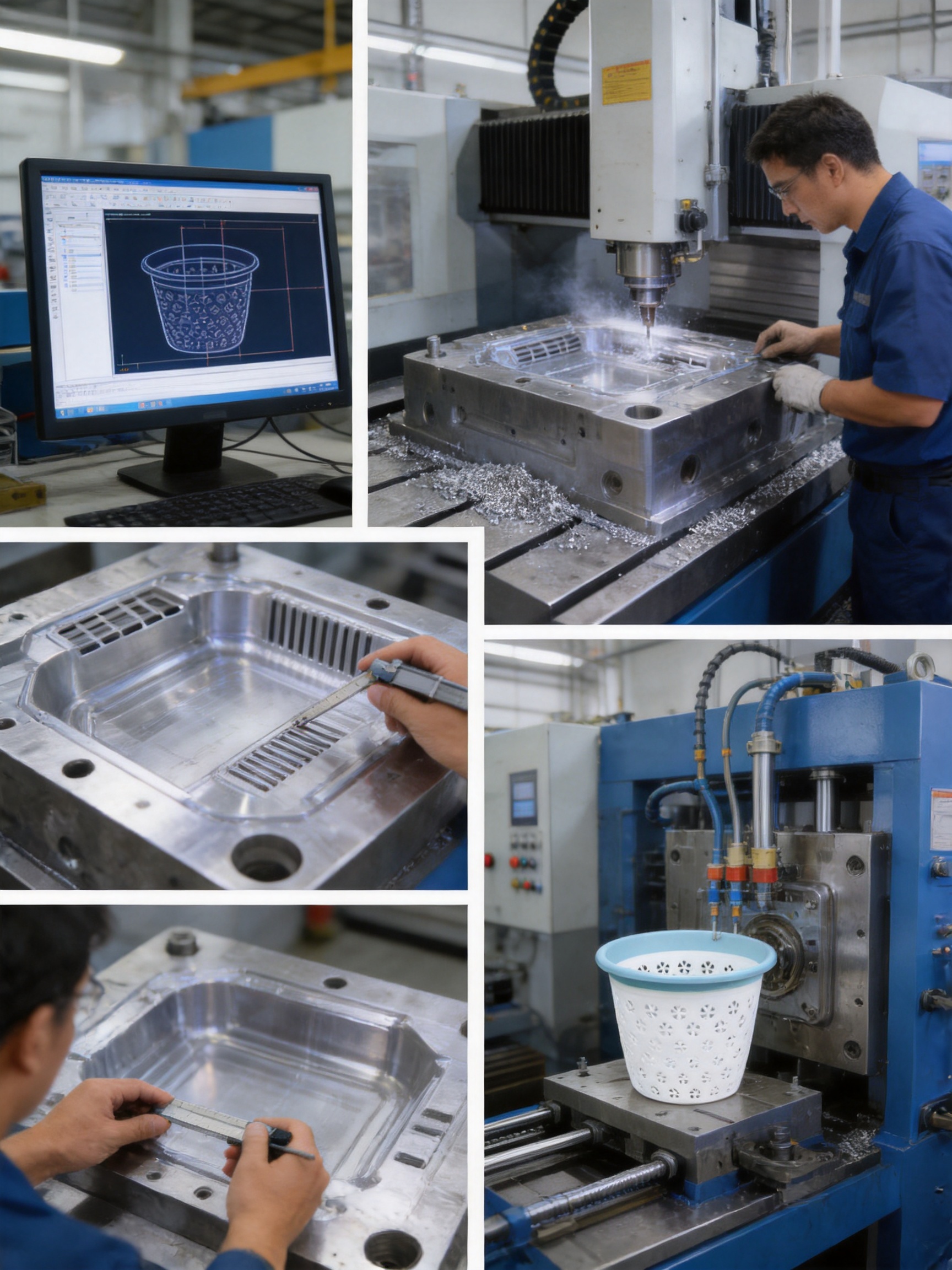
Chenghui Mould’s service scope covers concept discussion, drawing development, sample development, machining, assembly, mold trials, quality inspection, and after-sales support. This integrated process can reduce the communication gaps that sometimes occur when design, mold manufacturing, and trial production are handled by separate companies.
Early technical communication is especially important for a laundry basket. A small design decision can affect mold cost, cycle time, product weight, and usability. For example, changing the hole pattern may require a different core structure. Increasing handle thickness may affect cooling and shrinkage. Adding a deep texture may require more draft and a different finishing method.
By reviewing such issues before final approval, the supplier and buyer can make decisions based on the complete production system rather than appearance alone. This helps control both tooling investment and future manufacturing cost.
Material and Processing Considerations
The appropriate plastic material depends on the required strength, flexibility, appearance, chemical resistance, impact performance, and target cost. Common household-product materials may include polypropylene or other thermoplastics, but the final selection should be confirmed by the product manufacturer according to local regulations and use conditions.
Material shrinkage affects mold dimensions and must be considered during design. Different grades of the same general plastic family may have different flow and shrinkage characteristics. The processing team should therefore confirm the material grade before final tooling data is released.
Recycled content may also be considered when appropriate. If recycled material is used, its flow, color stability, contamination risk, and mechanical performance should be evaluated. Changes in material formulation may require process adjustments and should be validated through production trials.
Color masterbatch and additives can affect processing behavior. A heavily filled or modified material may require different temperatures, pressures, or wear considerations. Clear communication between the mold supplier, material supplier, and injection molder helps prevent avoidable problems during production.
For a laundry basket, the processor should monitor melt temperature, mold temperature, injection speed, holding pressure, cooling time, and ejection timing. These settings must be optimized together. Raising injection speed may improve filling in thin sections but can increase shear heating or visible flow marks. Extending cooling may reduce warpage but lower productivity. A stable process is achieved through controlled trials and documented settings.
Quality Control and Acceptance Criteria
Quality control begins with design review and continues through machining, assembly, testing, and final inspection. A complete inspection plan may include steel certification, component dimensions, cavity and core alignment, cooling-channel leakage, ejection movement, surface finish, trial samples, product dimensions, product weight, and visual appearance.
Customer acceptance criteria should be agreed before the mold is completed. These criteria may cover the number of acceptable samples, key dimensions, color or surface expectations, flash limits, cycle-time targets, mold-opening requirements, and documentation.
Sample inspection should focus on functional areas such as handles, rim, bottom, corners, ventilation openings, and base stability. The basket should be checked for deformation after cooling and, where required, tested under representative loading conditions.
Dimensional inspection is particularly important when baskets are designed to nest, stack, or fit into packaging. Small dimensional differences can affect nesting depth, carton quantity, warehouse efficiency, and retail presentation. If multiple basket sizes are part of a product family, their dimensions should be coordinated from the beginning.
Visual inspection should identify flash, short shots, burn marks, sink marks, flow lines, weld lines, scratches, ejector marks, and texture inconsistency. Some visual marks may be acceptable depending on the product’s price level and surface design, but acceptance standards must be clear and consistent.
Commercial Benefits for Wholesalers and Distributors
For wholesalers and distributors, mold selection affects much more than the appearance of one product. It influences supply continuity, product consistency, inventory planning, and the ability to respond to market demand.
A reliable mold supports repeatable production across multiple batches. This is valuable when customers reorder the same basket months or years later. Consistent dimensions and appearance help maintain confidence among retailers and reduce complaints caused by changes between shipments.
Efficient cycle performance can improve output without increasing the number of machines. This may help manufacturers respond to seasonal demand, promotional orders, or new market launches. Stable ejection and reduced defect rates can also lower labor requirements and material waste.
Customization creates opportunities for product differentiation. A distributor may request a special color, private pattern, branded handle, or coordinated set with storage boxes and buckets. A mold supplier capable of supporting these changes can help the distributor move beyond generic products and build a more recognizable household-product range.
Export-oriented customers can also benefit from supplier experience in international projects. Clear drawings, sample approval, inspection records, and organized communication reduce uncertainty when the mold will be shipped to a molding facility in another country.
Applications Beyond a Standard Laundry Basket
Although the CHENGHUI Laundry Basket Mold 004 is designed for laundry basket production, the engineering capabilities used for this product are applicable to related household goods. Depending on the final design and tooling configuration, similar expertise can support ventilated storage containers, clothing organizers, utility baskets, open bins, and other plastic products with large cavities and repeated openings.
The same principles apply to storage boxes and turnover containers: stable walls, functional ribs, accurate stacking interfaces, and reliable ejection. For buckets and trash cans, handle strength, rim accuracy, and smooth surfaces are similarly important. For storage racks and furniture components, dimensional stability and load-bearing geometry become major design concerns.
However, each product should have its own engineering review. A mold should not be modified for a new product without checking filling behavior, cooling, ejection, steel strength, and expected production volume. Chenghui Mould’s experience across multiple product categories provides a useful foundation for these assessments.
How Buyers Can Prepare for a Successful Mold Project
Customers can improve project efficiency by providing complete information at the beginning. Useful materials include a three-dimensional product file, two-dimensional drawing, reference sample, target material, estimated annual production, molding-machine details, preferred cycle time, surface-finish requirements, and packaging dimensions.
The buyer should also identify which dimensions are critical. These may include overall length and width, basket height, rim thickness, handle opening, base size, nesting dimensions, and product weight. Not every cosmetic feature has the same importance, so priorities should be listed clearly.
It is helpful to define the intended production environment. A mold for a high-volume automated line may require different design choices from a mold used on a smaller machine with manual handling. Machine tie-bar spacing, platen size, injection capacity, clamping force, ejection stroke, and available cooling connections should be confirmed.
Sample approval should be handled systematically. The customer should review the trial sample for appearance, dimensions, function, assembly or nesting, packaging fit, and overall market suitability. If changes are required, they should be recorded in a revision list so that the supplier can address each point accurately.
Finally, the customer should discuss spare parts, maintenance, warranty expectations, technical documents, and future modifications before shipment. Clear communication at this stage supports a longer and more productive relationship.
Frequently Asked Questions
What is the main purpose of the CHENGHUI Laundry Basket Mold 004?
It is a plastic injection mold developed for producing laundry baskets and related household storage products. The mold is intended to support stable, repeatable production with appropriate attention to appearance, strength, filling, cooling, and ejection.
Can the laundry basket design be customized?
Yes. Customers can discuss requirements for size, capacity, handle structure, ventilation pattern, wall thickness, texture, color, logo area, and other product details. Final customization depends on the approved product design and technical feasibility.
Which plastic material should be used?
The material should be selected according to the required flexibility, impact strength, appearance, chemical resistance, cost, and local compliance requirements. The exact material grade should be confirmed before final mold design because flow and shrinkage vary between grades.
How does cooling affect laundry basket production?
Cooling influences cycle time, dimensional stability, and warpage. A well-planned cooling system helps remove heat more evenly from the basket wall, rim, base, and core areas. Final cooling settings must be optimized during mold trials with the selected material and machine.
Why are mold trials necessary?
Mold trials confirm how the actual mold performs under injection conditions. They allow the team to evaluate filling, packing, cooling, ejection, appearance, dimensions, and cycle behavior. Trials also provide an opportunity to correct issues before mass production.
What experience does the manufacturer have?
Zhejiang Chenghui Mould Co., Ltd. was founded in 1994 and has more than 30 years of experience in injection mold design and manufacturing. The company focuses on household and industrial products and has experience with baskets, storage products, furniture-related items, buckets, trash cans, and other daily necessities.
What manufacturing resources are available?
The company operates its own production workshop with 104 advanced processing machines and professional injection molding machines for mold testing. It also reports annual production capacity of more than 1,500 mold sets.
Does the company support OEM and ODM projects?
Yes. Its service scope includes customized mold design and manufacturing, concept and drawing support, sample development, machining, assembly, mold trials, quality inspection, and after-sales service.
Can the mold be used for export production?
Yes. Chenghui Mould exports molds to the Middle East, Europe, America, Africa, Southeast Asia, and other regions. Export projects should include clear technical files, acceptance standards, packaging requirements, and shipping arrangements.
How can buyers reduce project risk?
Buyers should provide accurate product information, confirm material and machine specifications, identify critical dimensions, approve the mold design before machining, participate in sample evaluation, and document all required modifications. A clear acceptance plan is one of the best ways to reduce delays and misunderstandings.
Conclusion
The CHENGHUI Laundry Basket Mold 004 provides a practical tooling solution for manufacturers seeking reliable production of household laundry baskets. Its value lies not only in forming the basket shape but also in supporting stable filling, effective cooling, smooth ejection, attractive surfaces, consistent dimensions, and long-term manufacturing efficiency.
The product is backed by Zhejiang Chenghui Mould Co., Ltd., a mold manufacturer founded in 1994 with more than 30 years of experience. The company’s focus on daily necessities, in-house workshop, 104 advanced processing machines, professional mold-testing equipment, and annual capacity exceeding 1,500 mold sets provides a strong foundation for customized tooling projects.
Compared with basic or poorly coordinated molds, a professionally engineered laundry basket mold can reduce production problems, improve repeatability, support better cycle performance, and create more opportunities for product customization. These advantages are important for brands, wholesalers, distributors, and injection molding companies that need dependable tools for competitive household-product markets.
Through OEM and ODM support, Chenghui Mould can assist customers from early concept and drawing review through machining, assembly, testing, inspection, delivery, and after-sales service. With accurate requirements, careful design review, and systematic trial validation, the mold can become a long-term production asset rather than a short-term tooling purchase.
References
1. Chenghui Mould, company profile and manufacturing capability information.
2. Chenghui Mould, product information for the CHENGHUI Laundry Basket Mold 004.
3. General principles of plastic injection mold design for household products.
4. General guidelines for injection molding process development, cooling, venting, and ejection.
5. General quality-control practices for plastic injection molds and molded household products.