
 Français
 Español
 عربى
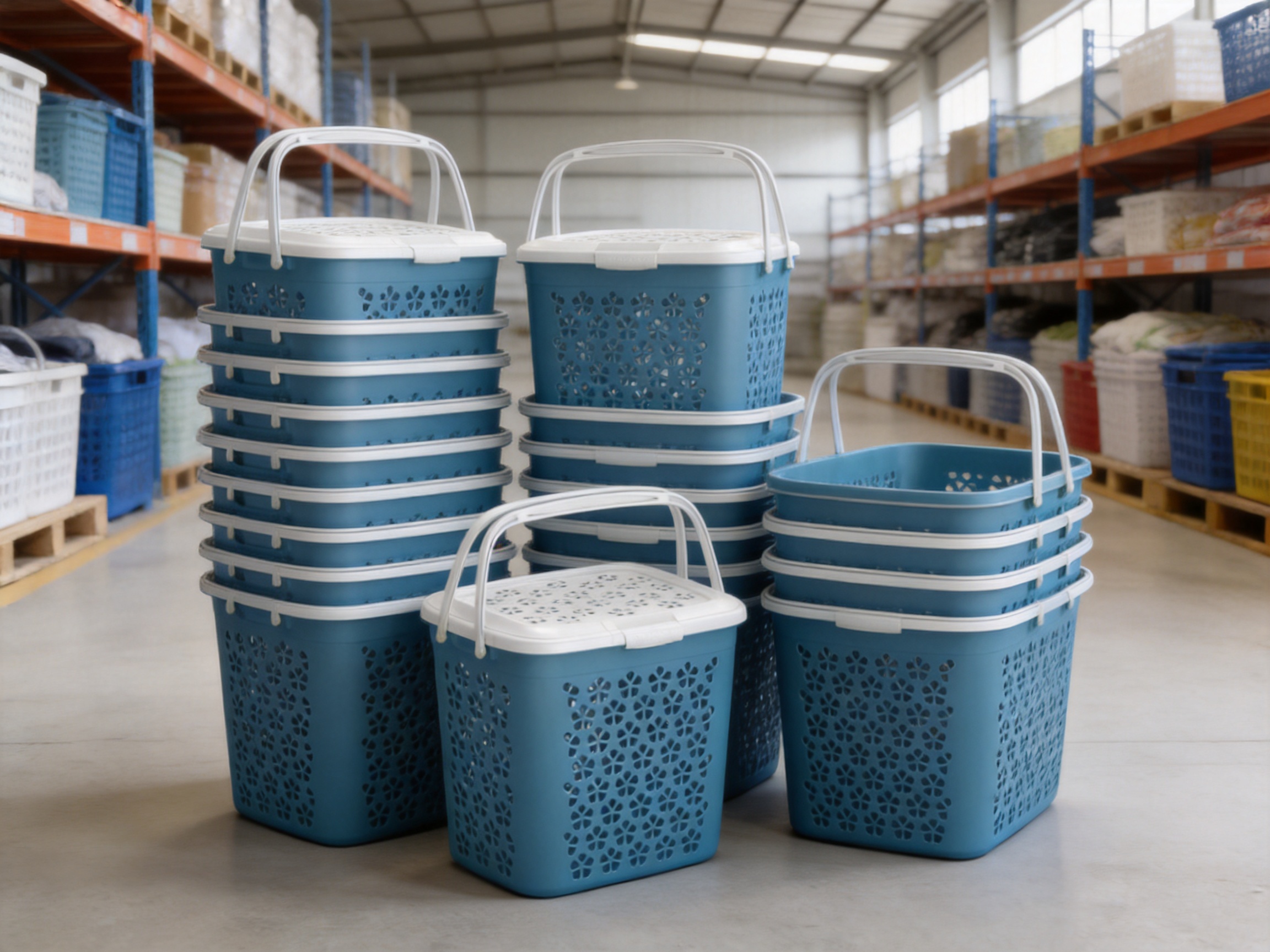
Plastic baskets are used in homes, retail environments, warehouses, agricultural operations, distribution centers, commercial laundries, and many other demanding applications. Although a basket may appear to be a simple molded product, producing it consistently requires careful engineering, accurate tooling, reliable cooling, controlled ejection, and disciplined quality management. The mold determines the basket’s dimensional accuracy, surface appearance, structural strength, production efficiency, and long-term manufacturing cost.
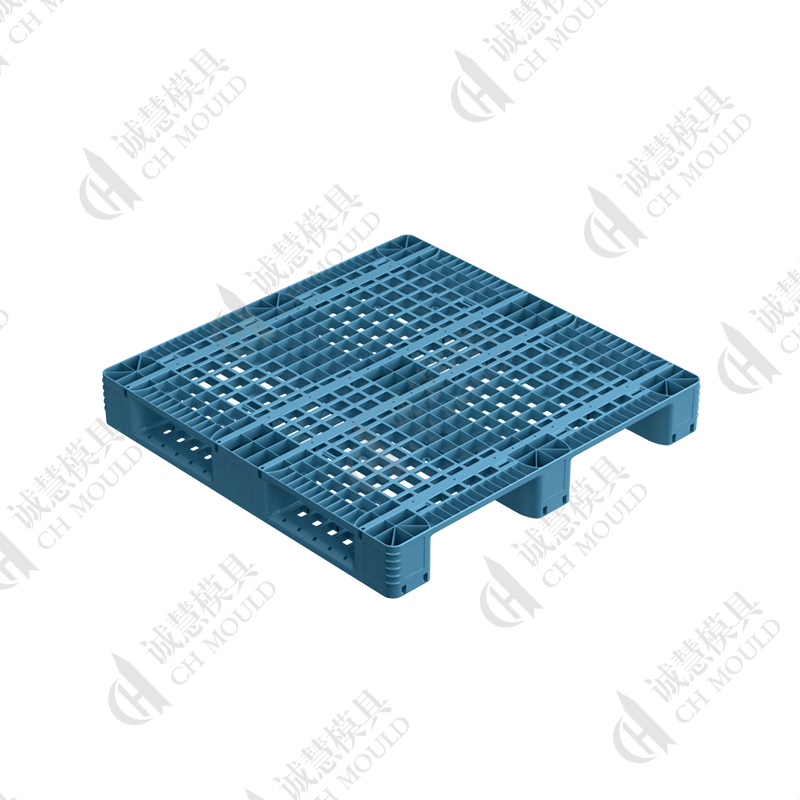
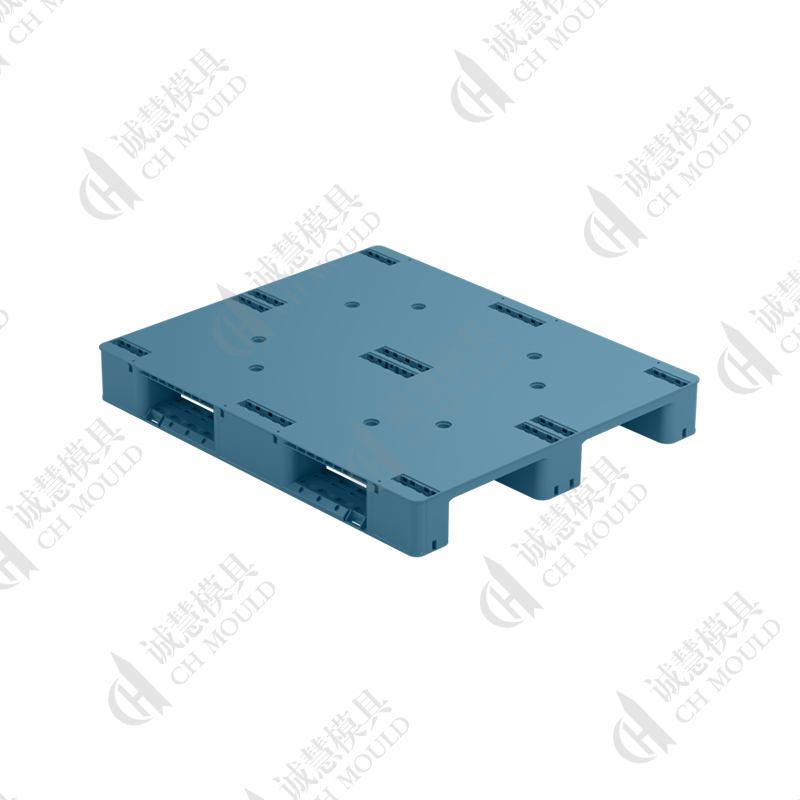
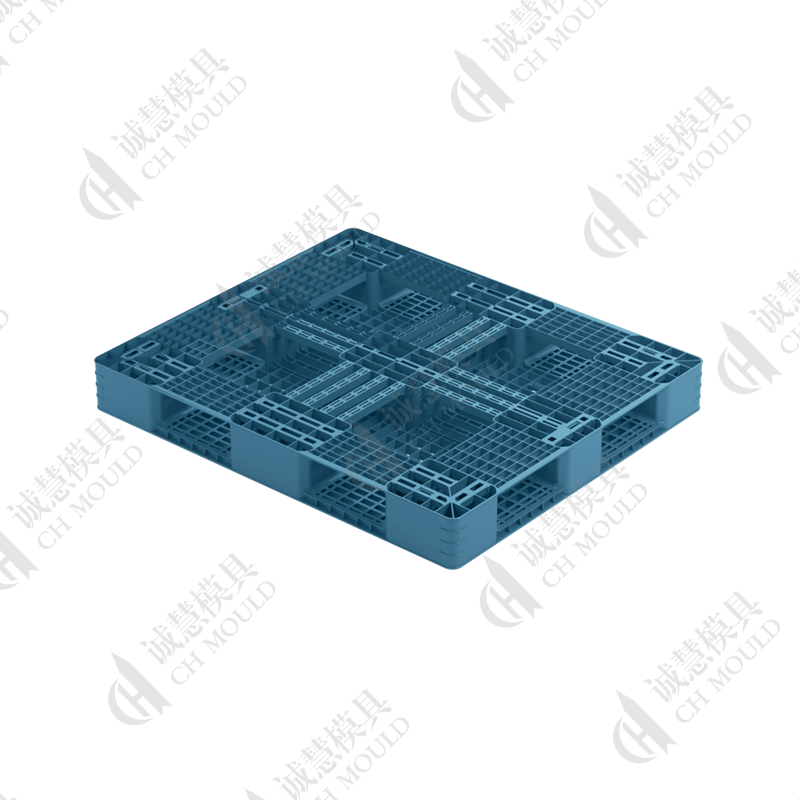
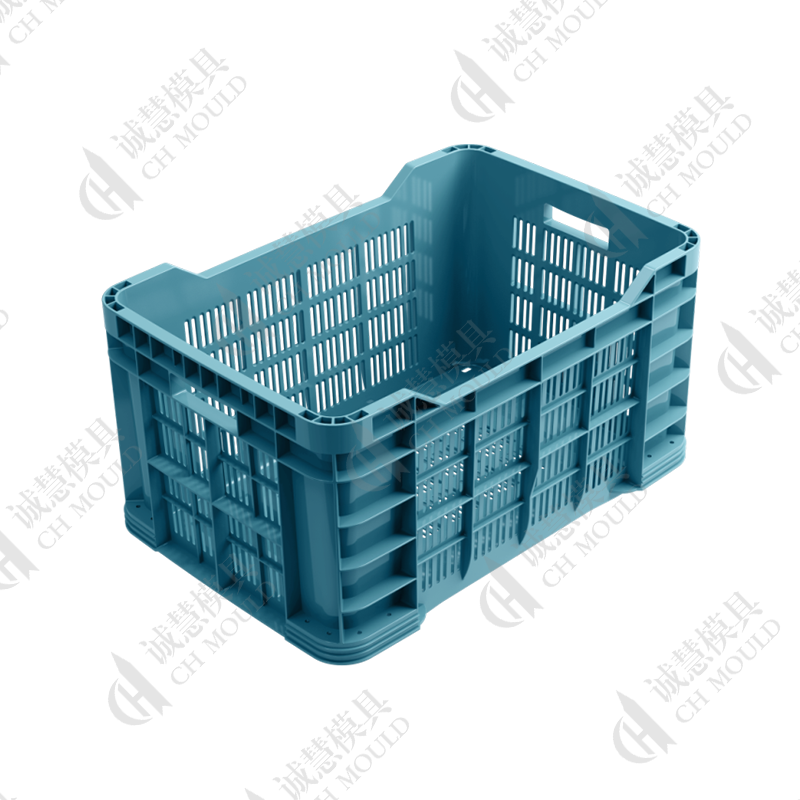
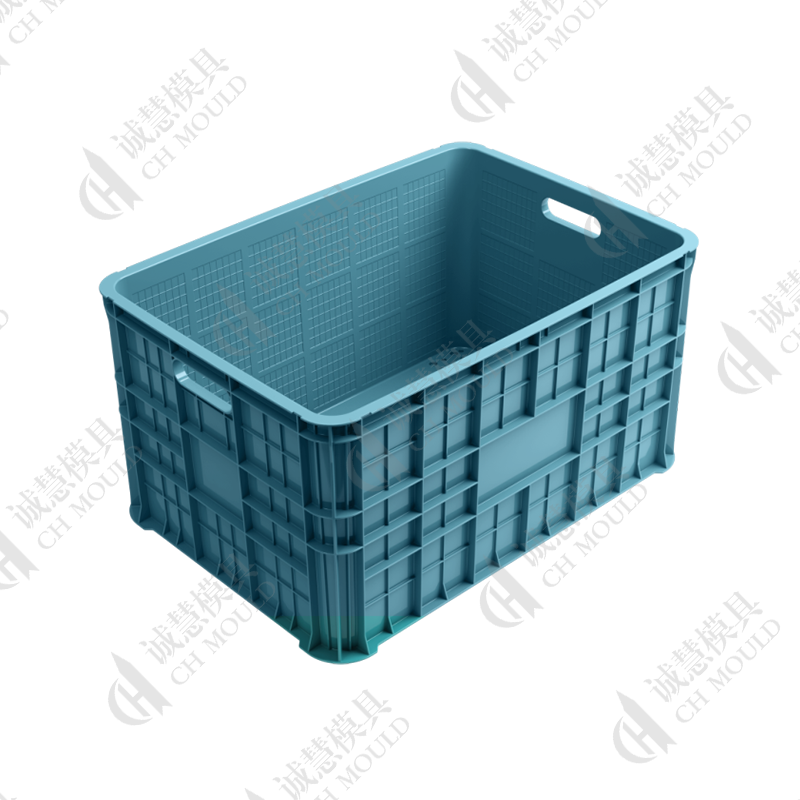
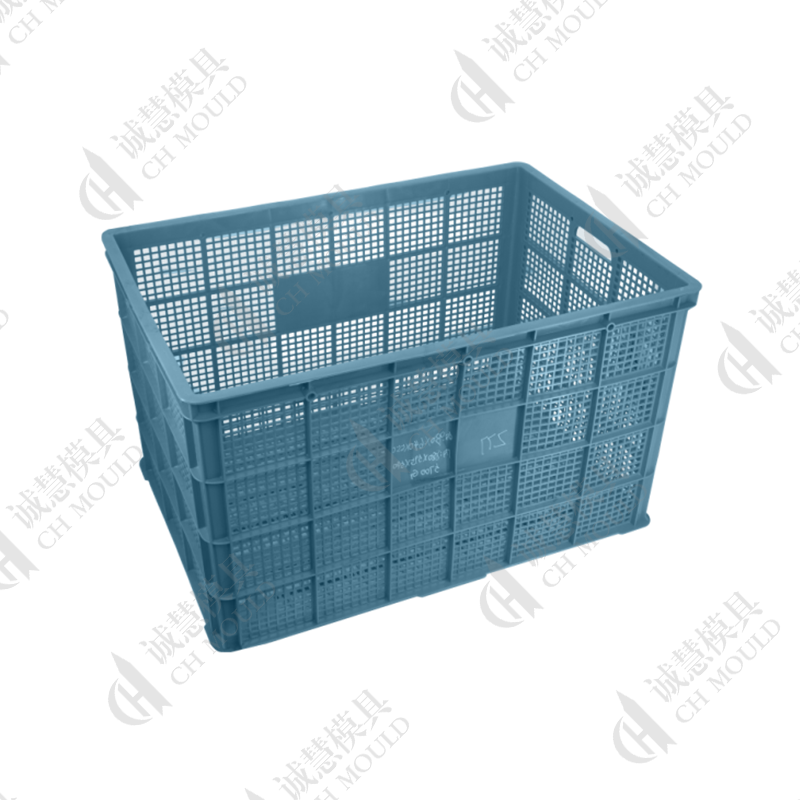
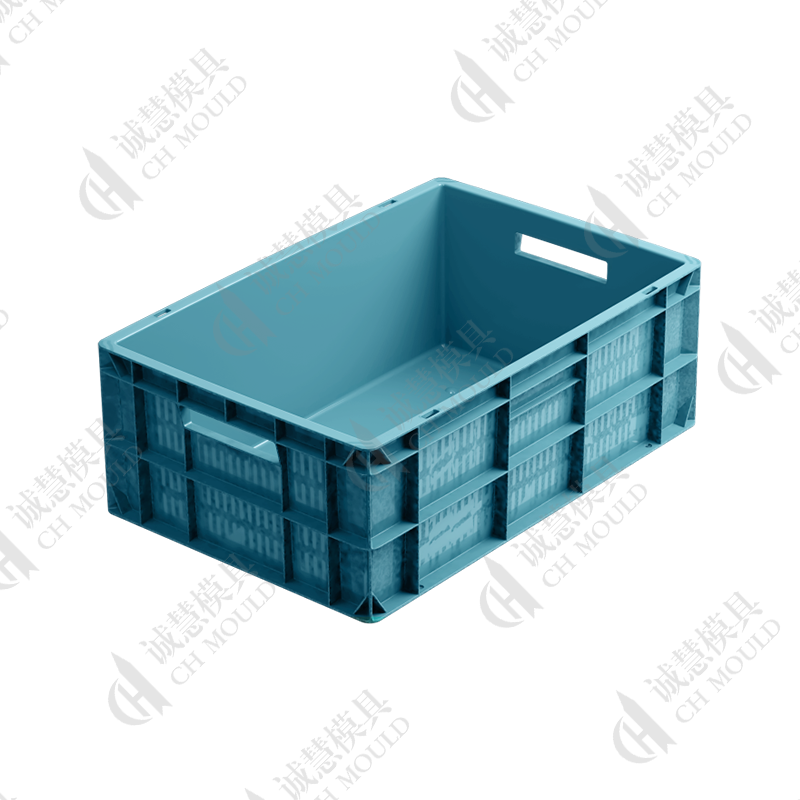
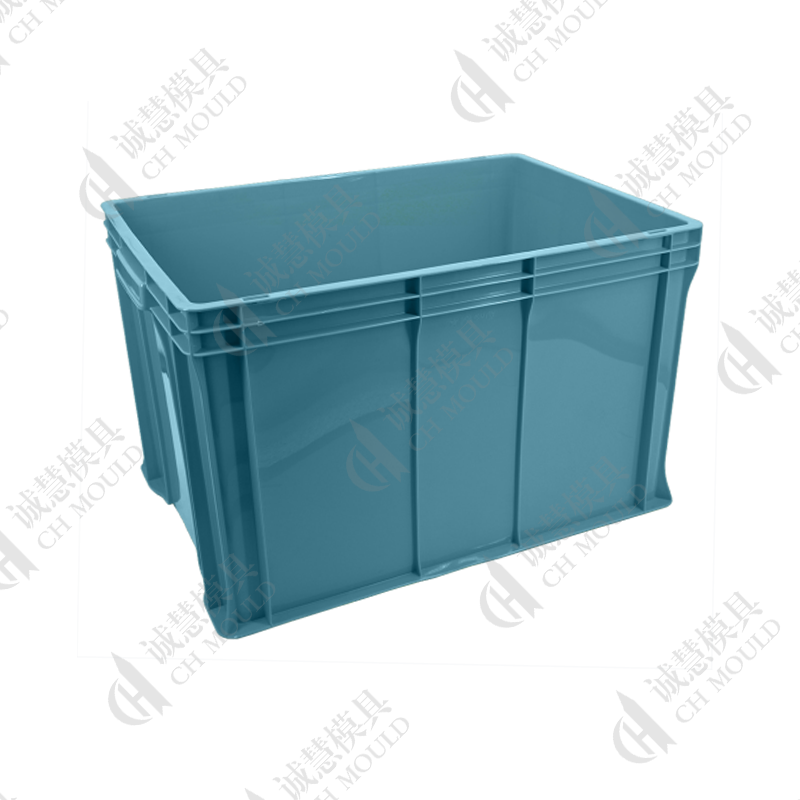
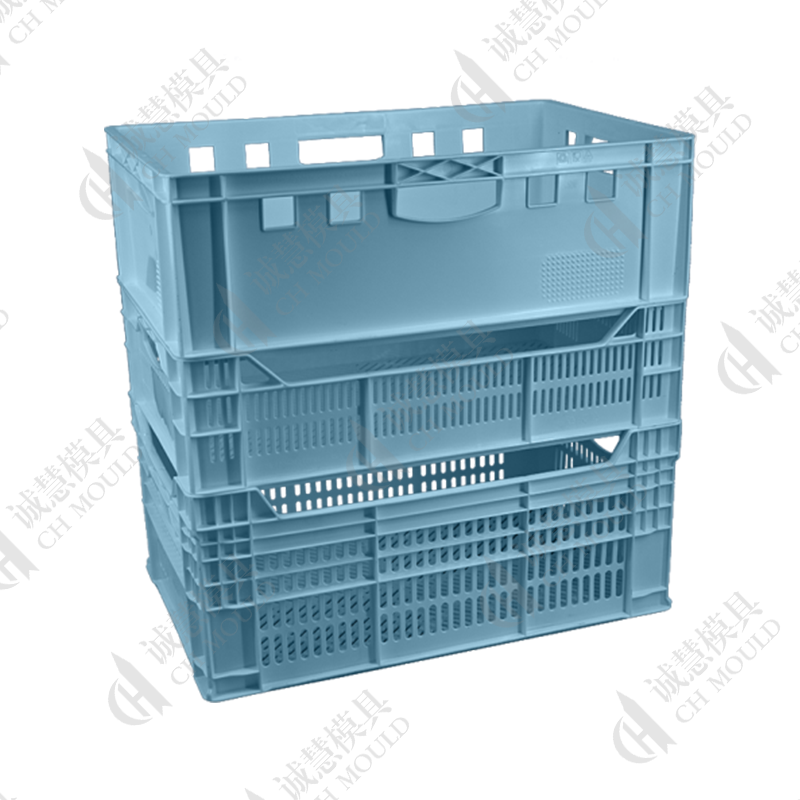
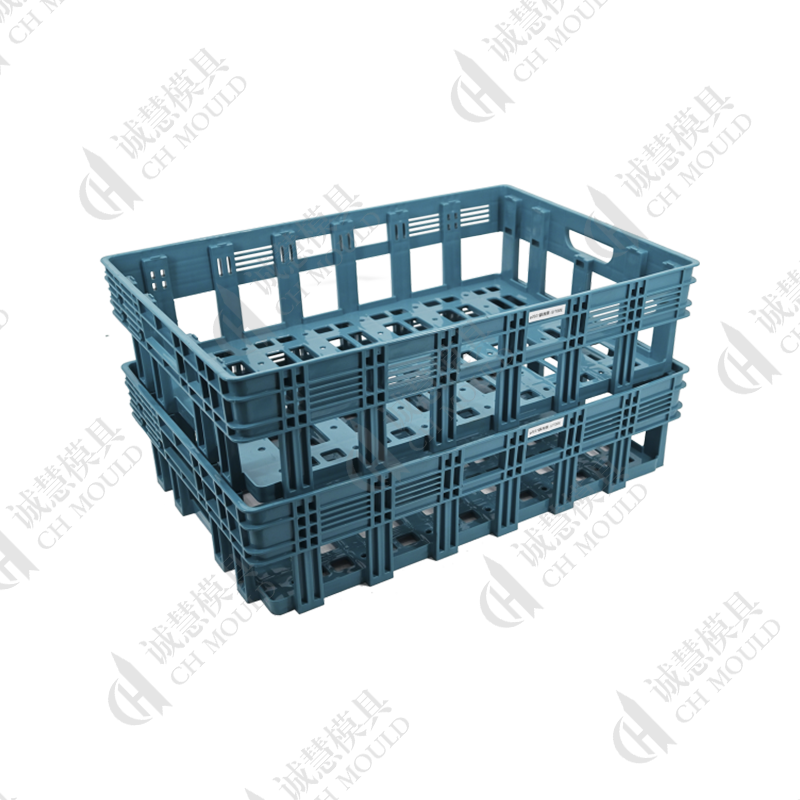
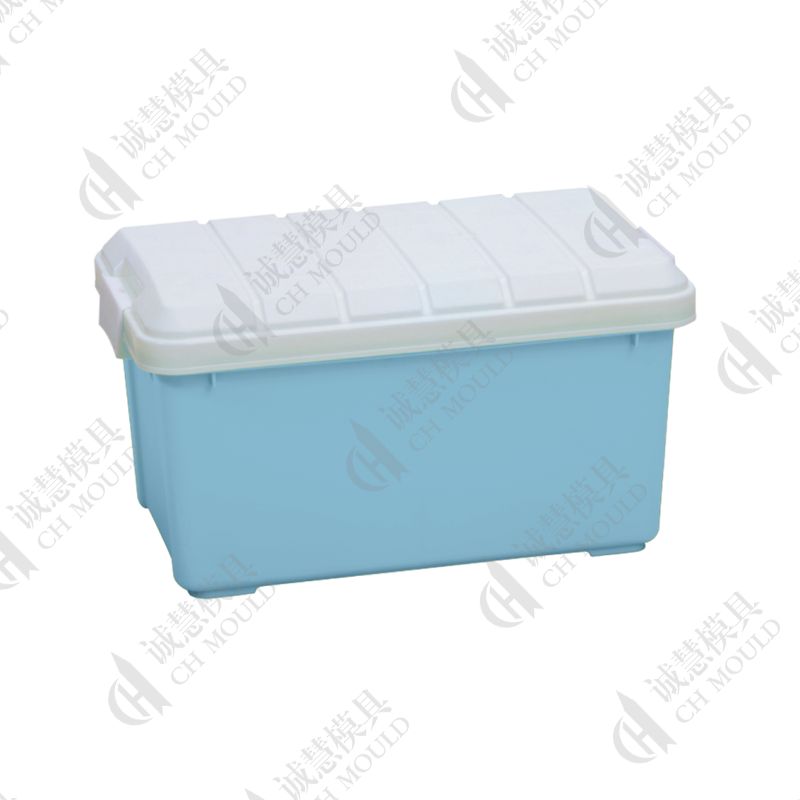
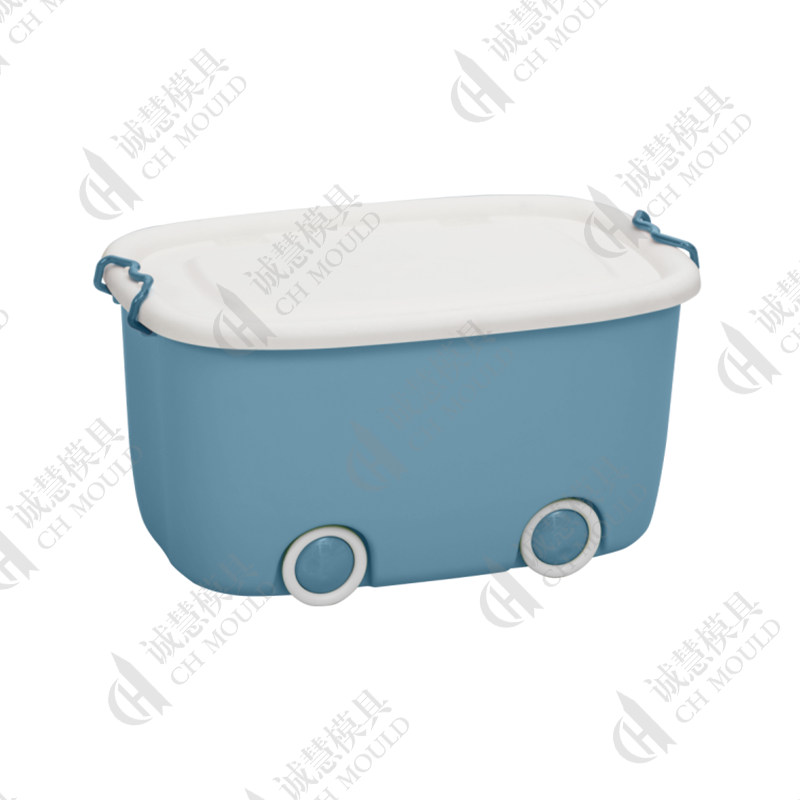
The CHENGHUI Plastic Basket Mold 009 is designed for manufacturers seeking a dependable injection molding solution for plastic basket production. It belongs to the plastic basket mold category and is suitable for customized development according to the required basket size, pattern, wall structure, handle configuration, stacking method, and end-use conditions. Its value lies not only in the finished tool, but also in the engineering and manufacturing system used to develop, machine, assemble, test, and support the mold.
For wholesalers, distributors, household product manufacturers, and industrial product suppliers, a basket mold must deliver more than an attractive appearance. It must support repeatable mass production, efficient material usage, stable molding cycles, easy demolding, manageable maintenance, and consistent product quality. A well-designed tool can help reduce production interruptions, minimize rejected parts, and create a more predictable path from product concept to commercial delivery.
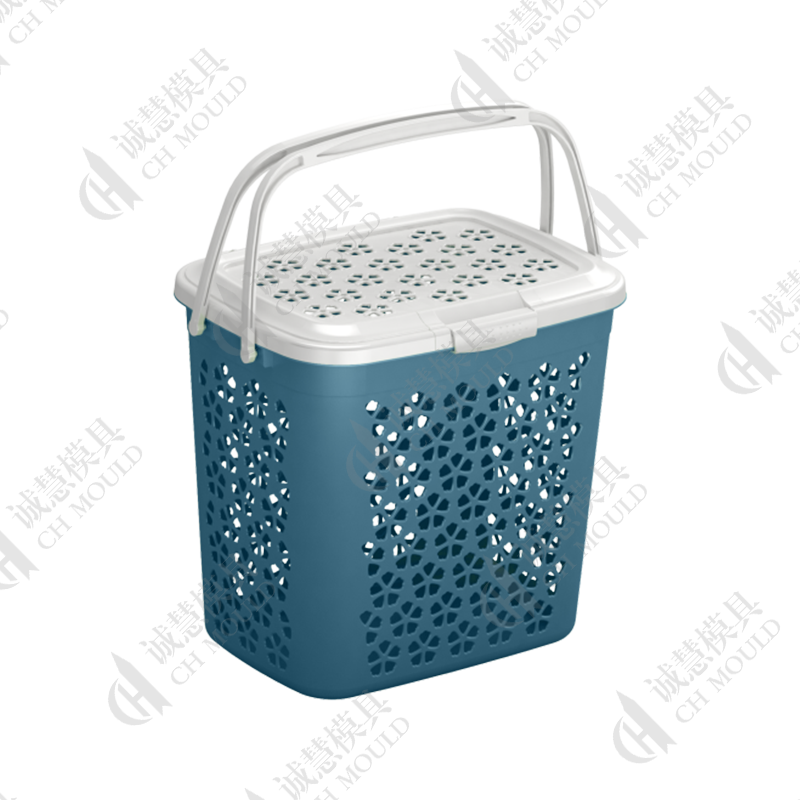
CHENGHUI Plastic Basket Mold 009
Understanding the Role of a Plastic Basket Mold
An injection mold is the production instrument that transforms molten plastic into a finished basket. During the molding cycle, plastic material is heated and injected into the cavity under pressure. The material fills the basket geometry, follows the ribs and openings, forms the rim and base, cools against the mold surfaces, and is then released by the ejection system. Each stage must be coordinated accurately.
Basket products are especially demanding because they combine large open areas with many structural details. The sidewalls may include repeated slots, ventilation openings, strengthening ribs, decorative patterns, and integrated handles. These features create variations in material flow and cooling behavior. If the mold is not properly engineered, the result may include short shots, weld lines, sink marks, warpage, flash, uneven wall thickness, difficult ejection, or inconsistent dimensions.
The mold must also withstand repeated production cycles. In commercial manufacturing, a basket mold may operate for long periods under pressure, heat, mechanical movement, and repeated clamping forces. Its core, cavity, sliders, inserts, ejector system, guide components, and cooling channels must work together without excessive wear. Small inaccuracies in alignment or finishing can become major problems after thousands of cycles.
For this reason, plastic basket mold manufacturing involves several professional disciplines. Product design must consider injection molding principles. Mold design must convert the product geometry into a practical tool structure. Machining must achieve the required precision. Assembly must ensure correct fit and movement. Trial molding must verify filling, cooling, ejection, and product quality. Final inspection must confirm that the mold is ready for production.
The Plastic Basket Mold 009 represents this complete tooling approach. Rather than treating the mold as an isolated metal component, the manufacturing process considers the mold as part of a full production solution. This perspective is valuable for customers who need a tool that can move from engineering development to stable factory operation.
Product Applications and Market Potential
Plastic baskets serve a broad range of markets because they combine low weight, durability, cleanability, stackability, and flexible design. Depending on the final product configuration, a basket produced from this type of mold may be used for household organization, retail storage, food handling, laundry management, warehouse logistics, agricultural collection, or general-purpose transportation.
In household applications, baskets are commonly used for clothing, toys, cleaning supplies, kitchen goods, bathroom products, and personal storage. Consumers often expect these products to be lightweight but strong, easy to carry, resistant to moisture, and visually attractive. The mold must therefore support smooth surfaces, rounded edges, comfortable handles, and a balanced structure.
In industrial and logistics applications, baskets may be used for sorting, storage, material handling, order fulfillment, and internal transportation. These products are expected to endure repeated use, stacking, loading, unloading, and cleaning. Their design may emphasize reinforced corners, strong rims, stable bases, nesting capability, and compatibility with warehouse workflows.
Retail and distribution customers may require different colors, surface textures, labeling areas, or product sizes while using a similar design platform. A professionally engineered mold can support customization without compromising the fundamental strength and manufacturability of the basket. This flexibility helps manufacturers serve multiple markets from one well-planned tooling program or from a coordinated family of molds.
The growing demand for organized storage and efficient logistics also creates opportunities for basket manufacturers. E-commerce distribution, supermarket operations, agricultural supply chains, and commercial facilities all require practical containers that can be produced economically. A reliable basket mold allows a manufacturer to respond to these markets with repeatable quality and controlled production costs.
Design Features That Influence Basket Quality
The performance of a molded basket begins with the product design. Every opening, rib, corner, handle, and transition affects how plastic flows and how the part behaves during cooling. A professional mold manufacturer reviews these elements before machining begins and identifies potential risks at the engineering stage.
Balanced Wall Structure
A basket should have a wall structure that is strong enough for its intended load while remaining practical to mold. Excessively thick areas can increase cooling time, create sink marks, and consume unnecessary material. Extremely thin sections may cause incomplete filling or weak areas. A balanced design helps the plastic fill the cavity more uniformly and supports better dimensional stability.
Ribs and Reinforcement
Ribs can increase stiffness without requiring the entire basket wall to be thick. However, rib thickness, height, spacing, and connection points must be carefully considered. Poorly designed ribs may create visible sink marks, stress concentration, or uneven cooling. Properly integrated reinforcement can improve load-bearing capability while maintaining an efficient material distribution.
Openings and Ventilation
Basket openings are central to the product’s function and appearance. Repeated openings must be formed cleanly and consistently. Their arrangement influences material flow, mold strength, ejection, and tool maintenance. Venting is also important because air must escape as plastic enters the cavity. Inadequate venting can produce burn marks, incomplete filling, or inconsistent surface quality.
Handles and Carrying Areas
Handles are often among the most heavily used sections of a basket. Their shape should be comfortable and structurally reliable. The mold must form handle openings, transitions, and attachment points accurately. If the handle design contains undercuts, the tooling may require sliders, lifters, collapsible elements, or another specialized release solution. The correct mechanism depends on the final product geometry and production requirements.
Rounded Corners and Safe Edges
Rounded corners improve product appearance, reduce stress concentration, and make the basket safer to handle. They can also improve mold filling by reducing abrupt flow changes. Smooth transitions are particularly important around the rim, base, handles, and internal intersections. These details contribute to the perceived quality of the finished product and can differentiate a professionally engineered basket from a basic low-cost alternative.
Stacking and Nesting Considerations
Many commercial baskets are designed to stack or nest when empty. This feature can reduce transportation and storage costs. The product design must include suitable clearances, tapered walls, stable support points, and controlled dimensional relationships. The mold must reproduce these features accurately across the entire production surface. Small variations can make baskets difficult to separate or cause unstable stacks.
Advantages of a Professionally Engineered Mold
The Plastic Basket Mold 009 offers several practical advantages when compared with poorly planned or inadequately manufactured tooling. These advantages are connected to engineering discipline, precision machining, controlled assembly, and mold testing rather than to a single cosmetic feature.
Consistent Product Repetition
One of the most important advantages is the ability to reproduce the same basket geometry repeatedly. Consistency is essential when products are sold in sets, supplied to major distributors, or assembled into standardized logistics systems. Stable cavity dimensions and accurate mold alignment help keep the product within the intended size and shape range.
Improved Production Reliability
A mold built with suitable mechanisms, cooling arrangements, guide systems, and ejection components is more likely to operate smoothly. Reliable operation reduces interruptions caused by sticking parts, uneven ejection, excessive flash, or mechanical interference. Production reliability is especially valuable for manufacturers working with fixed delivery schedules.
Better Surface and Edge Quality
Basket surfaces are visible to the final customer. Tool finishing and accurate machining influence the smoothness, texture, edge definition, and visual uniformity of the molded part. Proper finishing can also help reduce defects around openings, corners, and other detailed regions. A clean surface improves both appearance and ease of cleaning.
Efficient Material Use
Good mold and product engineering can support a balanced wall structure and reduce unnecessary material concentration. Although material selection and product design remain important, the mold must faithfully reproduce the intended geometry. Efficient material use can lower part weight, reduce material costs, and improve production sustainability without sacrificing required strength.
Support for Customization
Basket buyers often require different dimensions, colors, logos, opening patterns, handles, or structural details. A custom mold program allows these requirements to be addressed during design rather than through difficult modifications after production begins. Customization helps manufacturers create products that match their target market instead of competing only on price.
Reduced Long-Term Tooling Risk
The cheapest initial mold is not always the most economical option. A tool with poor cooling, weak components, inaccurate inserts, or difficult maintenance may generate higher costs through downtime, rejected products, repairs, and missed deliveries. A professionally manufactured mold can provide a stronger foundation for long-term production planning.
| Evaluation Area | Basic or Poorly Planned Tooling | Professionally Engineered Basket Mold | Customer Benefit |
|---|---|---|---|
| Product consistency | Greater variation between production cycles | Controlled cavity geometry and alignment | More uniform products for distribution |
| Material flow | Higher risk of short shots and weld-line defects | Flow considered during product and mold design | Improved appearance and structural reliability |
| Cooling | Uneven cooling and longer stabilization time | Cooling strategy developed for the basket geometry | Better cycle stability and dimensional control |
| Ejection | Sticking, deformation, or manual intervention | Ejection planned around product strength and release direction | Reduced damage and smoother production |
| Maintenance | Difficult access and unpredictable wear | Serviceable components and organized tooling structure | Lower maintenance disruption |
| Customization | Limited ability to adapt the design | Engineering support for dimensions and functional details | Better market differentiation |
| Production readiness | Insufficient testing before delivery | Mold trials and quality checks before shipment | Faster transition to mass production |
Advanced Manufacturing Capabilities
The performance of a basket mold depends heavily on the manufacturing system behind it. Zhejiang Chenghui Mould Co., Ltd., also known as CH Mould, has more than 30 years of experience in designing and manufacturing injection molds for daily necessities. Founded in 1994, the company has developed specialized experience in molds for storage products, tables, chairs, furniture, storage boxes, turnover boxes, laundry baskets, buckets, storage racks, trash cans, and other household and industrial products.
This product background is relevant because basket molds share many engineering requirements with other large and detailed daily-use products. Experience with storage products and turnover containers helps a mold manufacturer understand practical issues such as stacking, carrying, reinforcement, cleaning, repeated handling, and mass production. Experience across multiple product categories also supports more flexible problem solving when a new basket design includes unusual structures or market-specific features.
The company operates its own production workshop and has 104 advanced processing machines. This in-house capability supports greater control over the tooling process. Instead of separating design, machining, assembly, and testing among unrelated suppliers, the company can coordinate these activities within a connected manufacturing system. Such integration can improve communication, reduce transfer delays, and make it easier to trace engineering decisions.
Professional processing equipment is essential for producing accurate core and cavity surfaces, inserts, slides, guide components, and other mold parts. Depending on the design, precision machining may include computer-controlled milling, electrical discharge machining, wire cutting, grinding, drilling, and finishing operations. The exact process is selected according to the geometry, material, tolerance, surface requirement, and expected production conditions.
Machining alone does not guarantee a successful mold. Components must be measured, fitted, polished, assembled, and tested as a complete system. The company’s production process therefore combines equipment capability with standardized procedures and quality management. This approach helps ensure that design intent is maintained as the mold moves from digital engineering data to physical components.
Integrated Workshop Control
In-house production can provide practical advantages for customers. Engineering questions can be communicated directly to the people responsible for machining and assembly. If a tool feature requires adjustment, the change can be evaluated within the same manufacturing organization. This can shorten response time and reduce the risk of information loss between separate vendors.
Professional Injection Molding Machines for Trials
Mold testing is a critical stage before delivery. Chenghui Mould has professional injection molding machines for mold testing, allowing the tool to be evaluated under actual molding conditions. Trial production helps reveal whether the plastic fills the cavity correctly, whether the parts release smoothly, whether cooling is balanced, and whether the finished basket meets the intended quality requirements.
Trial molding also allows engineers to identify practical improvements. These may involve adjustment of processing conditions, polishing, venting, ejection, parting-line details, cooling, or other mold features. Finding and correcting such issues before the customer begins full-scale production can reduce commissioning time and prevent costly interruptions.
Annual Production Capacity
The company reports an annual production capacity of more than 1,500 mold sets. This capacity indicates an established production organization capable of managing multiple tooling programs. For customers, capacity is important when delivery timing, production planning, and future mold development must be coordinated. It also demonstrates that the company has experience handling repeatable processes rather than relying only on one-off project work.
From Product Concept to Finished Tool
A successful plastic basket mold begins with a clear understanding of the customer’s product objectives. Before mold construction starts, the customer and engineering team should define the basket’s dimensions, intended use, material, load expectations, appearance, production volume, and target market. These requirements influence almost every tooling decision.
Step One: Requirement Review
The first stage is a review of the product concept and commercial requirements. Engineers examine the basket drawings, three-dimensional data, reference samples, or preliminary sketches. They consider whether the product must stack, nest, carry a specific load, support a particular handle style, or fit an existing packaging or logistics system.
At this point, it is also useful to confirm the planned molding material and color range. Different plastics have different shrinkage behavior, flow characteristics, stiffness, impact performance, and processing requirements. The mold design should account for these factors from the beginning rather than treating material selection as a late adjustment.
Step Two: Moldability Analysis
The product design is then reviewed for draft angles, wall thickness, ribs, openings, corners, handles, undercuts, parting lines, gates, vents, cooling, and ejection. The objective is to identify potential manufacturing problems before detailed mold design. A moldability review can help prevent expensive changes after steel has been machined.
Step Three: Mold Structure Design
Once the product geometry is confirmed, the mold structure is planned. This includes the core, cavity, mold base, inserts, guide systems, ejection system, cooling channels, feeding system, and any sliding or lifting mechanisms. The design must balance product quality, tooling cost, maintenance requirements, production speed, and expected service life.
Step Four: Precision Machining
Approved mold components are manufactured using appropriate processing equipment. Critical surfaces and functional areas receive careful attention because even small errors can affect part dimensions, appearance, or ejection. Machining is followed by inspection and, where necessary, secondary operations such as grinding, EDM finishing, polishing, and fitting.
Step Five: Assembly and Adjustment
During assembly, mold components are fitted into a working system. Engineers check alignment, movement, clearances, insert locations, ejector travel, slider action, cooling connections, and parting surfaces. Manual fitting and adjustment may be required to achieve smooth operation and proper contact across the mold.
Step Six: Mold Trial
The assembled tool is tested on an injection molding machine. Trial parts are evaluated for filling, surface appearance, flash, warpage, dimensions, ejection, and overall function. The mold may be adjusted based on the results. Several trial stages may be appropriate for complex baskets or products with strict quality requirements.
Step Seven: Final Inspection and Delivery
After the tool meets the agreed requirements, final inspection confirms the mold’s condition and readiness for shipment. Documentation, spare components, maintenance guidance, and production recommendations may be prepared as part of the handover. This supports a smoother transition when the customer installs the mold in its own facility.
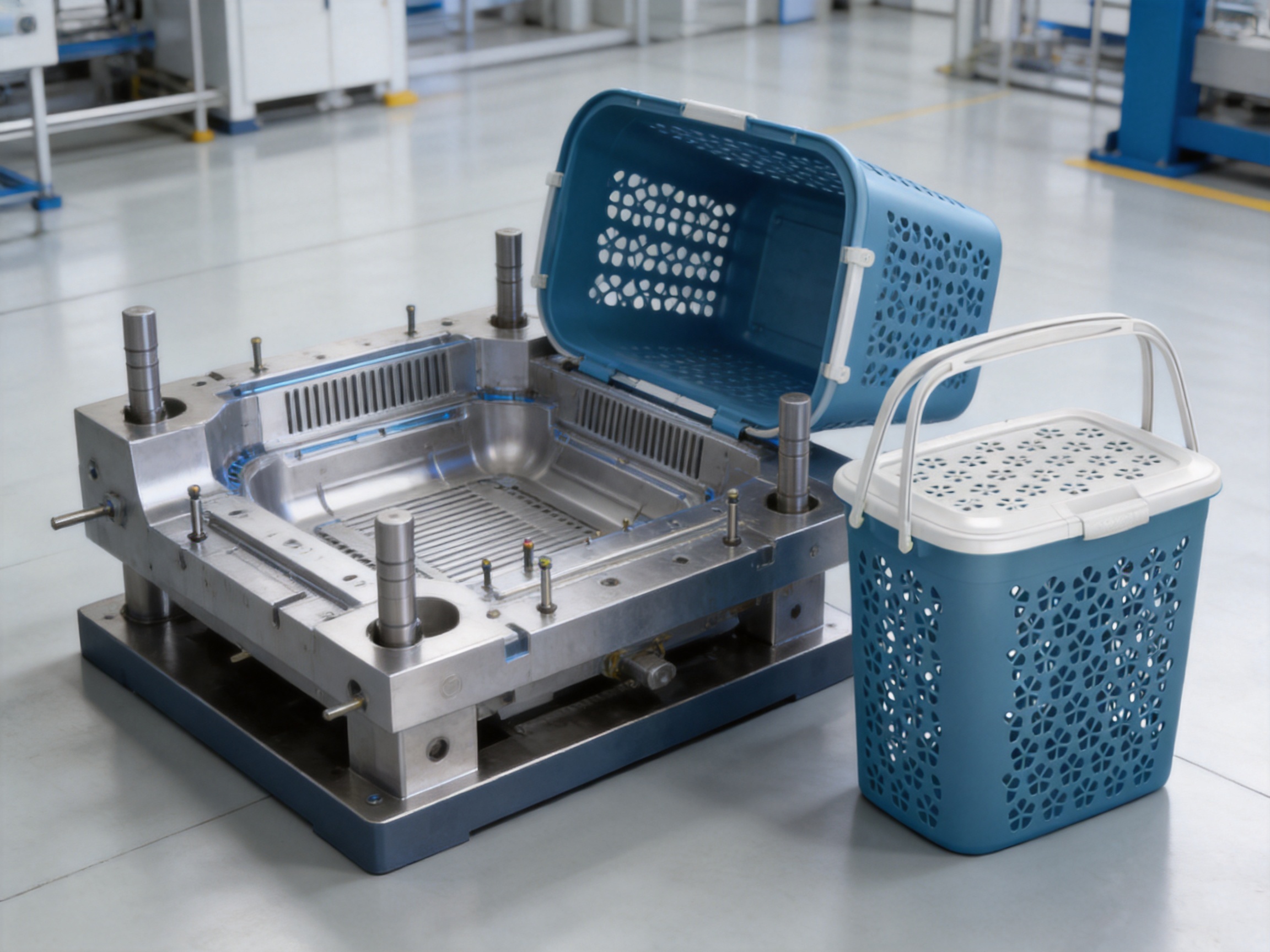
Cooling, Filling, and Ejection Performance
Cooling is one of the most important factors in injection molding productivity. Once molten plastic enters the basket cavity, heat must be removed at a controlled rate. If one region cools faster than another, shrinkage can become uneven and lead to warpage or dimensional variation. A basket with large open panels, ribs, a reinforced rim, and a thick base may have significant differences in cooling behavior.
Cooling channels should therefore be planned in relation to the product geometry. The aim is not simply to place as many channels as possible, but to create an effective thermal balance while maintaining mold strength and practical manufacturability. Proper cooling can help shorten cycle times, improve repeatability, and reduce stress in the molded part.
Filling behavior is also critical. The plastic must reach the farthest sections of the basket before freezing. Large parts or products with repeated openings may require careful gate positioning and flow analysis. The best solution depends on the basket’s size, wall design, material, production machine, and appearance requirements. A professional mold manufacturer considers these factors as part of the overall tooling strategy.
Ejection must remove the basket without bending, whitening, cracking, or leaving unacceptable marks. The ejection system should apply force in areas that can withstand it. If the basket has deep ribs, narrow openings, handles, or a tapered structure, release direction and draft become particularly important. A reliable ejection design supports faster automation and reduces the need for manual handling.
These three areas—filling, cooling, and ejection—are closely connected. Changes to one may affect the others. For example, a different gate location can influence weld lines and cooling behavior, while a change in wall thickness can affect both filling pressure and ejection force. Integrated engineering is therefore more effective than solving each issue separately.
Quality Management and Inspection
Quality management in mold manufacturing extends from the first drawing review to the final trial. The objective is to prevent defects, not merely to discover them after the tool is complete. Standardized processes help ensure that important checks are performed consistently across different projects.
During design, engineers verify product geometry, moldability, parting lines, draft, ejection, cooling, and material considerations. During machining, dimensions and surface conditions are checked. During assembly, movement, alignment, contact, and clearances are reviewed. During trials, molded samples are examined for functional and visual quality.
Inspection may include dimensional measurement of the molded basket, checking critical distances, evaluating wall consistency, reviewing the rim and handle, examining openings, and confirming stackability or nesting behavior. The exact inspection plan should be based on the customer’s drawings and product standards.
Surface quality is also important for household and retail products. Visible defects can reduce customer acceptance even when the basket remains functional. Tool polishing, texture control, parting-line treatment, and venting all contribute to the final appearance. A reliable quality system connects the visual result to the corresponding mold feature so that corrective action can be targeted effectively.
For industrial baskets, functional testing may be equally important. The product may need to withstand loading, carrying, stacking, impact, repeated use, or exposure to cleaning conditions. The mold must reproduce the intended structural features accurately so that the final product can be evaluated under realistic conditions.
Customization for OEM and ODM Projects
Many basket manufacturers do not want a generic product. They need a design that matches a particular customer group, sales channel, operating environment, or brand strategy. Custom OEM and ODM mold development allows the basket to be adapted to these requirements.
Customization may involve overall length, width, height, wall taper, opening pattern, handle shape, rim design, base reinforcement, nesting clearance, logo areas, surface texture, and product weight. The selected changes must be reviewed together because a modification in one region can influence mold construction and production performance elsewhere.
For example, increasing the basket height may affect filling distance, ejection force, cooling time, and mold dimensions. Changing an opening pattern may alter rib layout and flow behavior. Adding a logo may require a replaceable insert or a carefully positioned surface feature. A professional development process identifies these relationships before the tooling is finalized.
OEM customers may provide their own drawings or samples, while ODM customers may request assistance in developing the product concept. Chenghui Mould provides customized mold design and manufacturing services covering concept development, drawing preparation, sample development, machining, assembly, mold trials, quality inspection, and after-sales support. This broad service range can be useful for customers who want a single technical partner throughout the project.
Customization also supports product families. A manufacturer may need several basket sizes or related storage products with a common visual identity. A coordinated tooling strategy can help maintain similar styling, compatible stacking logic, and shared manufacturing knowledge across the range.
Why Experience in Daily-Use Products Matters
Daily-use plastic products are often purchased in large quantities and judged quickly by both appearance and practical performance. They must be economical, attractive, easy to use, and durable enough for regular handling. Mold manufacturers serving this market must understand the relationship between product design, consumer expectations, production efficiency, and distribution requirements.
Chenghui Mould’s experience includes molds for PET storage products, tables, chairs, furniture, storage boxes, turnover boxes, laundry baskets, buckets, storage racks, trash cans, and other household and industrial products. This range indicates familiarity with different product scales, structural requirements, surface expectations, and production challenges.
Storage and logistics products often require strong corners, stable bases, repeatable dimensions, and compatibility with stacking or nesting. Household products may require smoother surfaces, comfortable handling, attractive patterns, and clean edges. Experience across these categories helps engineers evaluate the Plastic Basket Mold 009 from both industrial and consumer perspectives.
More than 30 years of experience also provides a foundation for process learning. Each mold project can contribute to improved design rules, better troubleshooting methods, more efficient assembly practices, and stronger quality controls. Experience does not replace engineering analysis, but it can make the analysis more practical and focused.
International Supply and Customer Support
A mold supplier serving international customers must understand that delivery is only one part of the project. Customers may need technical communication, drawing confirmation, trial feedback, packaging, installation guidance, spare parts, and after-sales assistance. Clear communication is particularly important when the mold will be installed in another country or used on a different injection molding machine.
Chenghui Mould exports its products to the Middle East, Europe, America, Africa, Southeast Asia, and other regions. This international experience supports the needs of customers with different production environments and commercial expectations. Export-oriented mold manufacturing also requires attention to documentation, packaging protection, shipping coordination, and remote technical communication.
After-sales support can help customers address issues that appear during installation or early production. Such support may involve clarifying mold connections, reviewing sample images, discussing processing conditions, identifying the source of molding defects, or recommending maintenance actions. The most effective support is based on cooperation between the mold supplier and the customer’s production team.
Customers evaluating a plastic basket mold supplier should consider not only the purchase price but also the availability of technical support, response speed, spare component planning, and willingness to assist after delivery. These factors can significantly influence the total value of the tooling investment.
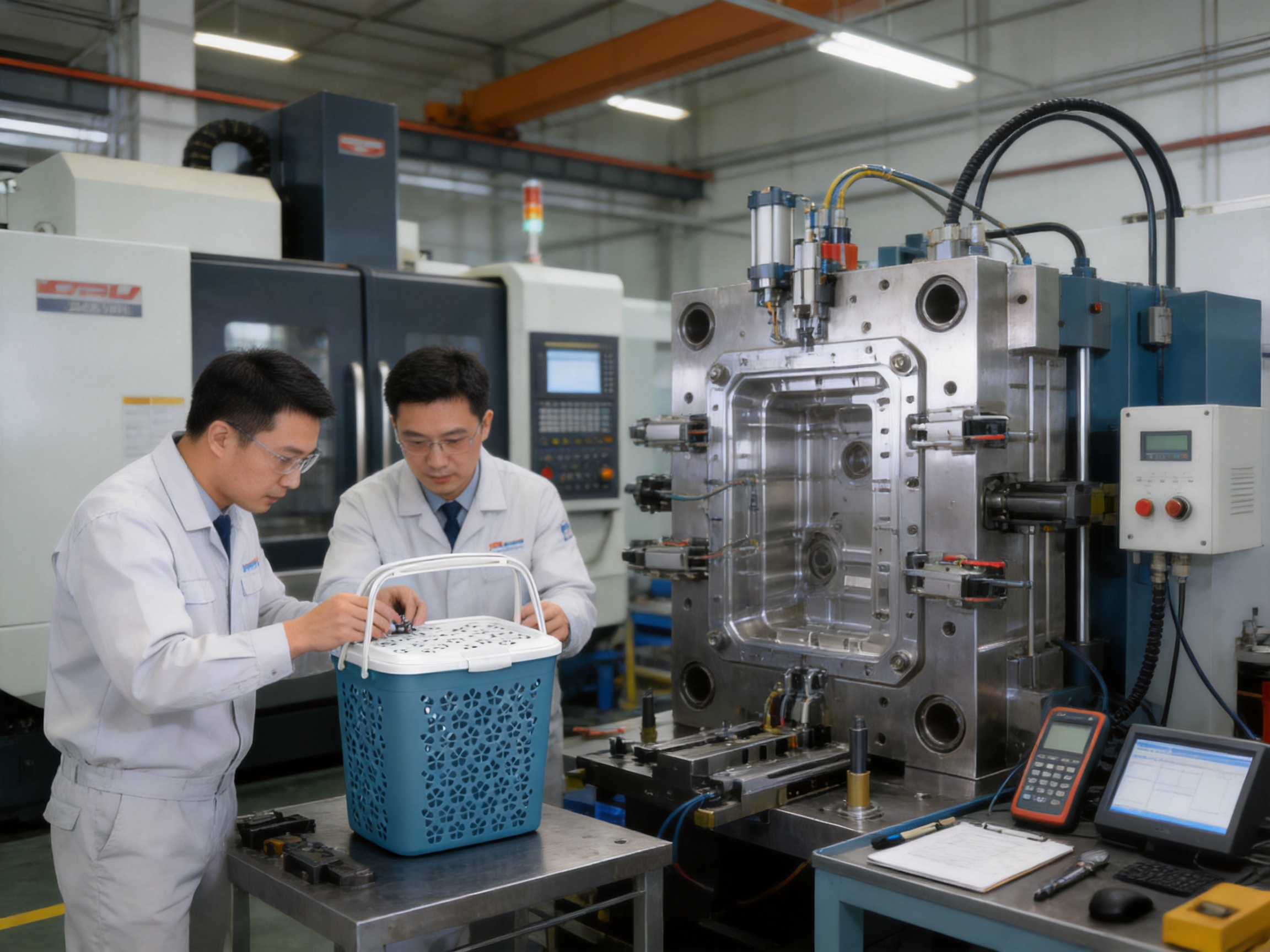
Maintenance and Long-Term Mold Performance
Even a high-quality mold requires appropriate maintenance. Regular cleaning, lubrication, inspection, and water-channel care help preserve performance. The specific maintenance schedule depends on the molding material, production volume, mold structure, and factory environment.
After production, the mold should be cleaned to remove plastic residue, dust, and moisture. Moving components such as slides, lifters, guide elements, and ejector components should be inspected for wear or abnormal resistance. Cooling channels should be monitored because deposits or blockage can reduce heat transfer and create uneven mold temperatures.
Parting surfaces should be kept clean so that the mold closes accurately. Flash may occur if material residue prevents full contact. Operators should also monitor unusual noise, increased ejection force, changes in cycle behavior, or new marks on the basket. These may indicate wear or a developing maintenance issue.
When the mold is stored, it should be protected against corrosion and environmental damage. Proper storage procedures help preserve polished or textured surfaces and reduce the risk of rust. Records of production cycles, repairs, component replacement, and trial results can make future maintenance more systematic.
A mold designed with serviceability in mind can be easier to maintain. Replaceable inserts, accessible components, clear identification, and organized documentation can reduce downtime when wear parts require attention. These considerations are often overlooked when tooling is evaluated only by its initial purchase price, but they have an important effect on long-term operating cost.
Commercial Benefits for Manufacturers and Distributors
The commercial value of a plastic basket mold is measured by more than the ability to create a part. It is also measured by how effectively the mold supports a business model. A stable tool helps manufacturers plan production, manage inventory, calculate costs, and serve customers with greater confidence.
Consistent parts can reduce sorting and rework. Reliable ejection can improve labor efficiency. Balanced cooling can help stabilize cycle times. Accurate nesting features can reduce packaging volume and transportation expense. Strong product design can support repeat sales and reduce complaints. Together, these benefits influence profitability across the product lifecycle.
For distributors, a well-made basket can support multiple sales channels. The same basic product may be offered to household retailers, warehouse operators, agricultural buyers, cleaning service providers, or commercial organizations. Customized dimensions and colors can create product variations without requiring a completely different manufacturing concept.
For wholesalers, dependable tooling helps protect delivery commitments. If the mold operates consistently, production planning becomes more predictable. This is especially important for seasonal demand, promotional programs, large retail orders, and export shipments with fixed schedules.
For manufacturers developing a new product range, a professional mold supplier can provide valuable input before investment decisions are finalized. Engineering review may identify ways to simplify the design, reduce material use, improve stacking, or make the product easier to mold. Such improvements can strengthen the commercial case for the project.
Sustainability and Resource Efficiency
Plastic product sustainability depends on material selection, product life, manufacturing efficiency, logistics, and end-of-life management. The mold contributes to these goals by helping the manufacturer produce accurate parts with controlled material distribution and fewer defects.
A well-designed basket may be made strong enough to serve its purpose without unnecessary weight. Reduced part weight can lower material consumption and transportation energy, provided that the product continues to meet its required performance. Efficient cooling and stable cycle control can also help reduce energy use per part in a high-volume production environment.
Lower rejection rates are another important consideration. Every rejected part represents consumed material, machine time, energy, and labor. By supporting repeatable filling, cooling, and ejection, a reliable mold can help reduce avoidable scrap. Process improvements should always be validated against the basket’s required strength and durability.
Durable products can also provide sustainability benefits because they may not need to be replaced as frequently. For reusable logistics baskets, storage containers, and commercial handling products, service life is closely related to structural design and molding quality. A mold that consistently forms strong, accurate components contributes to the production of products intended for repeated use.
Manufacturers may also consider recyclable or recycled-content materials where appropriate. Material selection must be evaluated with respect to flow, shrinkage, impact performance, surface appearance, and processing conditions. The mold design and injection process should be reviewed whenever the material is changed.
How to Evaluate a Plastic Basket Mold Supplier
Businesses comparing mold suppliers should evaluate the full development process rather than focusing only on the quoted price. The following questions can help identify whether a supplier is prepared to support a demanding basket project.
First, does the supplier have relevant experience with baskets, storage products, turnover boxes, or similar household and industrial products? Experience with comparable geometries can reduce development risk.
Second, can the supplier provide design-for-manufacturing support? A capable supplier should be able to discuss draft, wall thickness, ribs, openings, handles, cooling, ejection, parting lines, and production objectives.
Third, are design, machining, assembly, and testing coordinated within a controlled process? Integrated capabilities can improve communication and accountability.
Fourth, does the supplier have suitable processing equipment and injection molding machines for mold trials? Trial capability is important because digital analysis cannot replace physical validation.
Fifth, does the supplier provide clear quality inspection and after-sales support? Documentation, sample review, maintenance guidance, and responsive communication can make the difference between a smooth launch and a prolonged commissioning process.
Finally, can the supplier support future customization or related molds? A long-term partner may help develop additional sizes, updated designs, or complementary products as the customer’s market expands.
Q&A: Plastic Basket Mold 009
What type of product is the Plastic Basket Mold 009 designed to produce?
The tool is designed for injection molded plastic baskets. The final basket configuration can be developed according to the required dimensions, opening pattern, structural features, handles, surface treatment, stacking needs, and application environment.
Can the mold be customized for OEM projects?
Yes. Customization can cover product geometry, dimensions, wall structure, ribs, handles, openings, logo areas, surface details, and other requirements. The final solution should be confirmed through drawings, samples, and engineering review before mold construction.
What industries can use baskets produced from this type of mold?
Potential applications include household storage, retail organization, laundry management, warehouse handling, agricultural collection, commercial cleaning, logistics, distribution, and general industrial storage. The appropriate design depends on the product’s required load, environment, and handling conditions.
Why is mold testing important?
Mold testing verifies how the physical tool performs under injection molding conditions. It helps identify filling problems, flash, warpage, difficult ejection, cooling imbalance, surface defects, or dimensional variation before the mold is delivered for full-scale production.
What manufacturing capabilities support this mold?
Chenghui Mould operates its own production workshop with 104 advanced processing machines and professional injection molding machines for mold testing. Its process includes design, machining, assembly, trial molding, quality inspection, and after-sales support.
How much experience does the manufacturer have?
The manufacturer was founded in 1994 and has more than 30 years of experience in injection molds for daily necessities and related household and industrial products.
Can the mold support different basket sizes?
Different sizes generally require a specific engineering review and may require separate tooling or a coordinated family-mold strategy. The appropriate solution depends on the product design, production volume, machine capacity, and customer requirements.
What should a customer provide before requesting a quotation?
Useful information includes product drawings or three-dimensional data, reference samples, intended material, annual production volume, basket dimensions, application, appearance requirements, machine information, and any stacking, nesting, or packaging requirements.
How can customers protect the mold after delivery?
Customers should follow recommended cleaning, lubrication, cooling-system, storage, and inspection procedures. They should also monitor ejection force, parting surfaces, moving components, and molded-part quality. Preventive maintenance can reduce unexpected downtime and extend tool life.
Does the supplier serve international customers?
Yes. The company exports molds to the Middle East, Europe, America, Africa, Southeast Asia, and other regions. International projects can be supported through technical communication, trial feedback, delivery coordination, and after-sales service.
Conclusion
The CHENGHUI Plastic Basket Mold 009 is a tooling solution for manufacturers that require dependable production of plastic baskets for household, commercial, industrial, and logistics applications. Its value is based on the combination of product-focused engineering, advanced processing capability, controlled assembly, mold testing, quality inspection, and ongoing customer support.
A successful basket mold must address many interconnected requirements: material flow, wall balance, openings, ribs, handles, cooling, ejection, stacking, surface quality, maintenance, and production repeatability. When these factors are considered together, the resulting tool can provide stronger advantages than a low-cost mold designed without sufficient engineering depth.
With a history extending back to 1994, more than 30 years of industry experience, an in-house production workshop, 104 advanced processing machines, professional injection molding equipment for trials, and annual production capacity exceeding 1,500 mold sets, Chenghui Mould is equipped to support customized injection mold projects. Its experience with storage products, turnover boxes, laundry baskets, buckets, furniture, household products, and industrial containers provides a practical foundation for basket tooling development.
For wholesalers, distributors, and manufacturers seeking a China-based mold factory, the most important consideration is not simply whether a tool can produce a basket. The real question is whether the tool can support stable, efficient, scalable, and commercially successful production. Through structured engineering and manufacturing processes, the Plastic Basket Mold 009 is positioned to help customers move from product concept to reliable mass production.
References
1. Injection Molding Handbook, principles of mold design, polymer flow, cooling, and ejection.
2. Plastics Design Handbook, guidelines for wall thickness, ribs, draft angles, shrinkage, and product manufacturability.
3. Tool and Manufacturing Engineers Handbook, practices for precision machining, mold assembly, inspection, and maintenance.
4. Society of Plastics Engineers technical publications on injection molding process control and plastic product development.
5. International Organization for Standardization, quality management principles for manufacturing organizations.
6. International Organization for Standardization, general guidance on environmental management and resource-efficient production.
7. Manufacturer-provided company information concerning injection mold design, manufacturing equipment, production capacity, product categories, export experience, testing capability, and customer support.